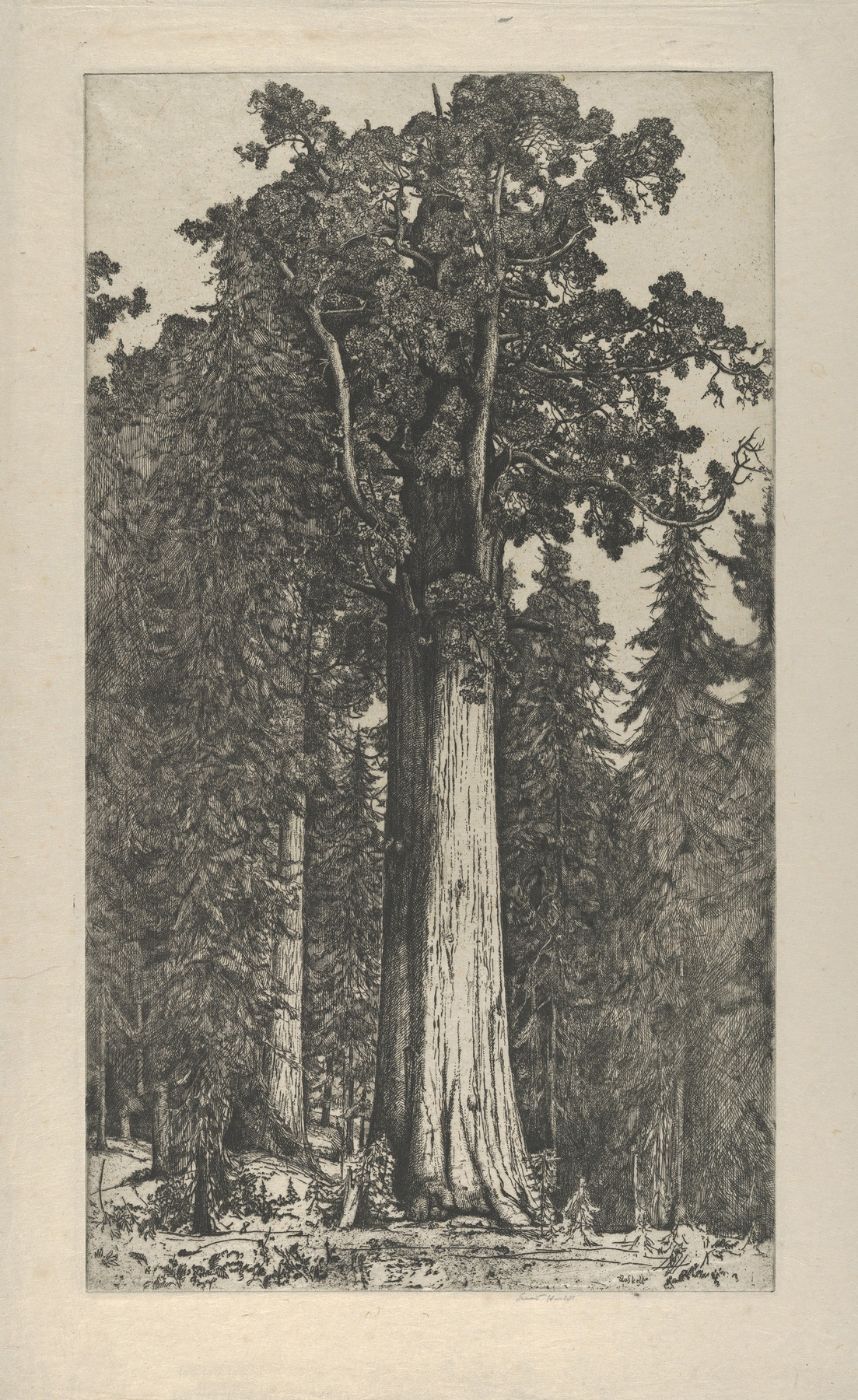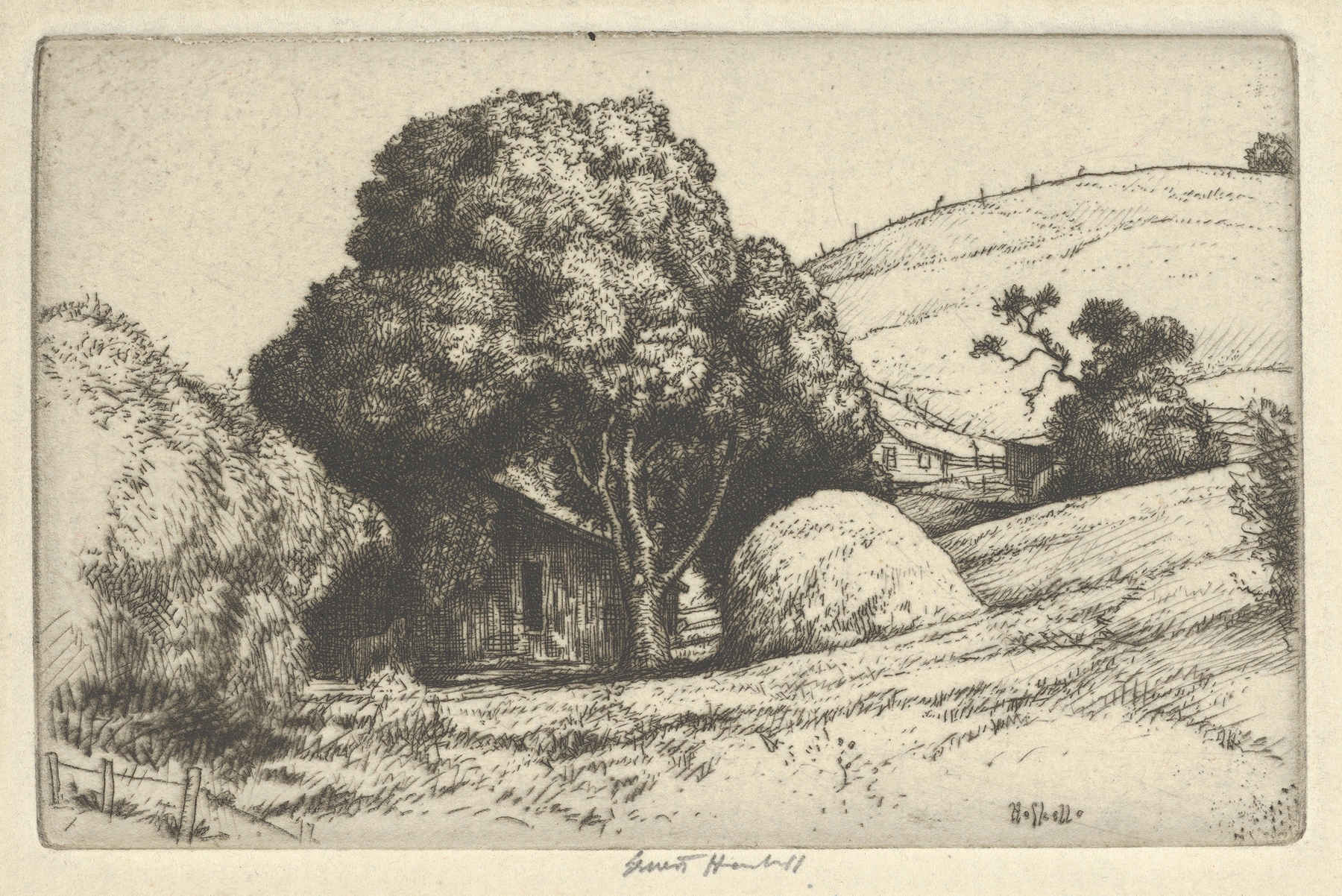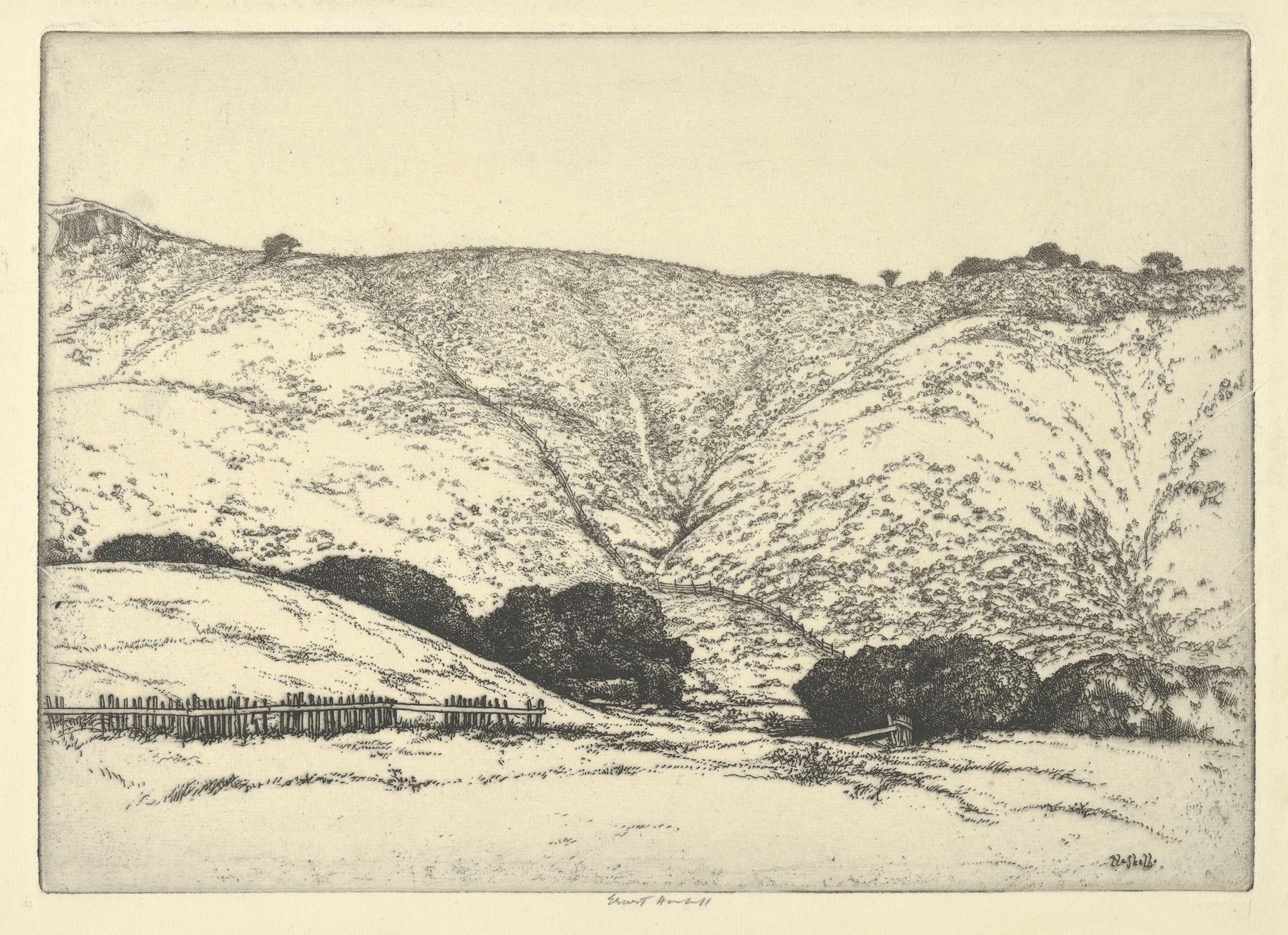
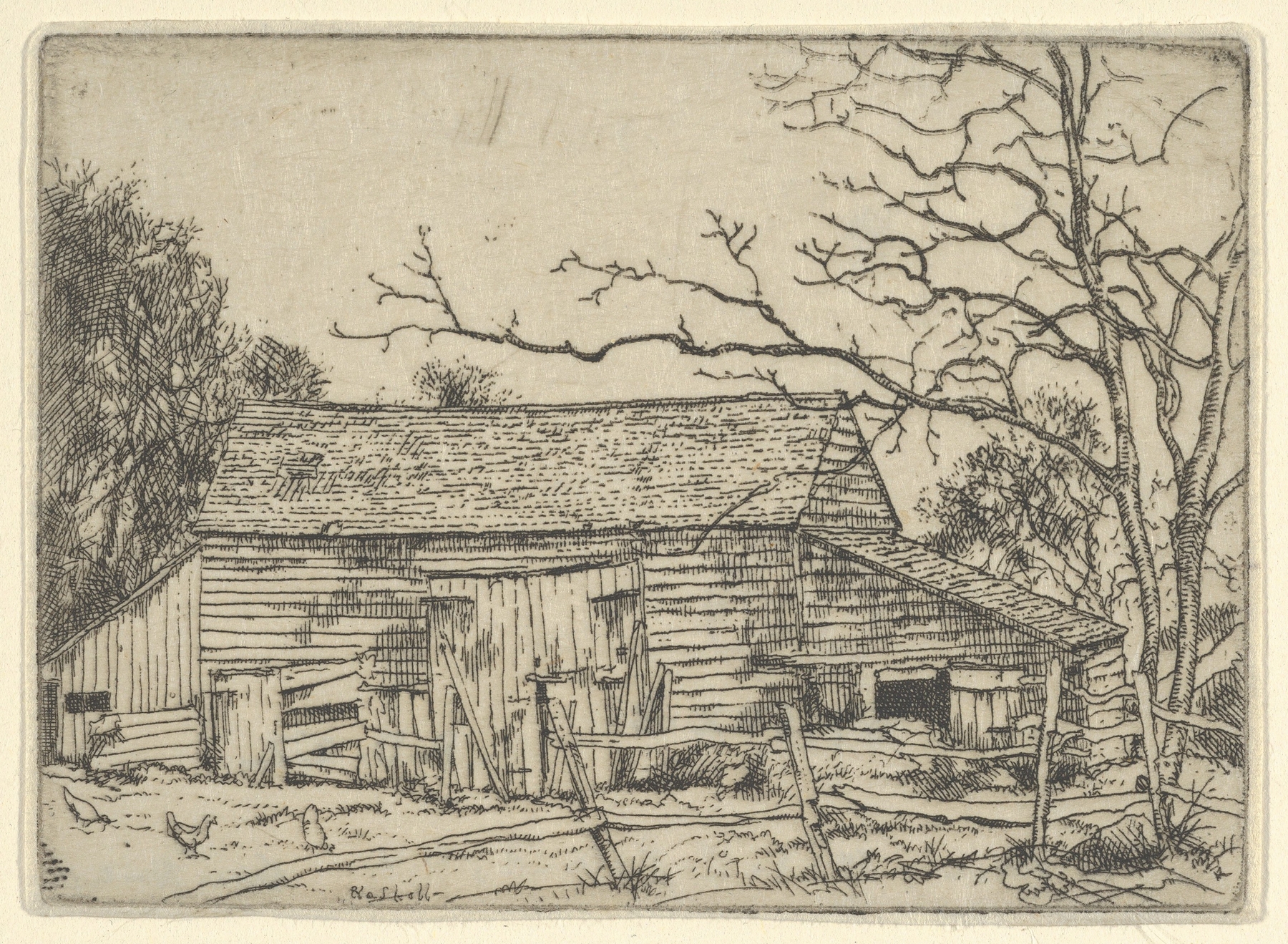
What if beauty was never meant to be finished? In the quiet sanctuary of *Redwood Fence*, a subtle awakening unfolds, inviting contemplation on the nature of impermanence. Look to the upper left where a soft, golden light bathes the fence in a warm glow, revealing the rich texture of the wood. Notice how Haskell’s delicate brushstrokes evoke the tactile quality of the redwood, each detail meticulously rendered to create depth and presence. The surrounding foliage, painted in lush greens, embraces the fence, suggesting the encroachment of nature as it intertwines with the handcrafted structure. This harmonious blend of the organic and the man-made captivates the viewer’s gaze. Beneath the surface, the artwork speaks of contrasts — the enduring strength of the fence against the ephemeral nature of the trees surrounding it. There is a tension between the human touch of craftsmanship and the wild, untamed beauty of the landscape. Shadows dance along the fence, hinting at the passage of time and the inevitability of decay, while the vibrant colors breathe life into the scene. This interplay reflects a deeper existential contemplation, challenging us to consider our own place within the cycle of creation and dissolution. Created during a period of artistic exploration in America, the work captures Haskell’s engagement with the natural world between 1900 and 1925. At this time, many artists were seeking to connect more profoundly with their environments, reflecting a burgeoning appreciation for nature’s beauty amidst industrialization. In crafting *Redwood Fence*, Haskell not only documented a fleeting moment but also contributed to a larger dialogue about the relationship between humanity and the landscape, one that continues to resonate today.