Reparaties aan een groot zeilschip — History & Analysis
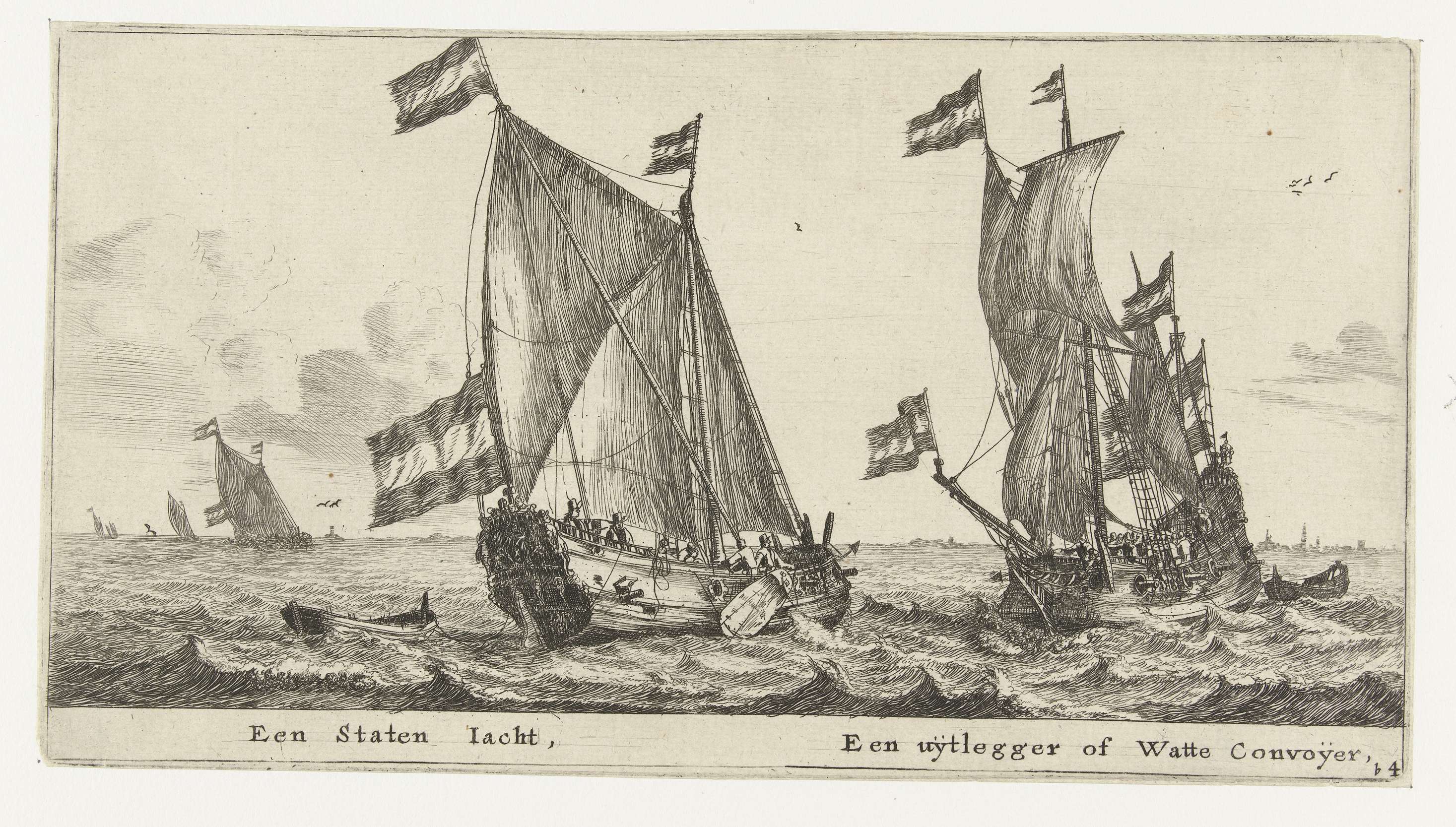
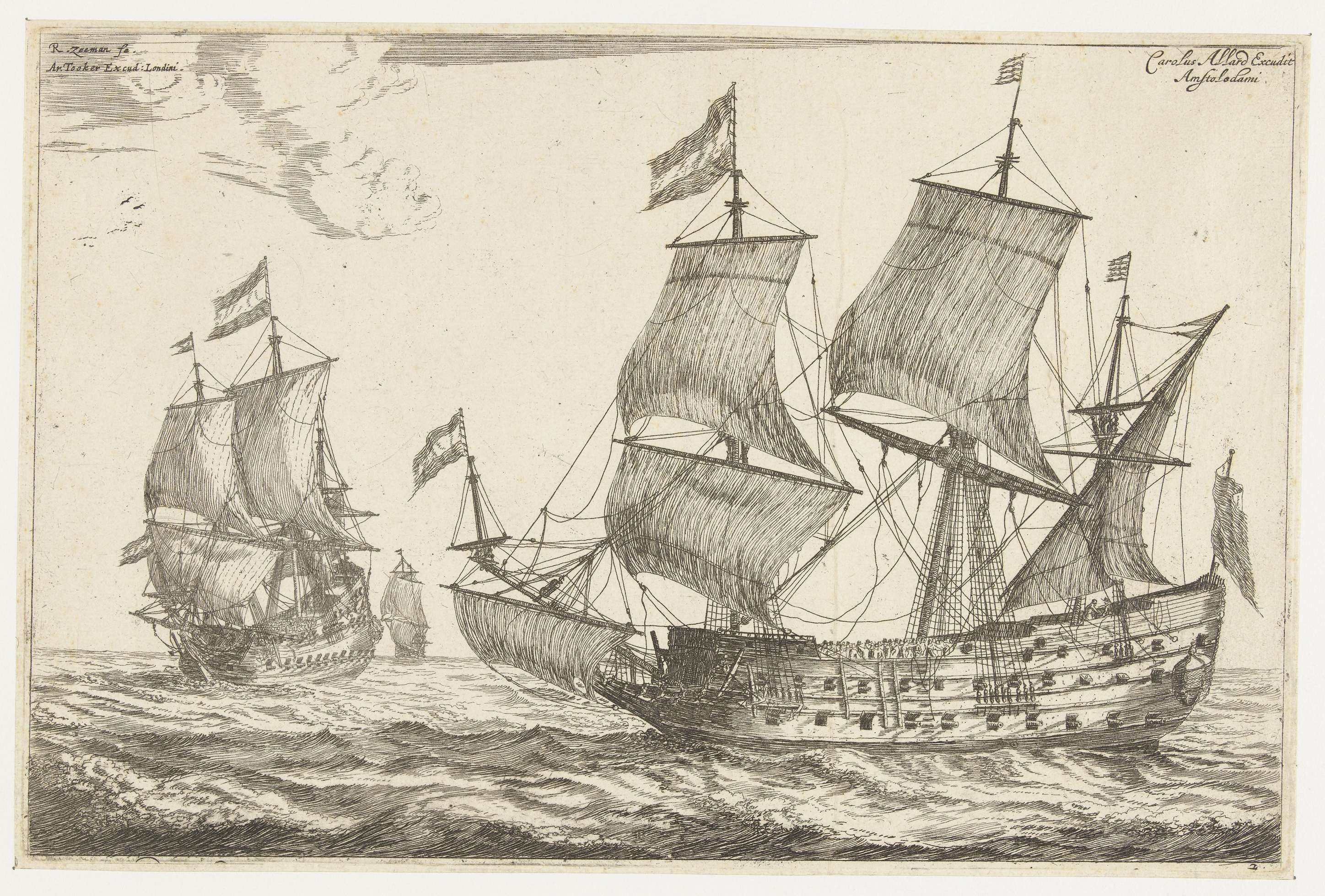
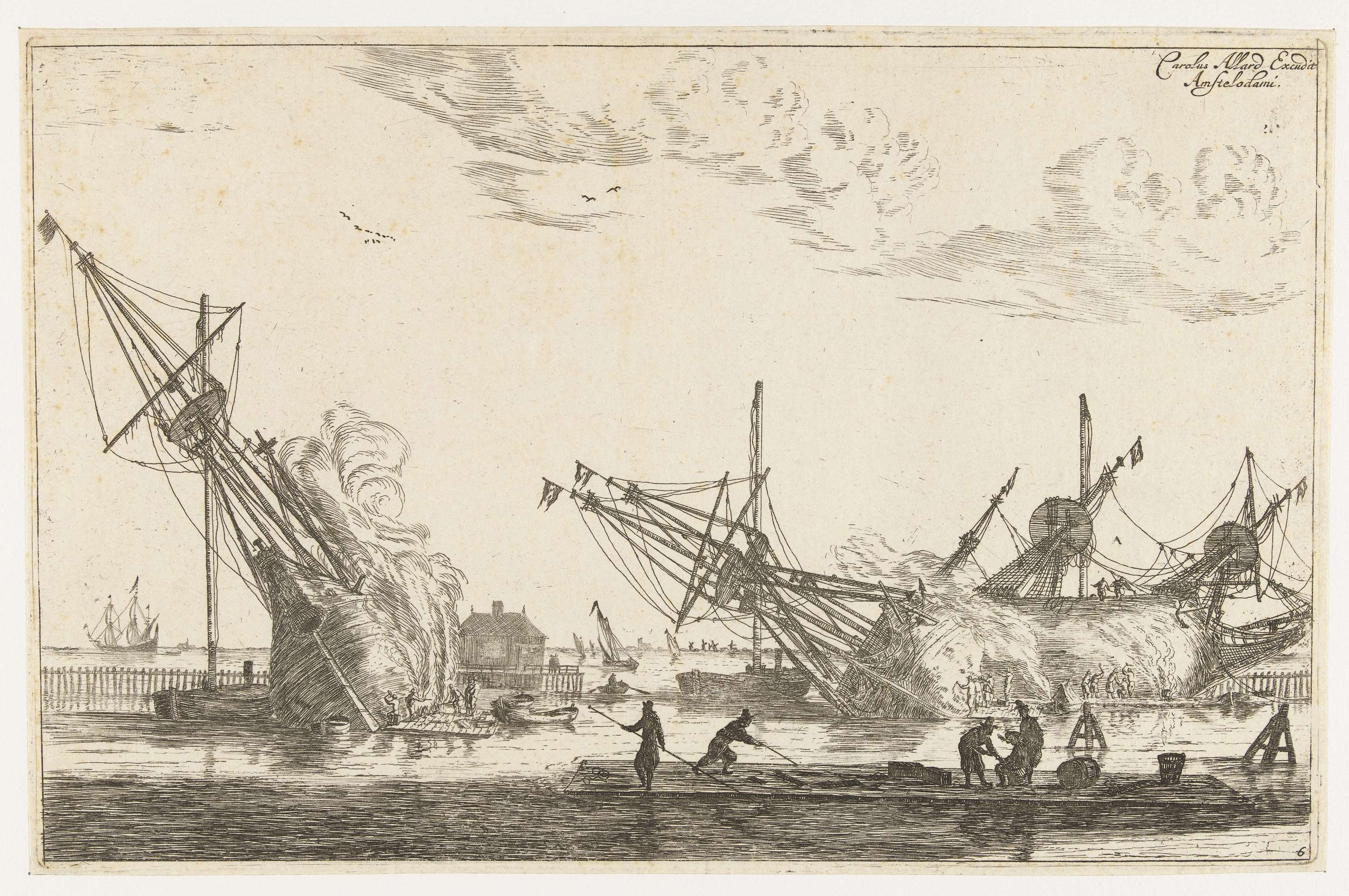
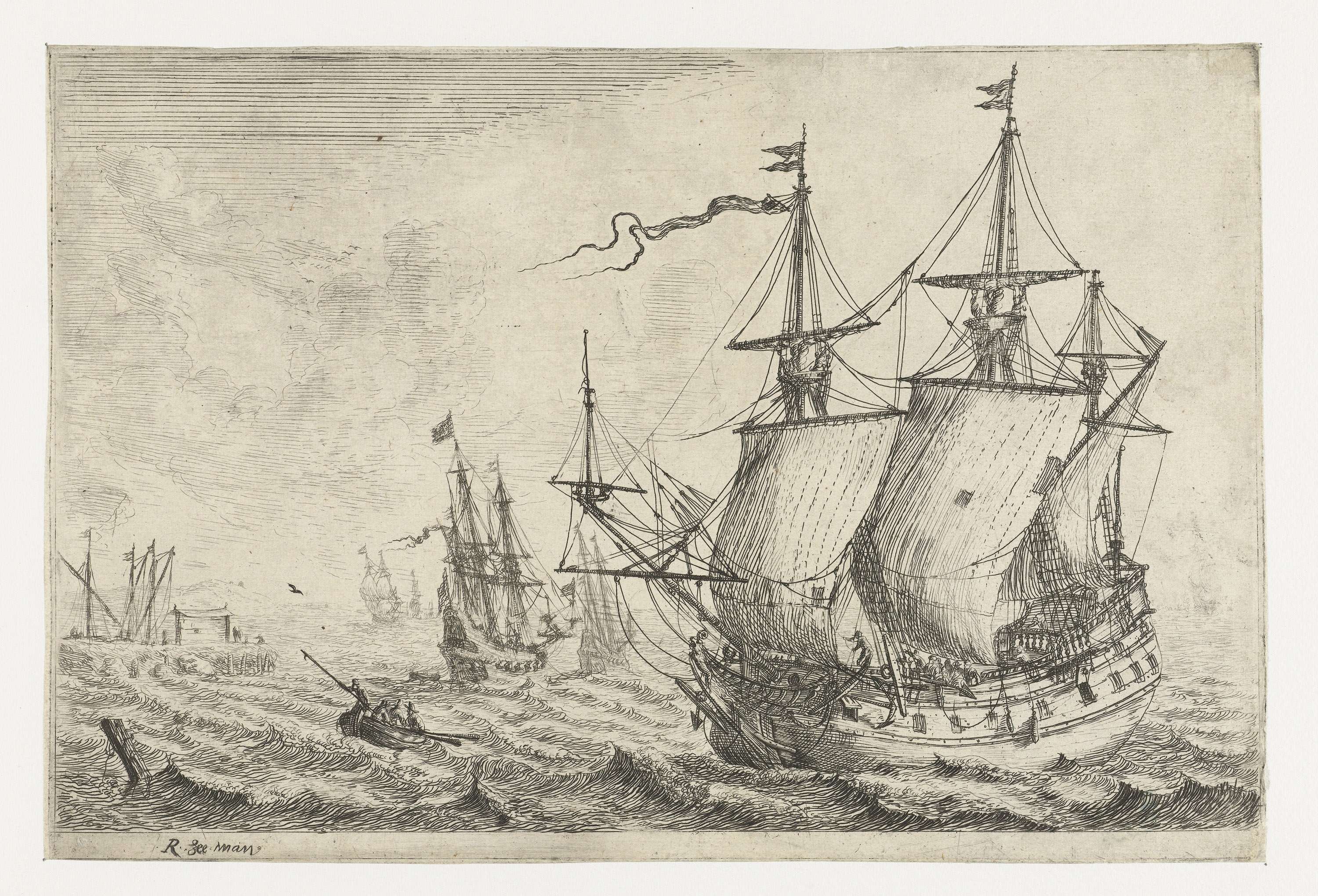
Could beauty survive in a century of chaos? In the midst of tumultuous times, Reparaties aan een groot zeilschip captures the quiet determination of a moment poised between labor and artistry. Look to the left at the majestic sails, their fabric taut against the wind, whispering tales of journeys yet to come. The meticulous arrangement of figures, each absorbed in their tasks, draws the eye through the canvas. Notice how the light falls across the ship’s weathered timbers, illuminating the interplay of shadow and detail that reveals the artist's deft hand.
The palette, with its muted earth tones, contrasts against the vibrant sky, suggesting both a grounding in reality and a yearning for the expansive possibilities of the ocean. Delve deeper into the scene, and you will find layers of meaning that evoke the fragility of human endeavor. The ship, a symbol of exploration and ambition, stands in stark contrast to the figures laboring on its restoration, hinting at the uncertain fate that awaits them. Each stroke of paint becomes a metaphor for resilience, as the workers' toil is both a tribute to the past and a testament to hope.
The juxtaposition of the vessel’s grandeur with the humble laborers encapsulates an emotional tension, one of destiny bound to toil. Reinier Nooms painted this work between 1656 and 1659 during a period marked by both artistic innovation and sociopolitical unrest in the Netherlands. As the Dutch Republic navigated the aftermath of the Thirty Years’ War, the maritime industry flourished, yet it also faced challenges. Capturing the spirit of his time, Nooms combined precise realism with an underlying narrative, contributing to the rich tapestry of 17th-century Dutch art.