Rest on the Flight into Egypt — History & Analysis
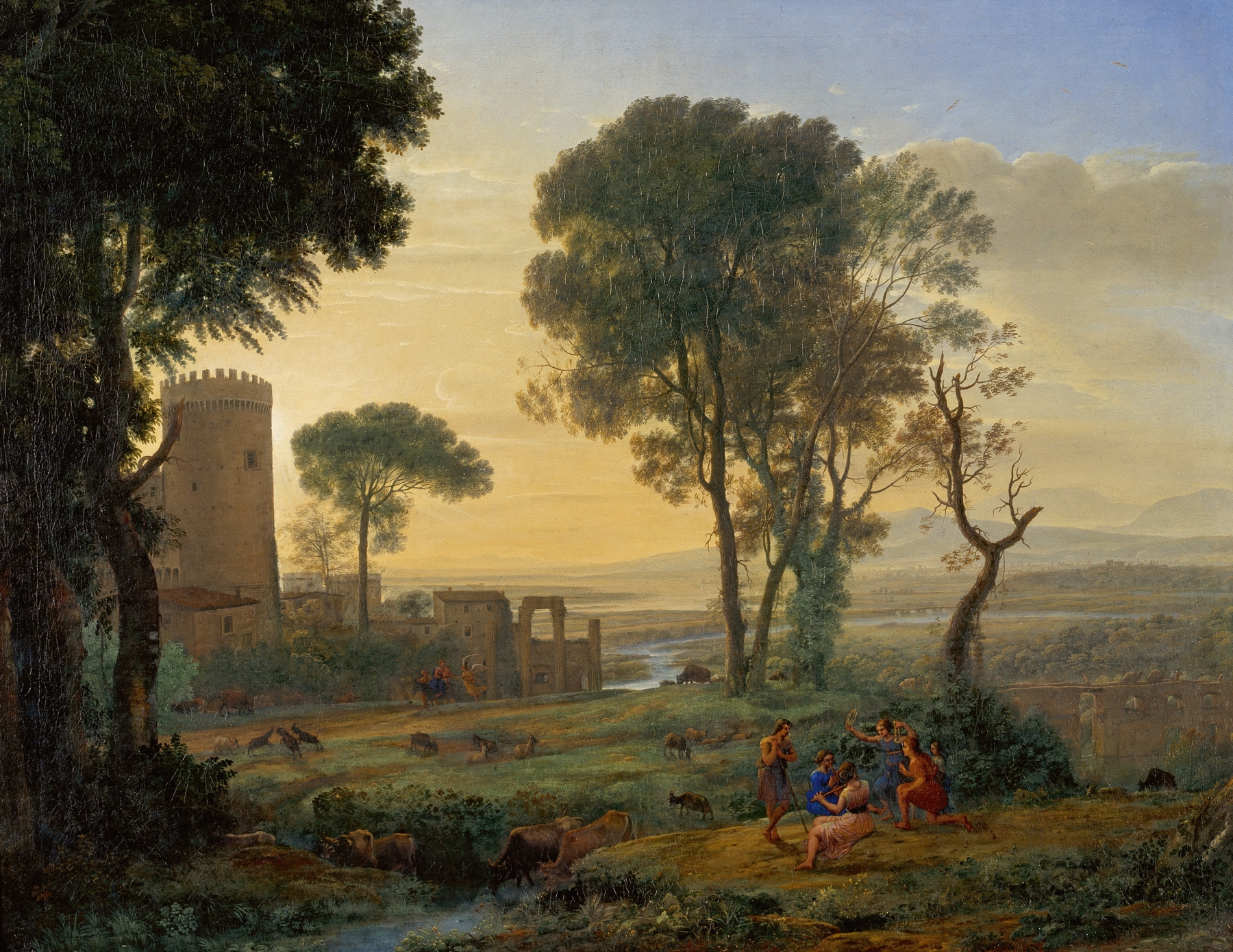
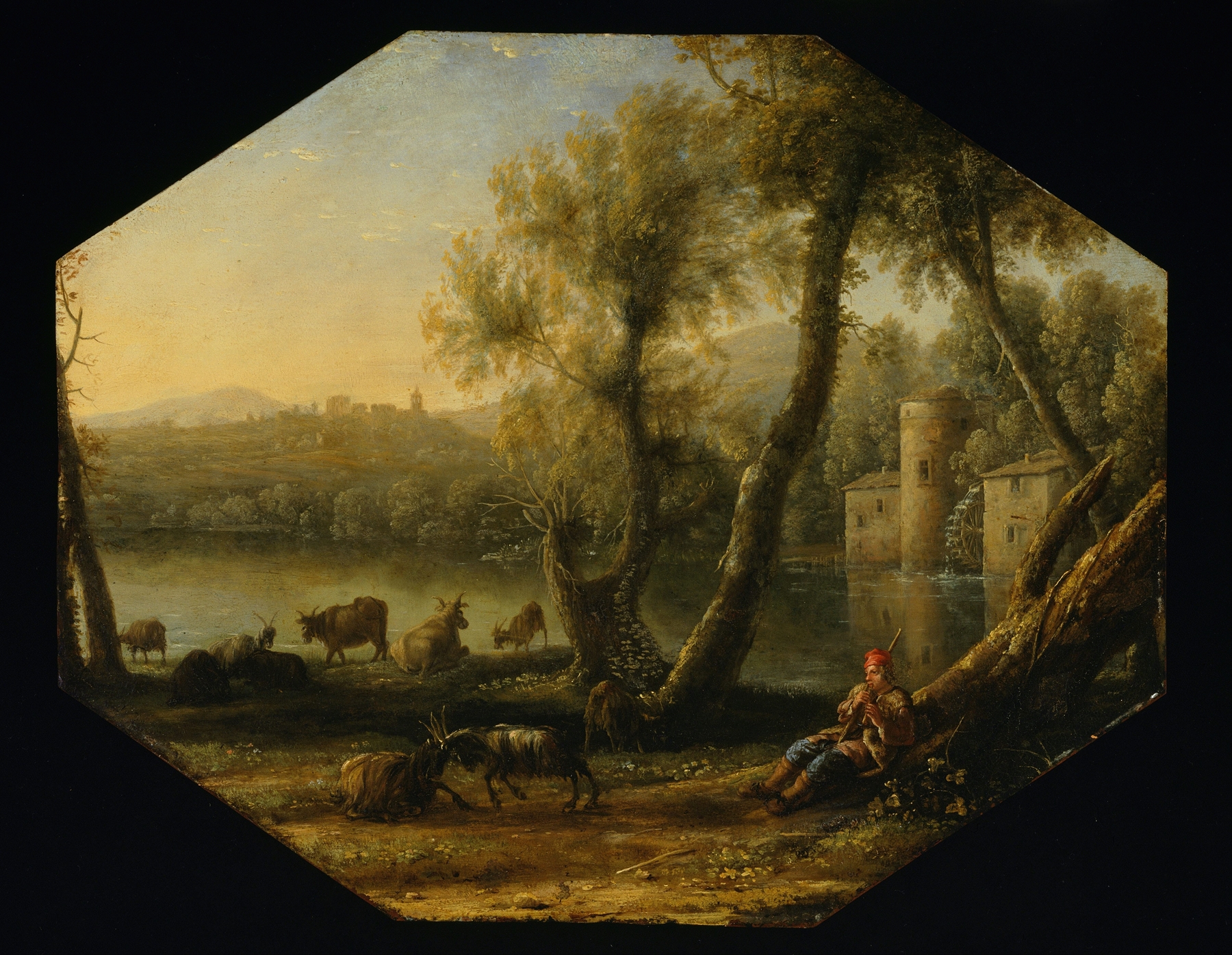
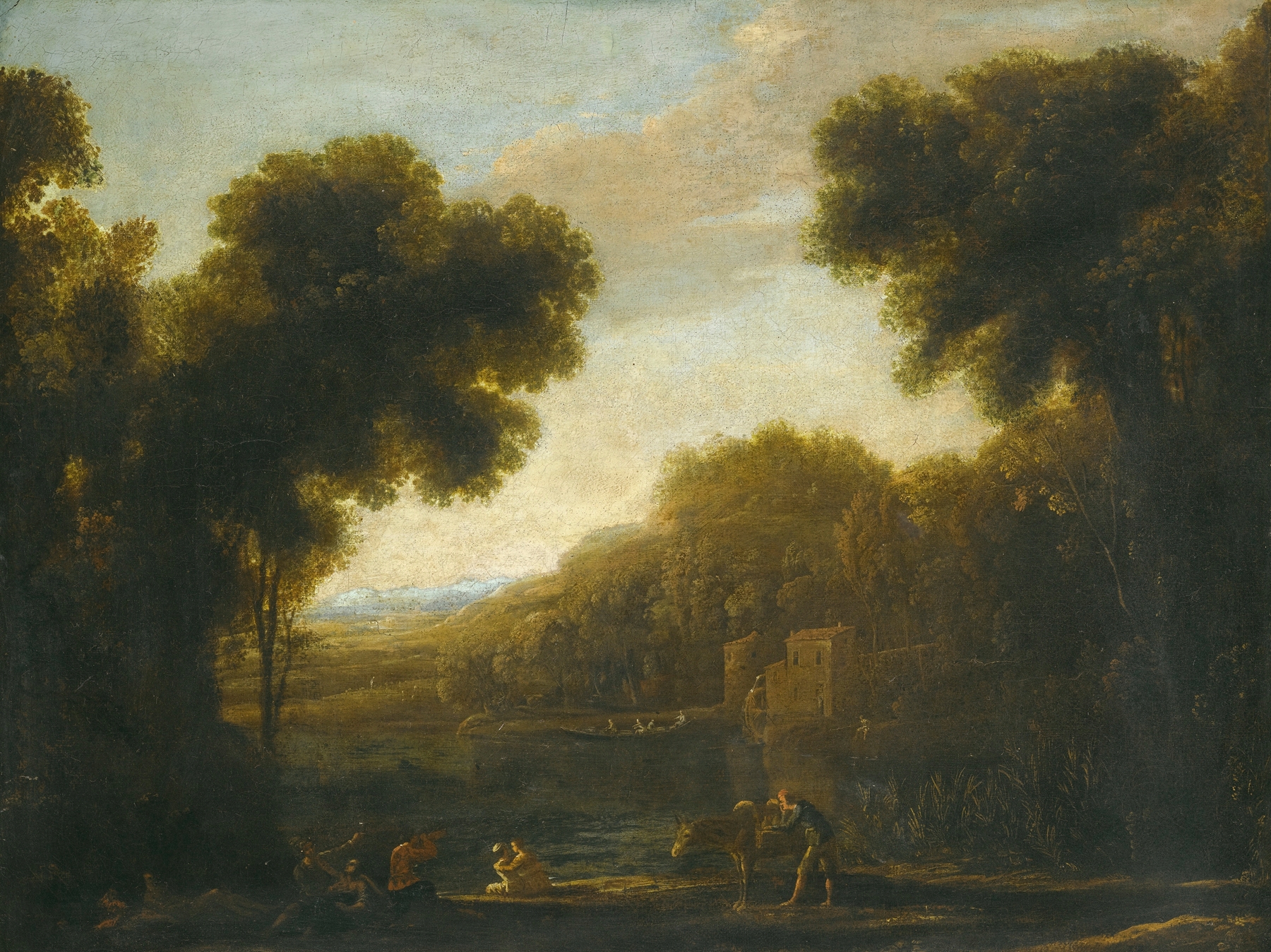
Could beauty survive in a century of chaos? This question reverberates through the tranquil serenity captured in Rest on the Flight into Egypt. Focus on the horizon, where the soft hues of dawn gently embrace the sky, a delicate balance of warm and cool tones. The understated yet deliberate brushstrokes delineate the figures of Mary, Joseph, and the infant Christ, who rest beneath an ancient tree, their peaceful moment highlighted by the ethereal glow of the light filtering through the leaves.
Notice how Lorrain composes the landscape, drawing the viewer's eye toward the distant mountains and the flowing river that cradles the scene, emphasizing the harmony between human experience and the vastness of nature. Beneath this idyllic surface lies a poignant contrast: the stillness of the family juxtaposed against their journey, a reminder of the trials they face. The tree, a silent sentinel, offers both shelter and a temporary respite, symbolizing the fragility of peace amidst disruption. The use of light not only illuminates the figures but also casts shadows, evoking the complexities of faith and survival.
These details invite a deeper contemplation of balance—between safety and peril, serenity and upheaval. Claude Lorrain painted this work in a period marked by tumult in Europe, often surrounded by the shifting tides of political and social change. Though the exact date remains uncertain, it aligns with his matured style in the late 17th century. During this time, the artist was refining his signature blending of natural beauty and allegorical depth, reflecting both his own aspirations and the broader artistic movements that sought harmony within chaos.