Return of the Falconer — History & Analysis
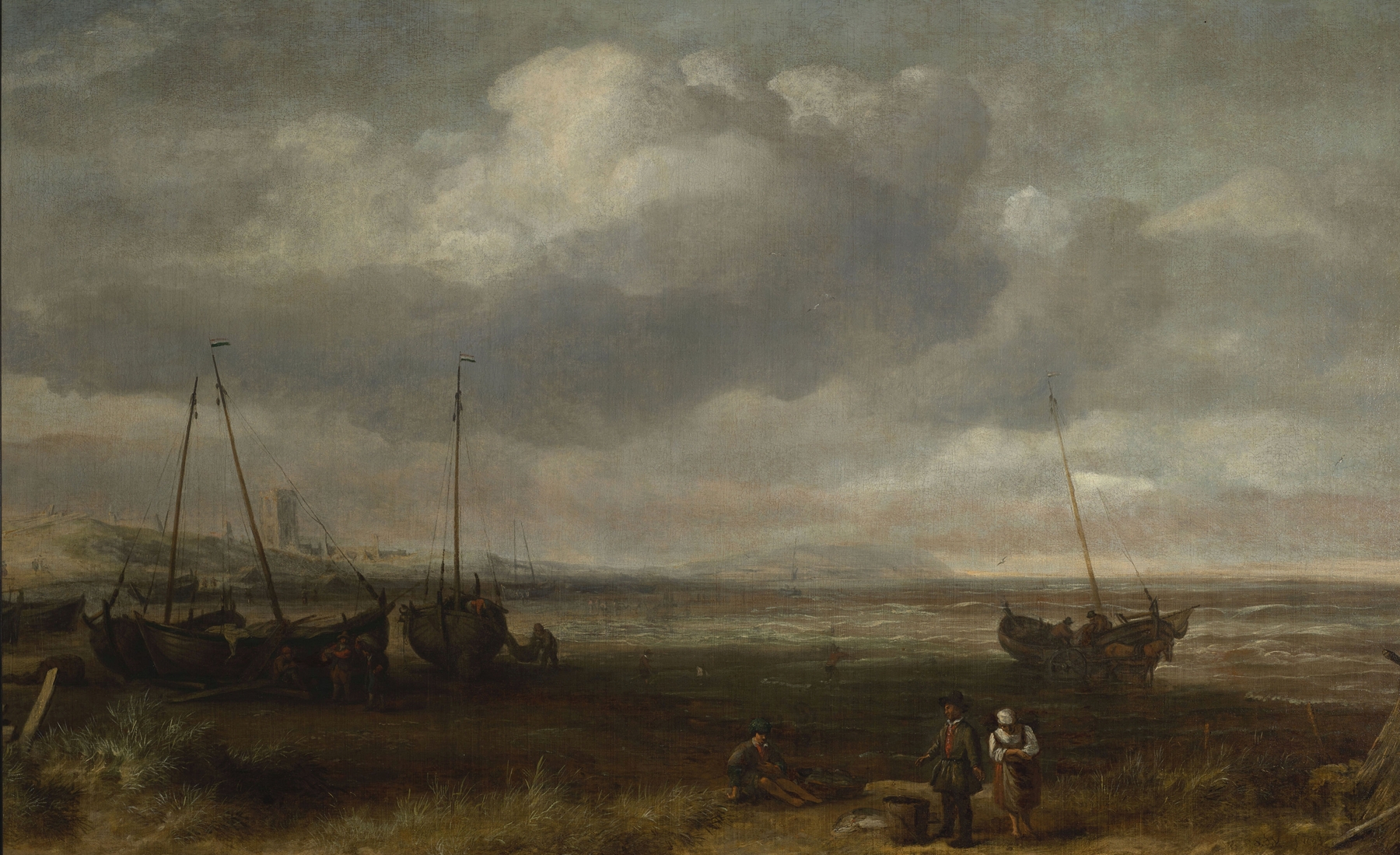
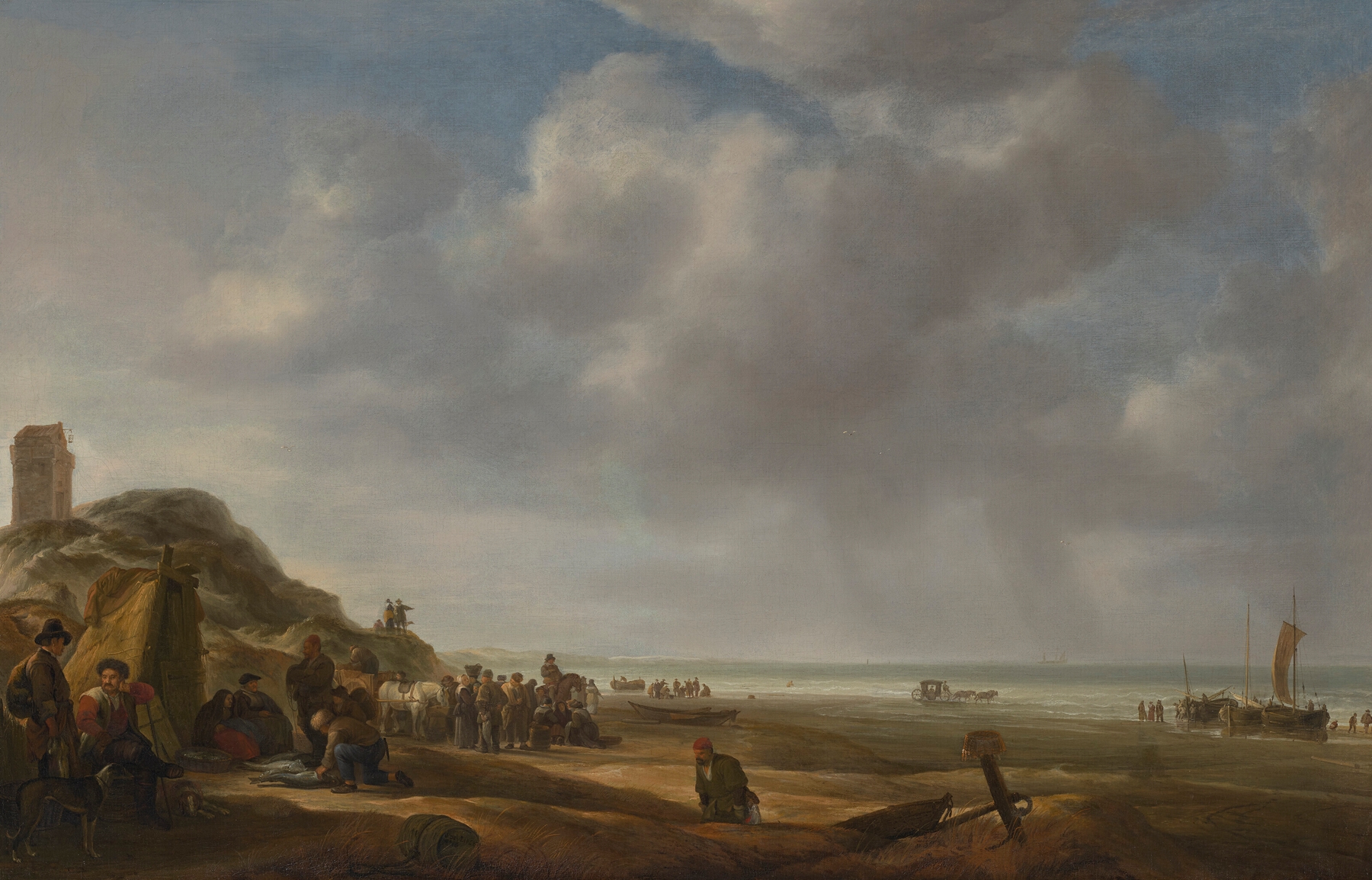
“Every silence here is a confession.” The air is thick with unspoken truths, the weight of absence hanging heavy in the atmosphere. In the quietude of Simon de Vlieger's _Return of the Falconer_, a tale of loss unfolds beneath the surface of serene beauty. Focus initially on the lone figure in the foreground, glancing skyward as if searching for something—perhaps a fleeting memory or a loved one long gone. The falcon perched on his outstretched arm suggests mastery and connection, yet the somber tones of the background cast a pall over the scene.
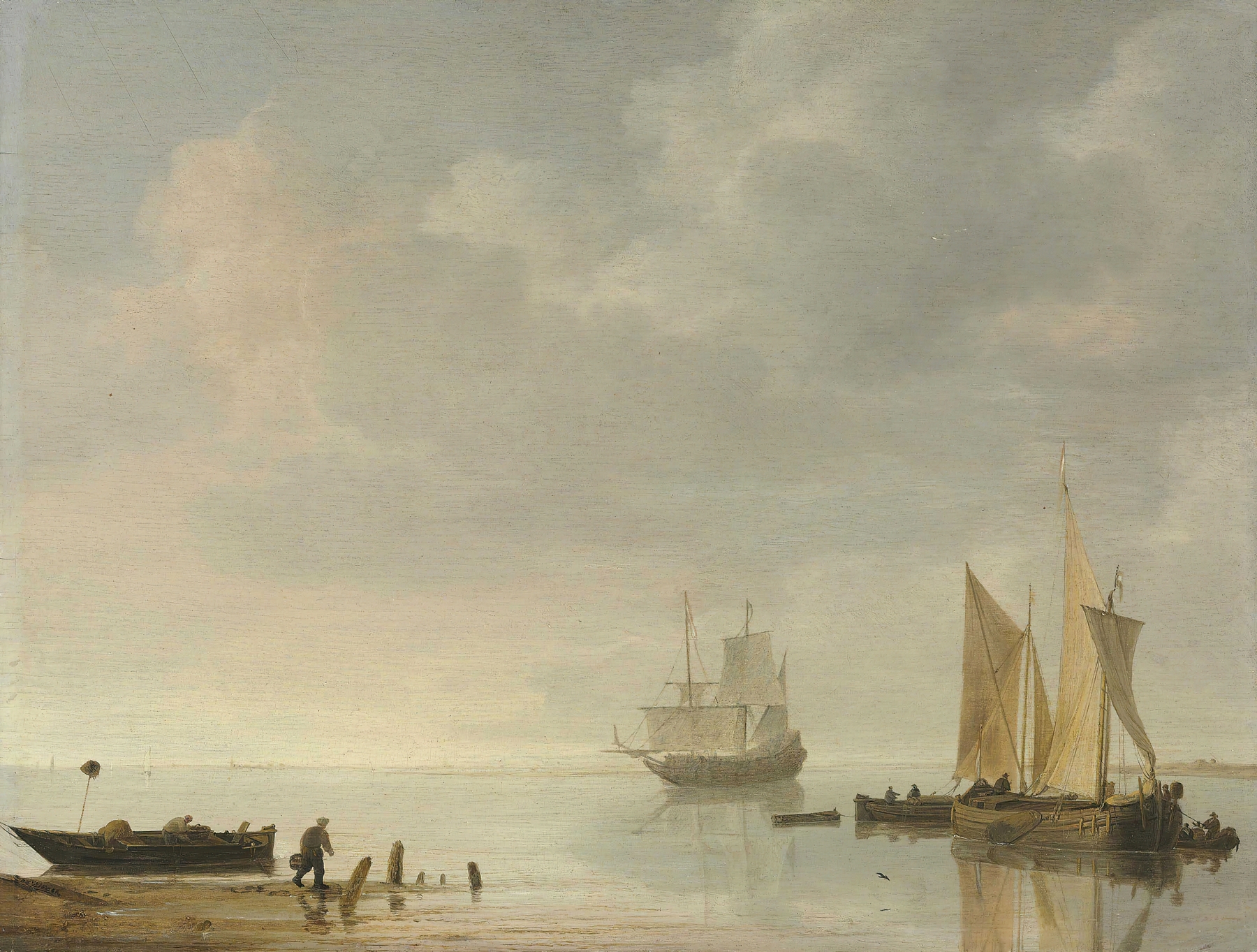
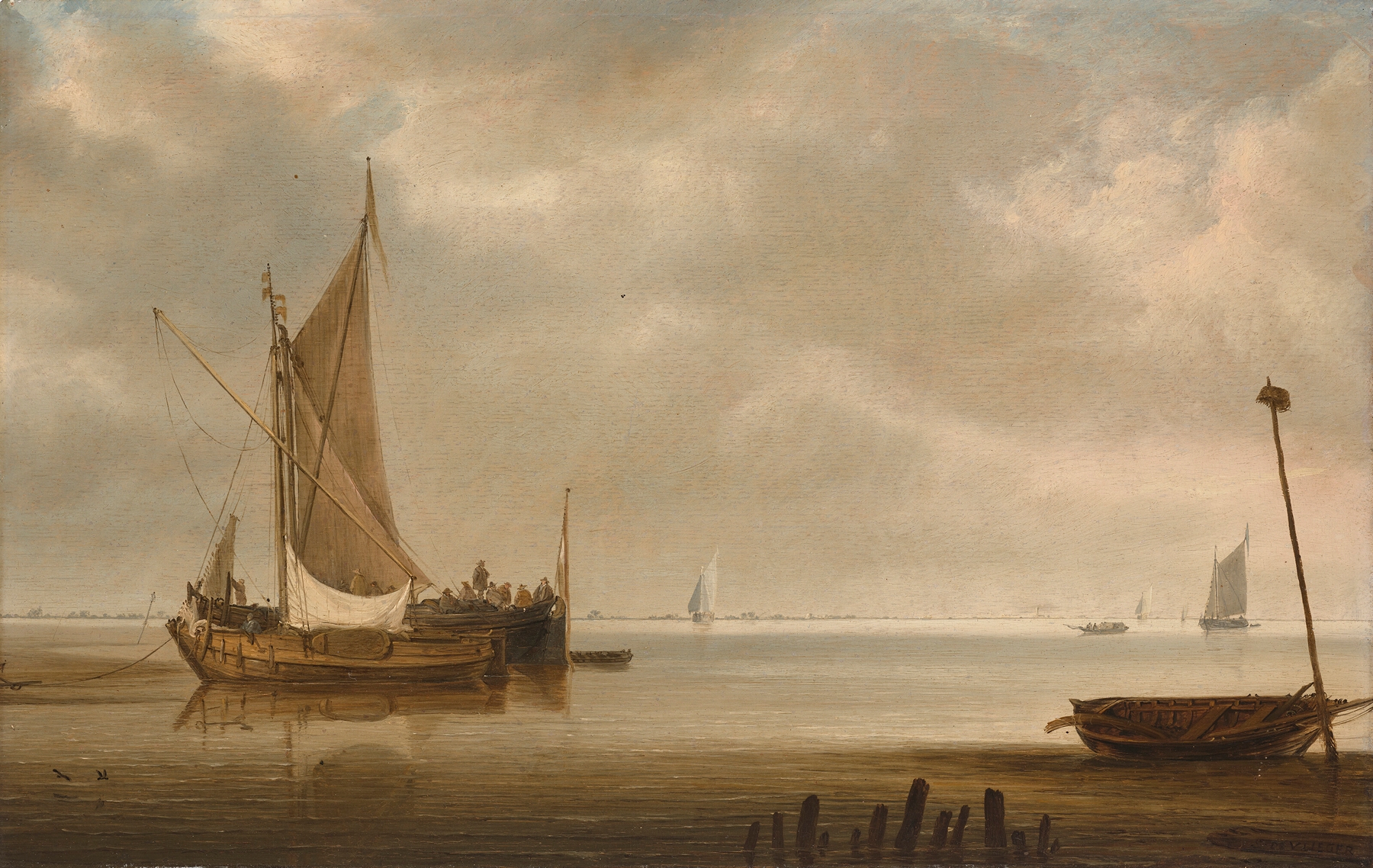
Notice how the light gently illuminates the falcon’s plumage, a striking contrast to the muted earth tones that dominate the landscape, creating a poignant juxtaposition between vitality and sorrow. Delving deeper, the relationship between man and bird evokes a profound sense of longing, as if the falcon represents lost companionship or unfulfilled dreams. The sparse vegetation surrounding them hints at barrenness, accentuating feelings of solitude. Moreover, the boats in the distance, anchored at the shoreline, suggest a journey that has reached a standstill—a metaphor for the stasis that often follows loss.
In 1637, the artist was entrenched in the Dutch golden age of painting, a time when the exploration of human emotion began to flourish within the art world. De Vlieger's work reflects this trend, capturing the complexities of human experience amidst a backdrop of political and social change. His focus on such intimate themes amidst broader societal shifts marks this period as pivotal, both for the artist and the evolving narrative of art itself.