River Landscape — History & Analysis
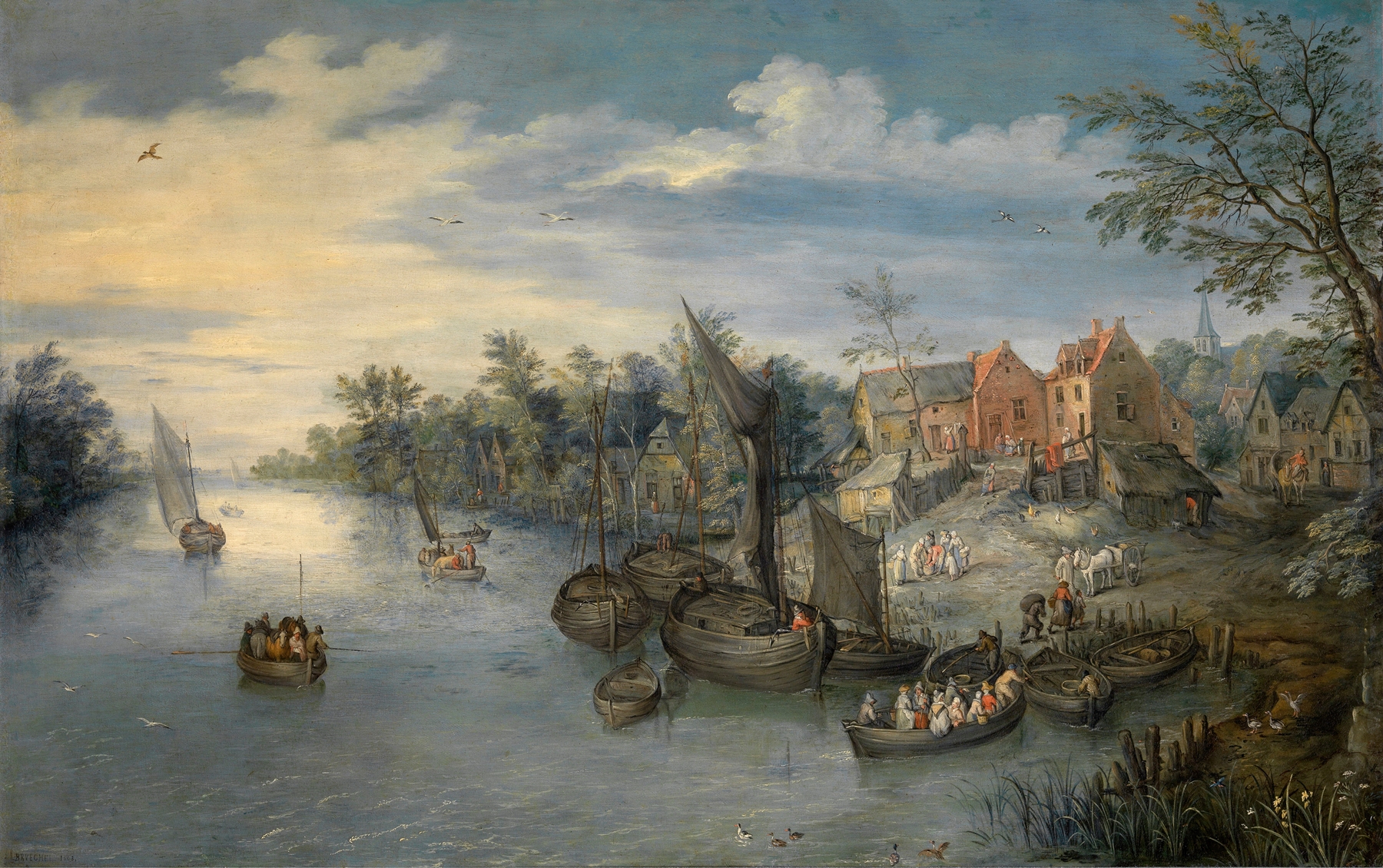
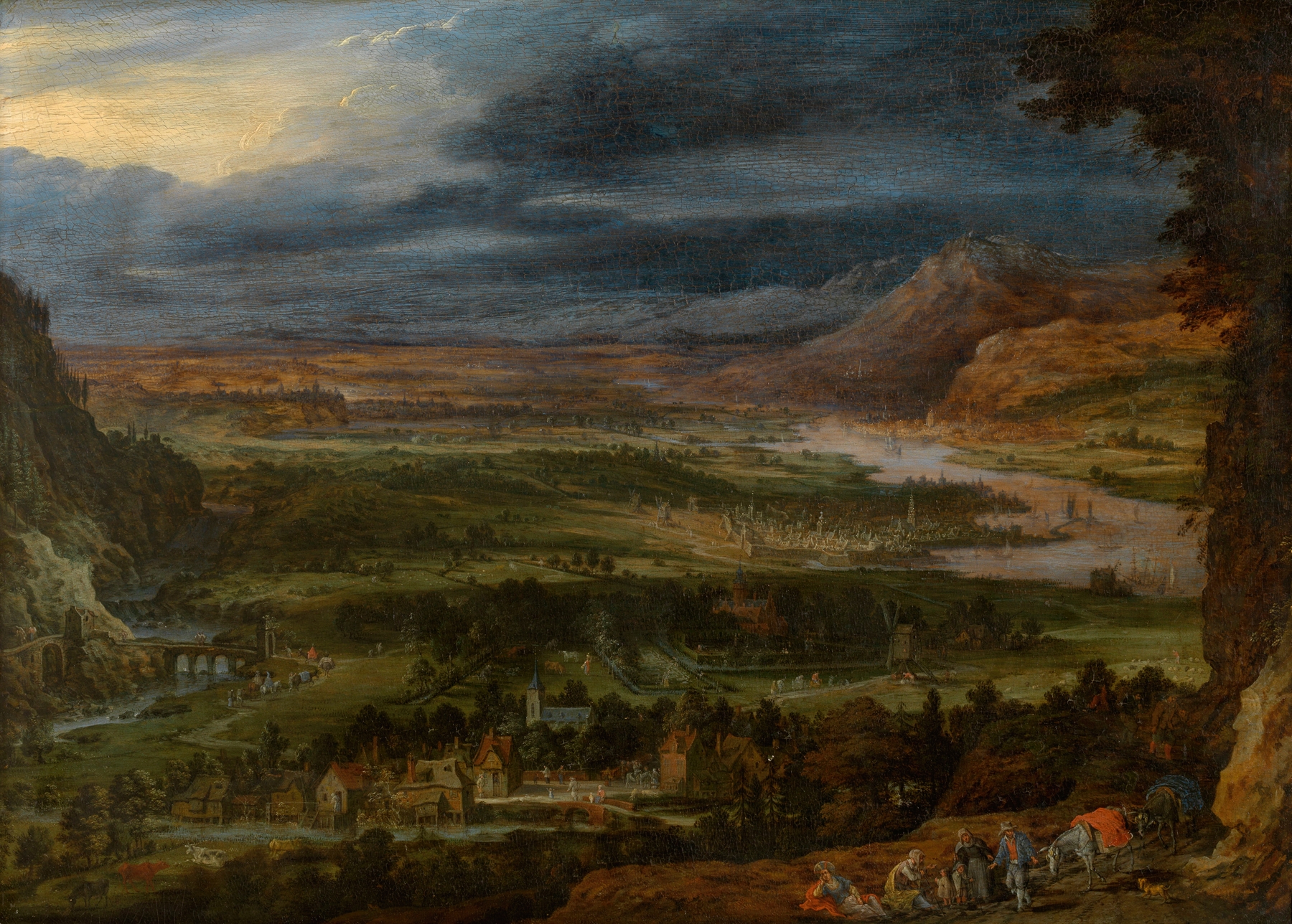
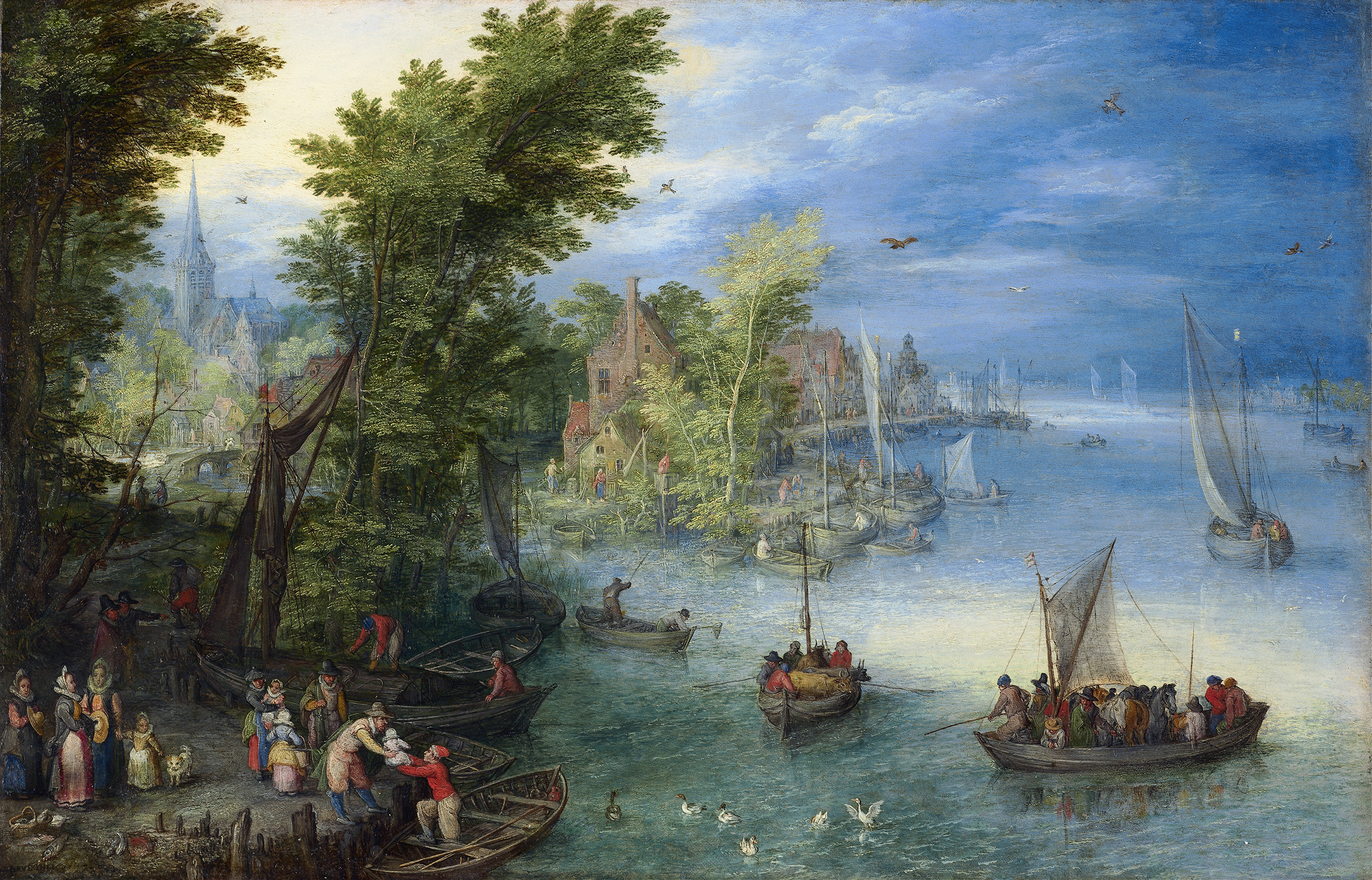
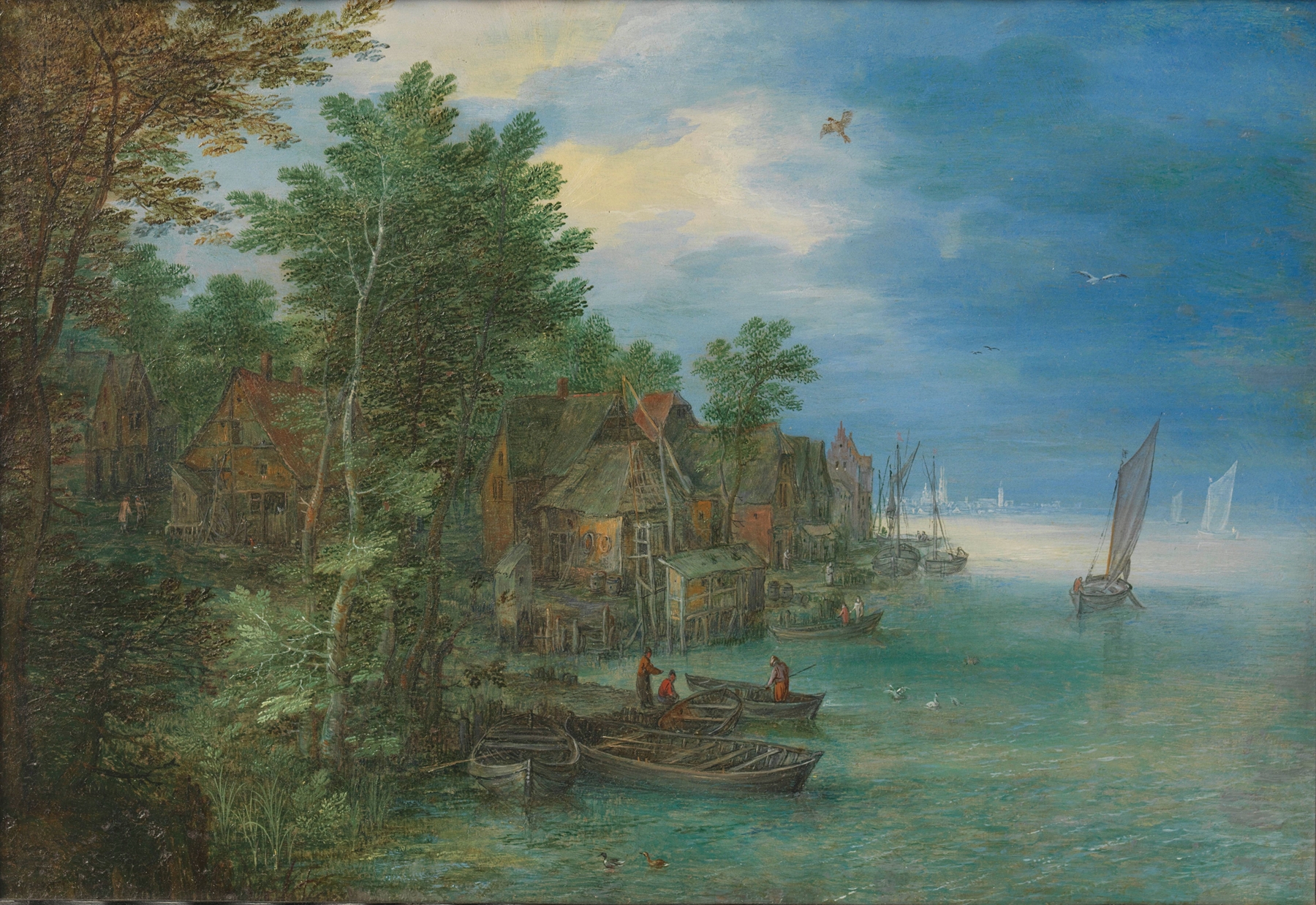
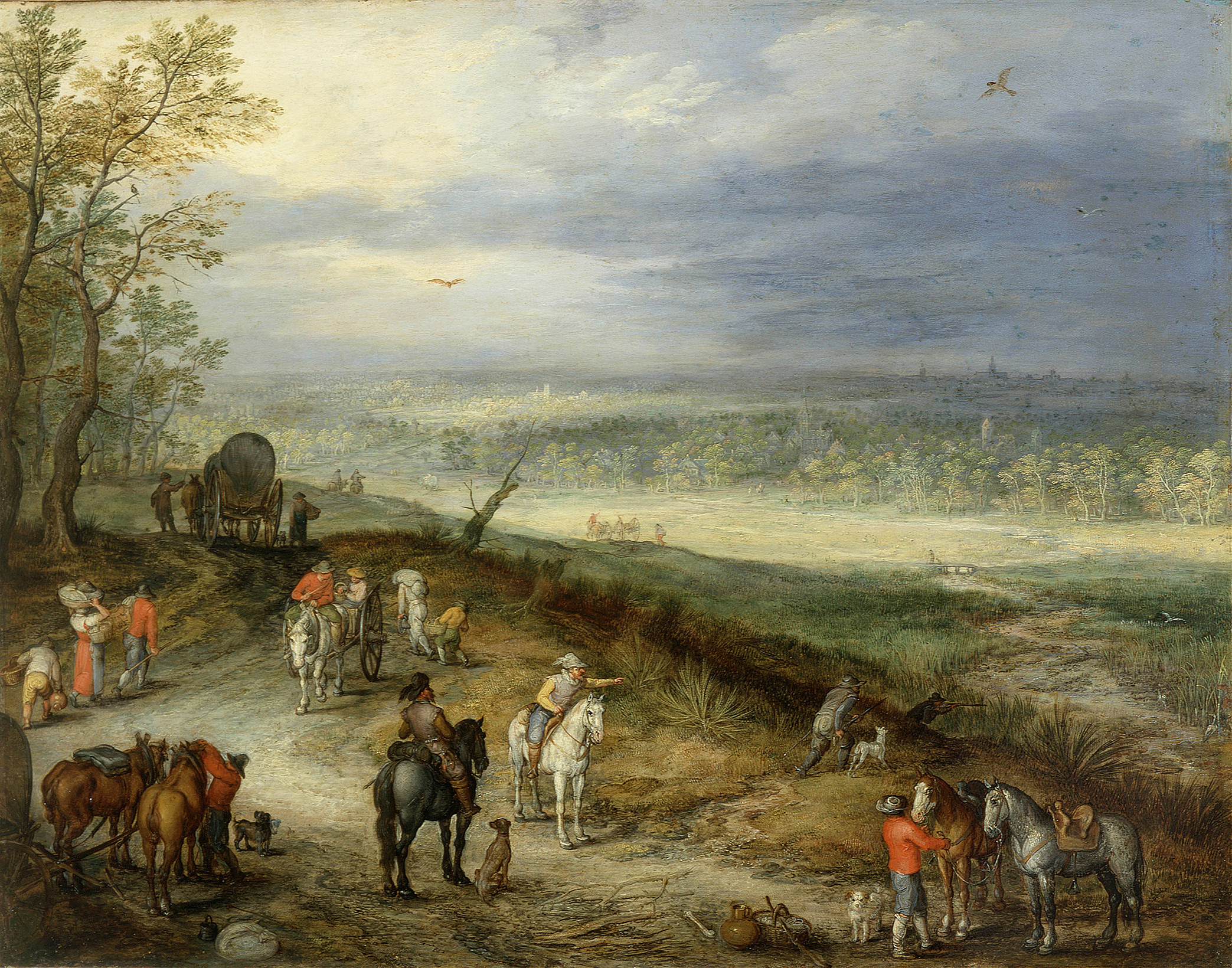
“Between color and silence, truth hides.” In a world where every hue expresses our innermost fears, how do we confront the vastness that lies beyond the canvas? Look to the foreground of the painting, where a serpentine river catches the light, glimmering like shards of broken glass. The soft blues and greens evoke a sense of tranquility, yet there’s an unsettling tension in the stark contrast of the dark trees that loom on the banks. Notice how the artist's delicate brushwork captures the shimmering reflections in the water, guiding your eye into the deeper recesses of the scene, where the horizon blurs into an ethereal twilight.
Delve further into the landscape, and you’ll see hints of what lies beneath this serene surface. The turbulent undercurrents of emotion are echoed in the way the clouds gather ominously on the horizon, as if foreshadowing a storm. There’s a juxtaposition of beauty and foreboding, as the lush foliage shelters both life and a sense of entrapment, suggesting that peace often masks deeper fears. The meticulous attention to detail invites introspection while simultaneously provoking anxiety in the viewer.
In 1612, Jan Brueghel the Elder worked in Antwerp, a city flourishing with artistic innovation yet marked by political and social upheaval. It was a time when landscapes began to reflect not just the beauty of nature but the complexities of human emotion. Brueghel, a master of the still life and landscape genre, was exploring motifs that revealed the duality of existence, bridging the gap between the natural world and our internal struggles.