River Landscape — History & Analysis
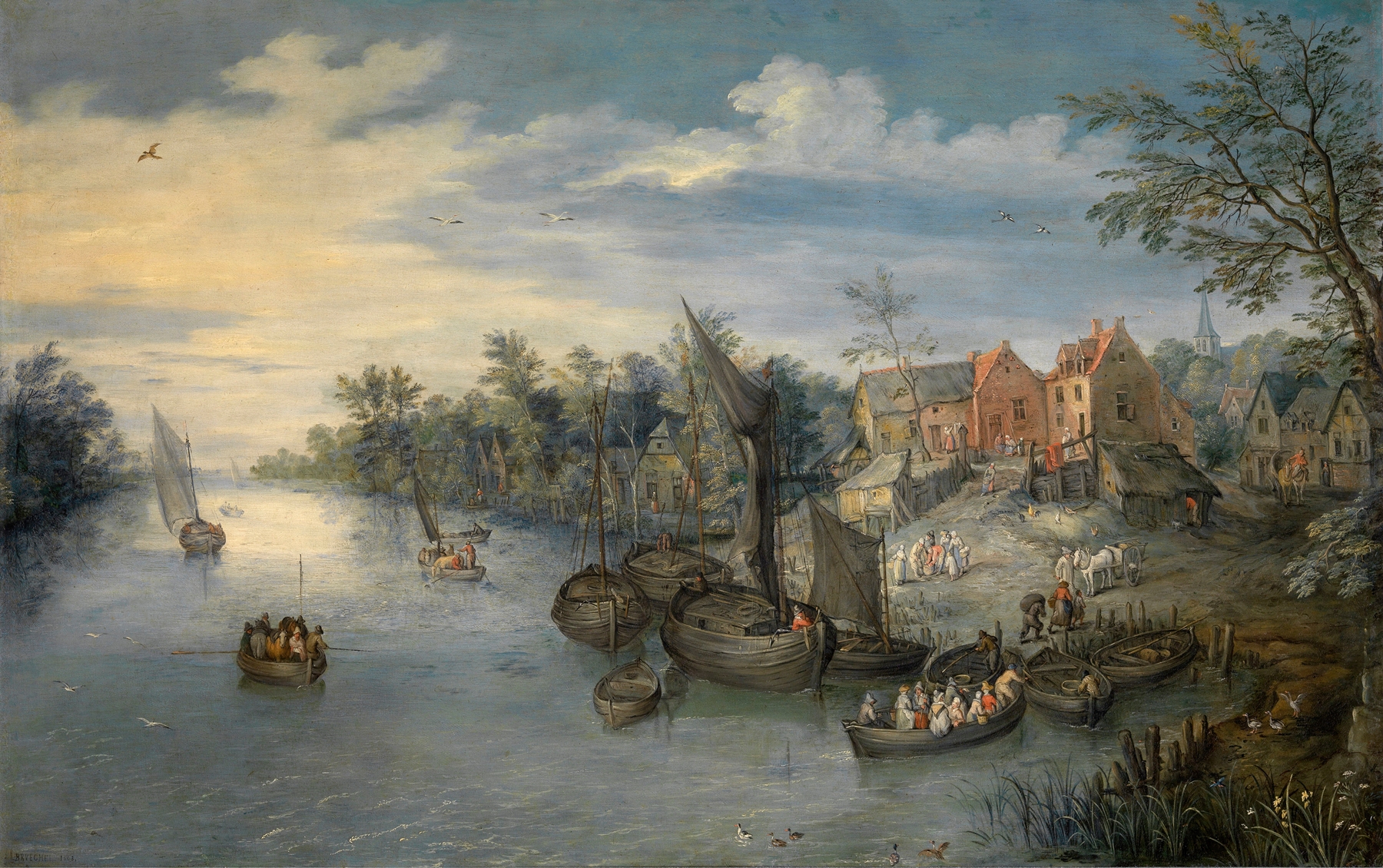
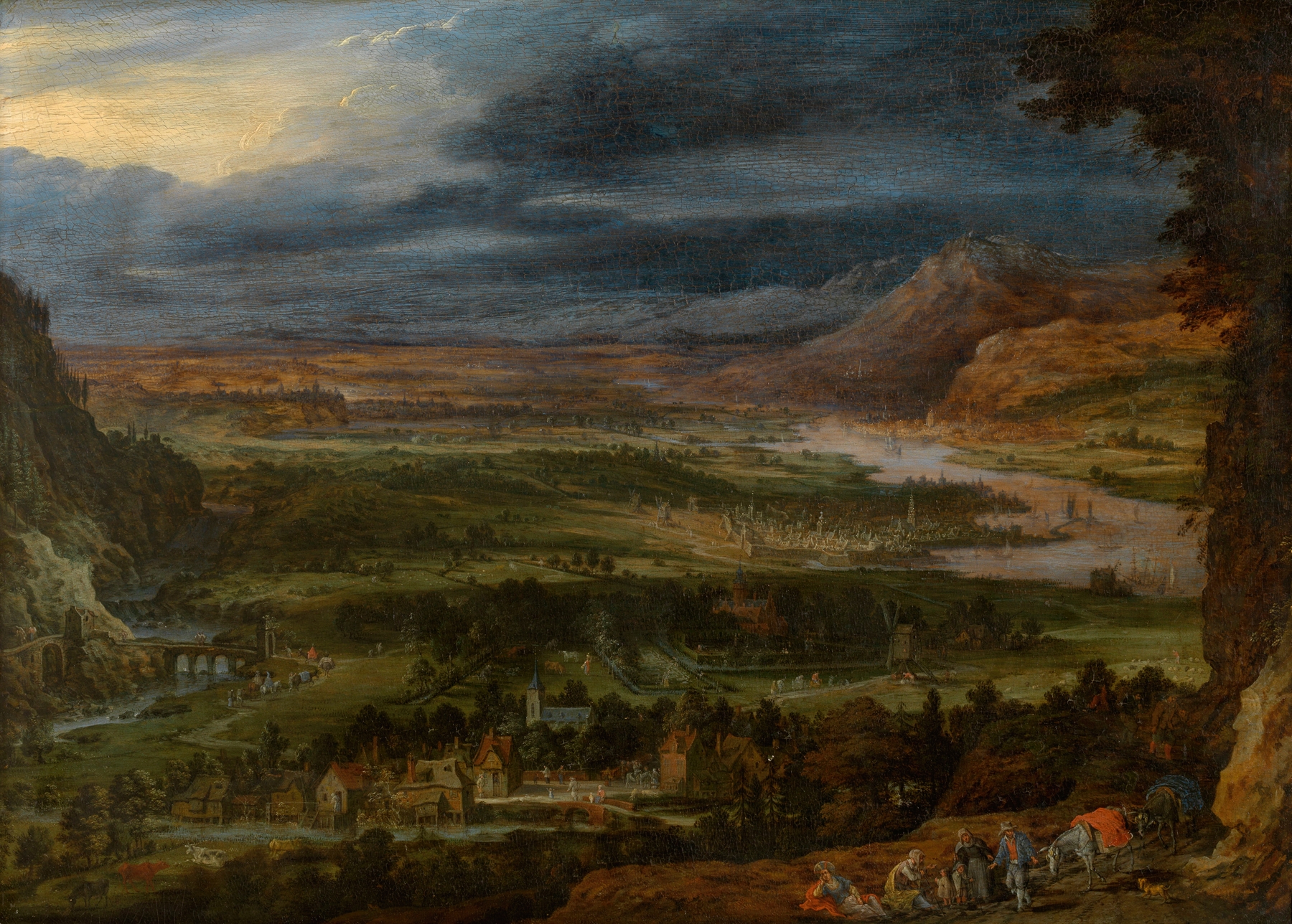
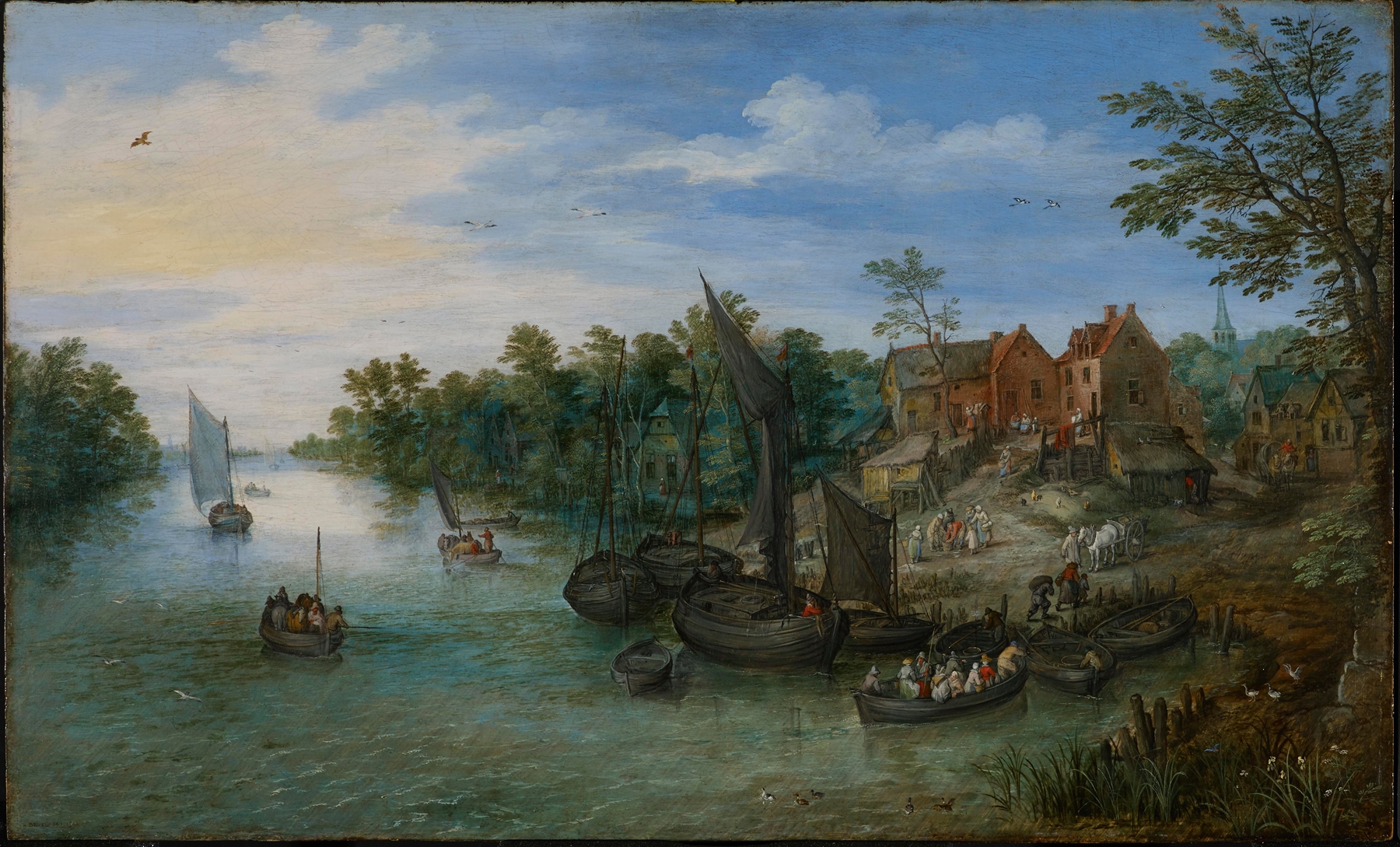
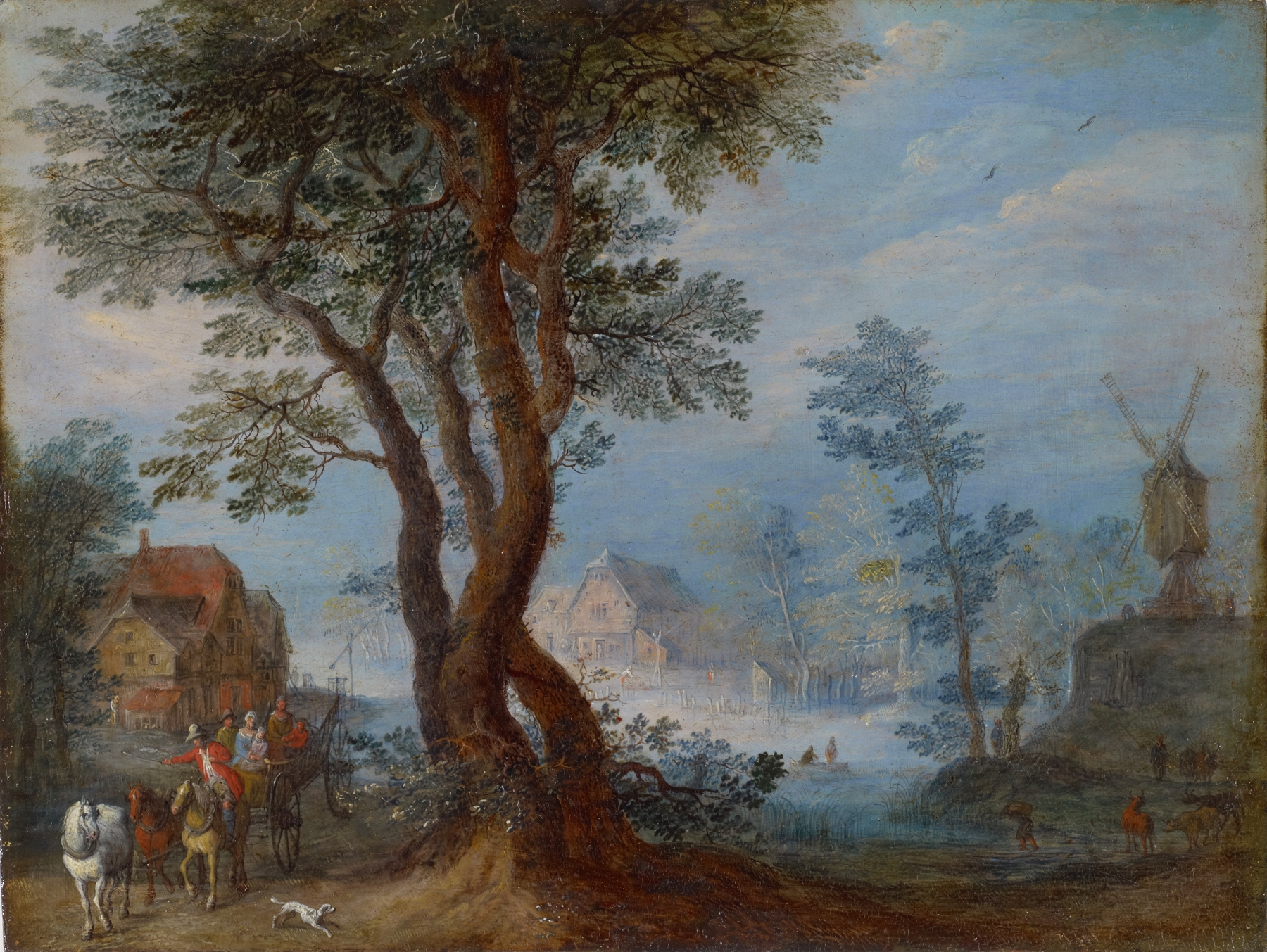
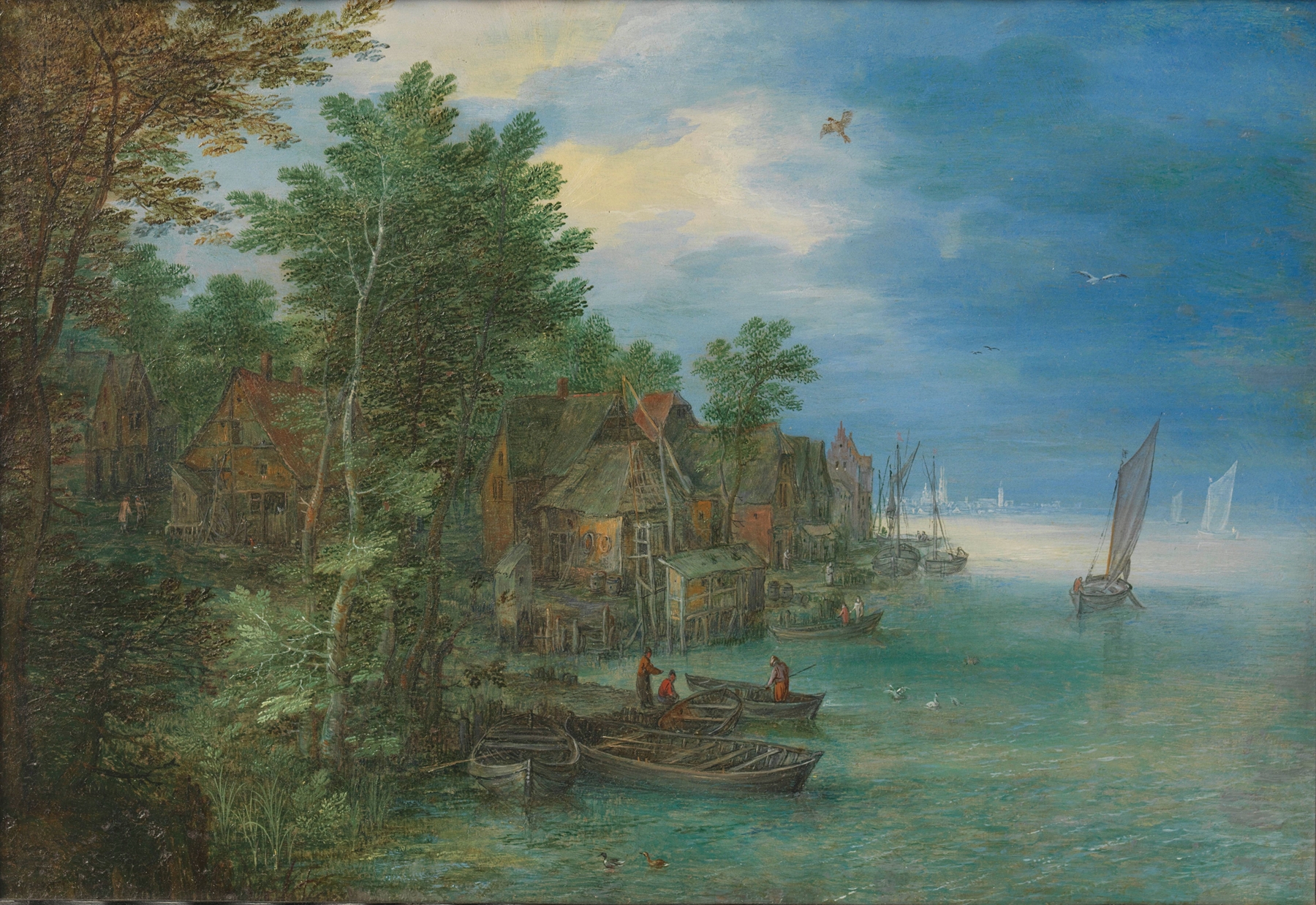
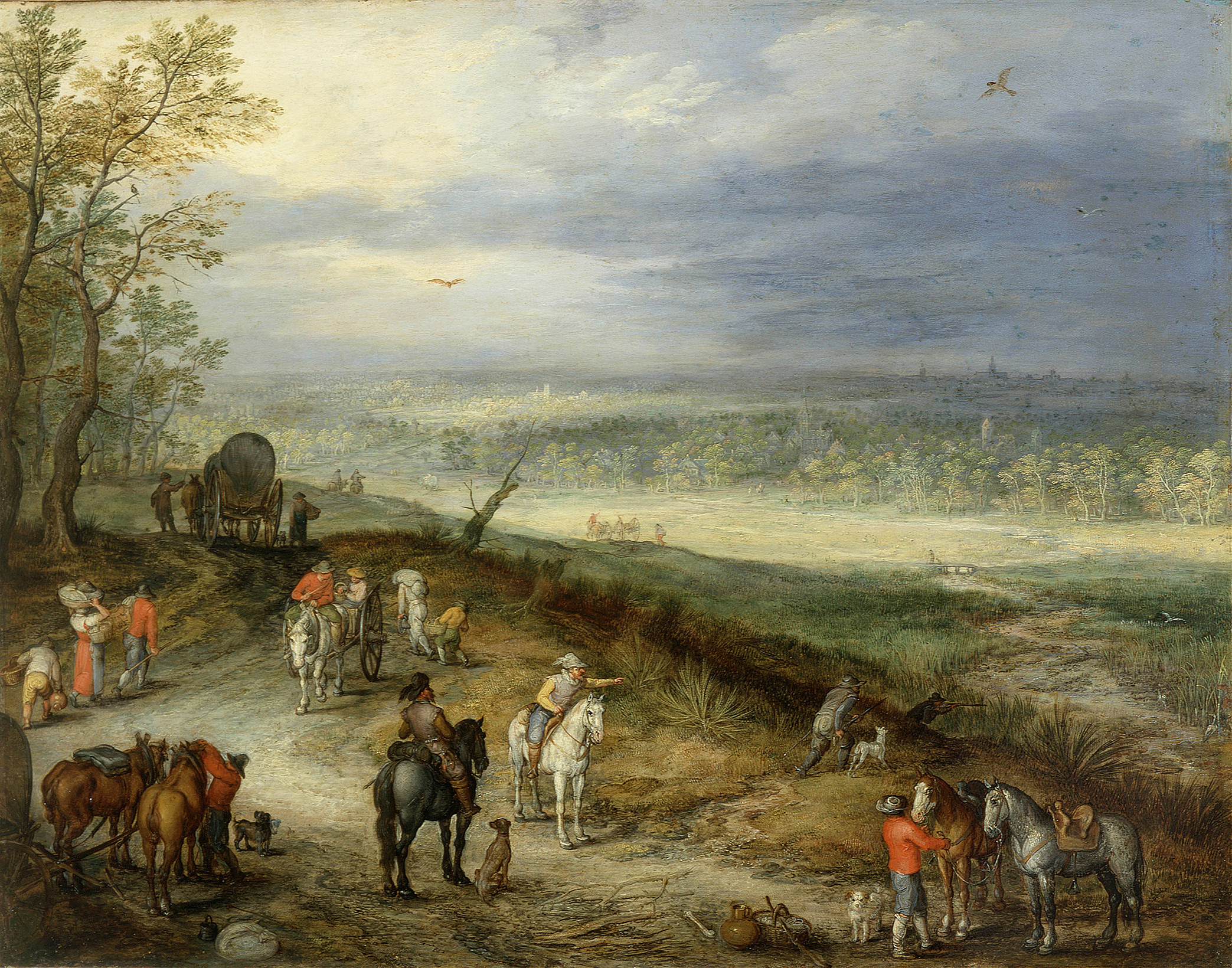
What secret hides in the quiet of the canvas? Beneath the vibrant greens and blues of the landscape, River Landscape invites us to explore the depths of its stillness and the solitude that beckons from its shores. Look closely at the lower right corner; the water glimmers in a serene embrace of light, reflecting the soft hues of the sky above. The meticulous brushstrokes create a sense of fluidity, guiding the viewer's gaze along the winding river while the lush foliage frames the scene.
Every element, from the delicate clouds to the distant hills, is balanced in harmony, yet there is an undeniable undercurrent of emptiness that permeates the composition. This stillness evokes a contemplative tension—while nature thrives in vibrant color, the absence of human presence leaves a profound silence hanging in the air. The vibrant palette suggests life thriving in the surroundings, yet the empty banks of the river seem to whisper of isolation and longing, posing a stark contrast between vitality and absence. Hidden within the landscape lies a reflection on the nature of existence: beauty coexists with the void.
In 1607, Jan Brueghel the Elder painted River Landscape during a period of significant artistic innovation in Flanders. This era marked a transition from vibrant religious themes to more secular subjects, reflecting changing societal values. Brueghel was firmly entrenched in this movement and sought to capture the sublime beauty of nature, often emphasizing intricate details and the interplay of light, which would prove influential for generations of artists to come.