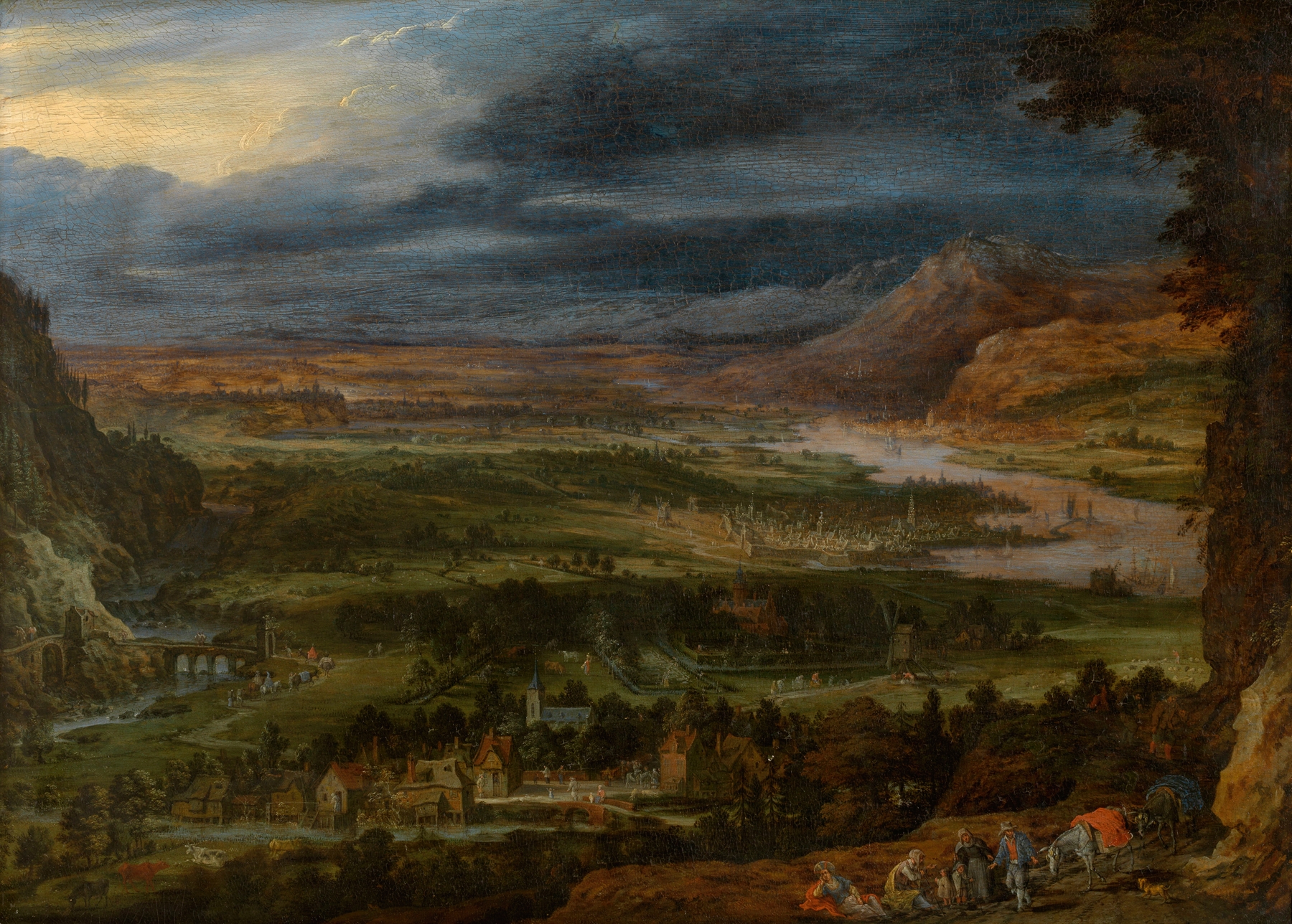
View in a Valley from the Edge of a Mountain Road — History & Analysis
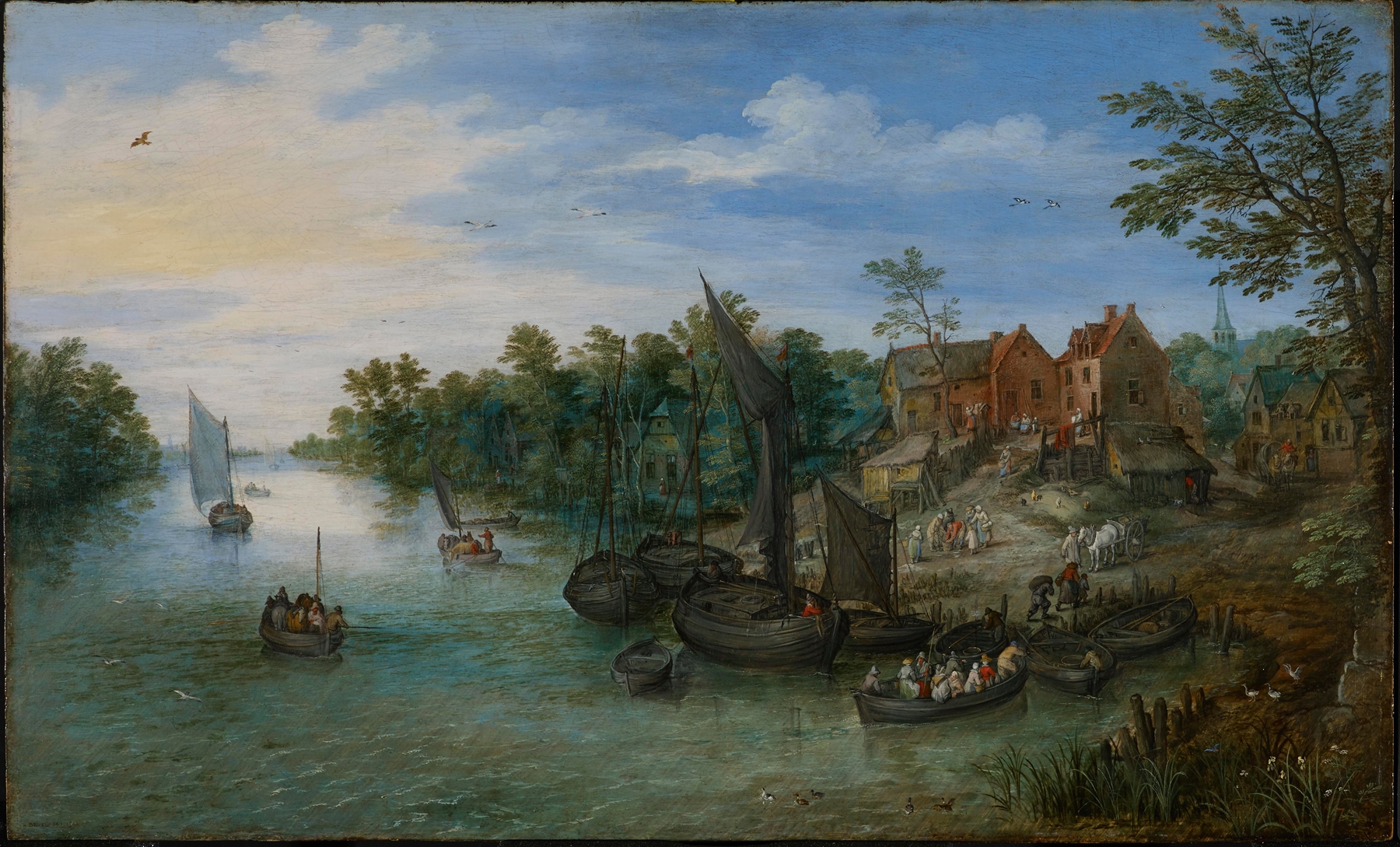
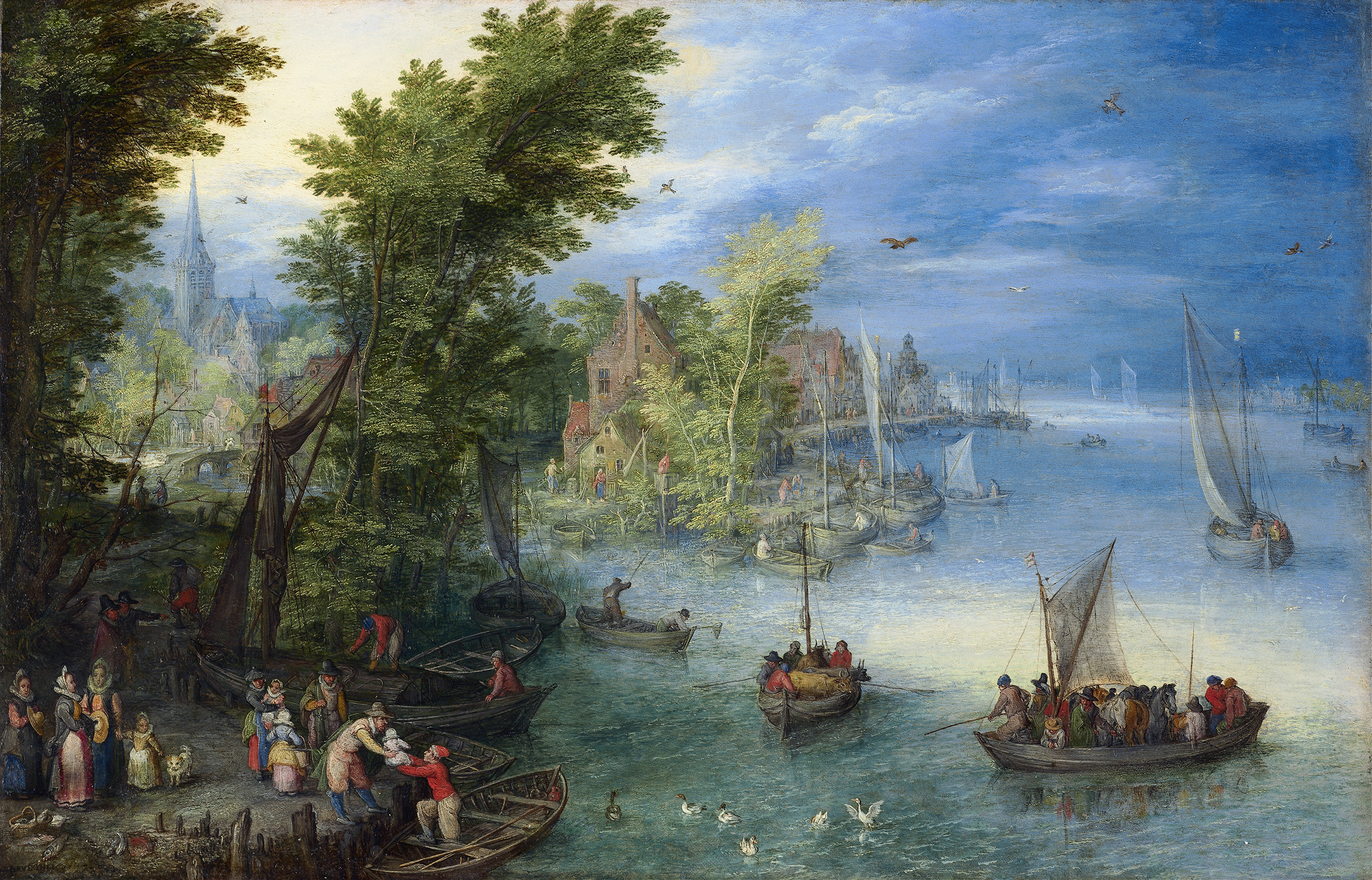
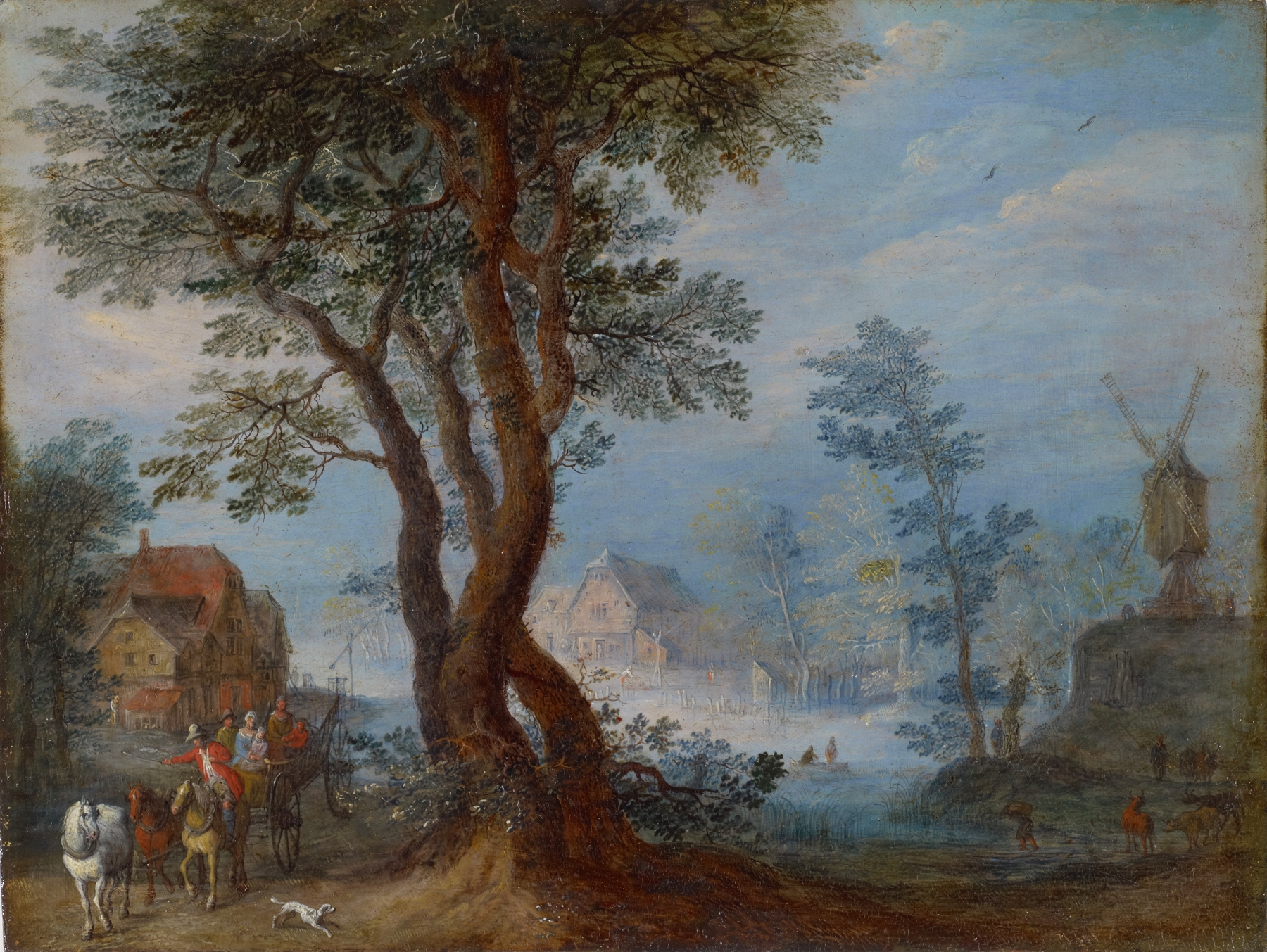
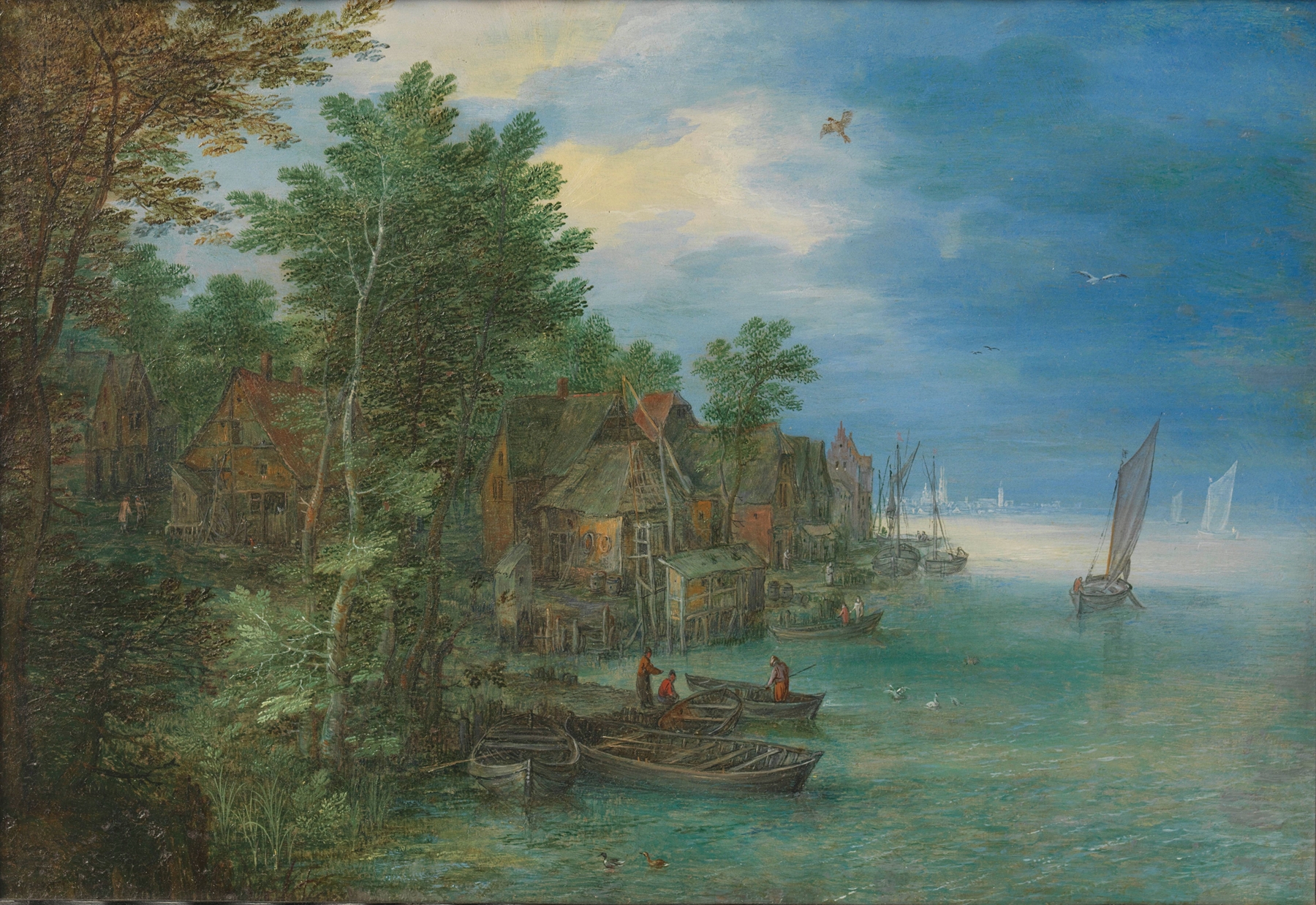
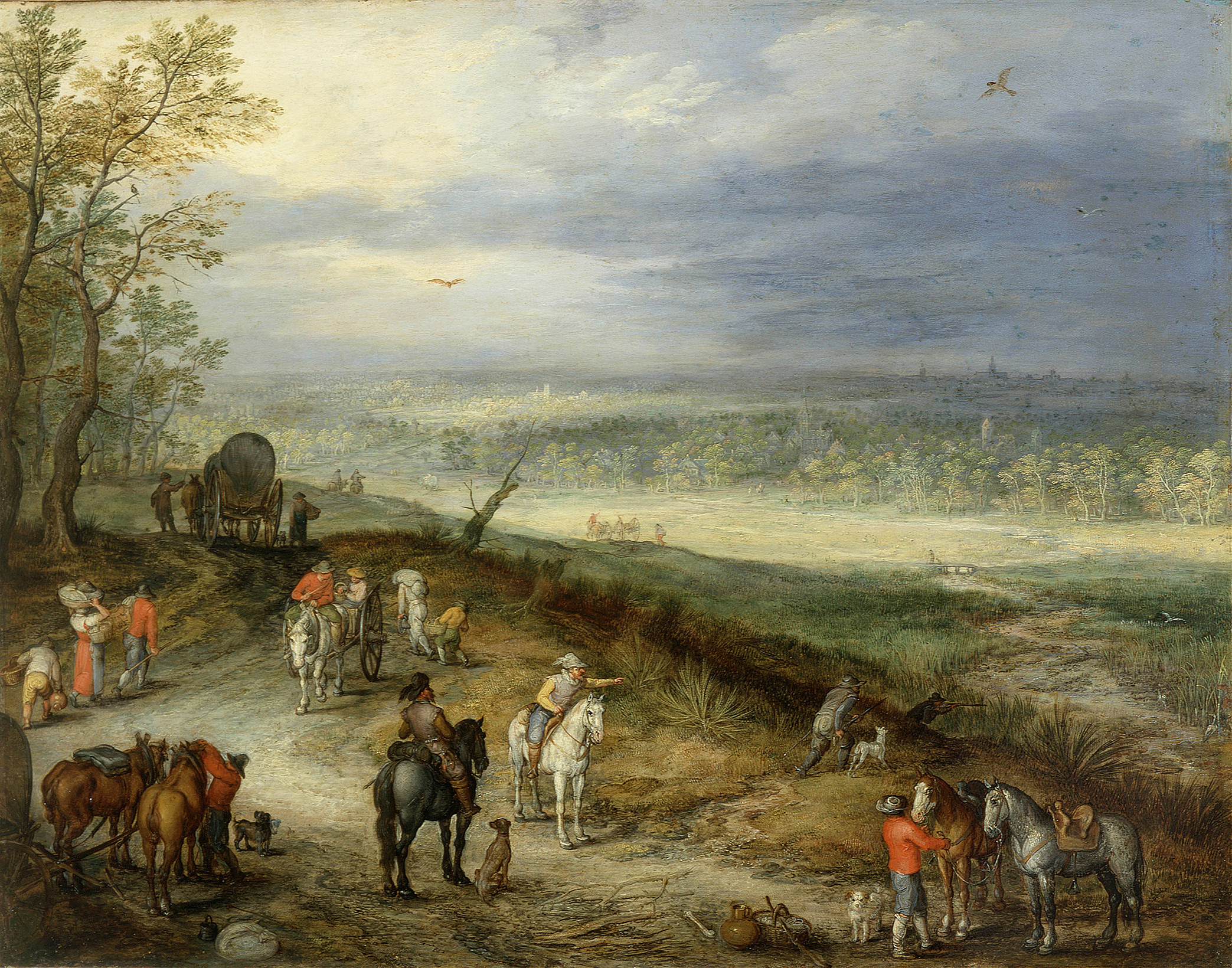
“Under the brush, chaos becomes grace.” In the realm of art, the interplay of light and shadow often mirrors the depths of our emotional landscapes. What happens when a void fills a canvas with life? Look to the center of View in a Valley from the Edge of a Mountain Road, and you’ll find a breathtaking vista unfurling beneath a dramatic sky. The sweeping valley sprawls out, dotted with tiny figures that suggest human presence amidst the grandeur of nature. Notice how the light falls upon the lush, verdant fields, illuminating the dynamic contrast between the bright greens and the ominous, brooding clouds above.
The meticulous detailing of trees and the winding path draws your gaze, inviting you to wander through this painted world. Yet, as you delve deeper, a sense of tension emerges from the harmonious beauty. The juxtaposition of the serene landscape against the looming clouds hints at nature's unpredictable spirit, evoking feelings of both wonder and foreboding. The tiny figures, dwarfed by their surroundings, symbolize the fragility of human existence in the face of a vast, indifferent universe.
This contrast between the delicate tranquility of the scene and the underlying chaos of nature encapsulates the duality of beauty and danger. In the 17th century, Jan Brueghel the Elder was crafting this masterpiece during a period of artistic flourish in Flanders, a time when landscapes began to gain prominence. He painted in a world where the significance of nature was increasingly celebrated, reflecting both the bounty and the volatility of the earth. Brueghel's attention to detail and his exploration of light would influence generations of artists, solidifying his place in the landscape tradition.