Wooded Landscape with Figures — History & Analysis
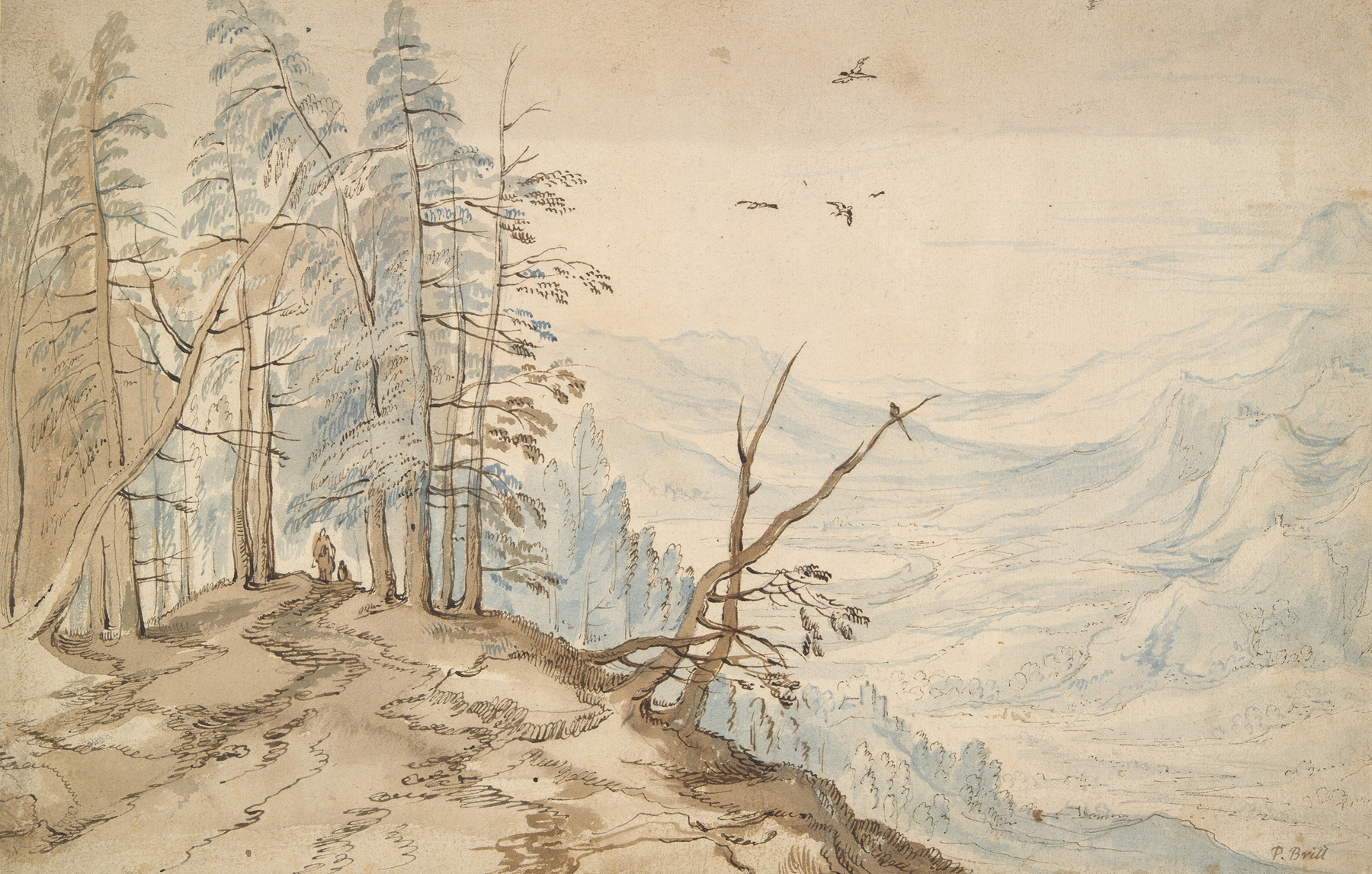
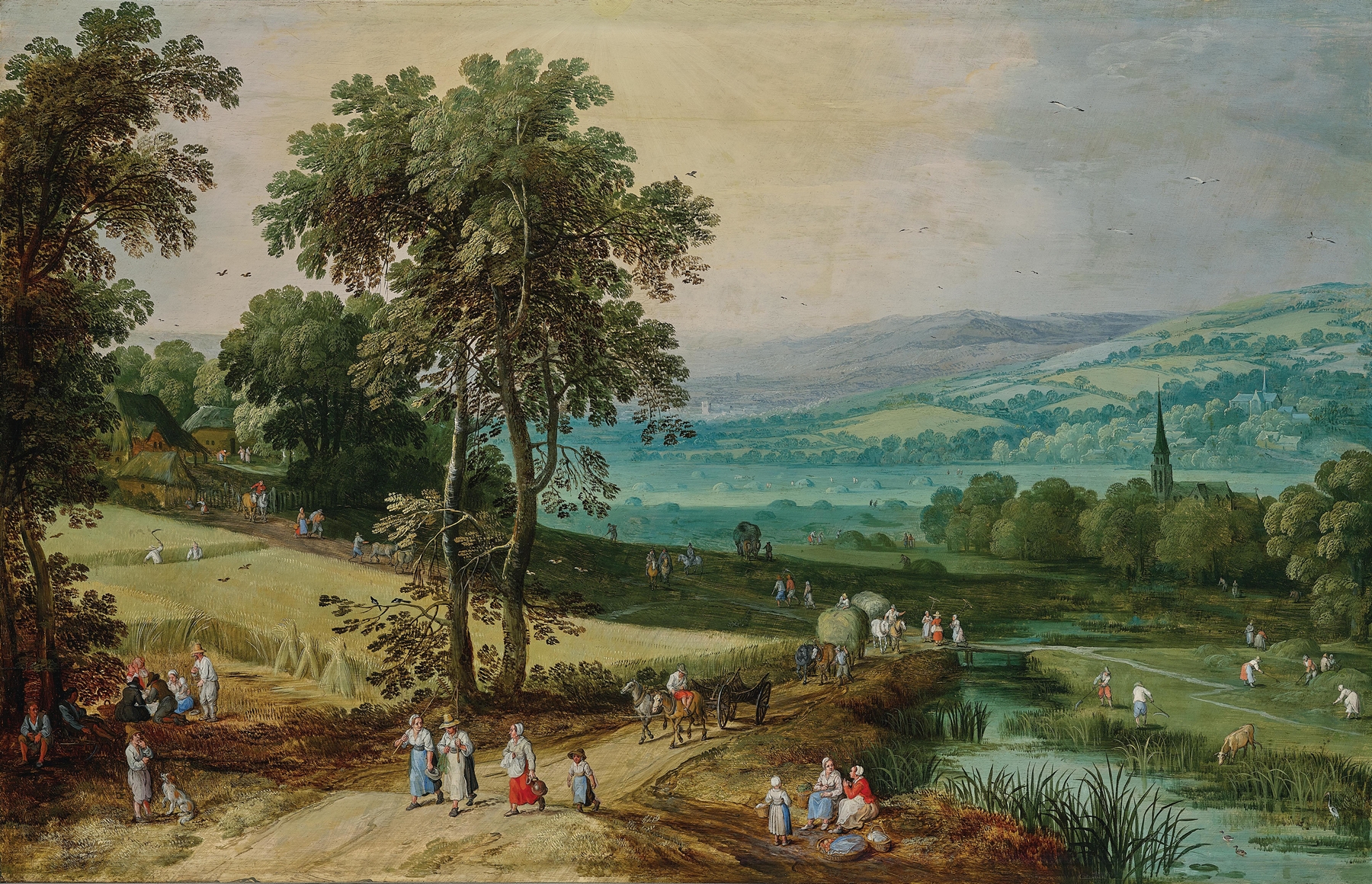
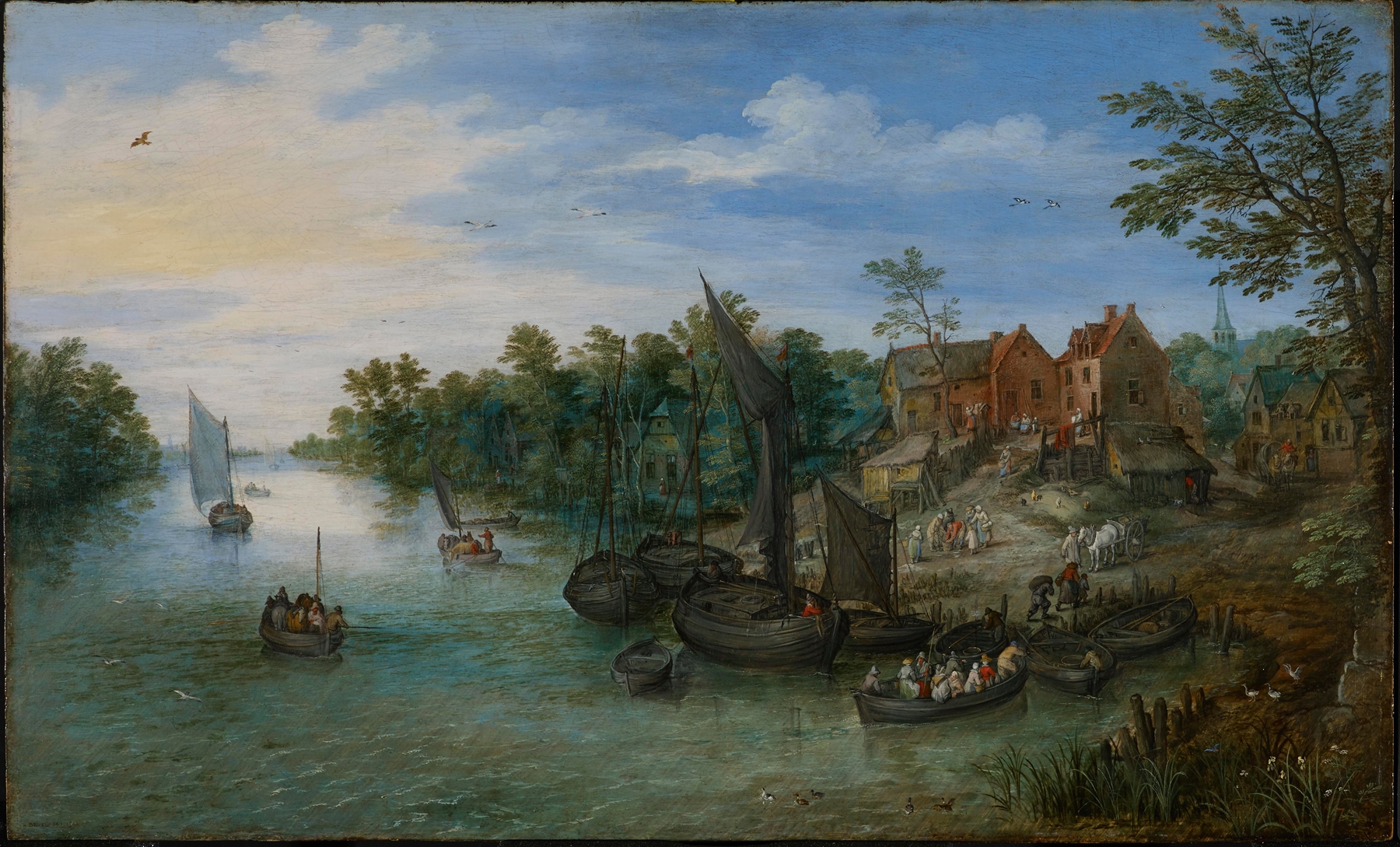
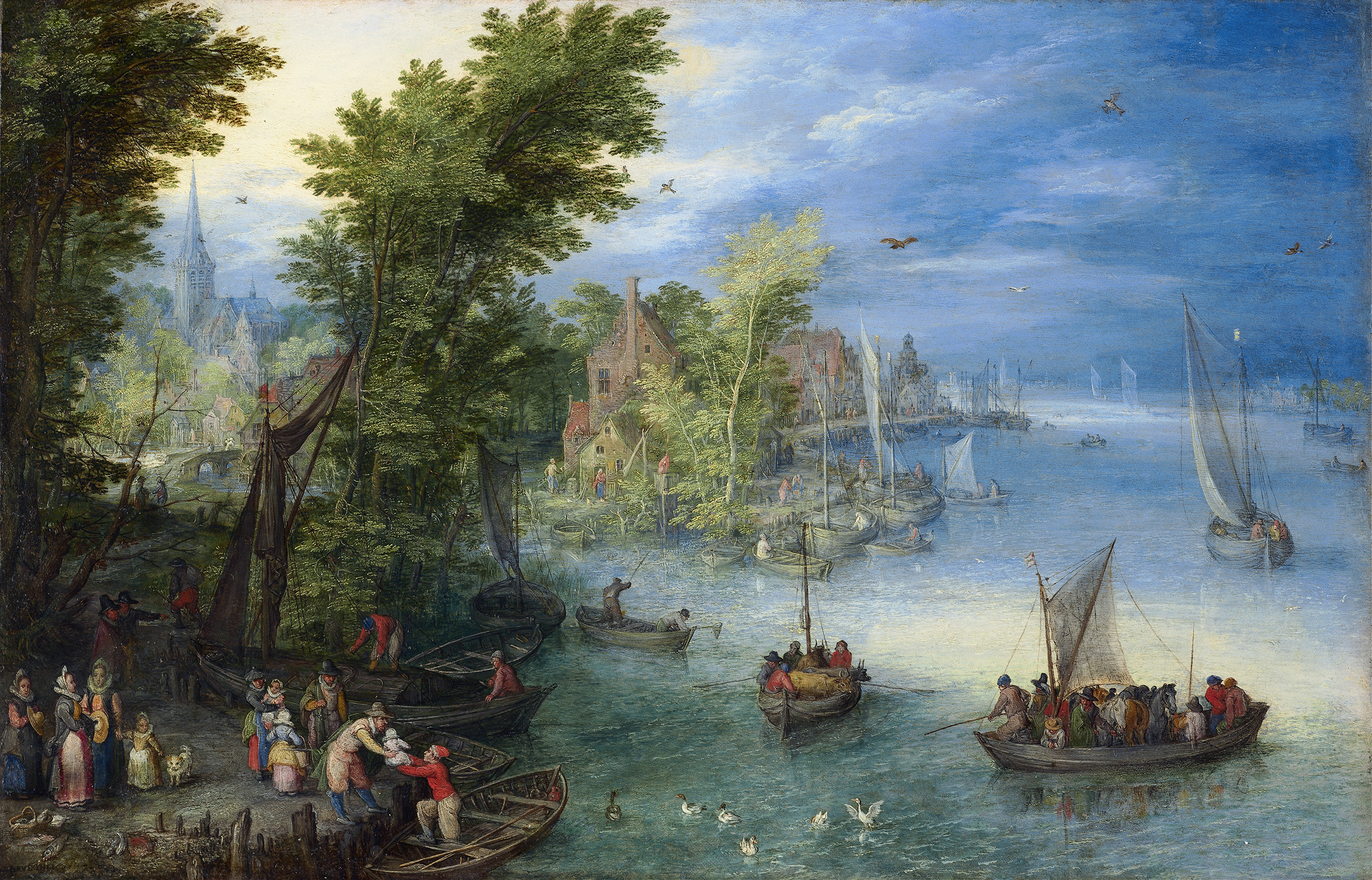
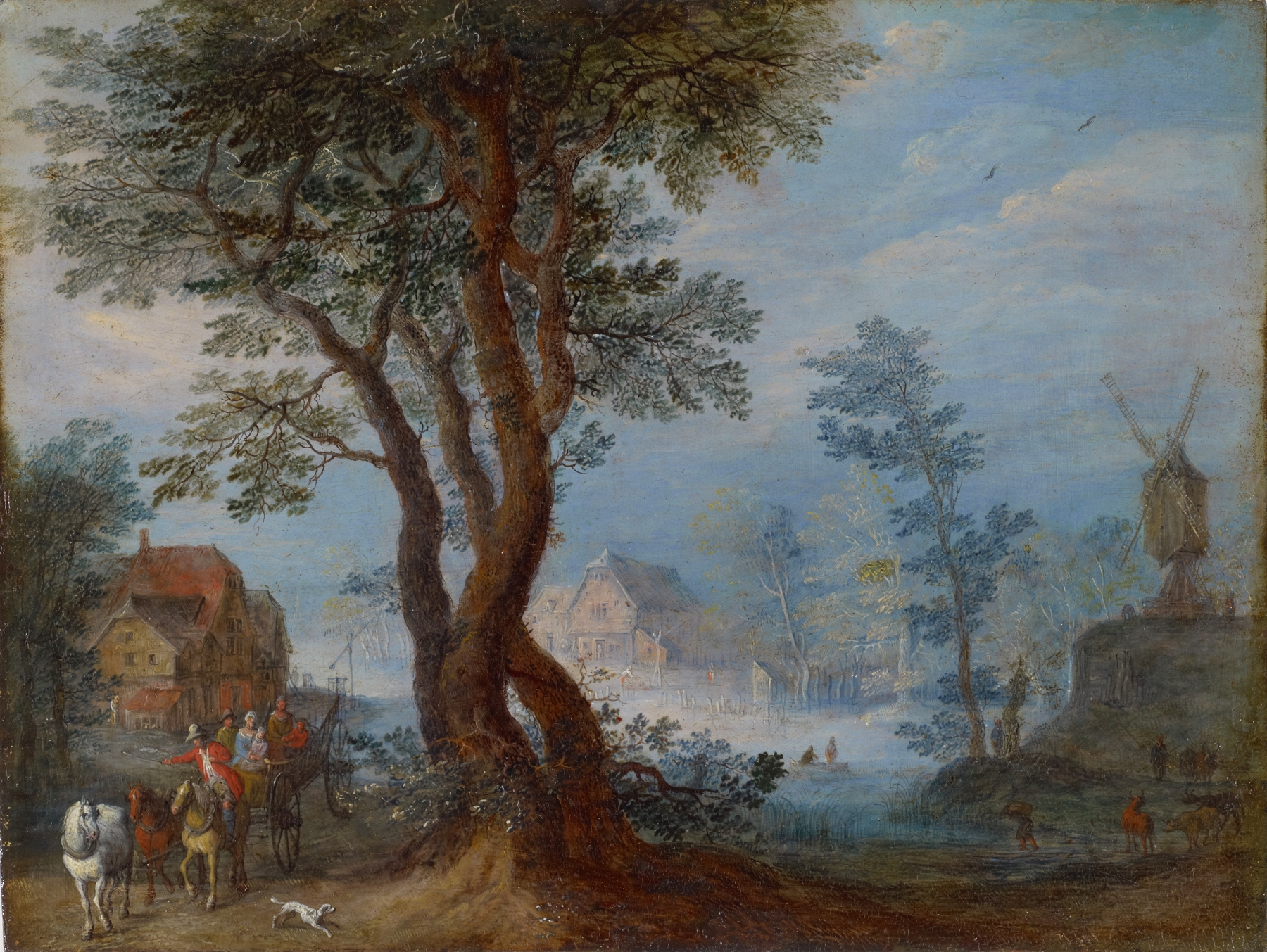
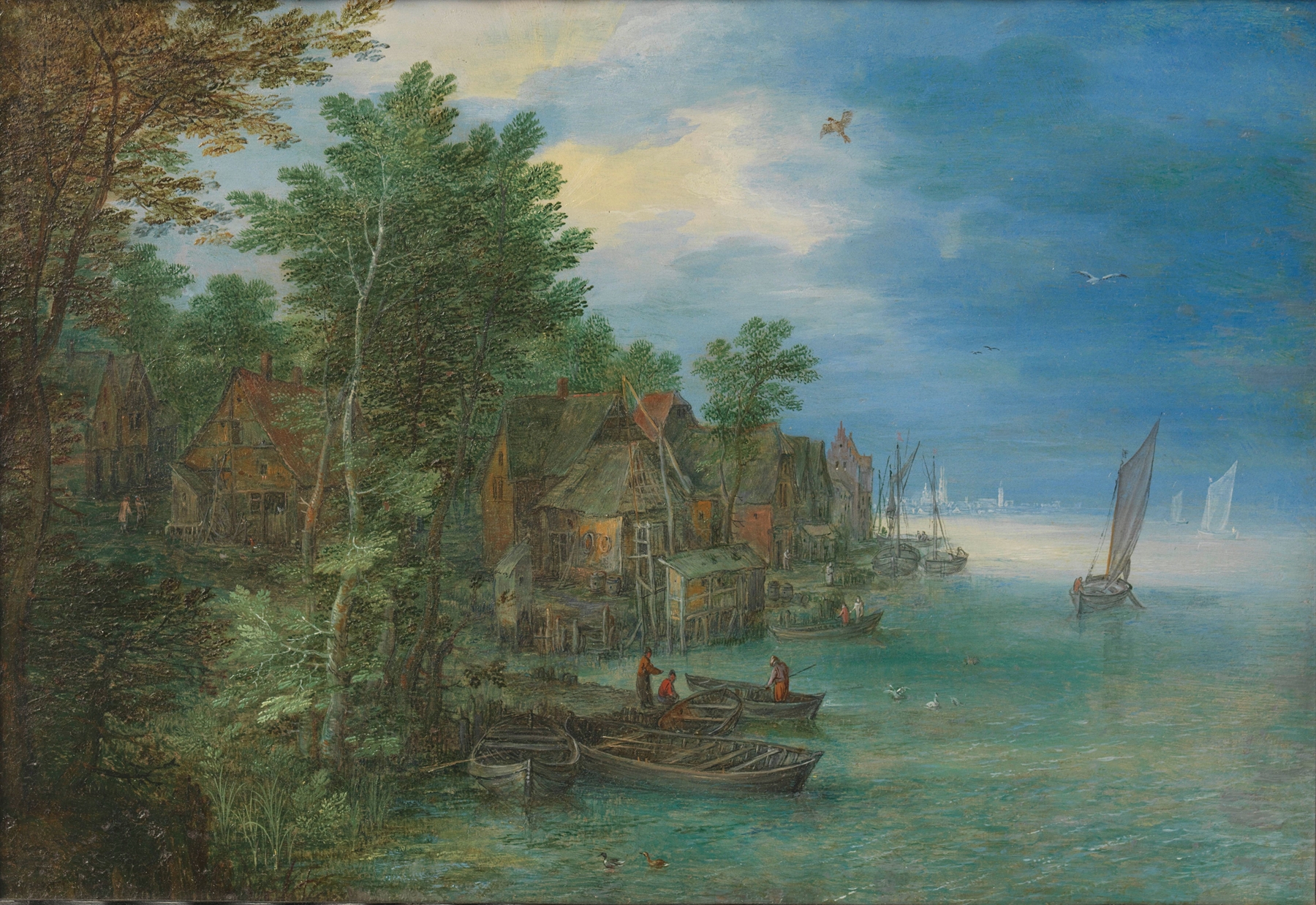
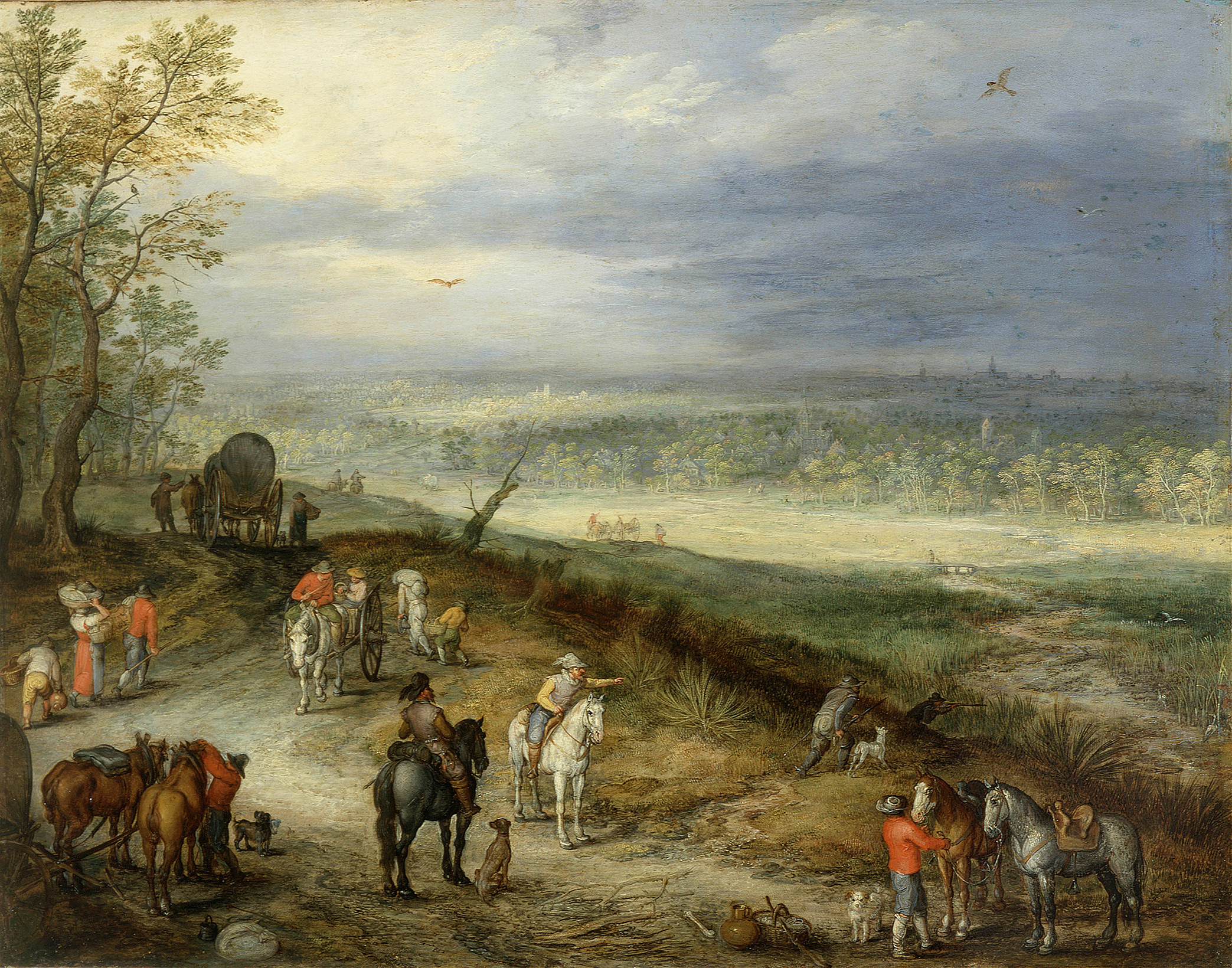
“The canvas doesn’t lie — it simply waits.” In this still moment, a world unfolds, revealing the layers of obsession that lie hidden beneath the brushstrokes. The quietude of this wooded landscape invites contemplation, as nature and humanity engage in a delicate dance of existence. Focus on the figures to the left, where two peasants occupy the foreground, their postures relaxed yet purposeful. Notice the vibrant greens of the foliage that surround them, contrasting sharply with the earthy browns of their clothing.
The soft light filters through the trees, casting dappled shadows that accentuate the tranquility of the scene, while the meticulous attention to detail in the flora speaks to an artist deeply enamored with the natural world. The composition encourages the eye to wander, embracing the intricate textures and colors that Brueghel expertly weaves together. At first glance, this work seems to revel in a serene interaction with nature, but look closer; this juxtaposition reflects a tension between human life and the wild. The figures, simple yet engaging, appear almost lost among the towering trees, hinting at the obsession with the natural landscape that defines this era of artistic exploration.
The subtle play of light suggests that what lies beneath the surface is ripe with yearning—an obsession with the fleeting beauty of the world, as well as a longing for connection within it. Created between 1605 and 1610, this piece emerged during a transformative period for Jan Brueghel the Elder, who was deeply influenced by the burgeoning interest in detailed landscapes and the merging of human activity with nature. Working in Antwerp, he found himself at the heart of a vibrant artistic community that celebrated the beauty of the outdoors, while also confronting the complexities of human existence within it.