View of a Village along a River — History & Analysis
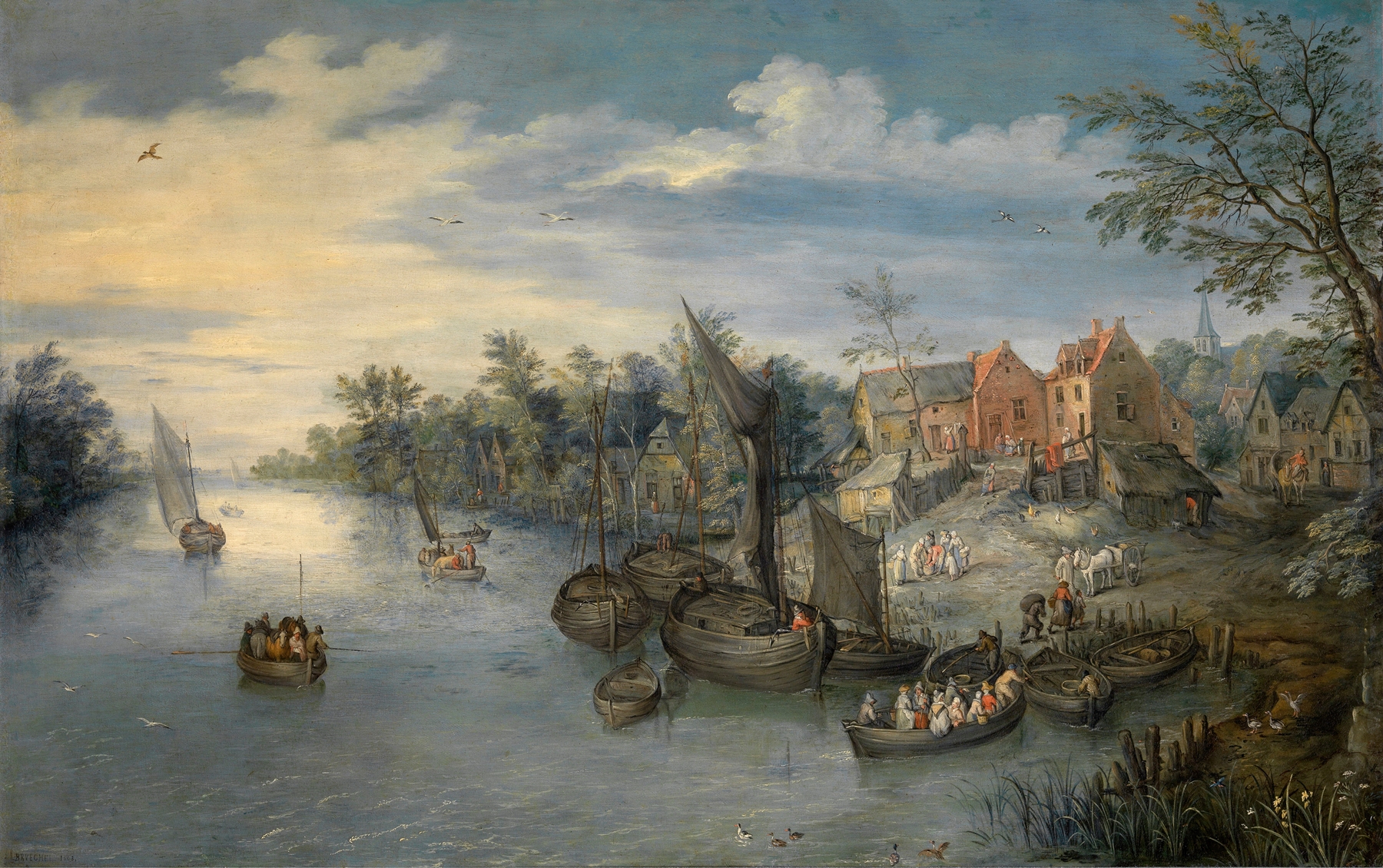
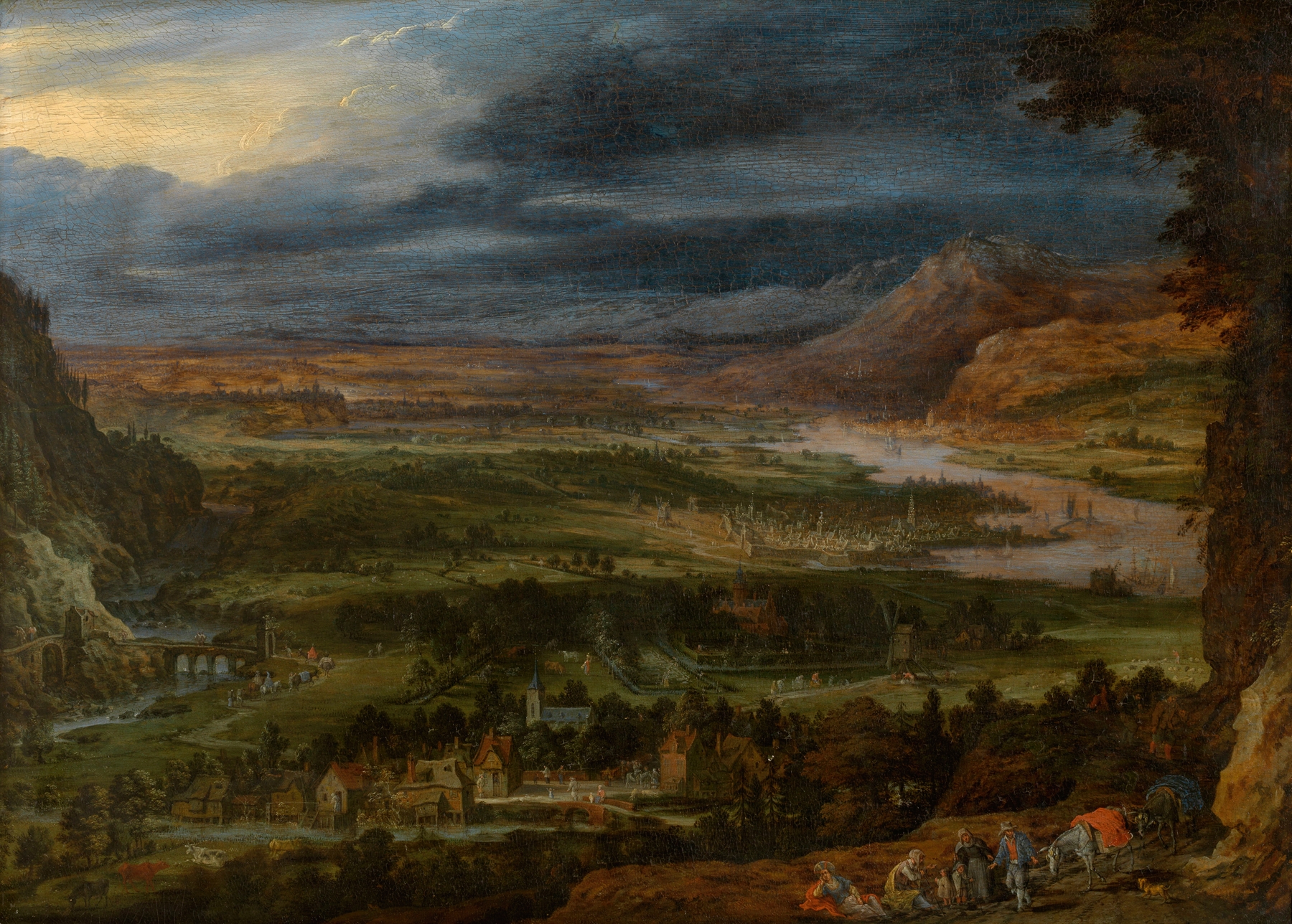
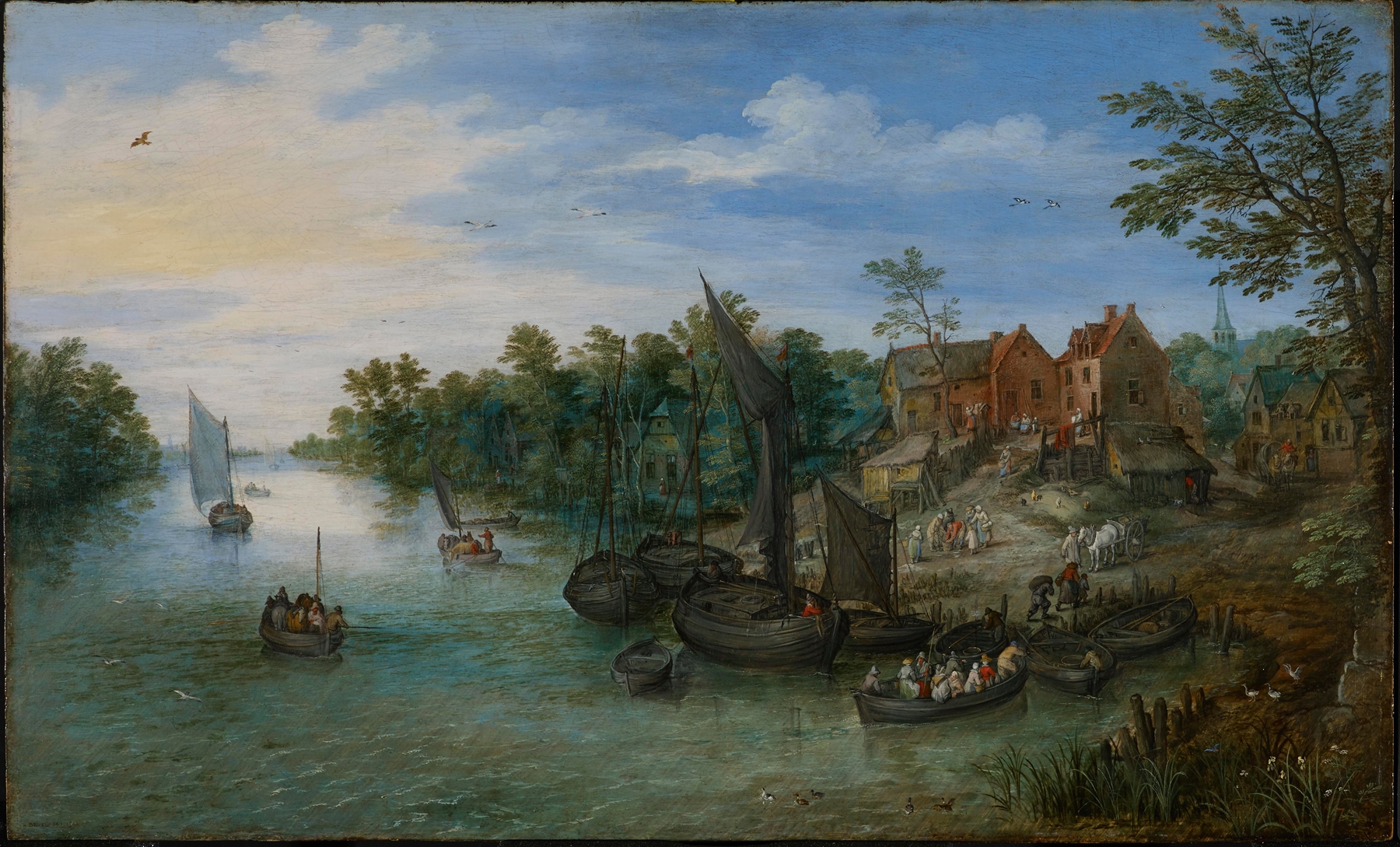
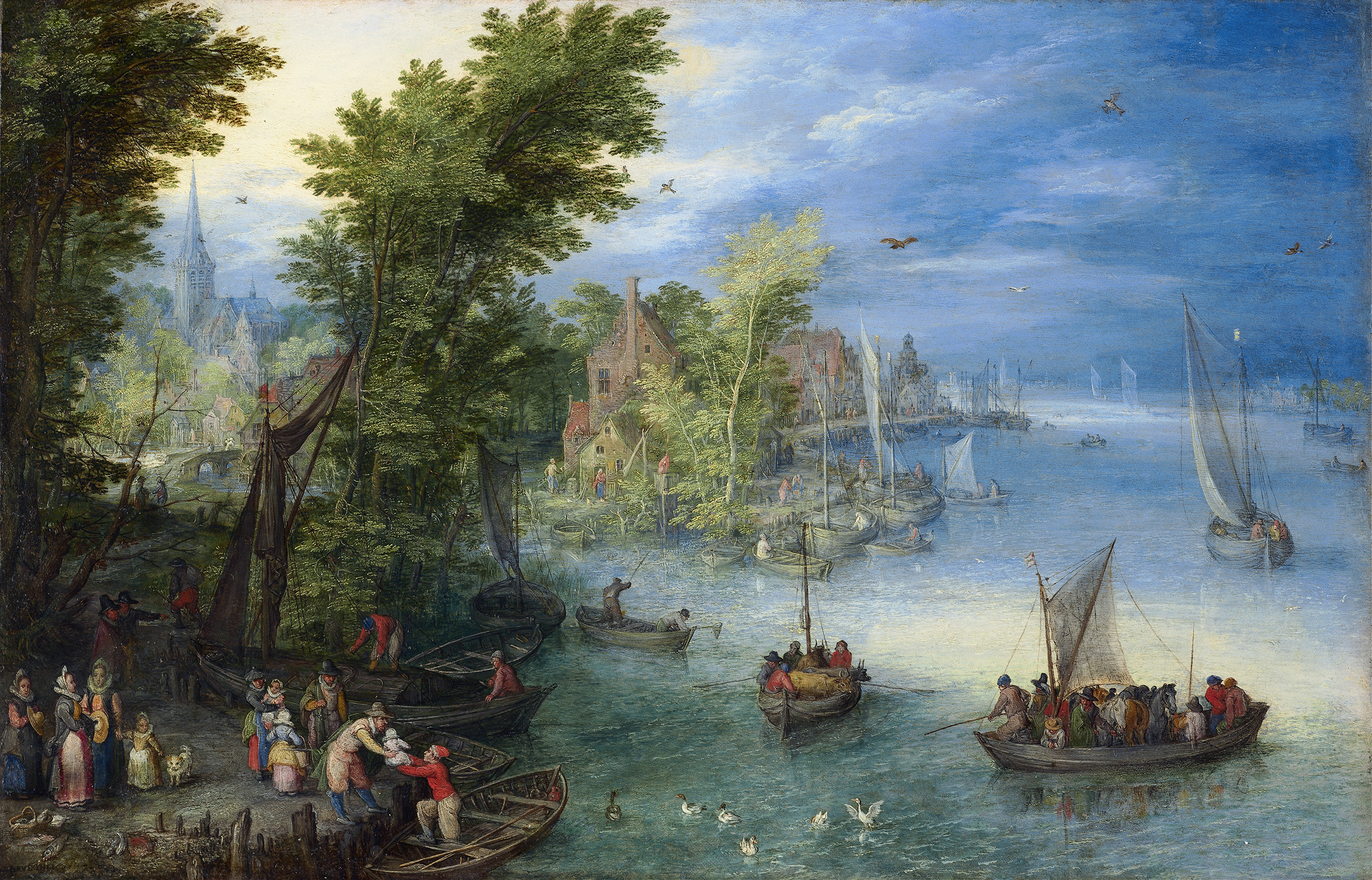
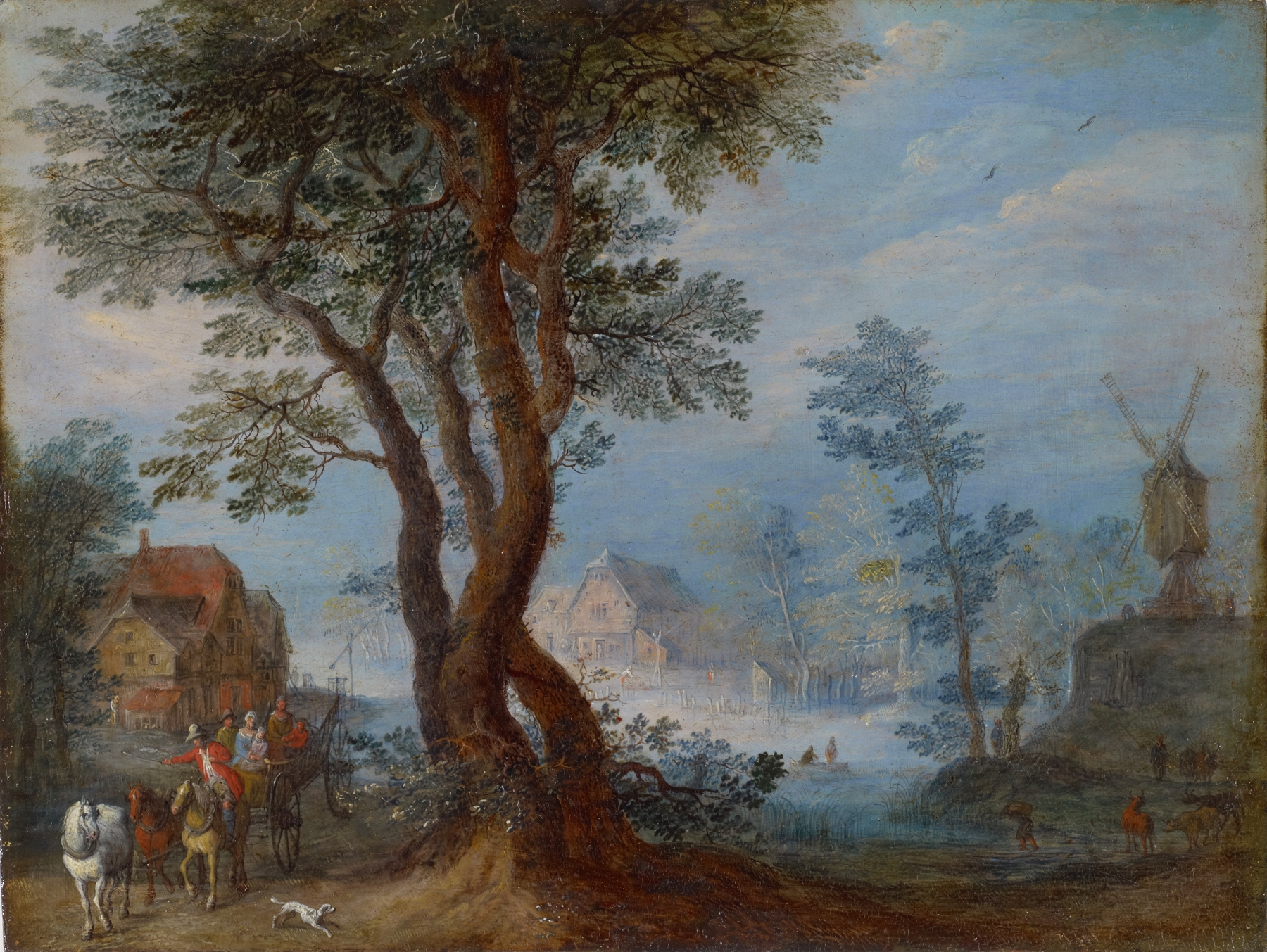
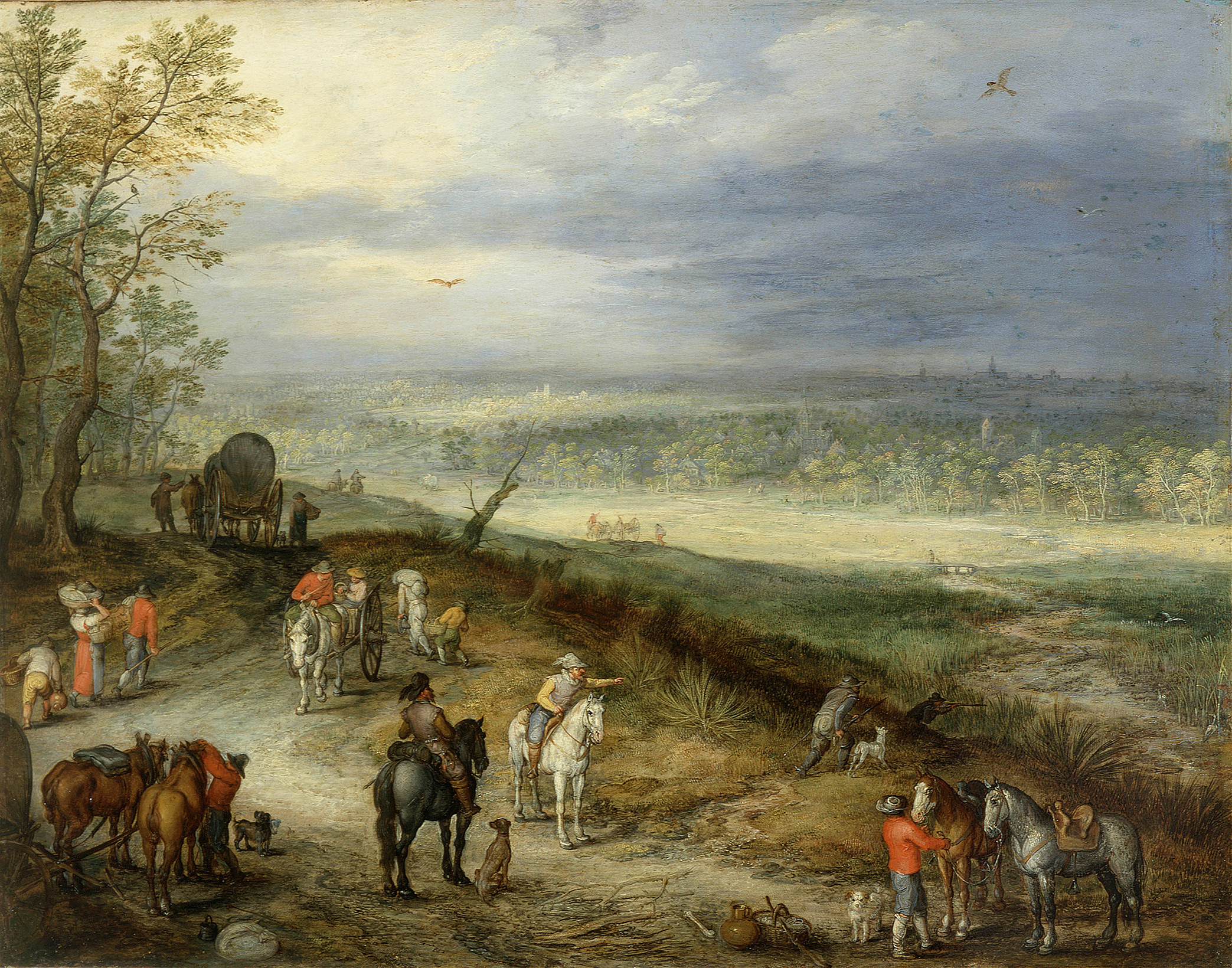
“Every silence here is a confession.” In the gentle embrace of nature, truths whisper between the trees and flow with the river, revealing a hidden world of serenity and simplicity. Look to the center where the river glides gracefully, its surface shimmering under a delicate play of light that dances across the water. The village, cradled by lush greenery, extends towards the horizon, inviting the viewer to explore its winding paths and quaint rooftops. Notice the soft palette of greens and blues, punctuated by warm earth tones, creating a harmonious balance that evokes a sense of peace and nostalgia.
The meticulous brushwork captures not just the scenery but the very essence of village life. In every corner of this tranquil depiction lies the tension between the intricate details and the overarching calm. The villagers—tiny figures engaged in daily tasks—contrast with the vastness of the landscape, hinting at the continuity of life against a backdrop of nature’s permanence. The light filtering through the leaves seems to illuminate not just the scene, but also the lives intertwined within it, evoking a profound sense of belonging and the unspoken truths shared in their silence.
Brueghel painted this work in 1604, during a time when the Northern Renaissance was flourishing, and artists were increasingly exploring themes of nature and everyday life. Living in Antwerp, he was influenced by the vibrant artistic community around him, which celebrated both the beauty of the natural world and the stories of its people. This painting reflects his masterful ability to blend landscape with human experience, capturing the quiet truths that resonate through time.