Landscape — History & Analysis
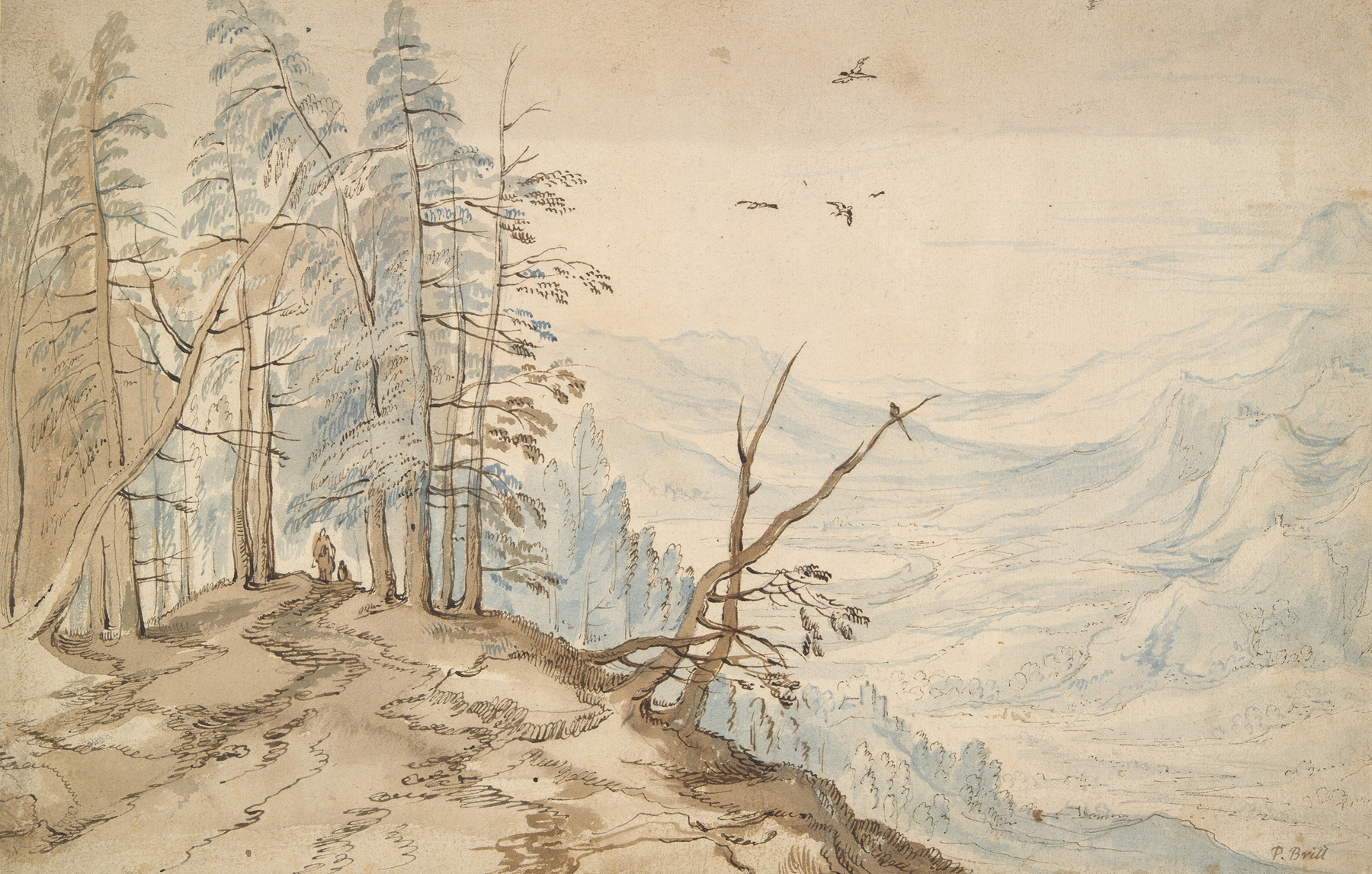
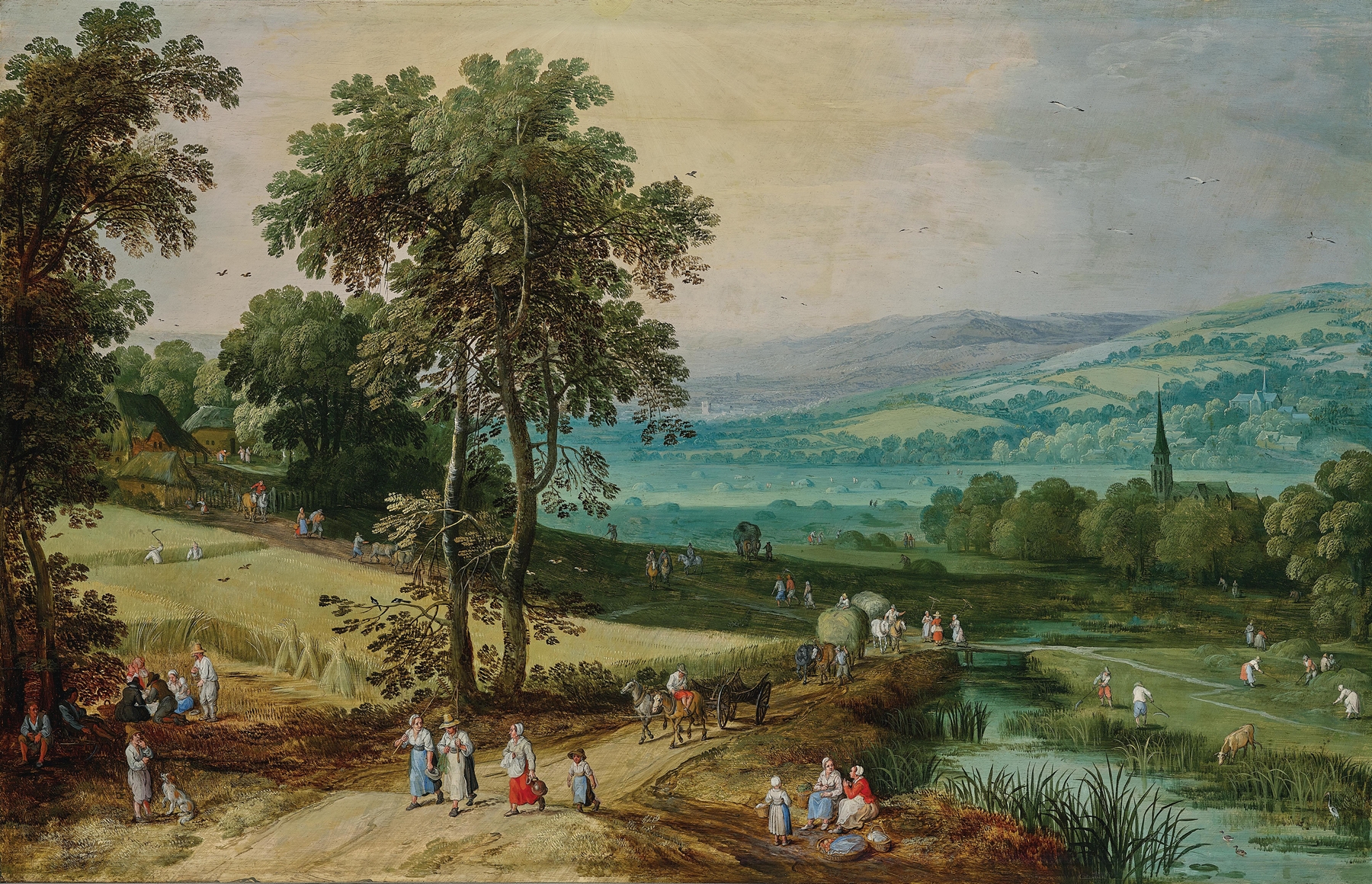
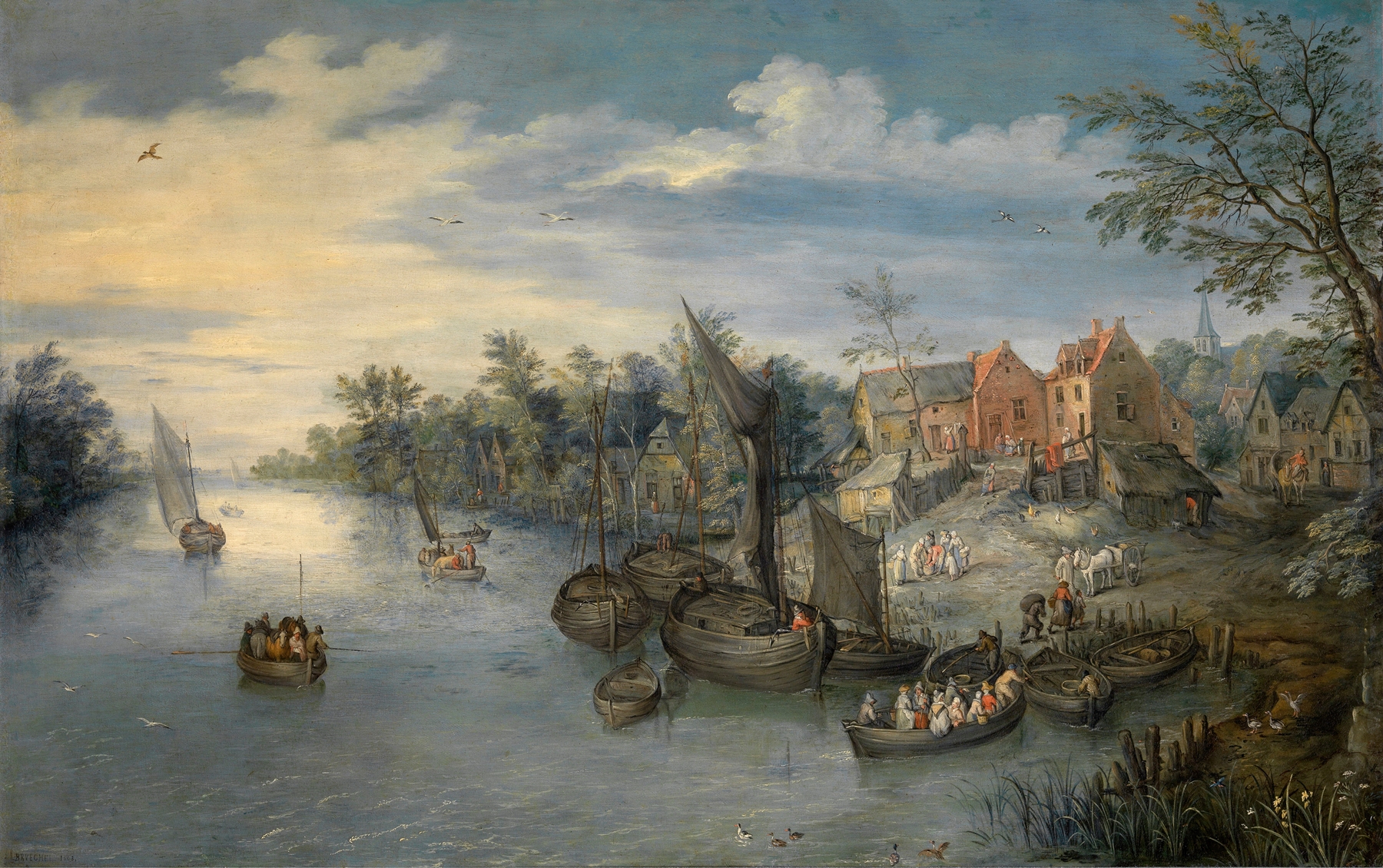
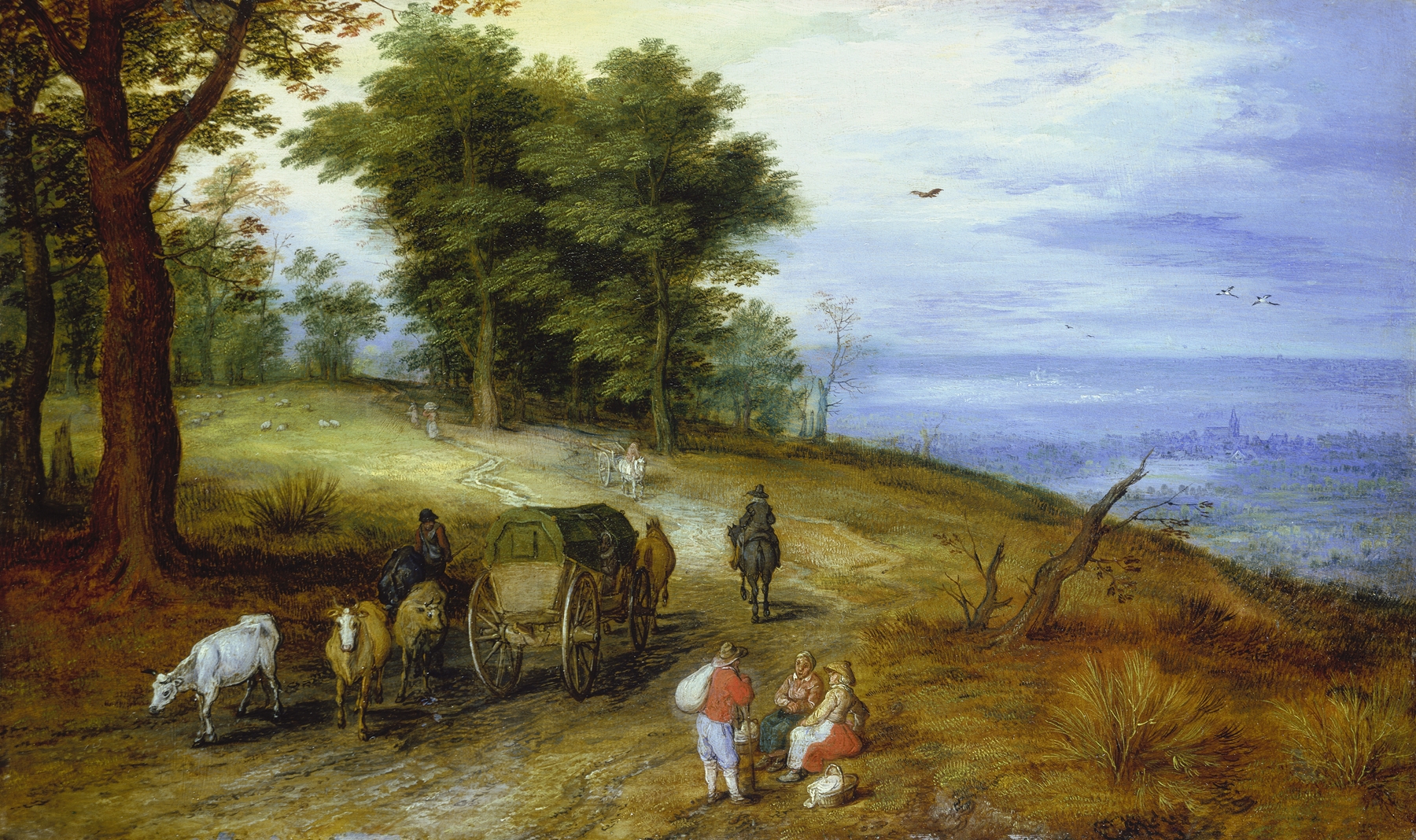
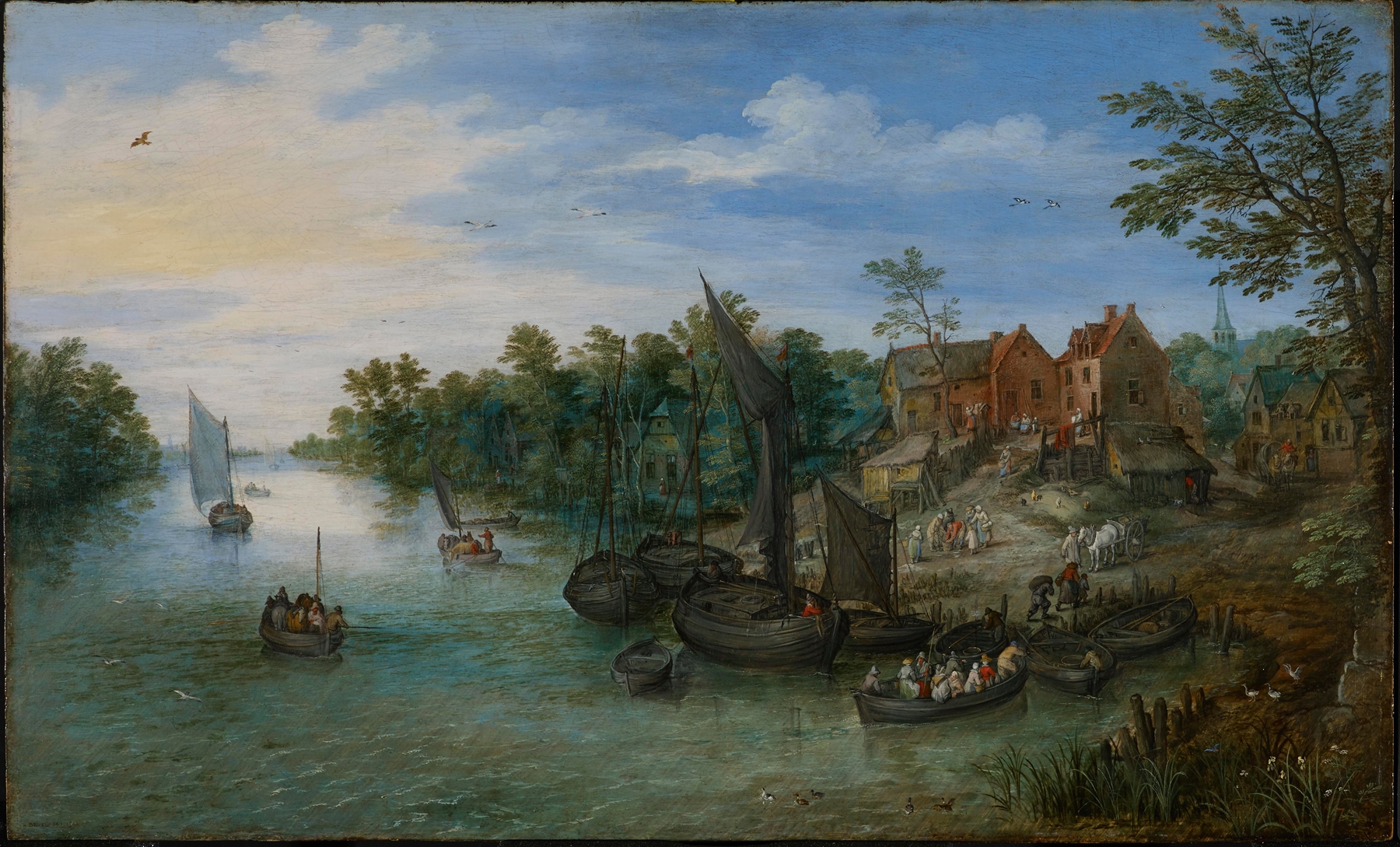
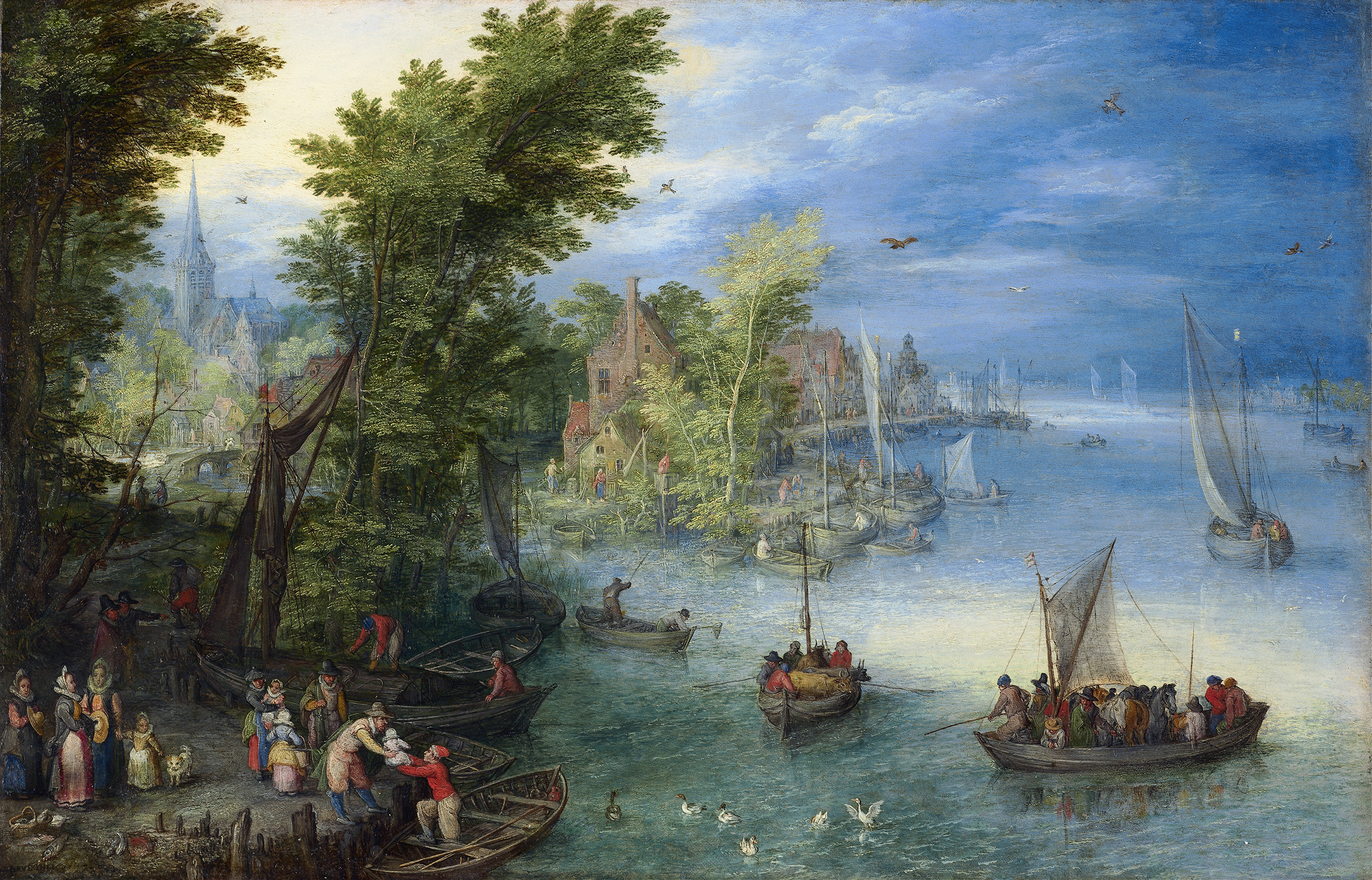
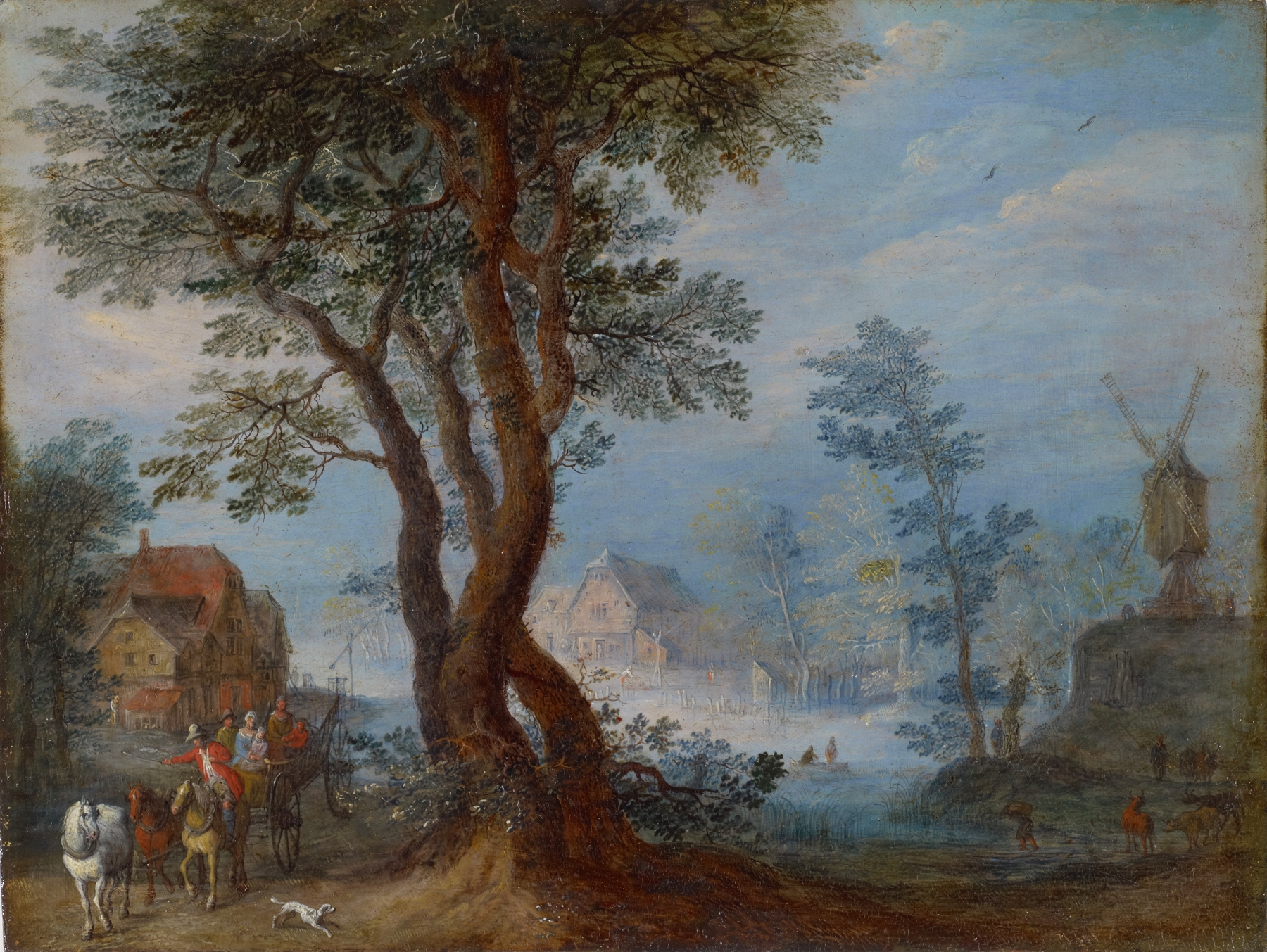
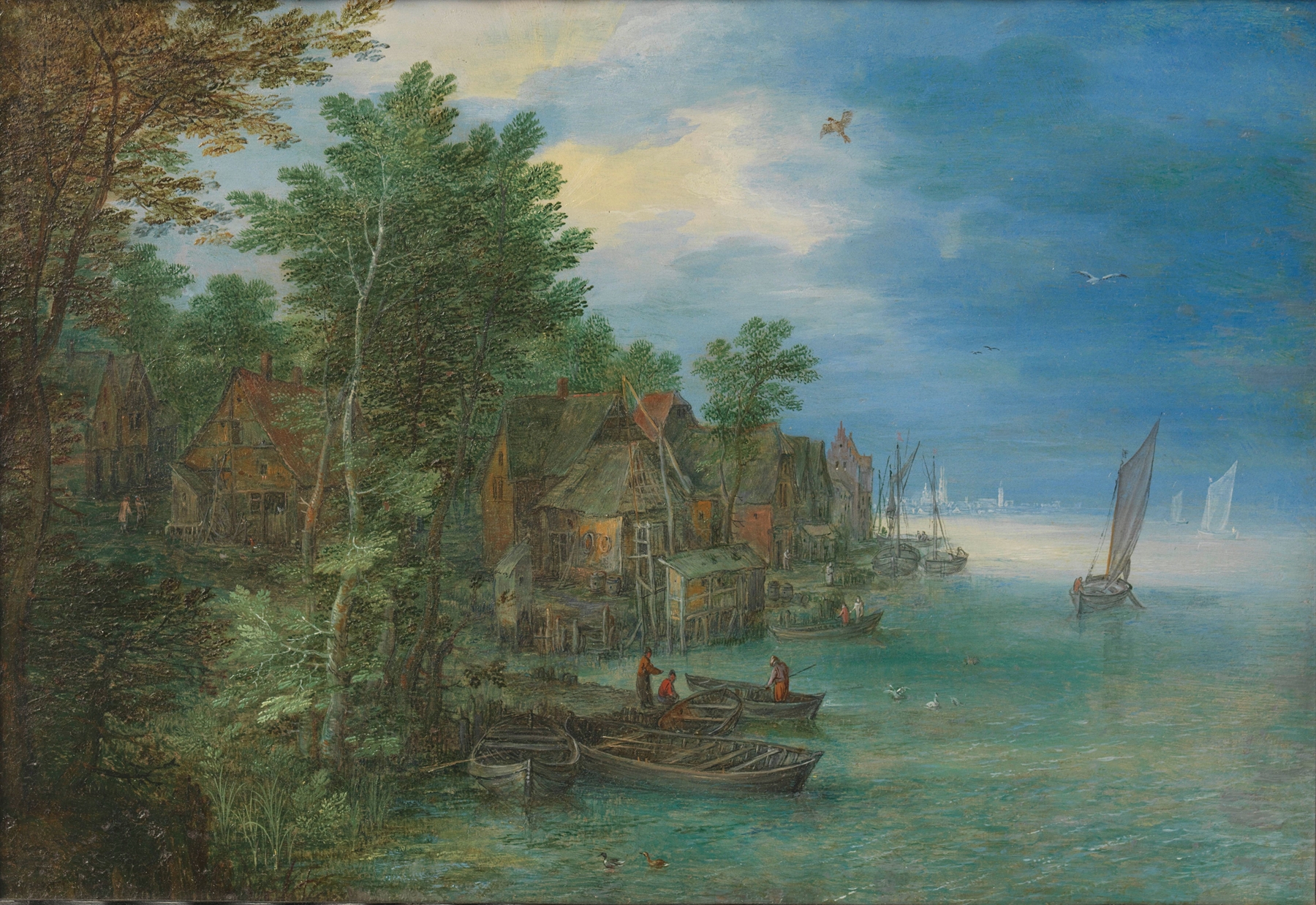
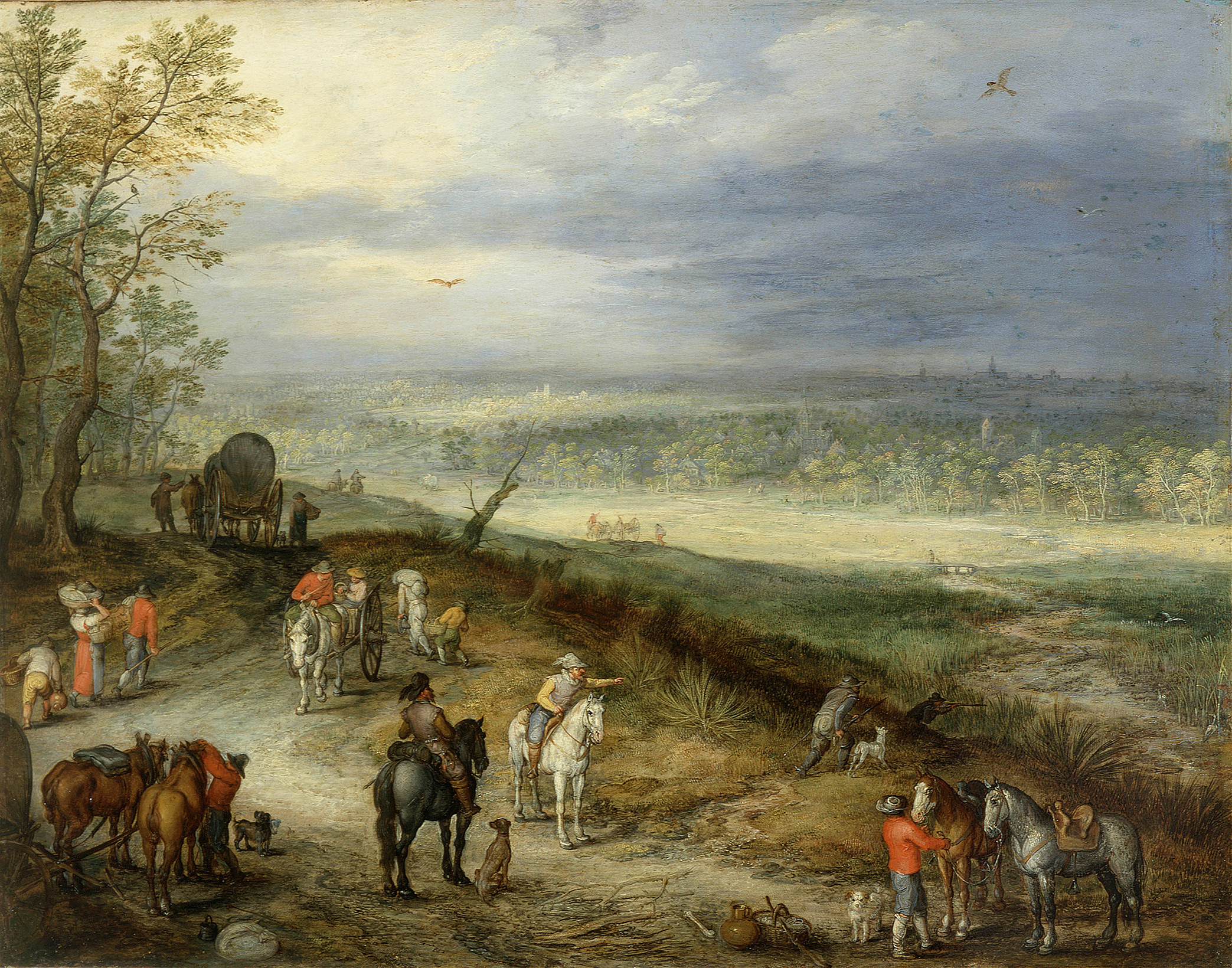
Did the painter know this moment would outlive them? In Landscape, the essence of time is woven into every brushstroke, revealing the beauty and transience of life itself. Look to the left at the cascading hills, where gentle greens merge seamlessly into a soft azure sky, inviting you to wander deeper into the scene. Notice how the light dances across the surface of a tranquil river, mimicking the brushstrokes in a subtle display of harmony.
Each detail—be it the delicate flowers or rustic pathways—speaks to the meticulous care taken in the arrangement and color palette, reflecting the vibrant life of nature in full bloom. Yet, amid this picturesque tranquility, there exists an underlying tension. The distant mountains loom like guardians over the landscape, hinting at the unknown challenges that lie beyond the idyllic scene. The meticulous details juxtapose the grand scale of nature’s beauty with the fragility of human existence, suggesting a fleeting moment of peace that is both cherished and impermanent.
Each figure within the landscape, whether tending to the fields or admiring the view, embodies a shared connection to the earth, inviting contemplation of our place within it. Executed in Flanders in the early 17th century, this work reveals a pivotal moment in the artist’s evolution as a master of genre painting. At this time, Brueghel was embraced by a burgeoning market for landscapes, reflecting a broader fascination with nature and the environment. It was an era that celebrated the connection between humanity and the natural world, as artists began to prioritize these themes in their work, paving the way for future generations to reflect on the delicate balance that sustains life.