Landschap met houten bruggetje in octagonaal kader — History & Analysis
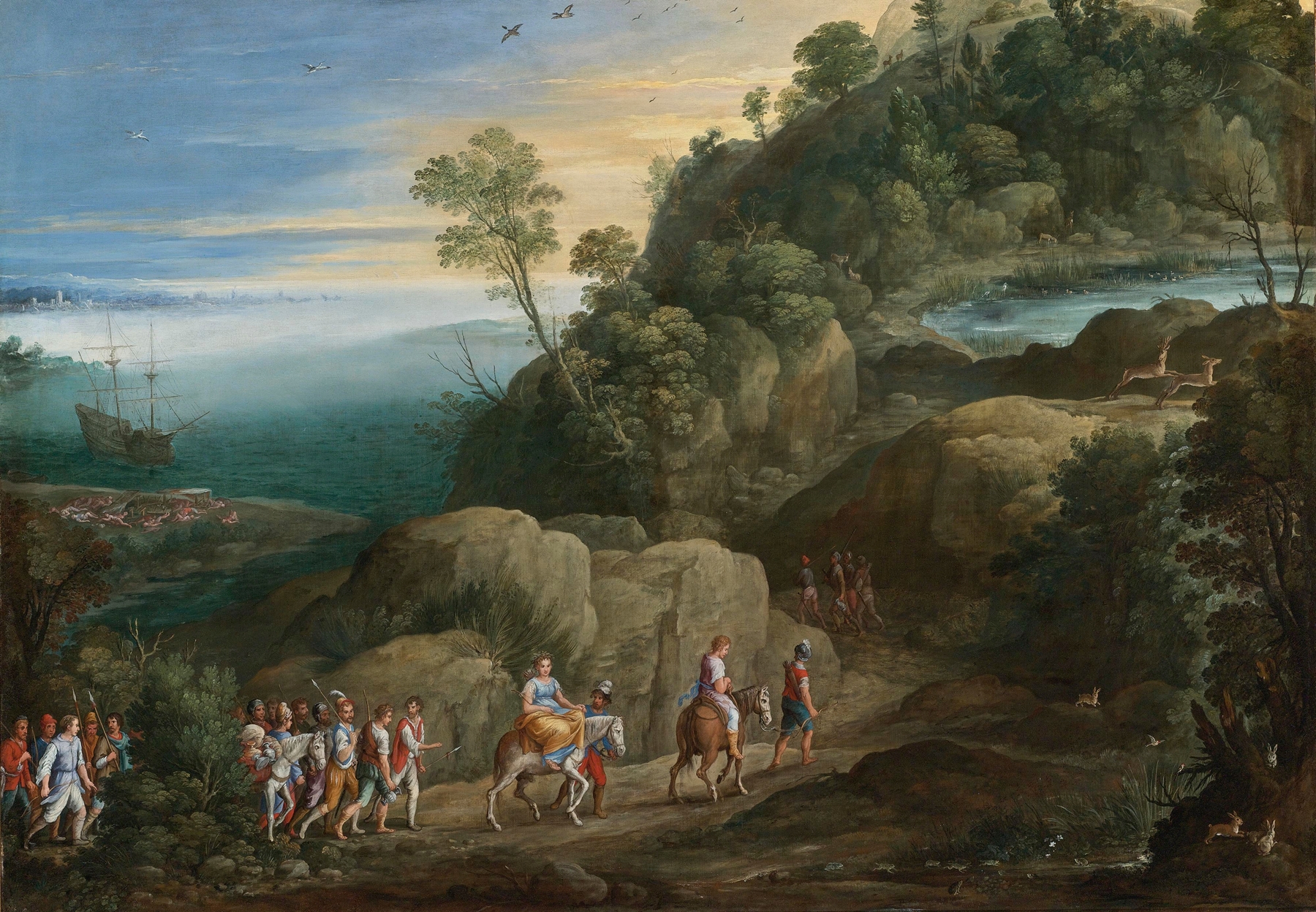
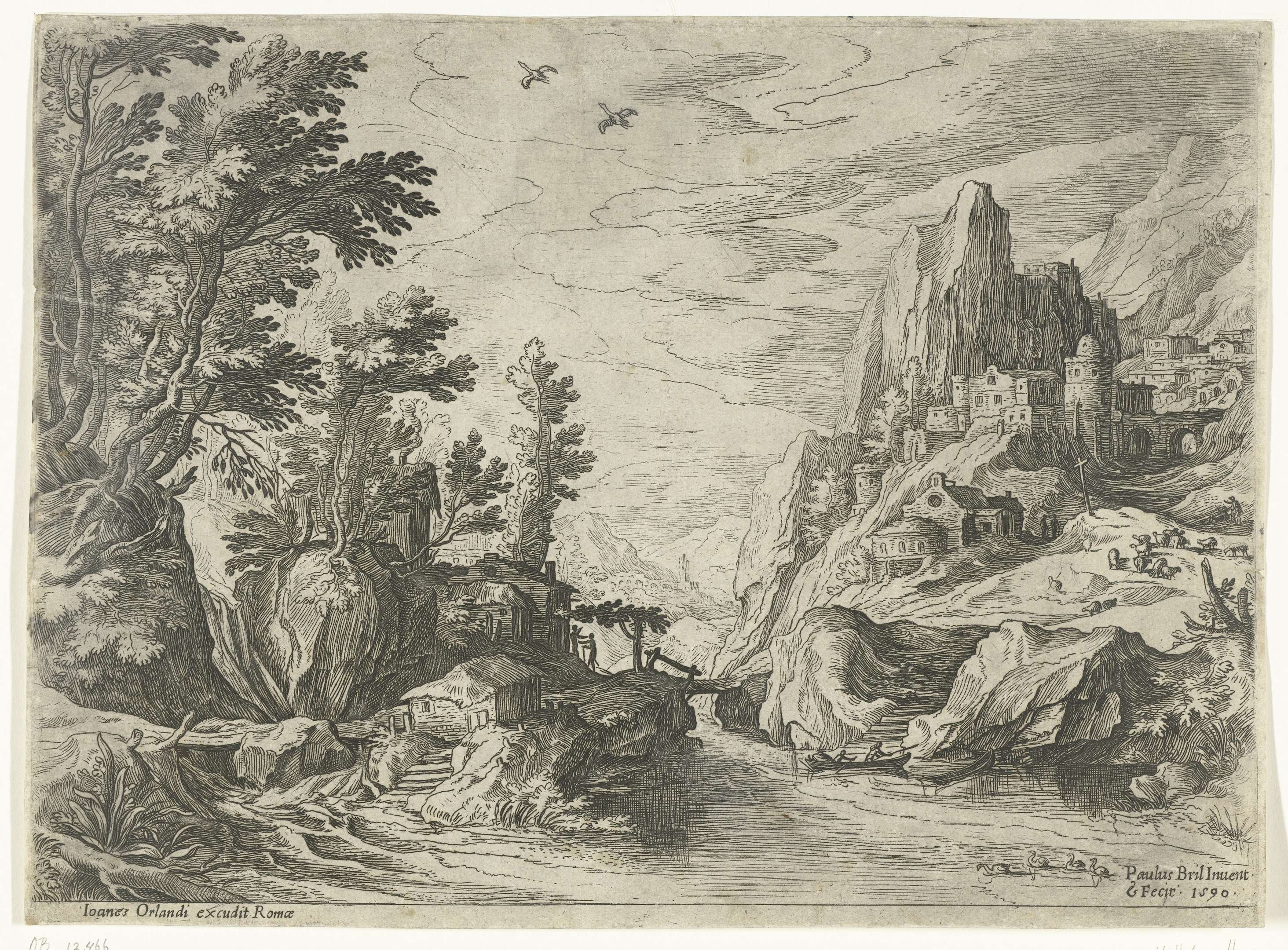
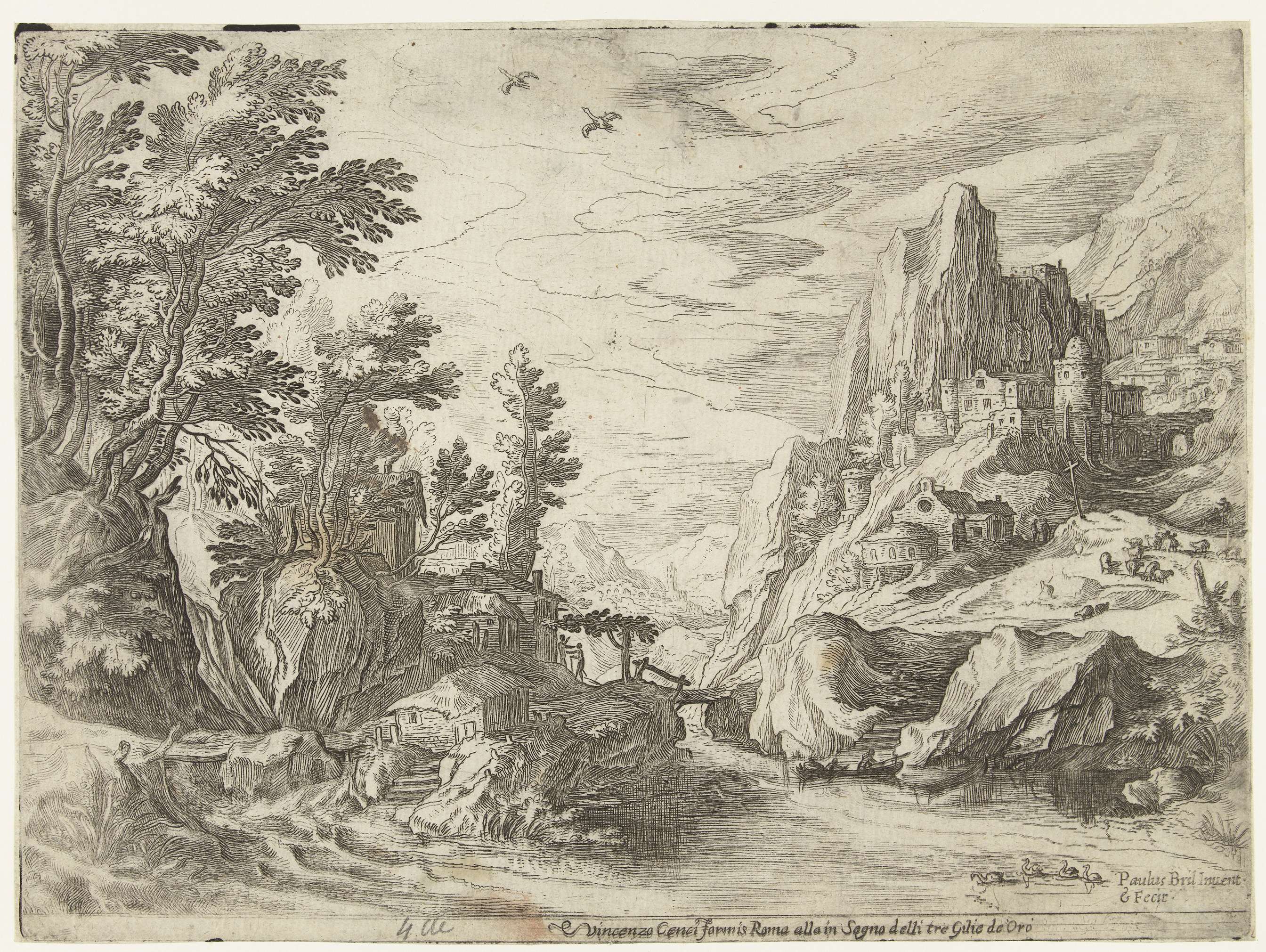
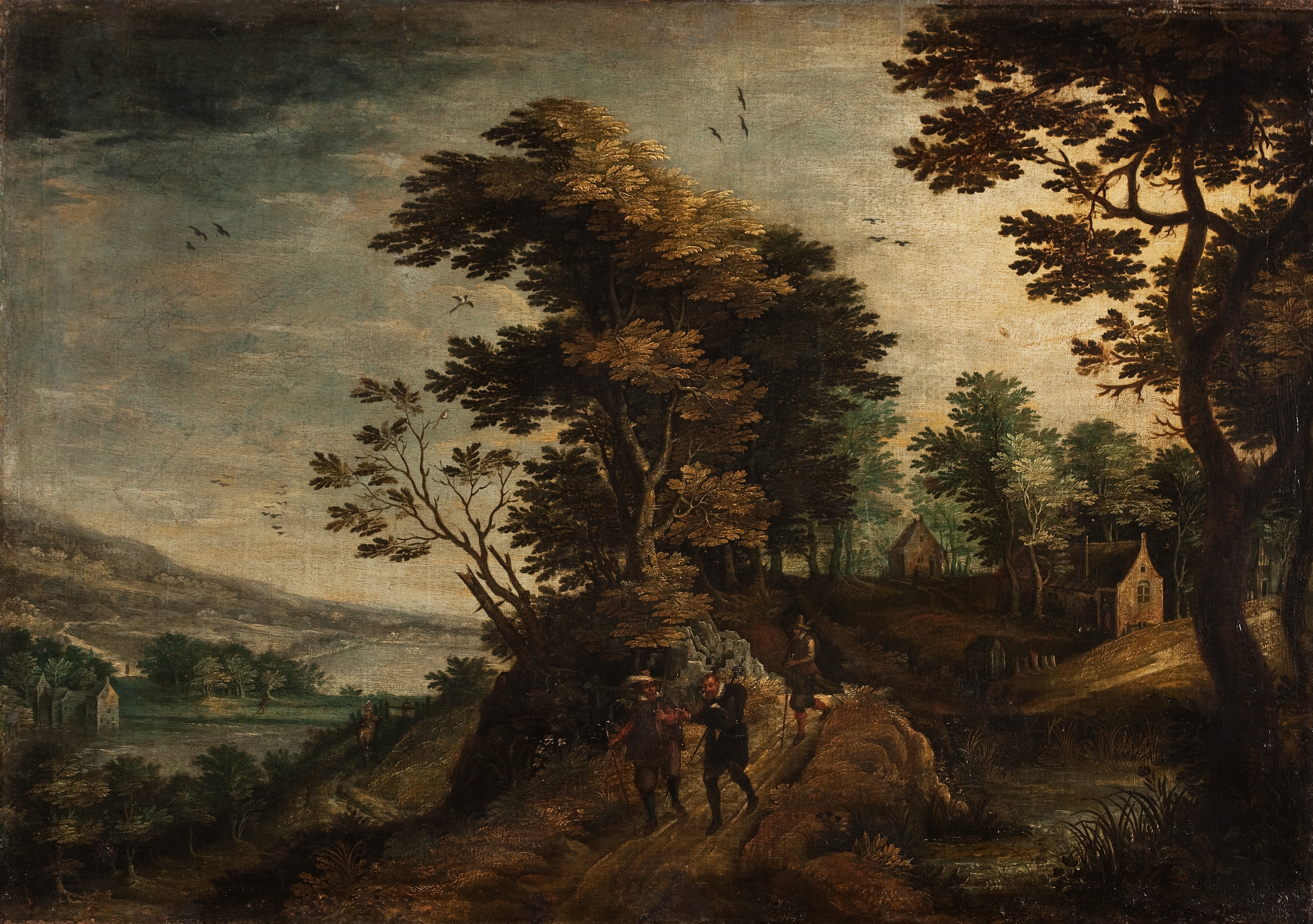
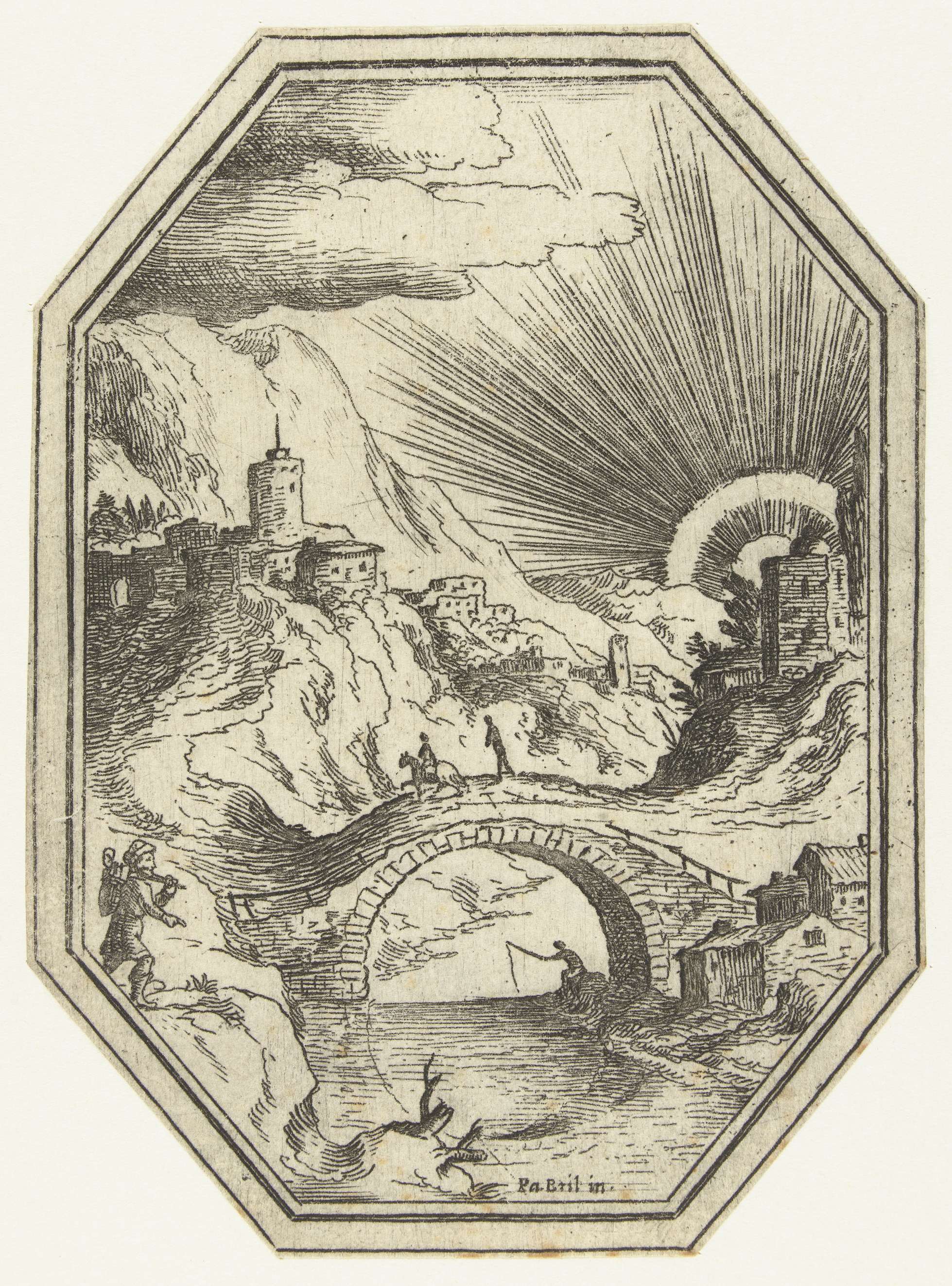
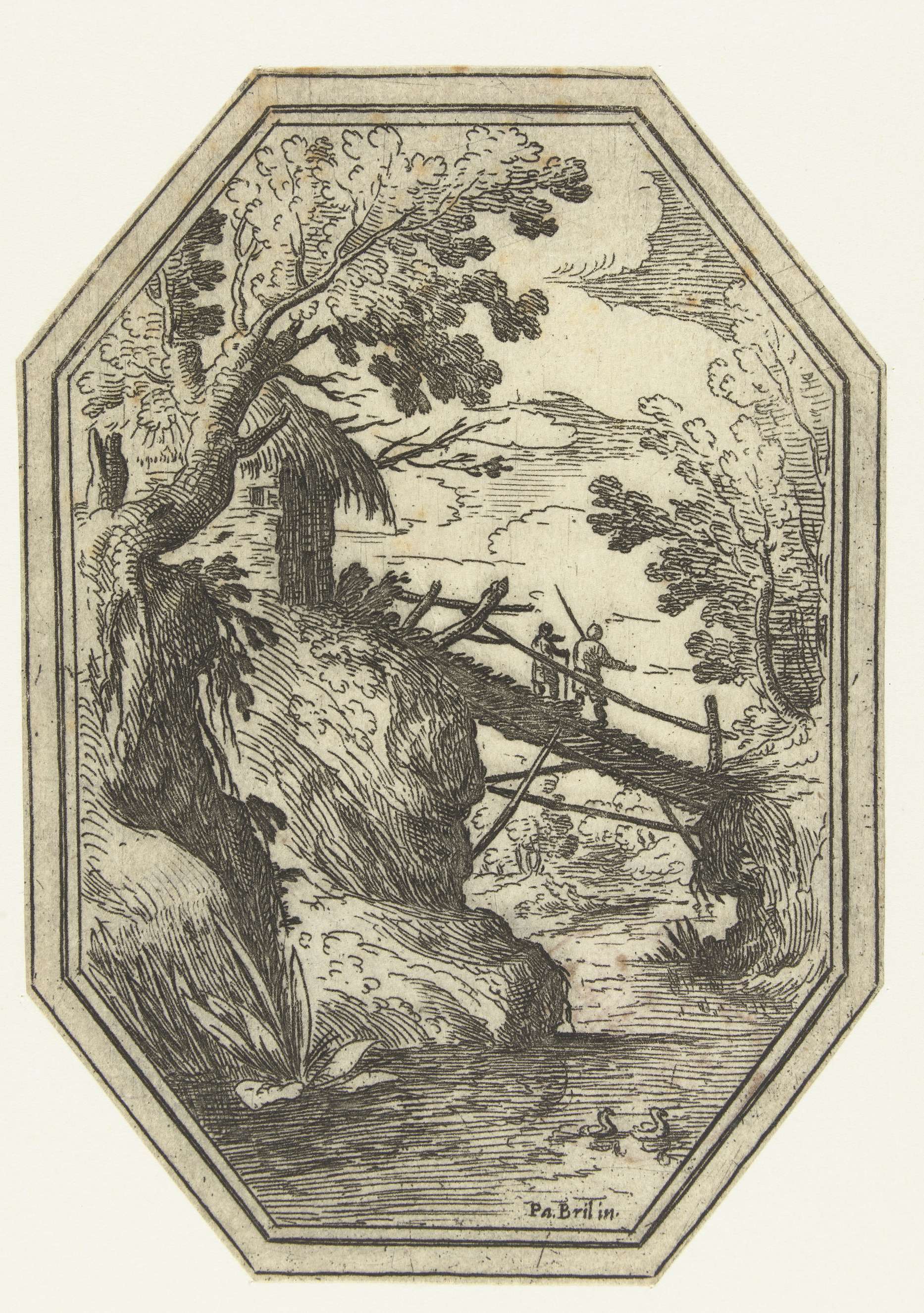
Can paint confess what words never could? In the quiet embrace of nature, Landschap met houten bruggetje in octagonaal kader invites us to linger in a dialogue between creation and the viewer. Focus first on the serene wooden bridge that arches gracefully over the gentle ripples of a stream, drawing your eye into the heart of the composition. The rich greens of the foliage frame the scene, while the octagonal shape of the canvas creates an intimate perspective, as if the viewer is peering through a portal into a peaceful pastoral world.
Bril’s deft use of light enhances the textures of the trees, illuminating patches of the ground and casting soft shadows that invite us to step onto the bridge. Hidden within the beauty of this idyllic landscape are deeper stories: the bridge symbolizes a passage not only through nature but also through time, marrying the tranquility of the setting with the transience of human experience. The delicate balance of light and shadow evokes the contrast between serenity and the underlying chaos of life, while the meticulous detail in the foliage speaks to the artist's reverence for the natural world. Nature’s splendor here is not just a backdrop, but a character in its own right, whispering the secrets of creation.
Paul Bril created this piece in the early 17th century, during a time when the Baroque movement was beginning to flourish in Europe. Living in Antwerp and later in Rome, Bril's work often reflected his fascination with landscapes, capturing their essence with a blend of realism and imagination. His artistic journey coincided with the burgeoning appreciation for nature in art, marking him as a significant figure in the evolution of landscape painting.