Römische Ruine in Schönbrunn — History & Analysis
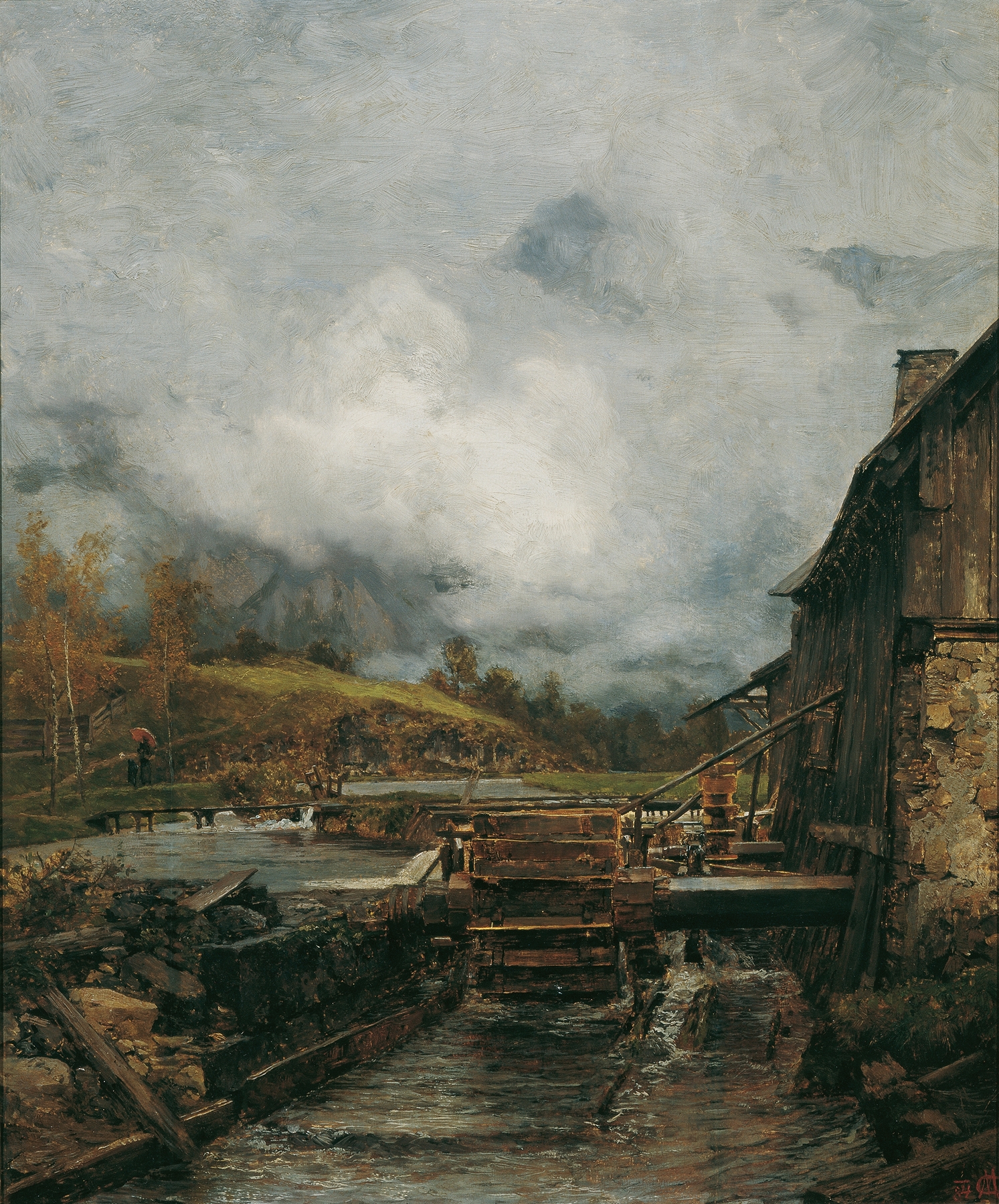
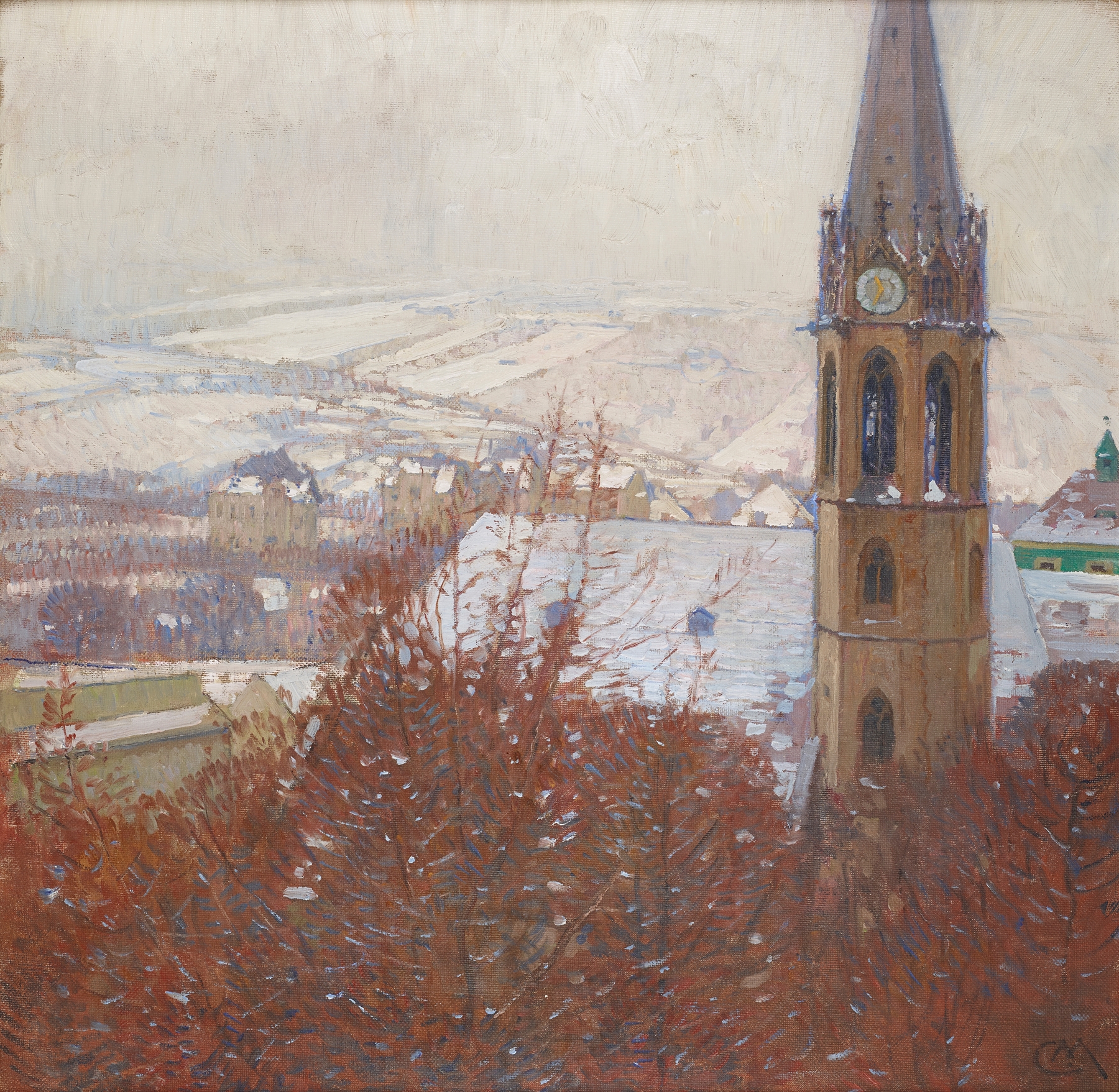
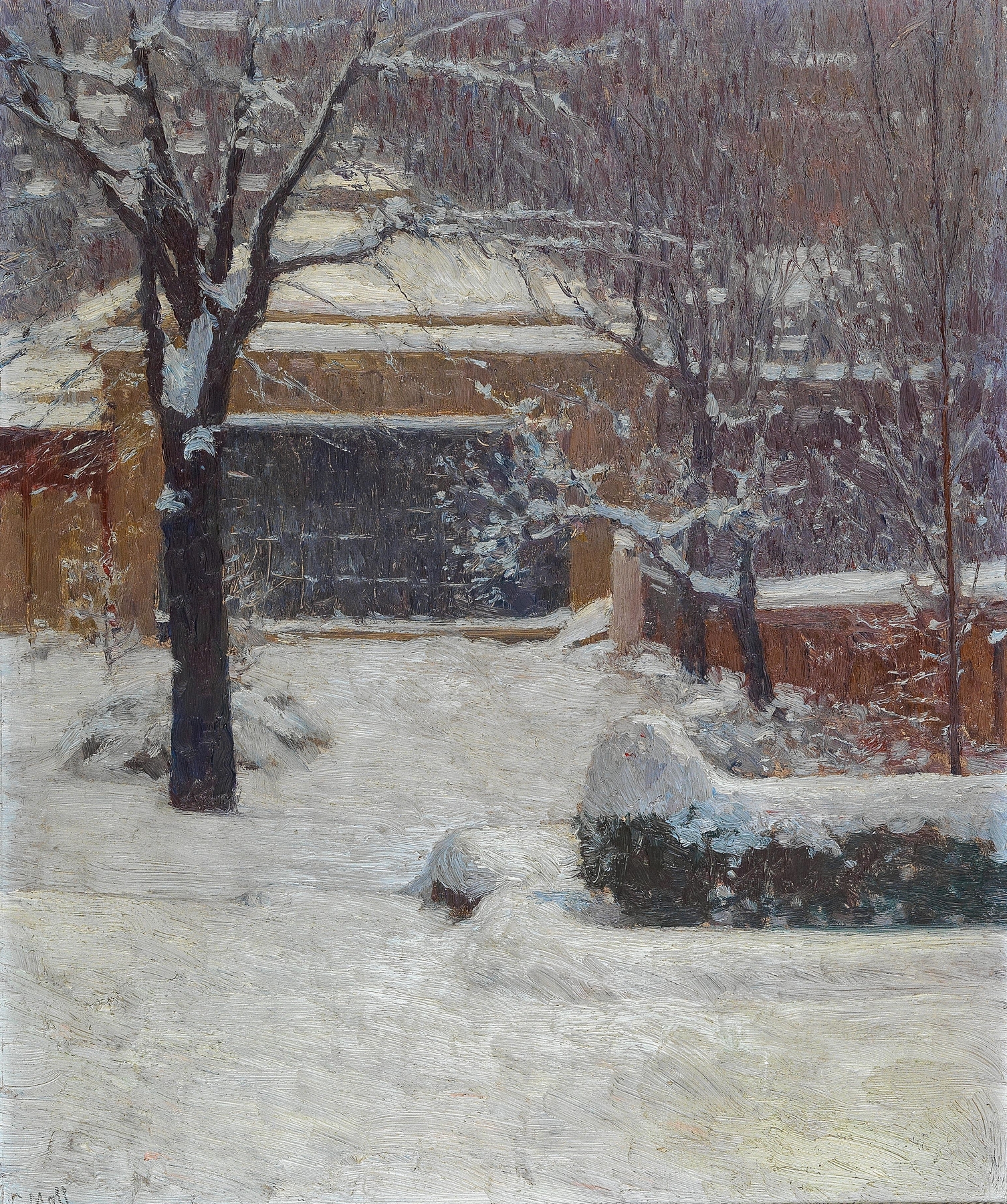
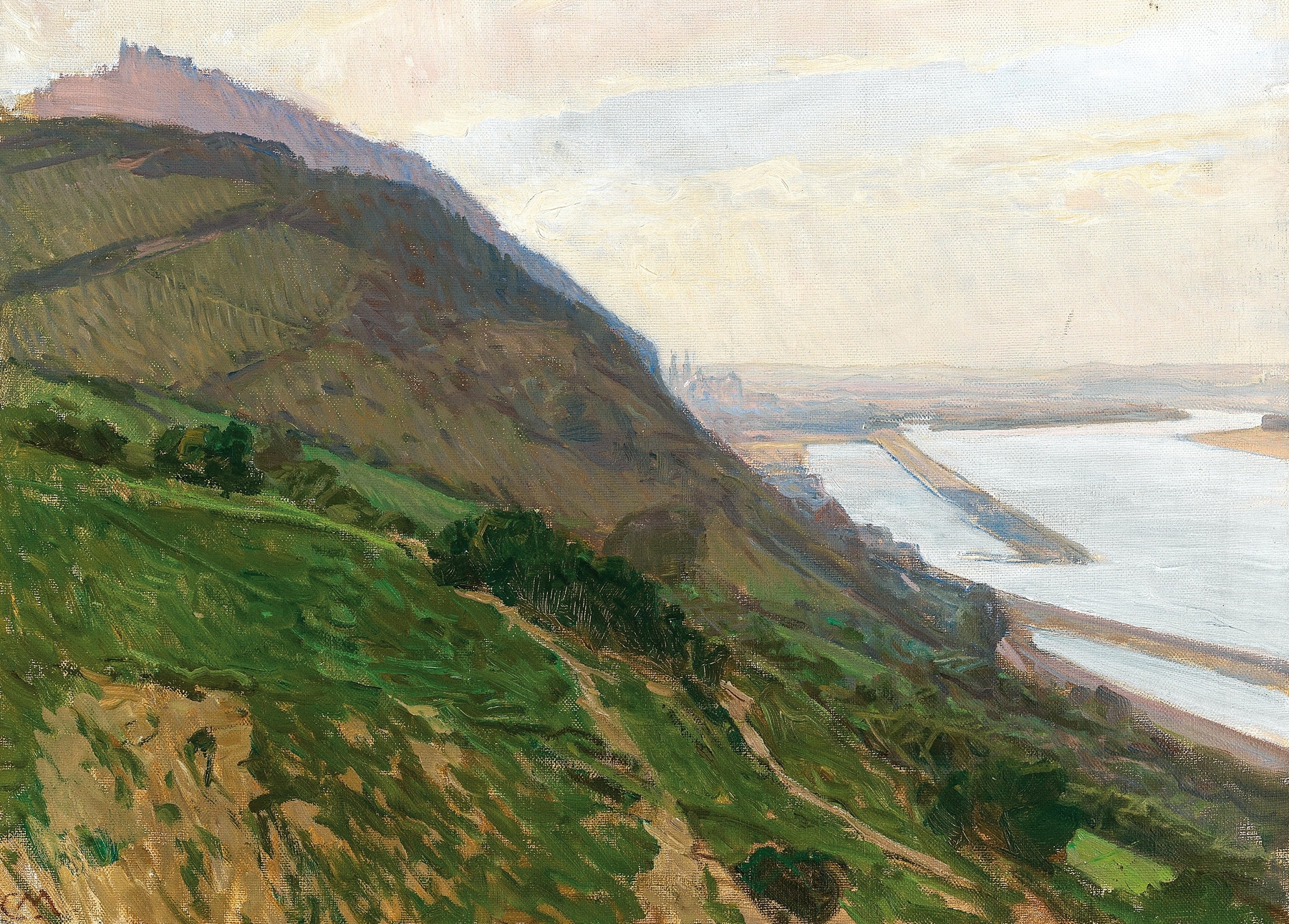
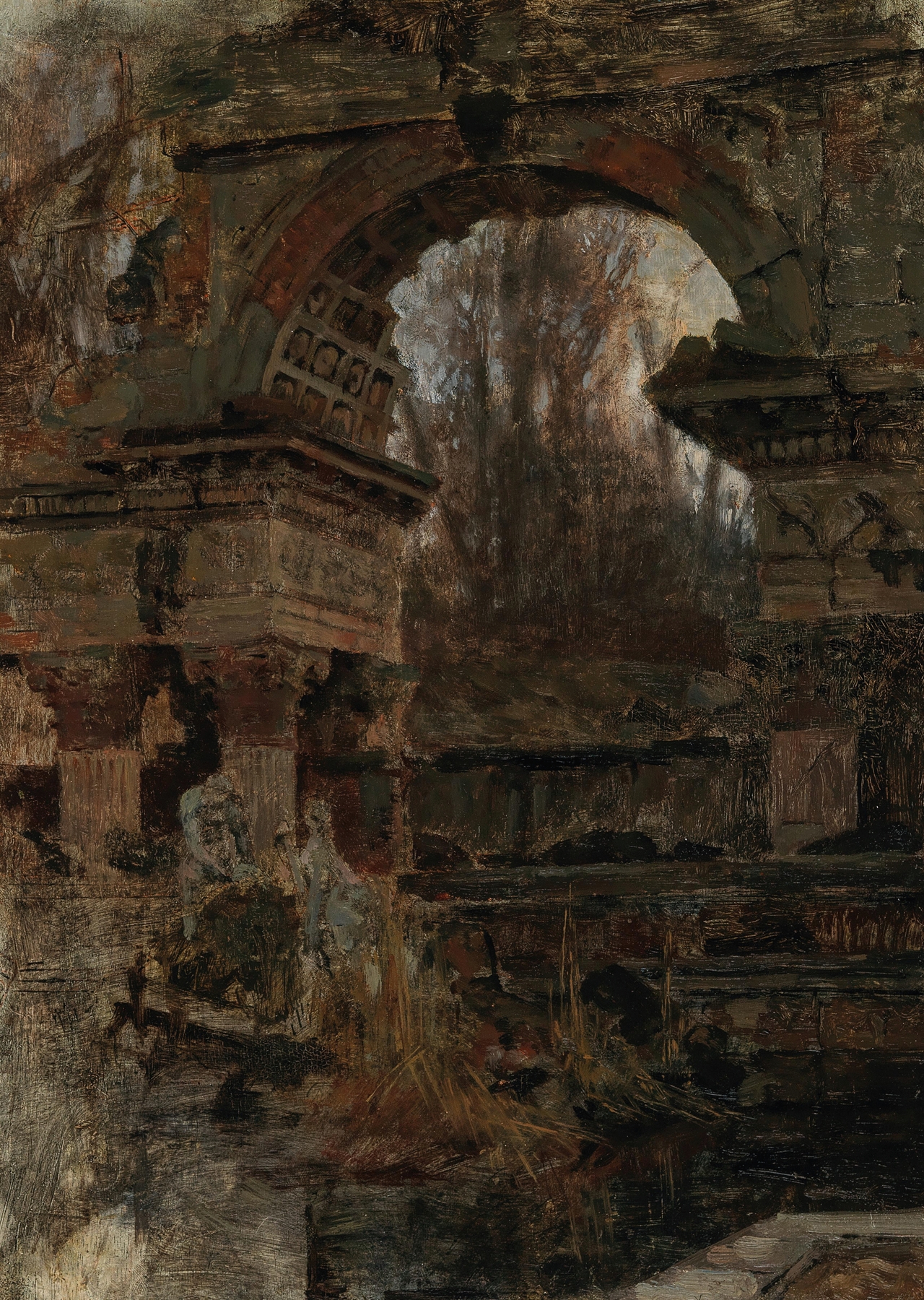
Could beauty survive in a century of chaos? Focus on the crumbling structure in the foreground, where soft greens and earthy browns evoke the lushness of nature reclaiming its territory. Notice how the light filters through the scattered foliage, casting dappled shadows that dance across the weathered stones, whispering stories of a forgotten glory. The palette of muted colors—gentle pastels mixed with deep, rustic tones—creates a harmonious balance, drawing the eye in to explore the delicate interplay between decay and regeneration.
As you delve deeper, observe the way the ruins stand defiantly against the backdrop of a serene landscape, symbolizing resilience amid adversity. The juxtaposition of the withering architecture and the vibrant growth surrounding it reflects a poignant tension: the past's fragility against nature’s tenacity. This contrast invites contemplation on the impact of time and the enduring essence of beauty, even when marred by violence and loss.
Carl Moll painted Römische Ruine in Schönbrunn during a time when he was deeply engaged with the Vienna Secession movement, which sought to challenge traditional norms and embrace modernity. While the exact date remains uncertain, Moll’s work emerged amid the rapid changes of the early 20th century in Austria, a period marked by both artistic innovation and societal upheaval. The ruins, possibly inspired by his visits to Schönbrunn Palace, serve as a metaphor for the interplay between art, history, and the relentless passage of time.