Robbing the Eagle’s Nest — History & Analysis
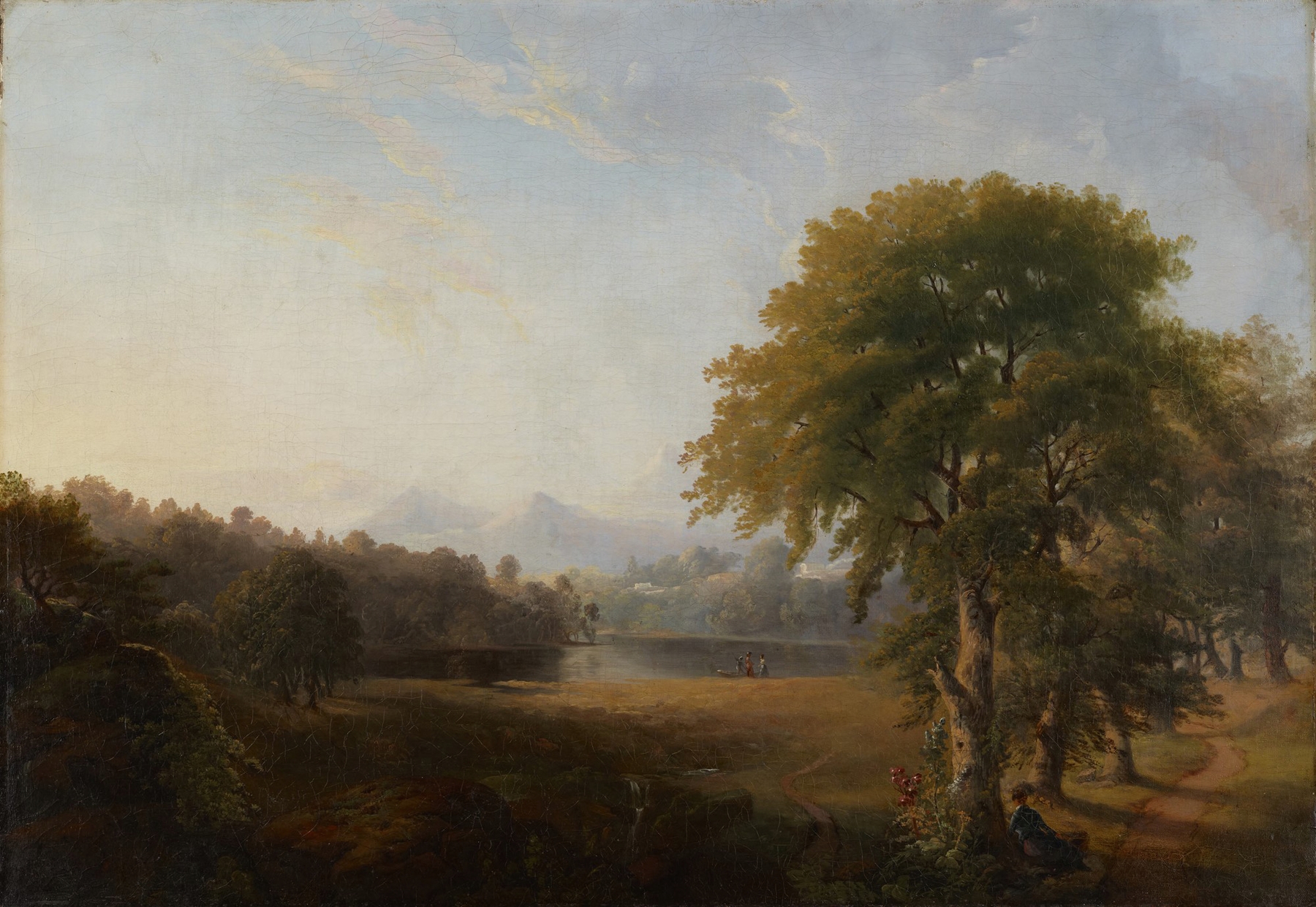
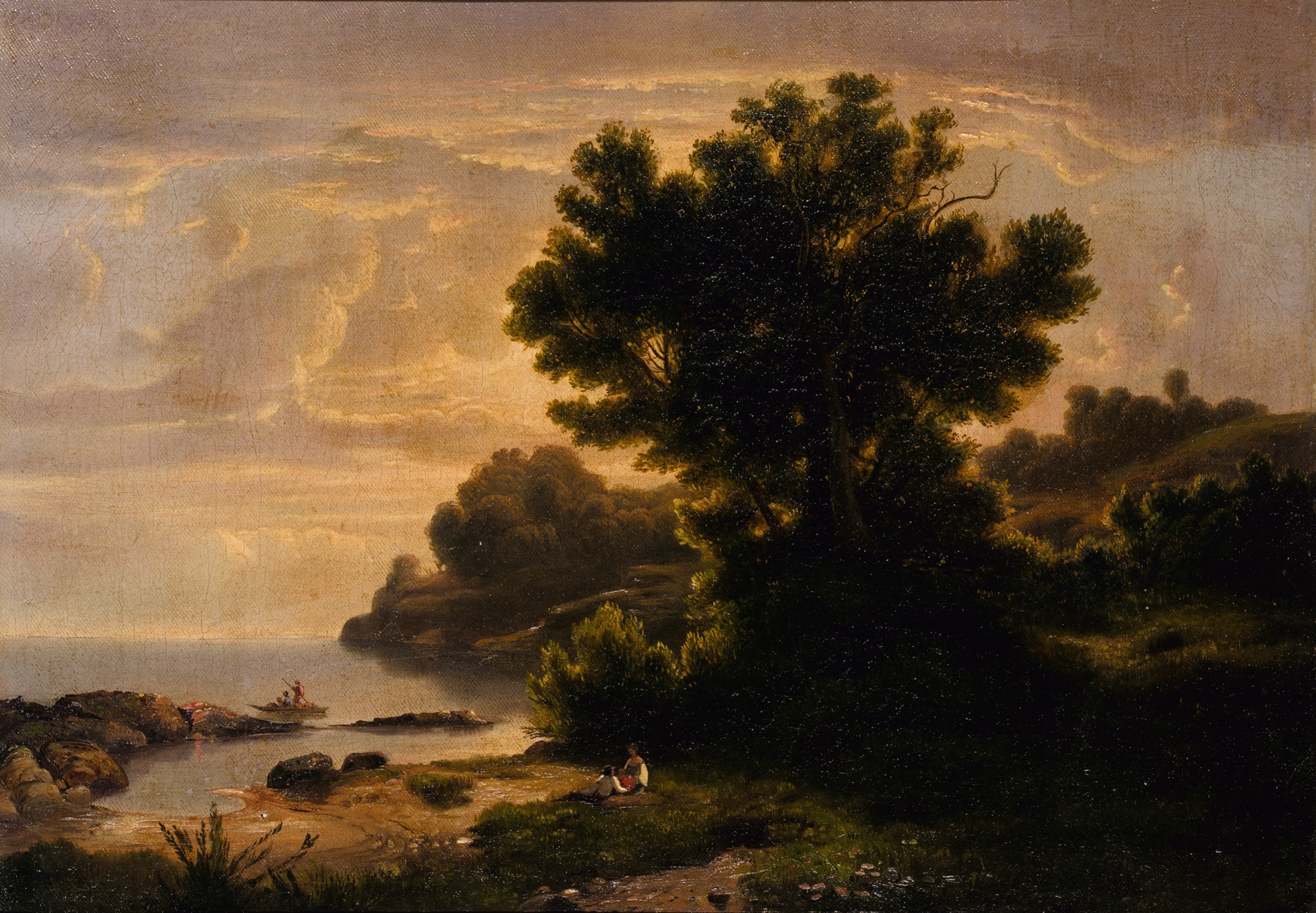
Can paint confess what words never could? In Robbing the Eagle’s Nest, light becomes the silent witness to a moment steeped in danger and curiosity, illuminating the delicate balance between nature's majesty and human ambition. Look to the center where a youthful figure, poised with outstretched hands, reaches toward the eagle’s nest nestled precariously on a branch. The sunlight filters through the verdant foliage, casting a golden hue on the boy’s determined expression, while the rich, earthy tones of the surrounding landscape contrast with the vibrant blues of the sky. Duncanson's skilled brushwork captures the intricate details of the feathers and leaves, inviting the viewer to admire the craftsmanship as much as the scene itself.
The tension in this piece reveals an emotional struggle between innocence and risk. The eagle, a symbol of power and freedom, watches over its domain, embodying nature’s fierce protection. Meanwhile, the boy's daring act speaks to human aspiration and the quest for knowledge, echoing themes of childhood wonder and the consequences of discovery. Each element in the composition, from the twisting branches to the shimmering light, serves as a conduit for these contrasting ideas.
Robert S. Duncanson painted Robbing the Eagle’s Nest in 1856, during a period when he was establishing himself as a prominent African American artist in a predominantly white art world. Living in Cincinnati, Ohio, he was influenced by the Hudson River School, embracing landscapes that depicted both beauty and the American experience. This work reflects Duncanson's mastery of light and nature, positioning him as a significant figure in American art history.