Lake George — History & Analysis
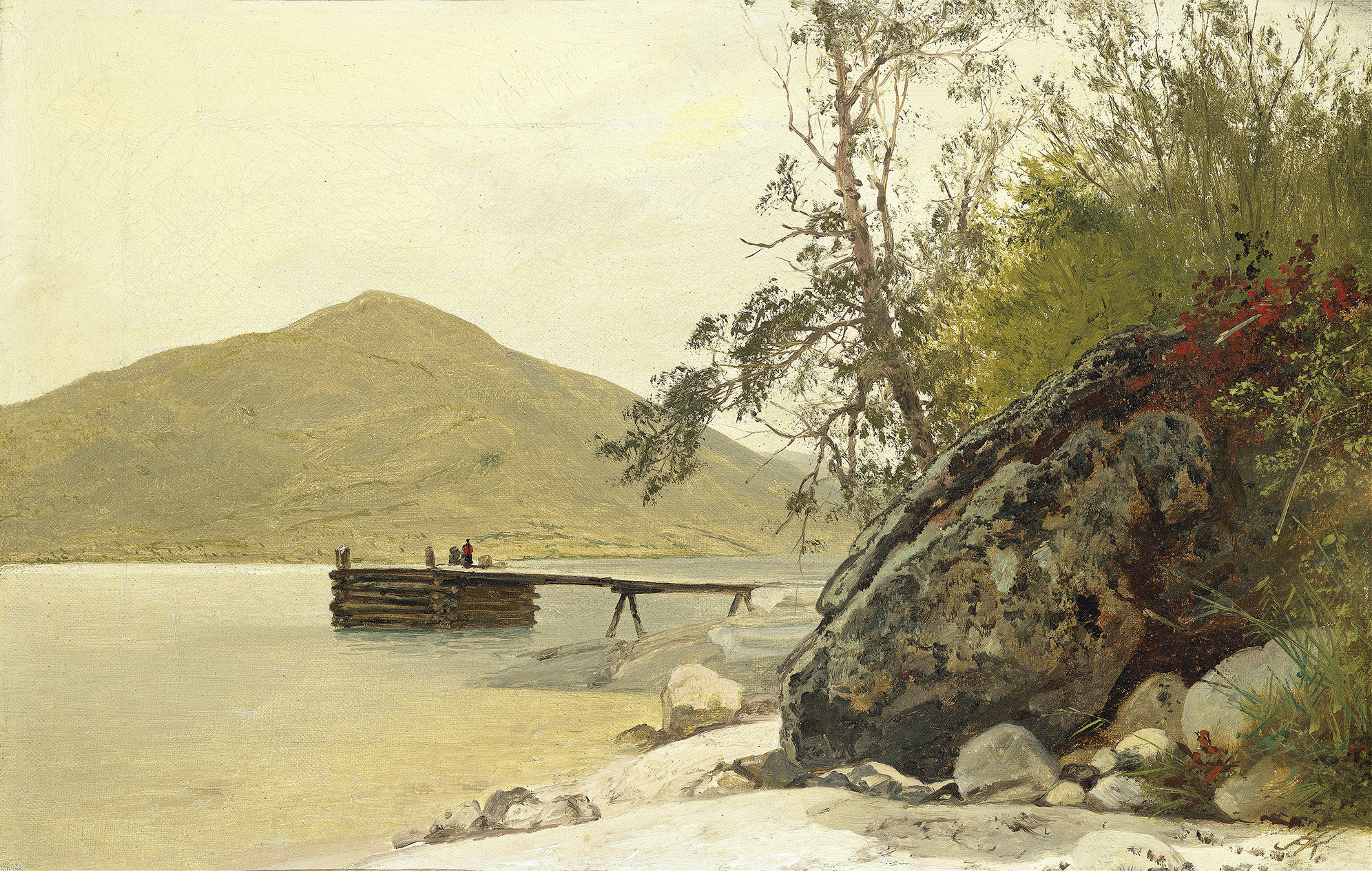
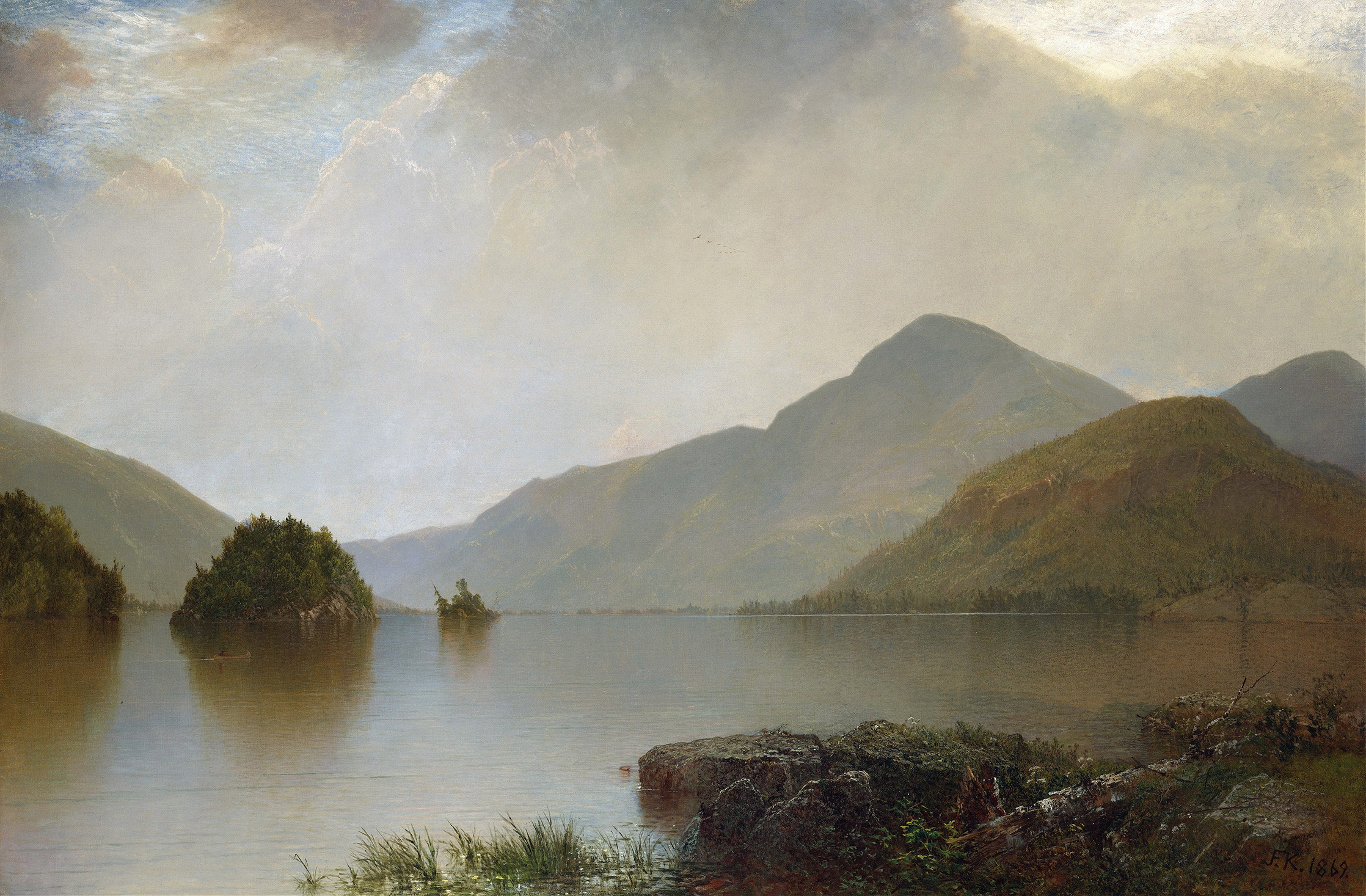
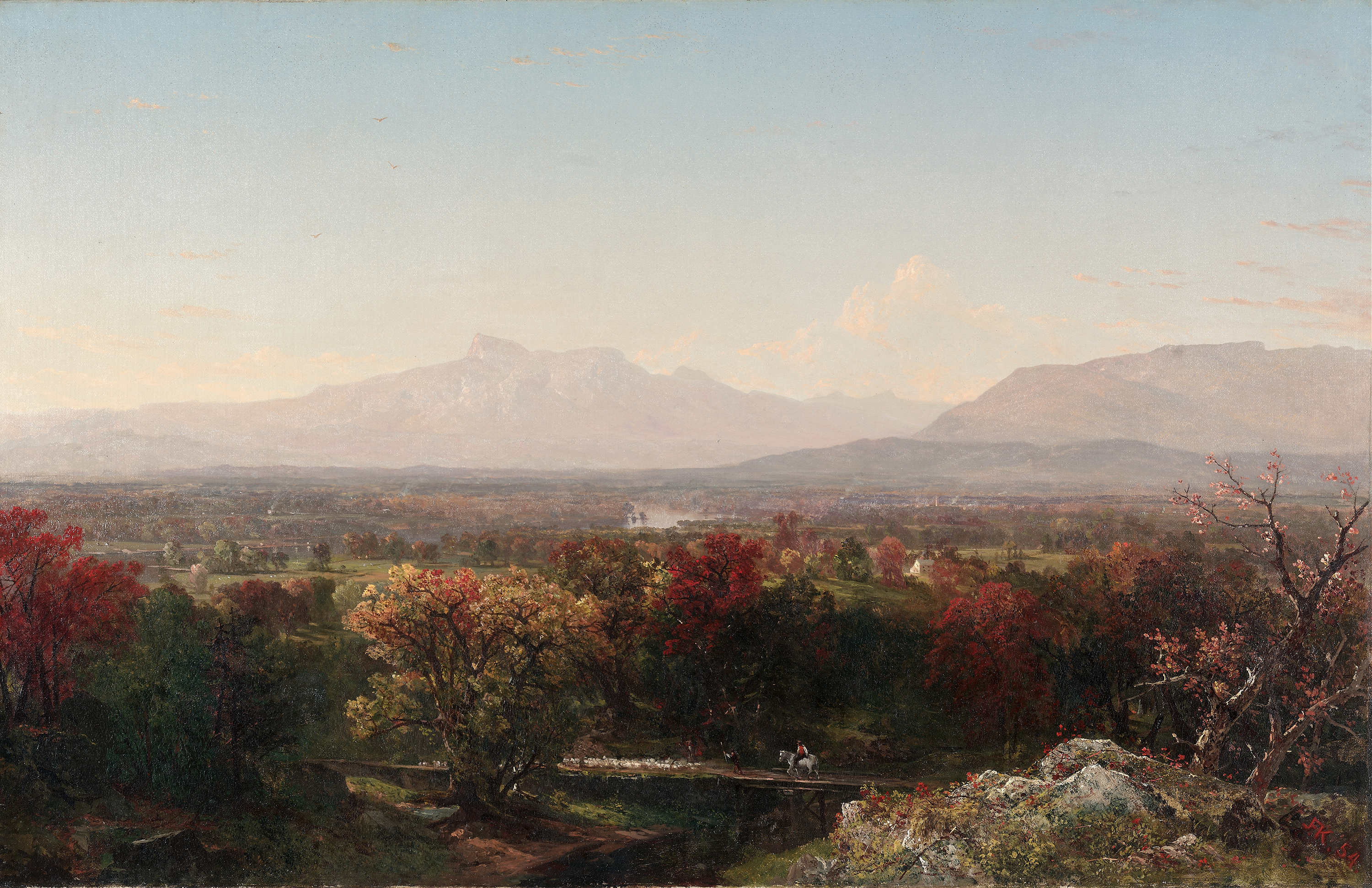
“Every silence here is a confession.” In the stillness of creation, the act of painting captures the essence of life and landscape, revealing secrets that only the quiet can contain. Look to the center of the canvas, where serene waters mirror the sky, their calm surface almost indistinguishable from the clouds above. The artist employs a delicate touch, blending soft blues and greens to evoke a sense of tranquility.
Notice how the gentle gradient of light illuminates the distant mountains, casting a serene glow that draws the eye toward the horizon, suggesting endless possibilities and a world waiting to be explored. As you explore further, you’ll uncover subtle contrasts: the vibrant greens of the foreground brush against the muted pastels of the sky. This juxtaposition not only enhances the depth of the composition but also reflects the tension between the bustling life below and the stillness above.
Each ripple in the water whispers stories of connections, while the untouched nature around it speaks to the quiet resilience of creation, emphasizing the harmonious balance between chaos and serenity. In 1870, while creating Lake George, the artist found himself immersed in the natural beauty of the American landscape, reflecting a growing interest in the sublime aspects of nature characteristic of the Hudson River School. During this period, Kensett's work evolved as he sought to convey an emotional response to the landscape, and the United States was entering a phase of cultural introspection, emphasizing the significance of nature amidst rapid industrialization.