Rocky Promontory — History & Analysis
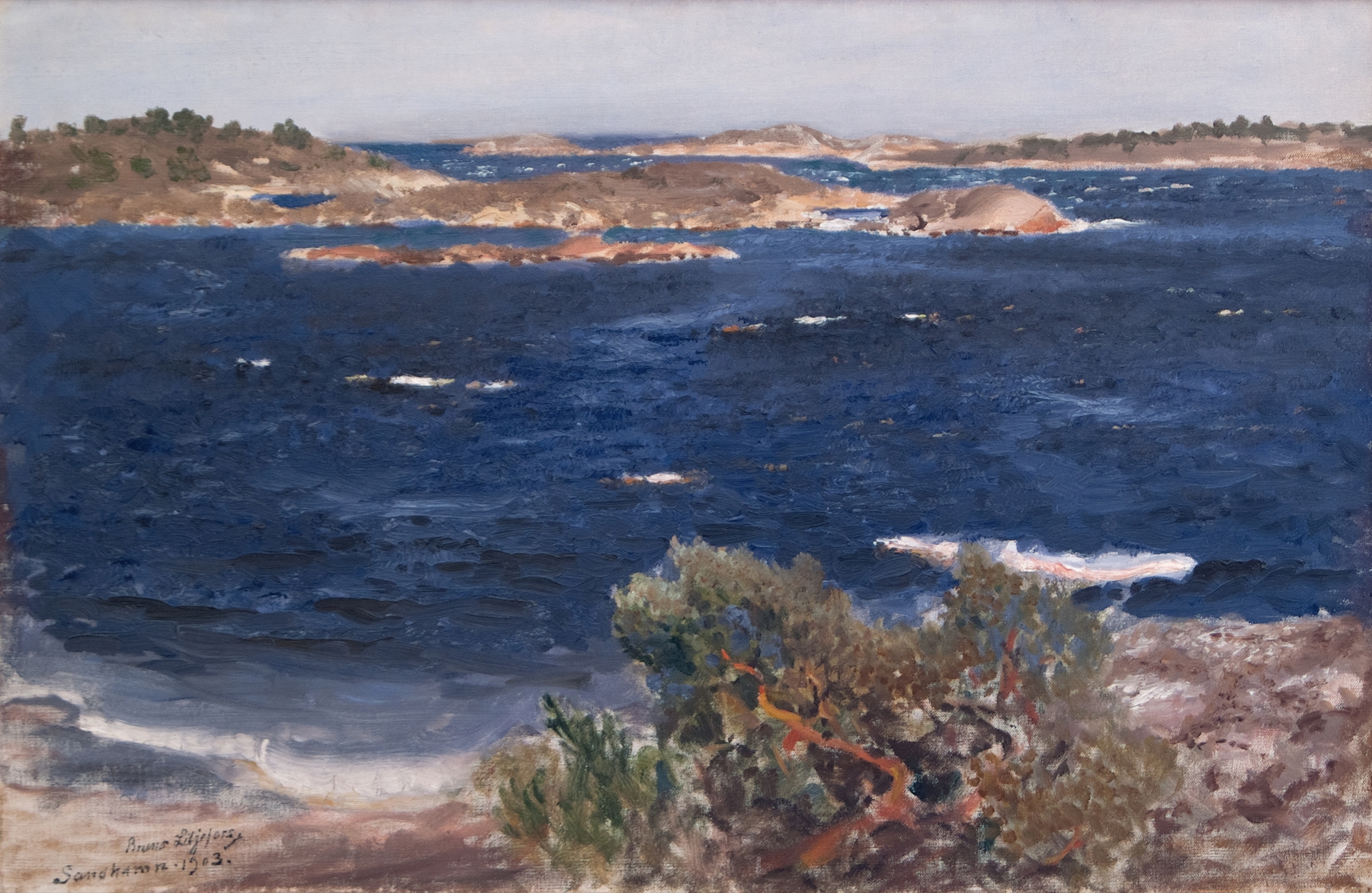
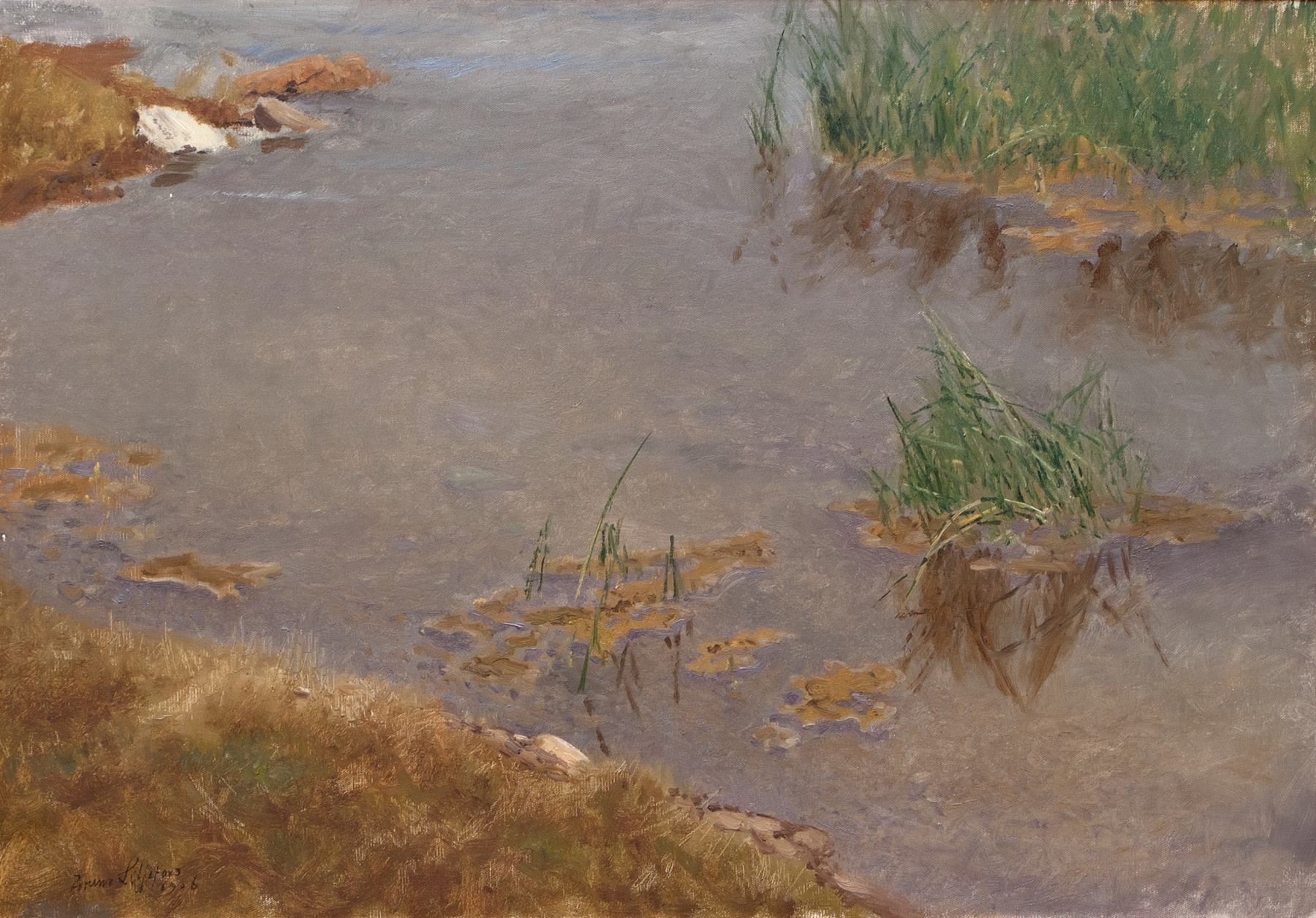
“To paint is to remember what time wants us to forget.” In the stillness of Rocky Promontory, a powerful awakening unfolds, where nature's elements whisper stories untold. The viewer is invited to witness this serene yet potent moment that captures the essence of life itself. Look to the foreground, where the rugged rocks jut out defiantly against a soft horizon. Notice the interplay of deep greens and blues, forming a contrast that evokes both stability and transience.
The brushwork is dynamic, with layered textures that suggest the roughness of the terrain, while the gentle sky above provides a delicate counterbalance, hinting at the possibility of change. The composition draws your eye inward, creating an impactful dialogue between the solid earth and the ethereal atmosphere. Delve deeper, and you’ll find a quiet tension in the juxtaposition of light and shadow, suggesting the relentless passage of time. The vibrant hues imply renewal, yet the jagged cliffs remind us of the enduring nature of the earth itself—a fleeting moment against an eternal backdrop.
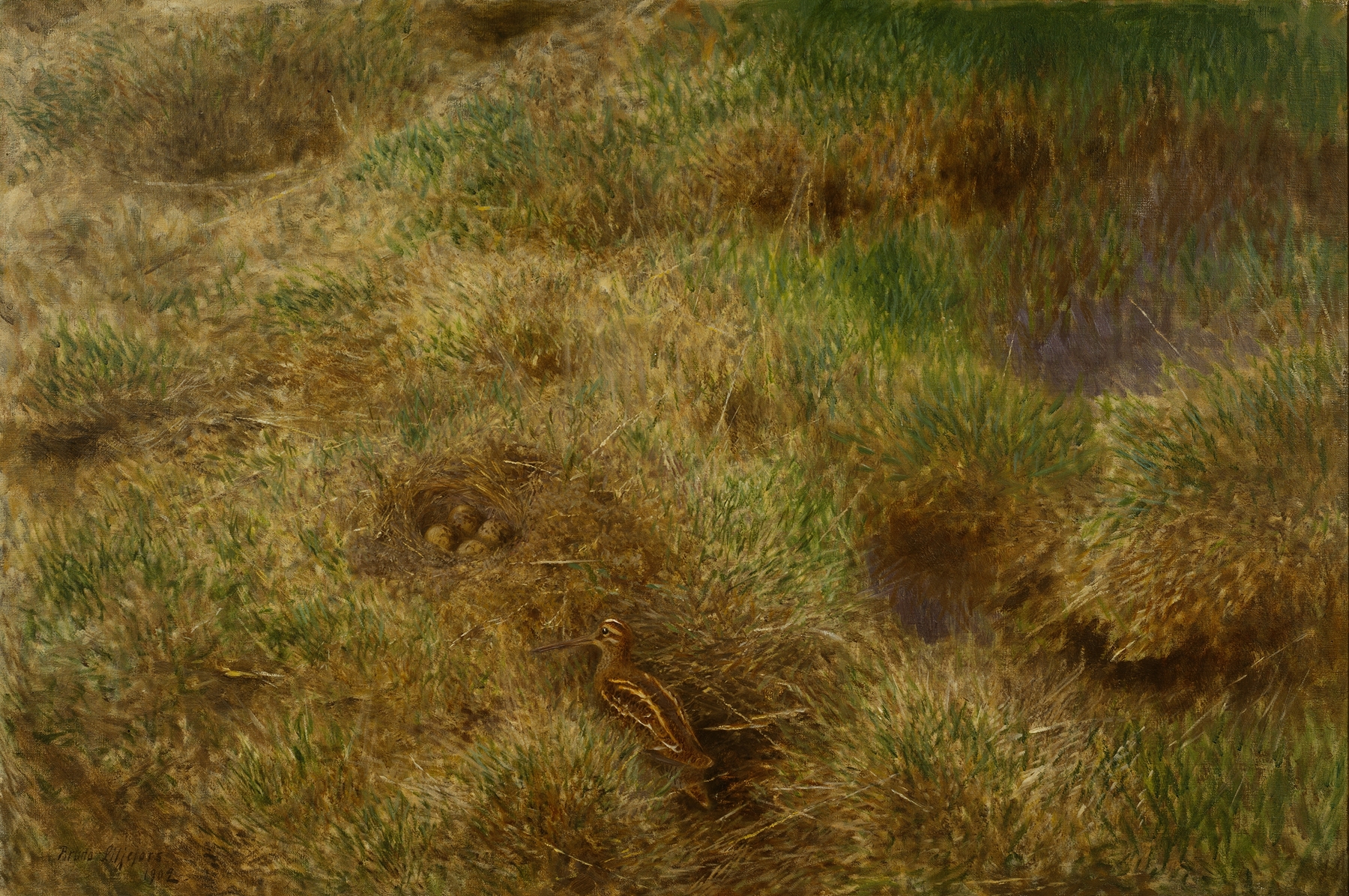
This duality speaks to the cycle of life and the awakening that comes with each dawn, as if the landscape awakens from slumber with stories etched in every crevice. In 1902, the artist was immersed in the natural beauty of Sweden, a time when the movement toward realism in landscape painting was gaining momentum. Liljefors sought to capture the essence of his surroundings, influenced by the Impressionist style while remaining grounded in the details of his native land. At this point in his career, he was transitioning towards a more expressive representation of nature—a pivotal moment in his journey as an artist.