Rome, The Pantheon — History & Analysis
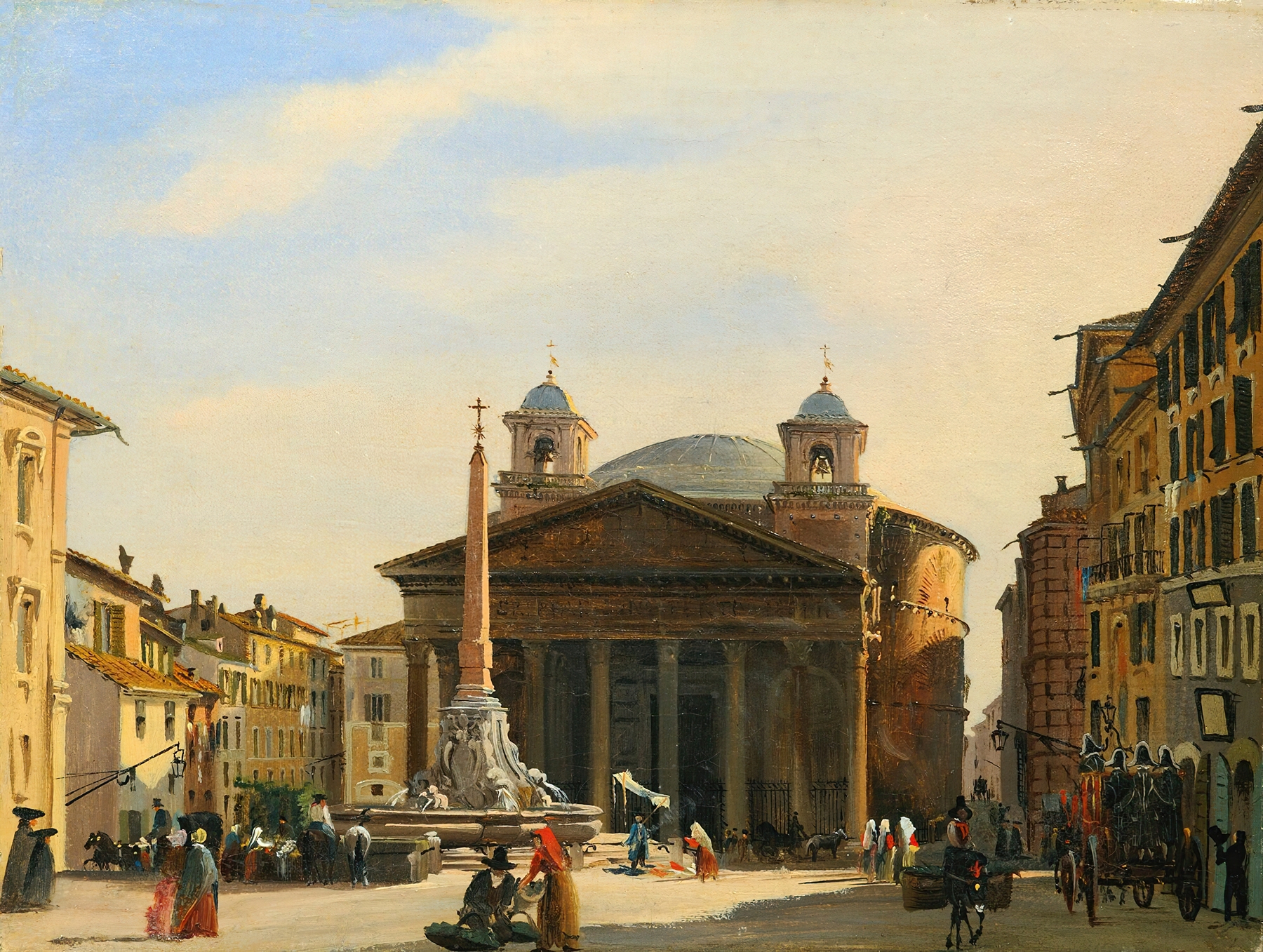
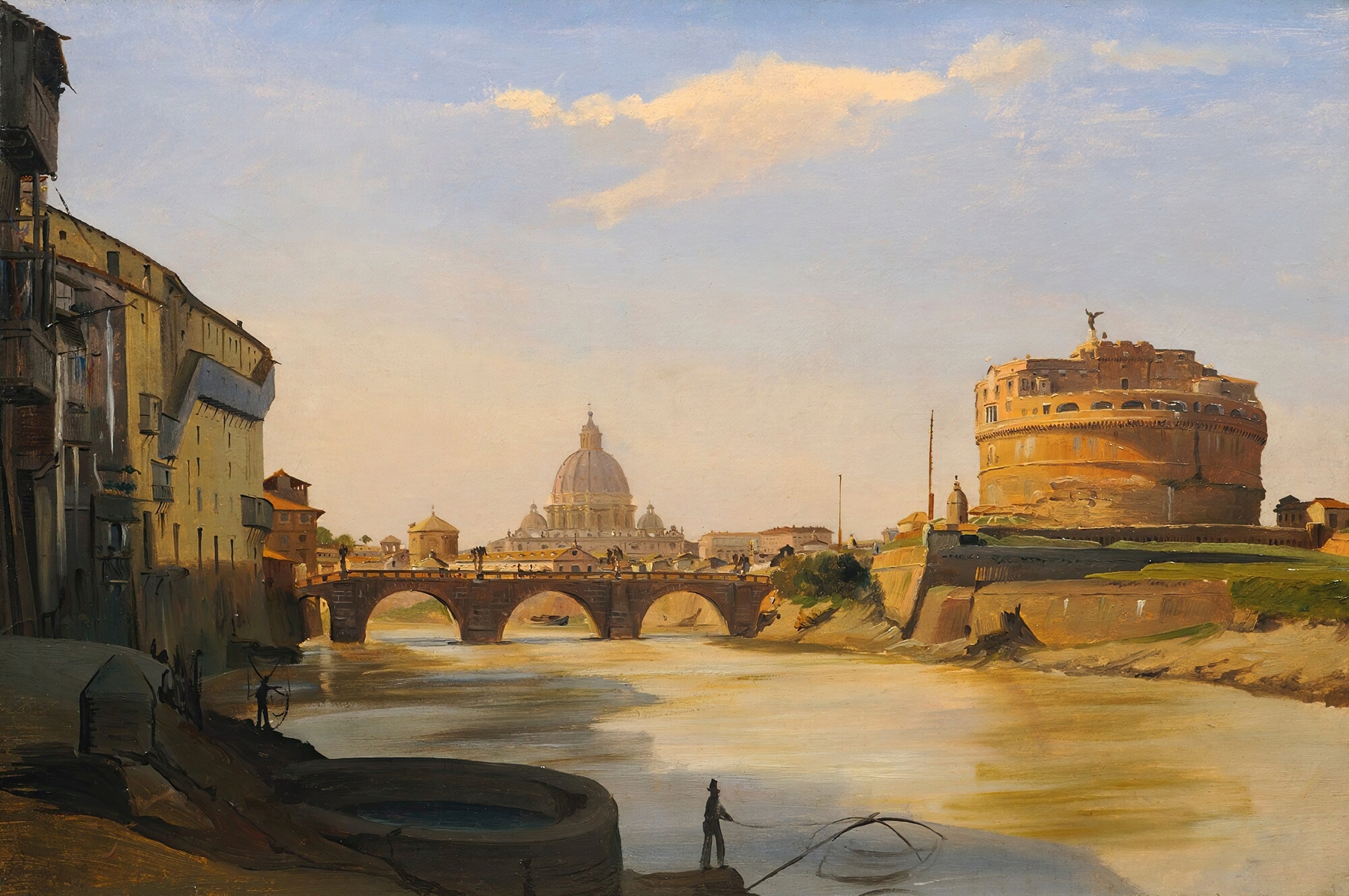
“Art reveals the soul when the world turns away.” In the silent embrace of decay, beauty emerges—fragile yet profound, a testament to time's relentless tick. Focus first on the majestic dome that looms above, an architectural marvel painted with precision. The light filters through the oculus, casting a soft glow that dances across the weathered stone and illuminating the intricate details around the entrance. Notice how Caffi's brushstrokes capture the subtle play of light and shadow, revealing the Pantheon’s grandeur while simultaneously hinting at its age and deterioration.
Beneath the surface of this majestic structure lies a world of contrasts. The interplay between the vibrant glimmers of sunlight and the accumulating shadows evokes a poignant sense of nostalgia for what once was. The crumbling edges of the ancient stones whisper stories of past glory, inviting viewers to reflect on the inevitable passage of time. Caffi’s attention to these nuances reveals a deeper commentary on decay—not merely a physical reality but a haunting beauty that celebrates both history and transience.
In 1843, Ippolito Caffi painted this scene while residing in Rome, a city steeped in history and artistic fervor. At this time, the neoclassical movement was waning, giving way to romanticism, which sought to evoke emotional responses and a deep connection to nature and history. Caffi, navigating these changes, infused his work with a sense of longing and reverence for the past, capturing the Pantheon not merely as a monument but as a living testament to the passage of time.