Rough Sea with Ships — History & Analysis
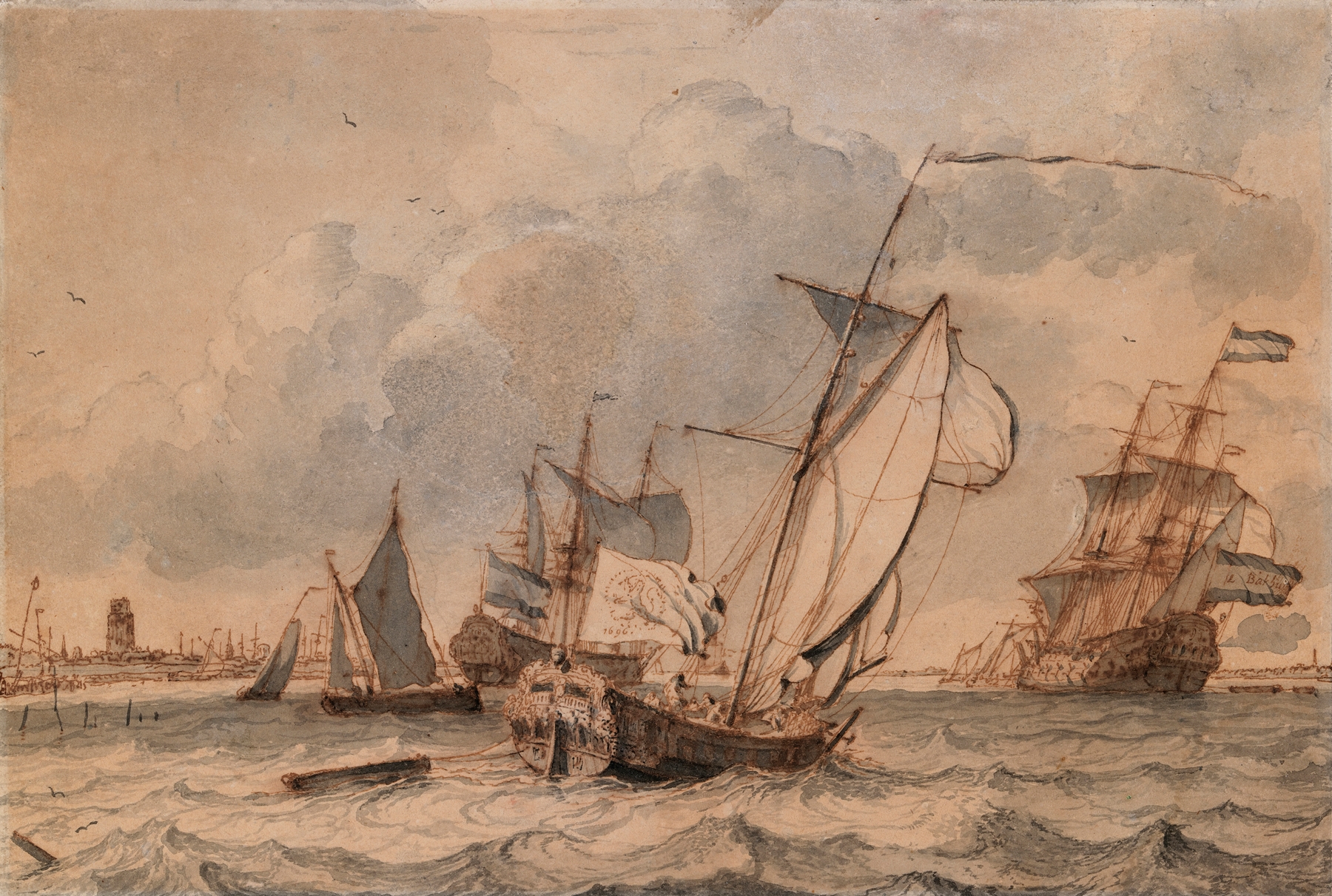
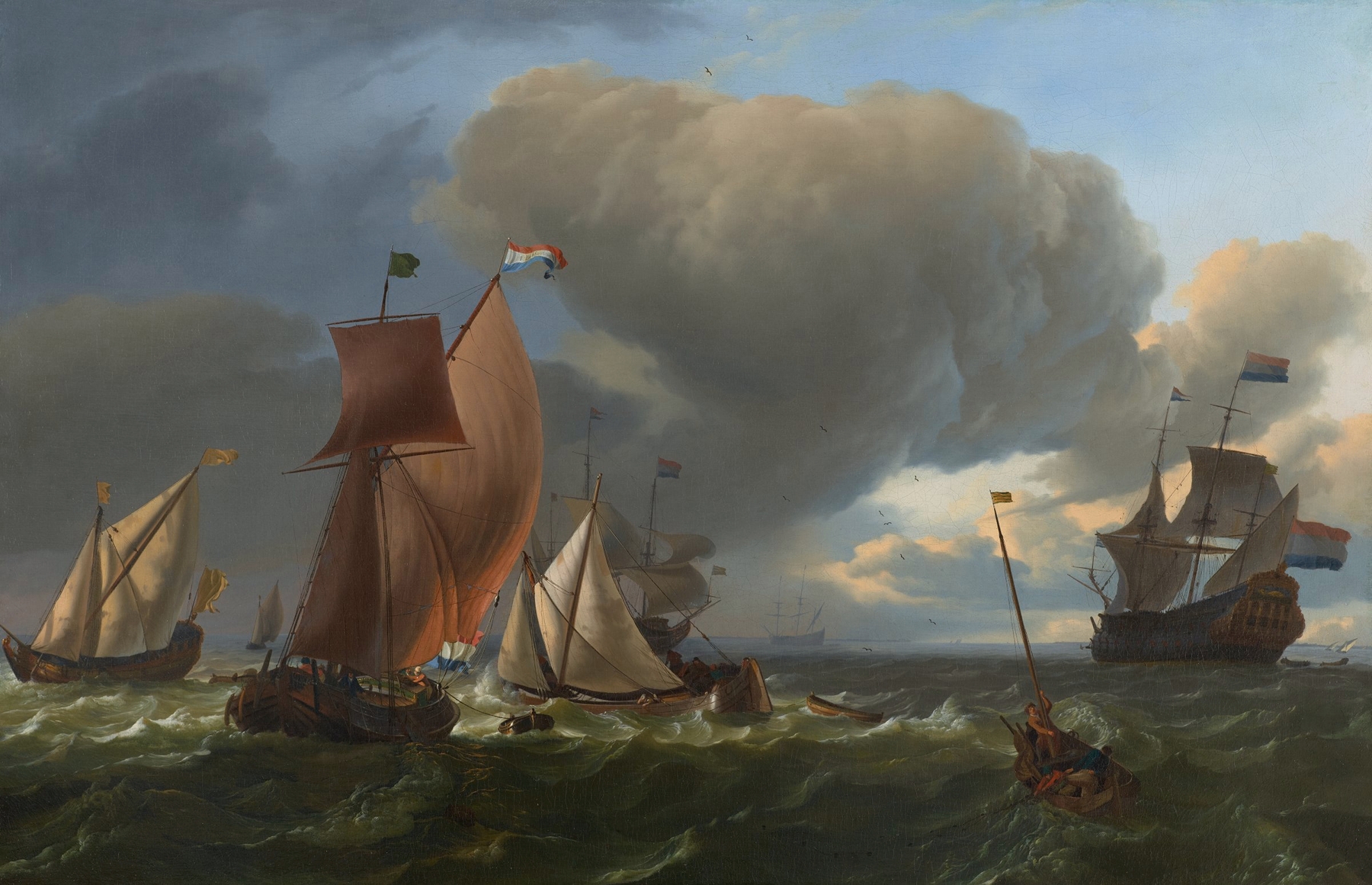
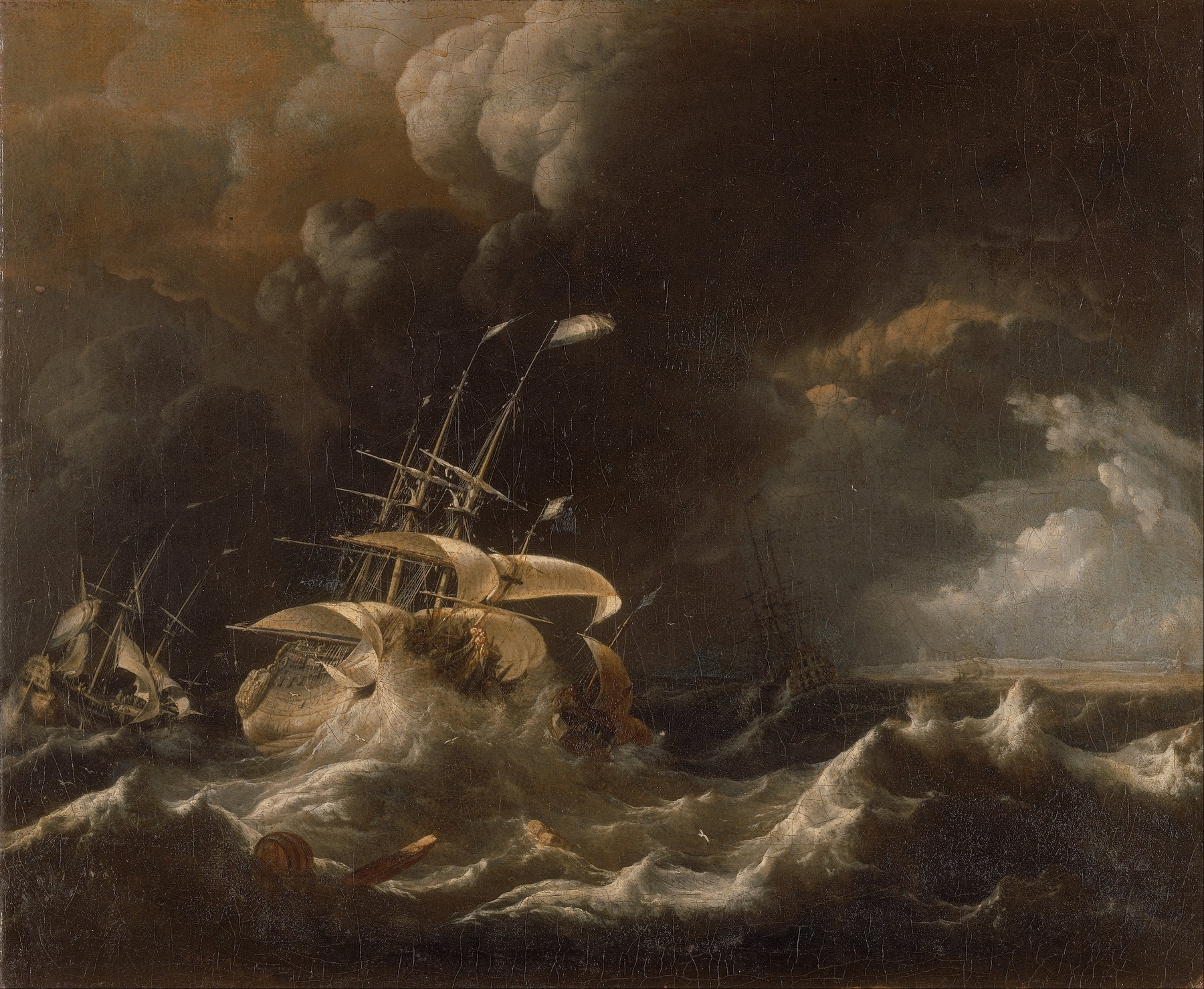
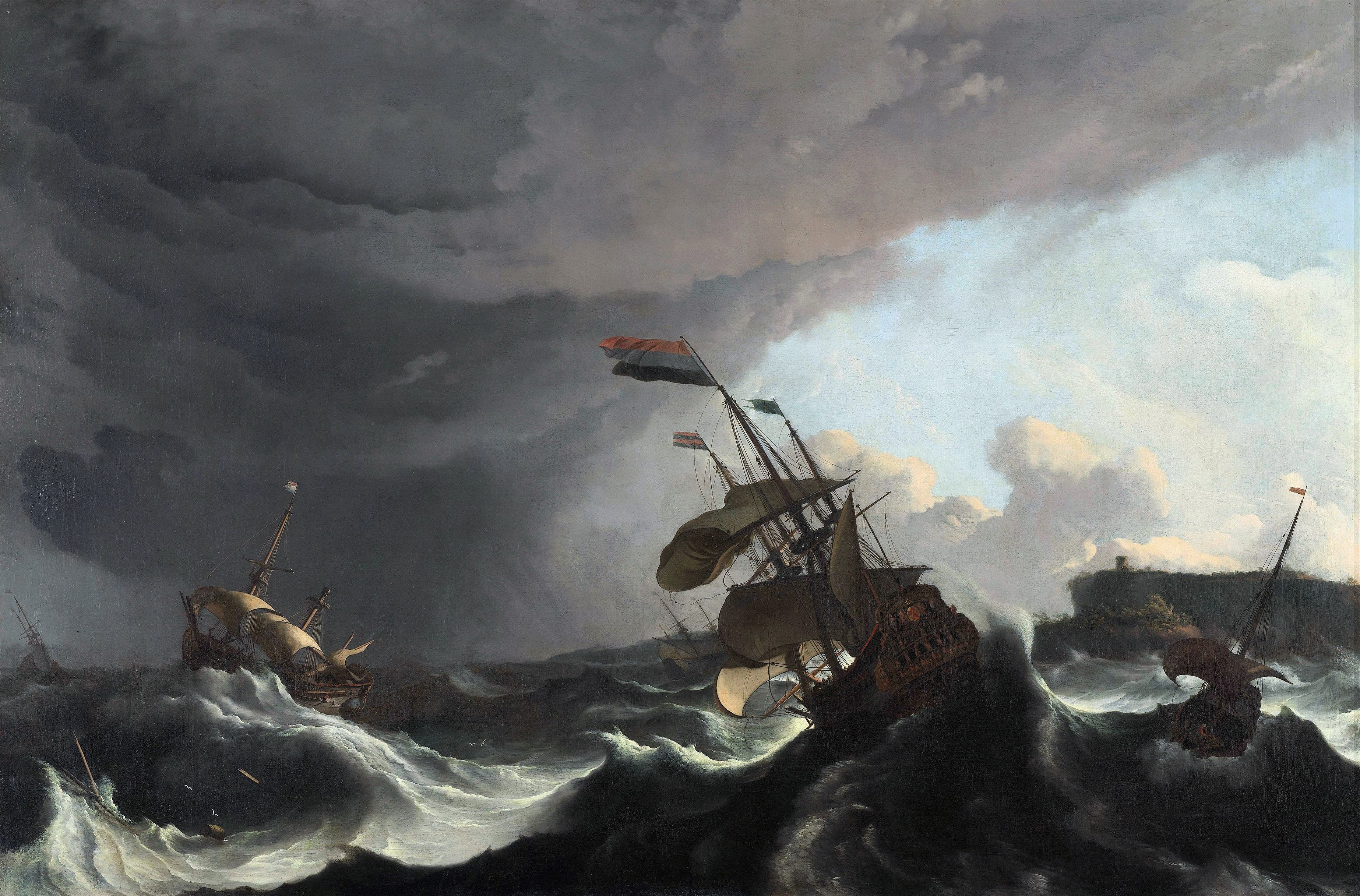
“To paint is to remember what time wants us to forget.” In chaos, there exists a testament to resilience, a fleeting moment suspended in nature’s tempestuous grasp. Look to the center of the canvas, where tumultuous waves rise like icy mountains, threatening the small ships battling against them. Notice how the artist's skillful brushwork conveys the roiling sea, each stroke infused with energy and urgency, while the palette of deep blues and grays accentuates the storm's ferocity. The white froth of the waves contrasts sharply with the darkening sky, creating a dramatic interplay of light and shadow that pulls the viewer into the heart of the storm.
Within the chaos, hidden meanings emerge; the ships, fragile yet determined, symbolize human tenacity in the face of nature's fury. The relentless sea evokes an emotional tension, representing life’s unpredictability and the struggle against overwhelming odds. The scattered clouds hint at a glimmer of hope, suggesting that even in turmoil, there lies the possibility of calm, a reprieve waiting on the horizon.
Ludolf Backhuysen painted Rough Sea with Ships in 1697, during his time in Amsterdam, where he became one of the foremost marine painters of his era. The late 17th century was marked by vivid exploration and maritime expansion, reflecting humanity's complex relationship with the sea, as well as the growing interest in atmospheric effects and realism in Dutch art. This work captures a moment where the chaos of nature mirrors the spirit of the age, encapsulating both the danger and beauty of the world around us.