Rue Mont-Cenis, Montmartre — History & Analysis
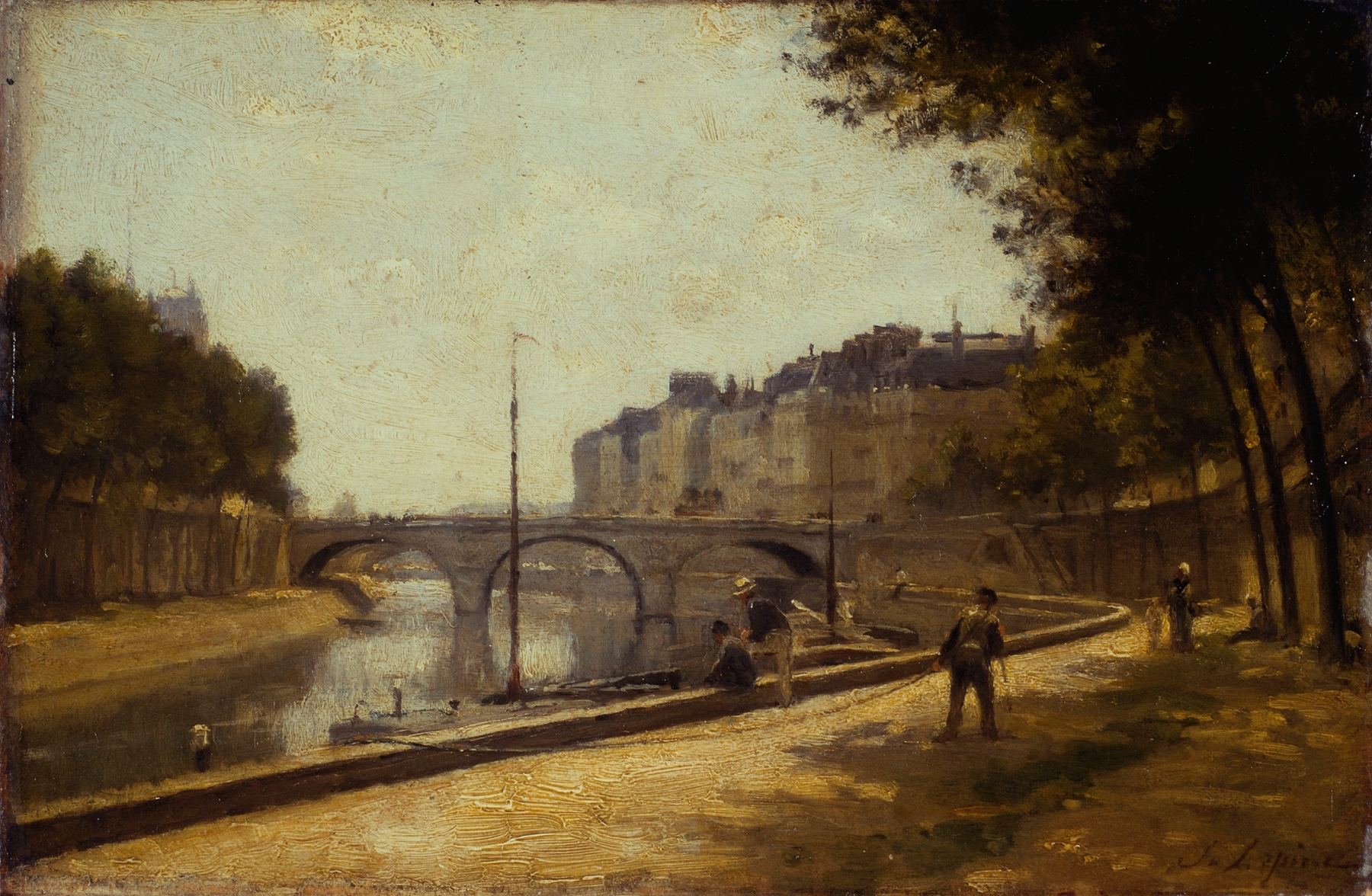
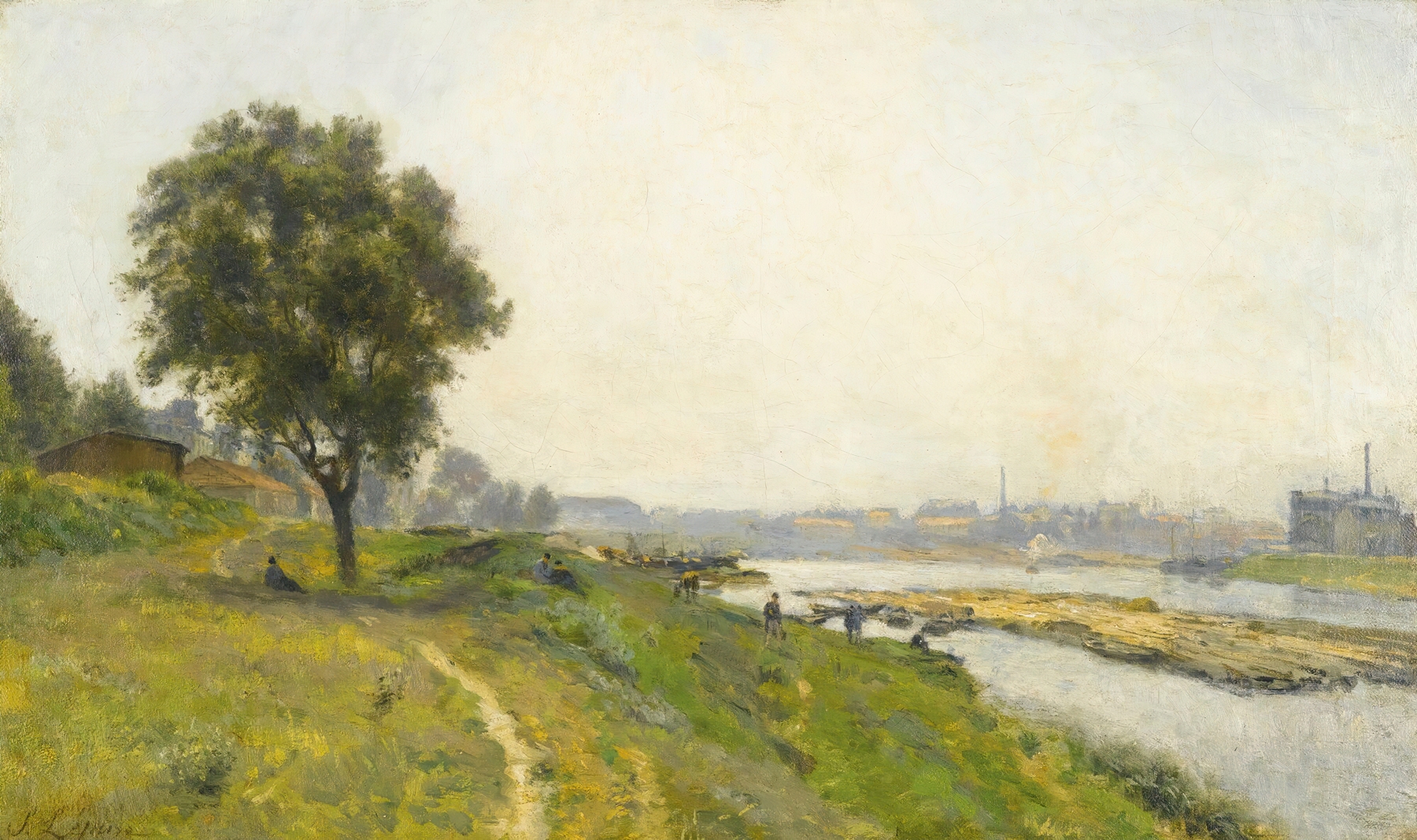
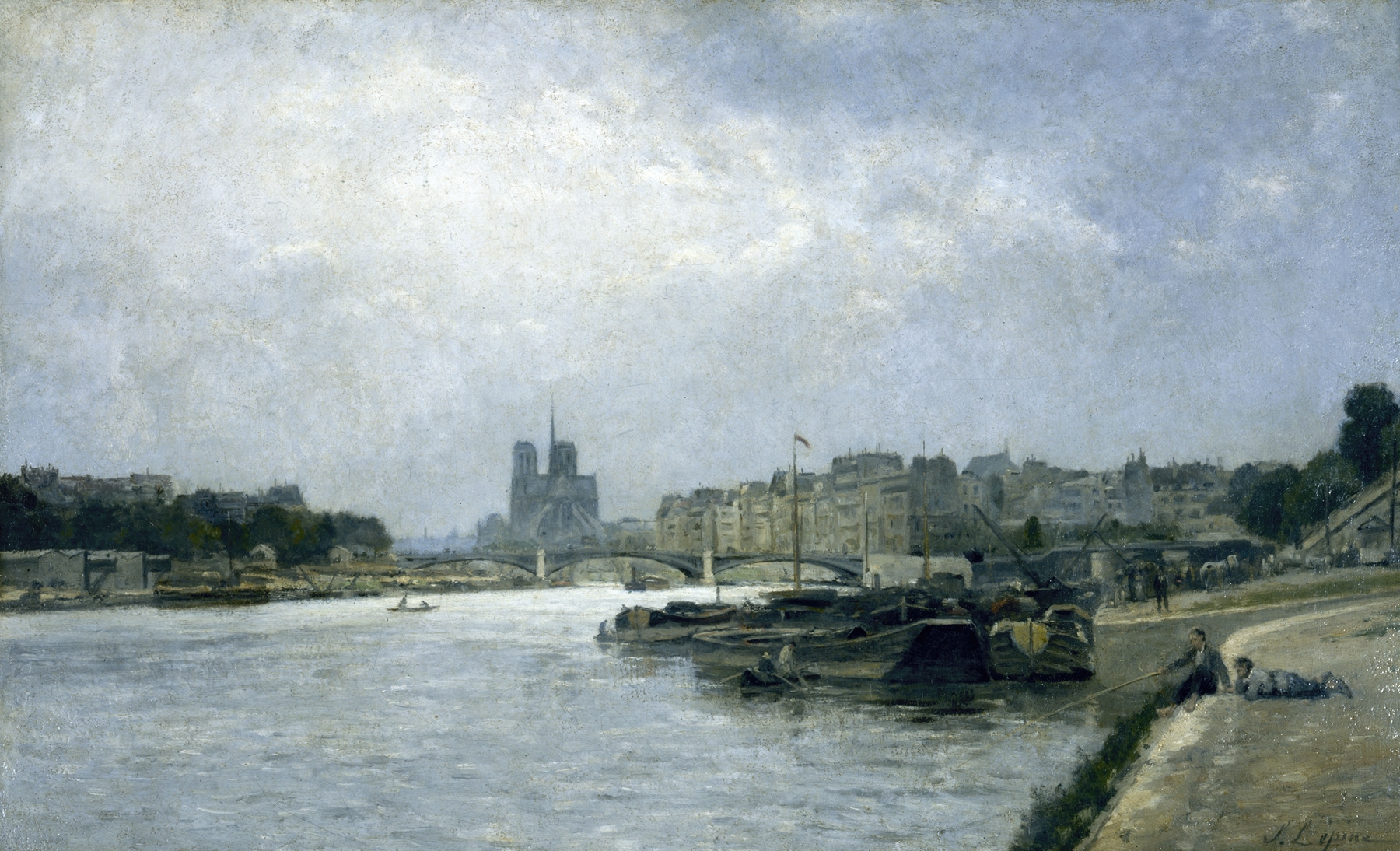
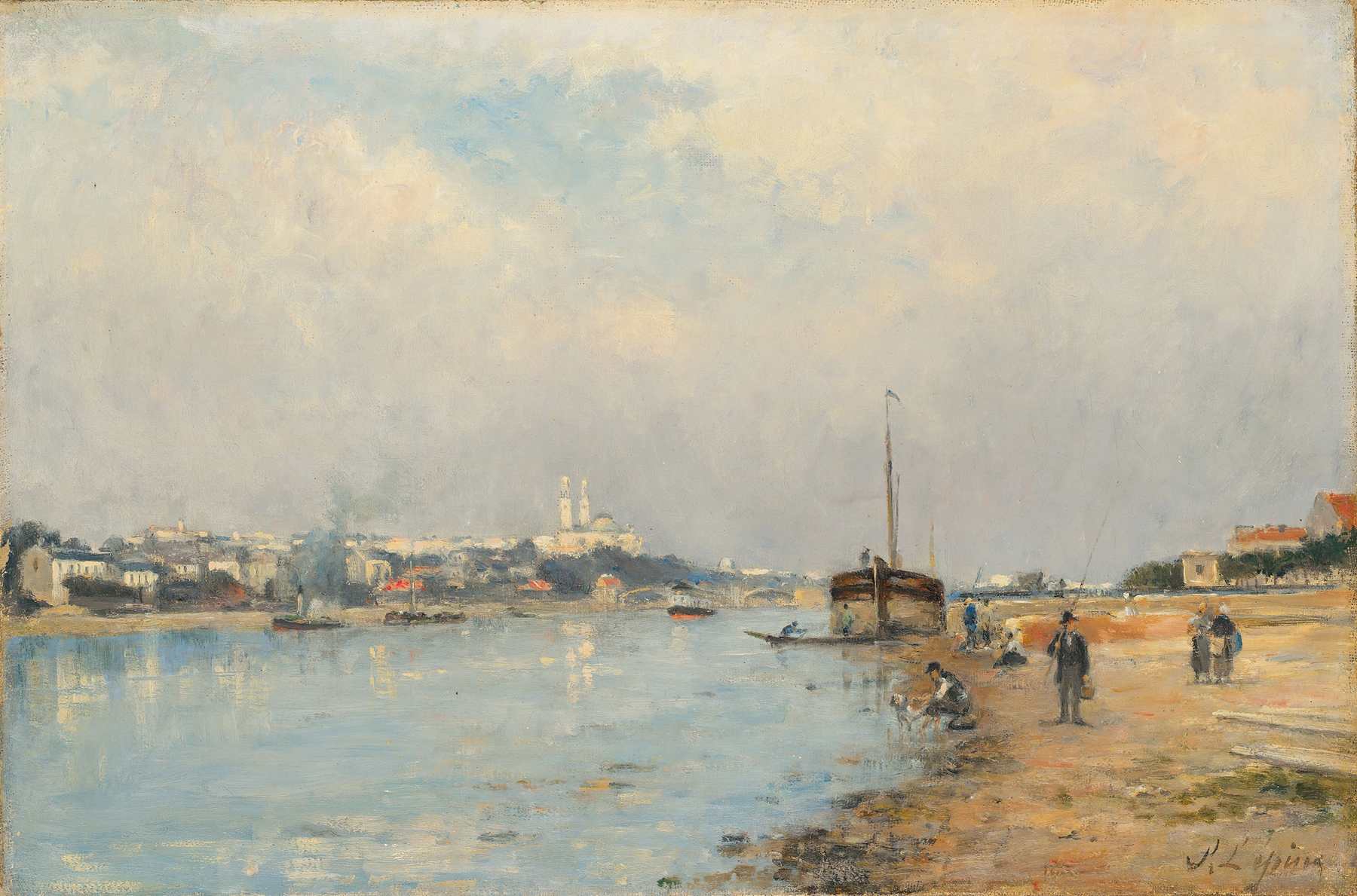
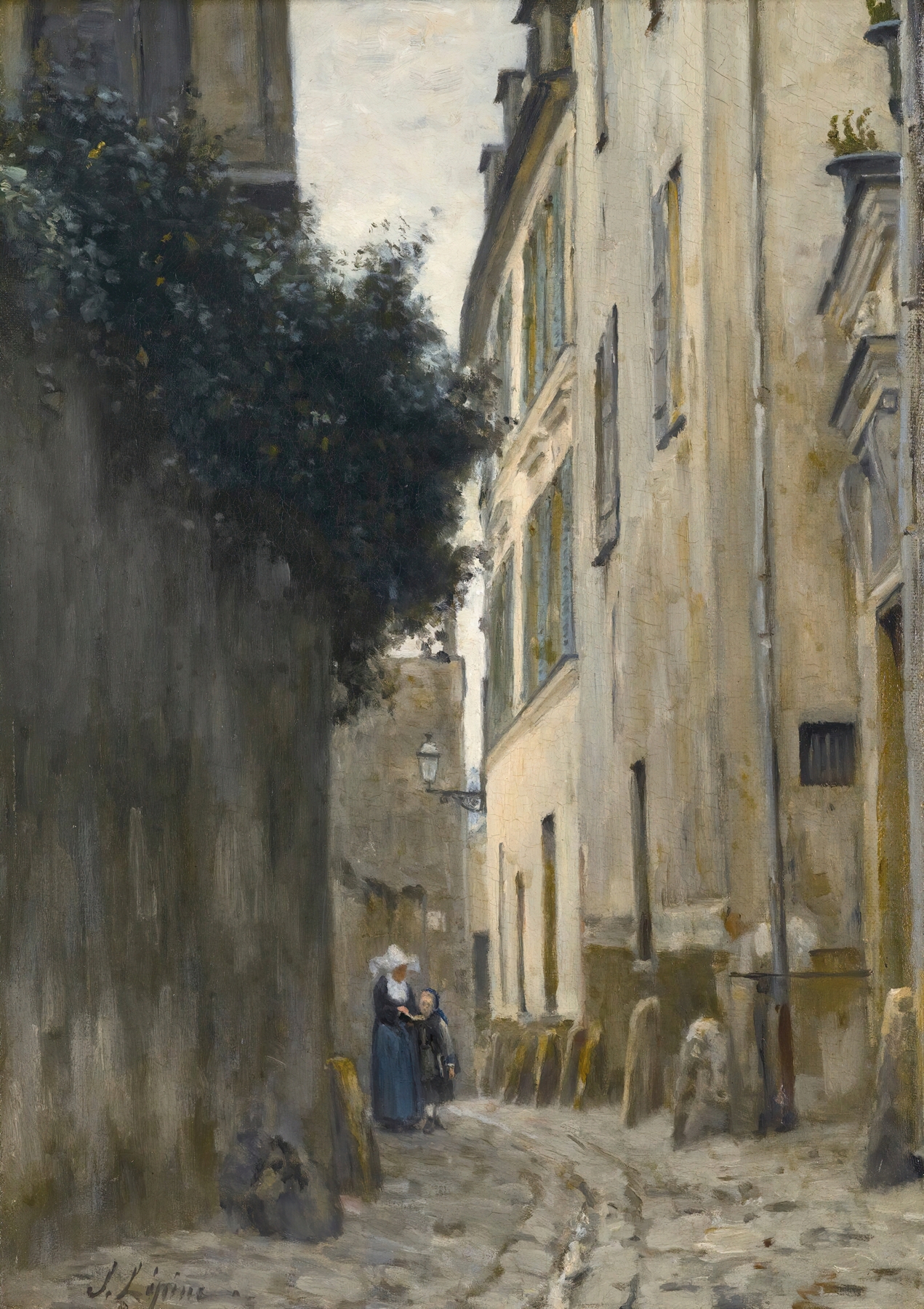
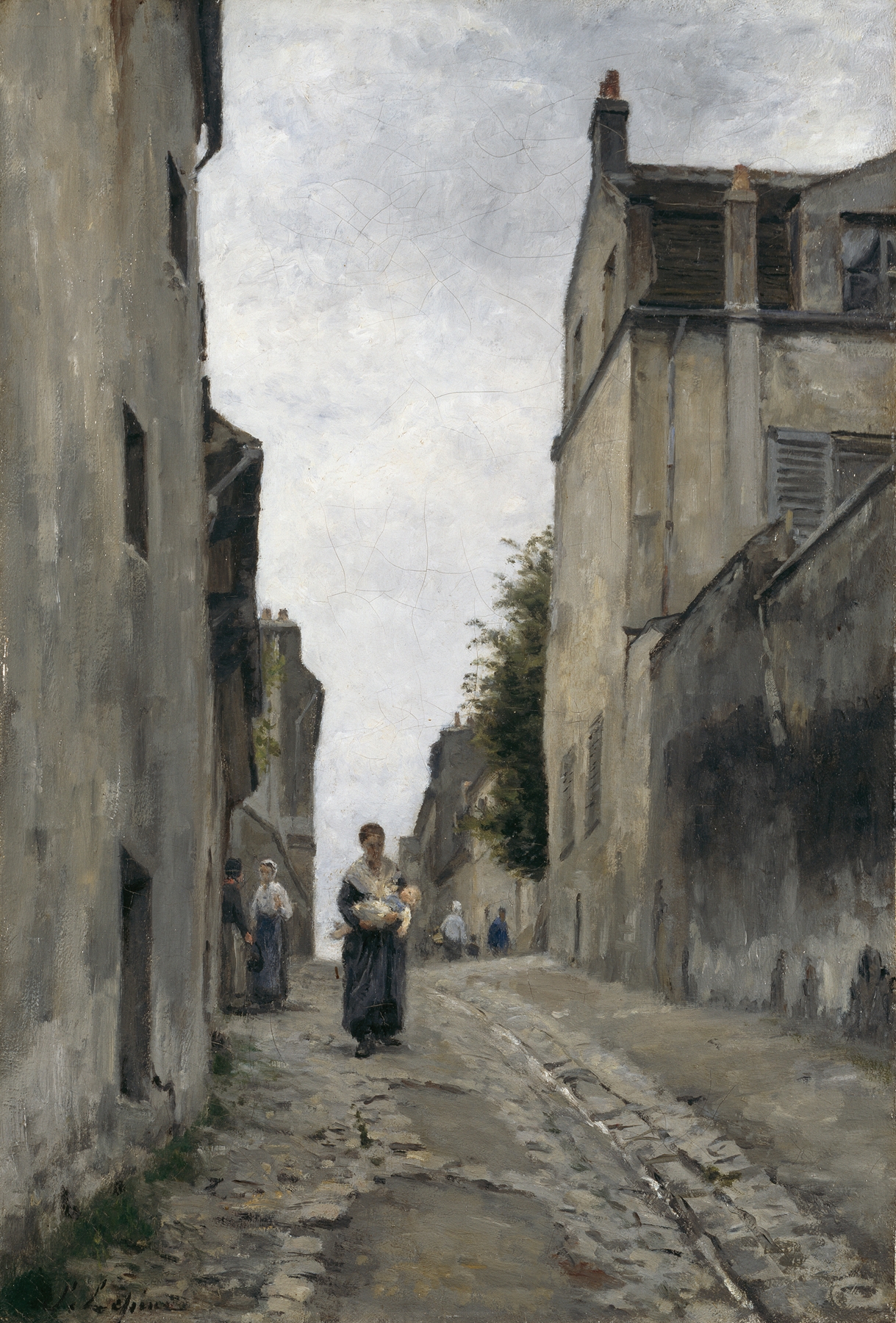
Can beauty exist without sorrow? In the quiet embrace of Montmartre, a world of vibrant colors and soft silhouettes whispers tales of love and betrayal, unseen beneath the surface of this idyllic scene. Look to the left at the gentle incline of the cobblestone street, where a warm golden light bathes the rustic buildings in a soft glow. Notice how the rooftops softly curve against the evening sky, each stroke of Lépine’s brush bringing life to the textures of the facades.
The subtle interplay of light and shadow draws your eye to the figures wandering, their movements fluid yet uncertain, as if caught in a moment of hesitation. The palette, rich in earthy tones, conveys both a warmth of familiarity and an undercurrent of melancholy. As you delve deeper, consider the emotional layers at play: the juxtaposition between the lively colors and the solitary figures suggests an unspoken tension, a yearning for connection amid the backdrop of daily life. The solitary lamppost stands sentinel, casting its glow over the cobblestones, a symbol of hope and guidance, yet it also highlights the isolation of those meandering through the scene.
Each element, from the arching trees to the distant horizon, hints at stories of lost love and unfulfilled promises, the painter’s brush capturing the allure of Montmartre, layered with the bittersweet. Stanislas Lépine painted this captivating piece around 1872 while living in Paris, a city in the throes of artistic transformation. It was a time marked by the rise of Impressionism, where artists sought to capture fleeting moments. Lépine, influenced by his contemporaries yet distinct in his approach, reflected his inner world and the emotional complexities of human experience through the lens of everyday life, grounding his work in the rich textures of the city he adored.