Ruhige See — History & Analysis
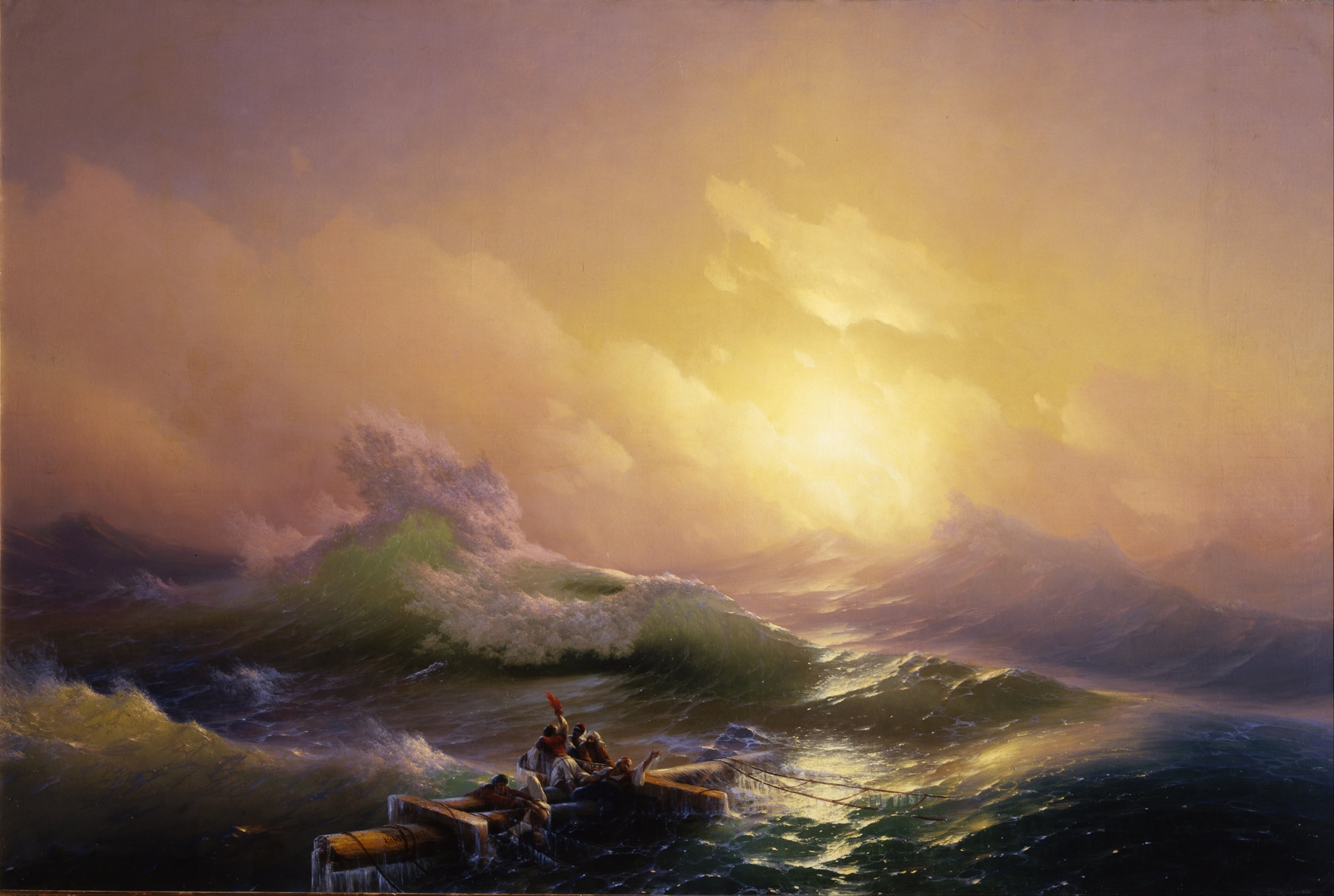
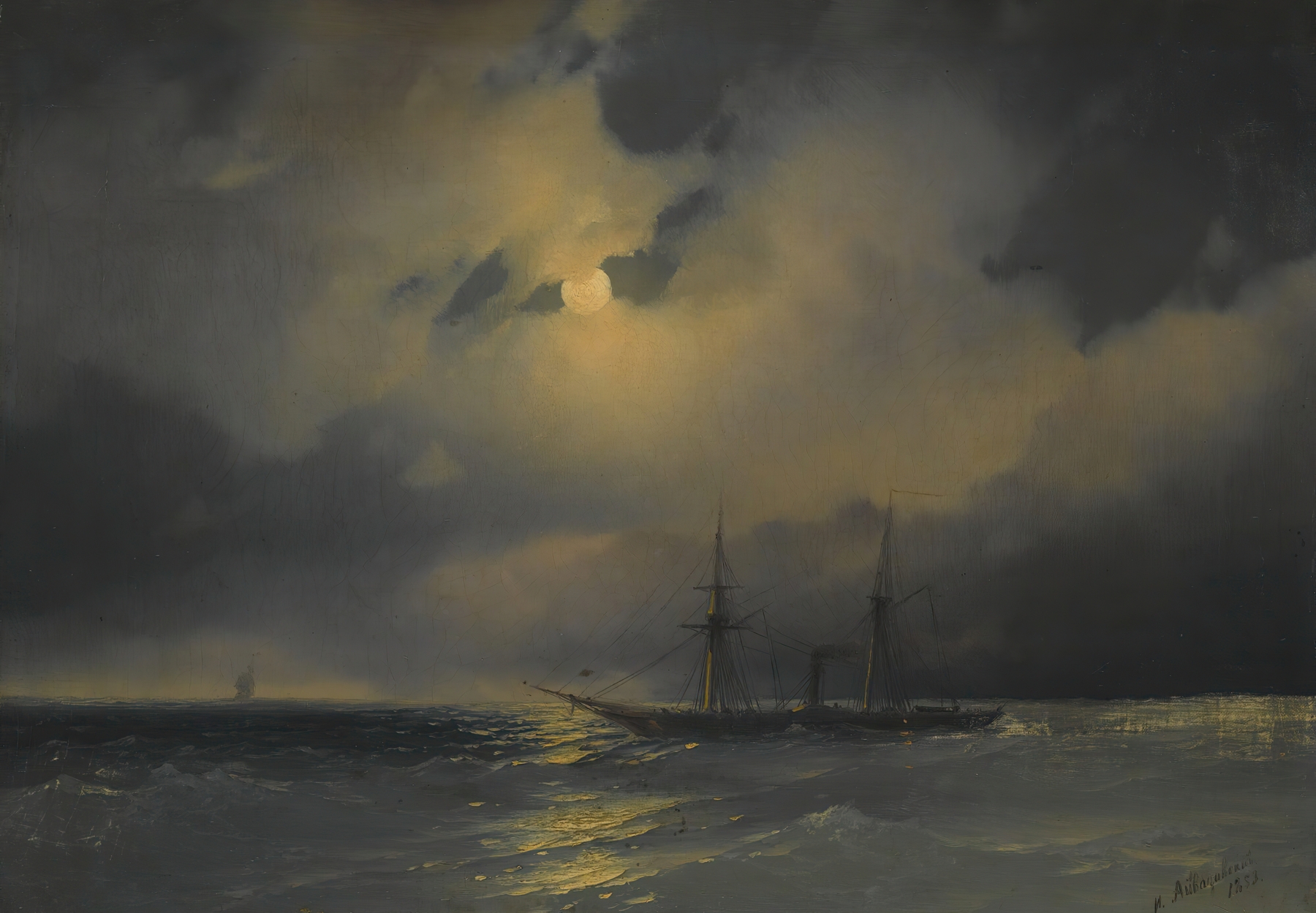
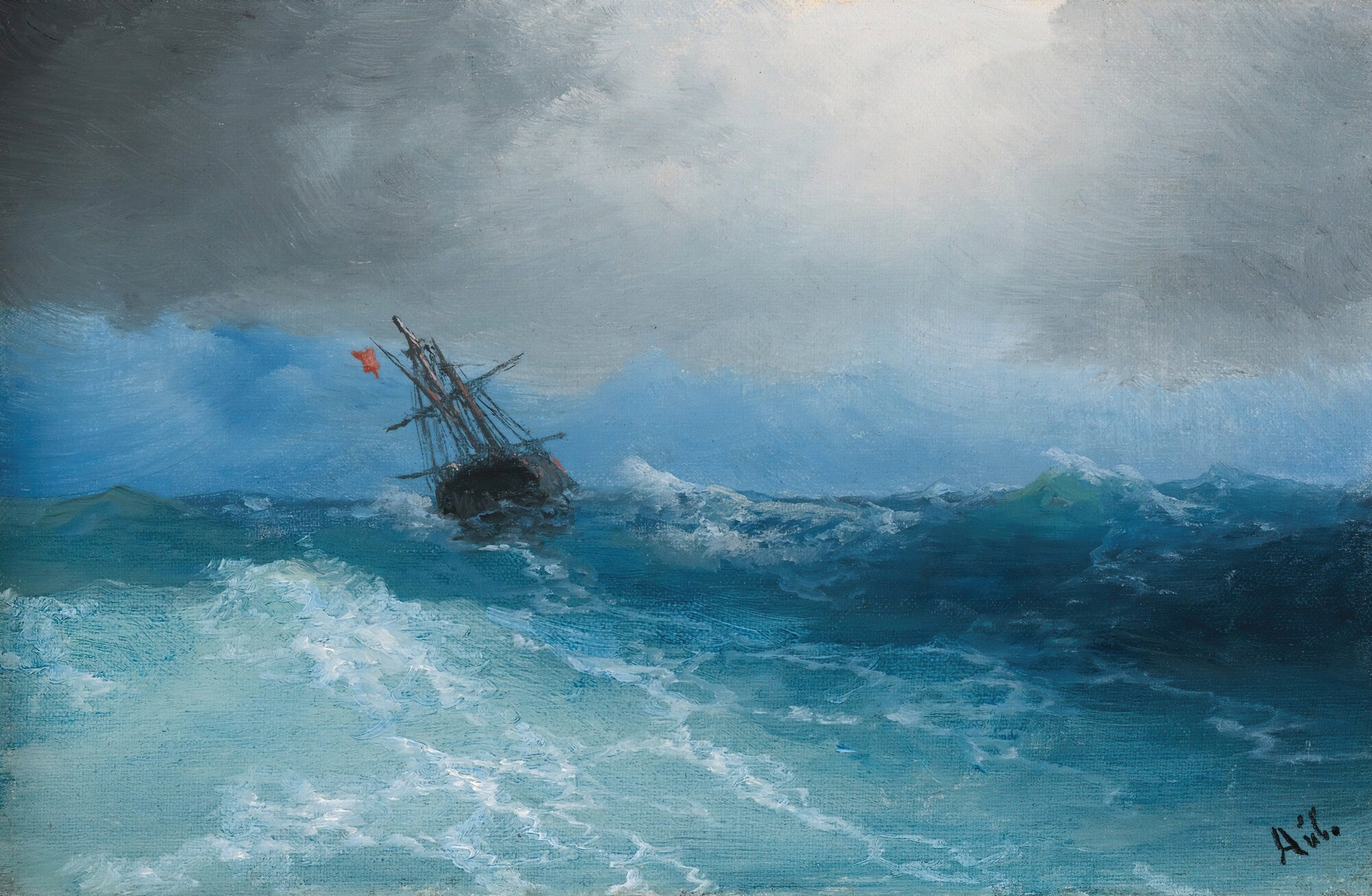
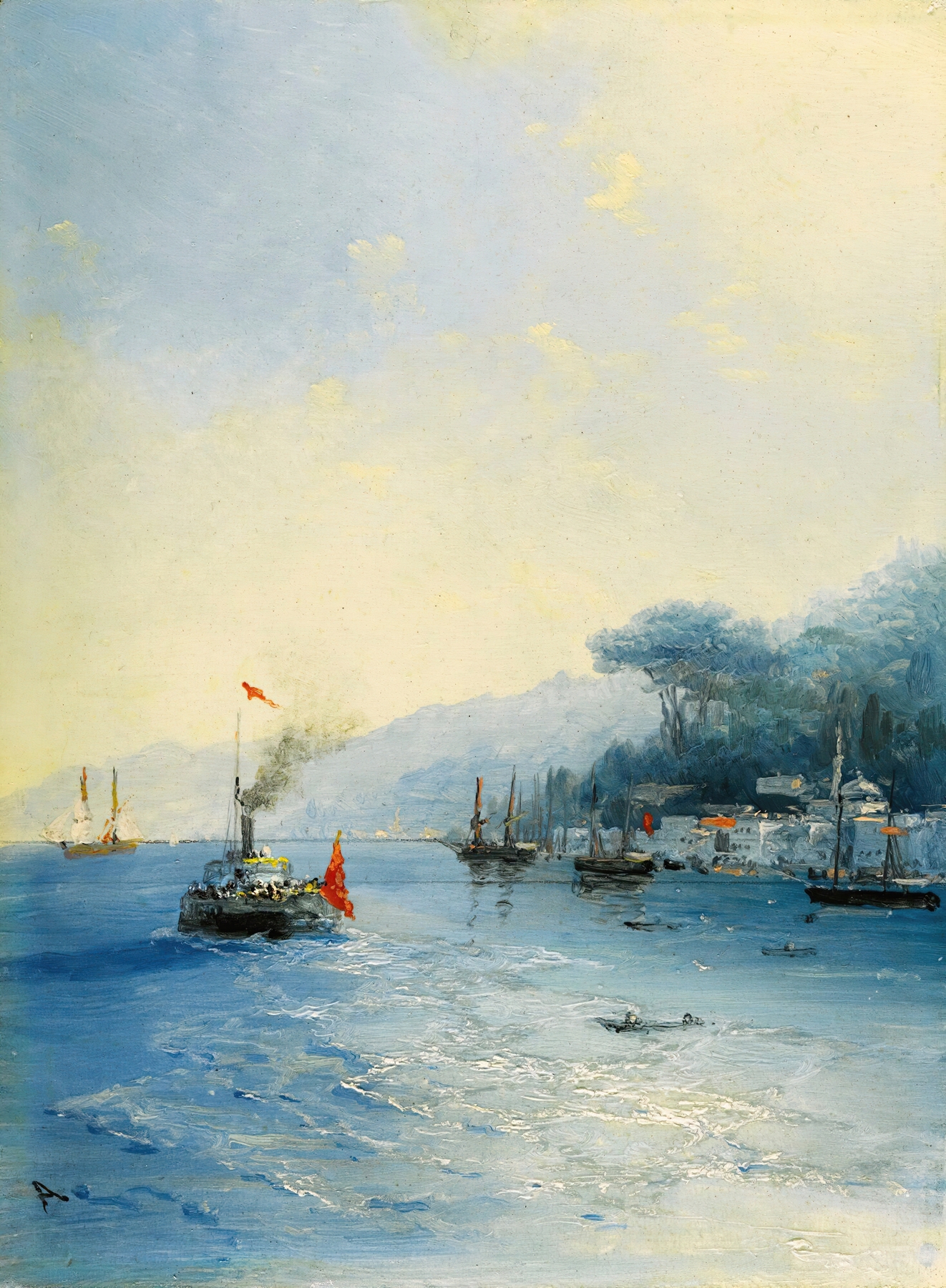
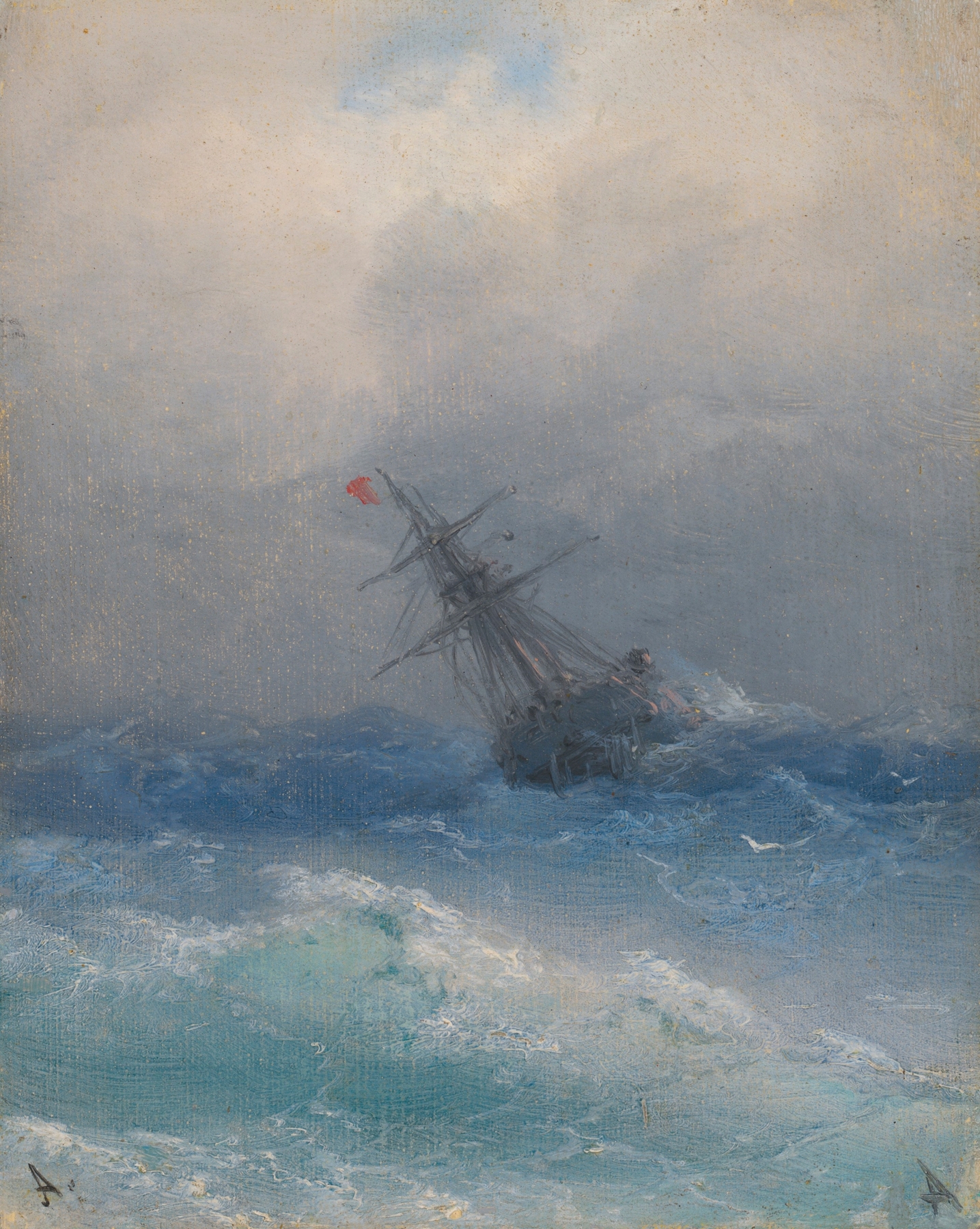
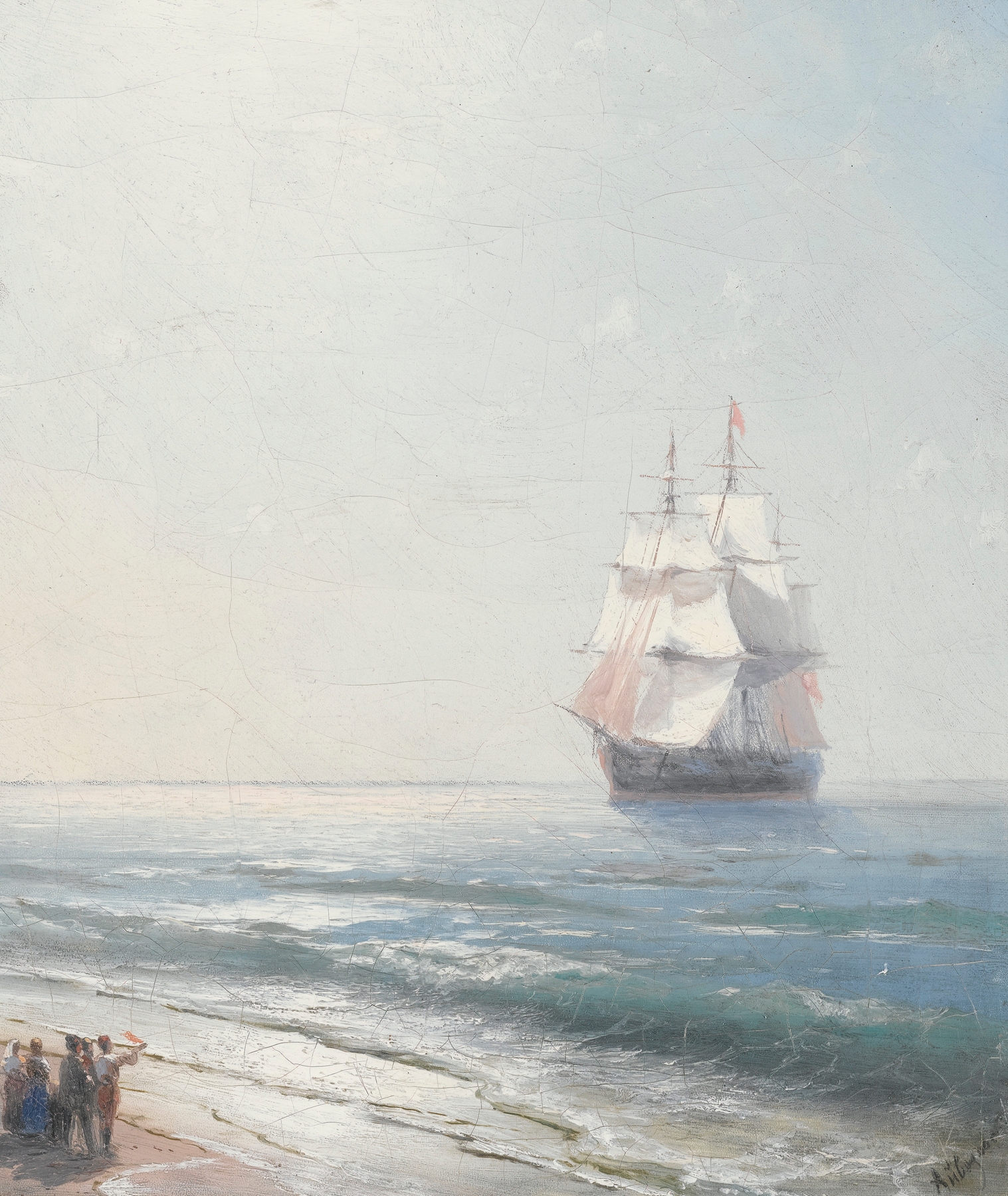
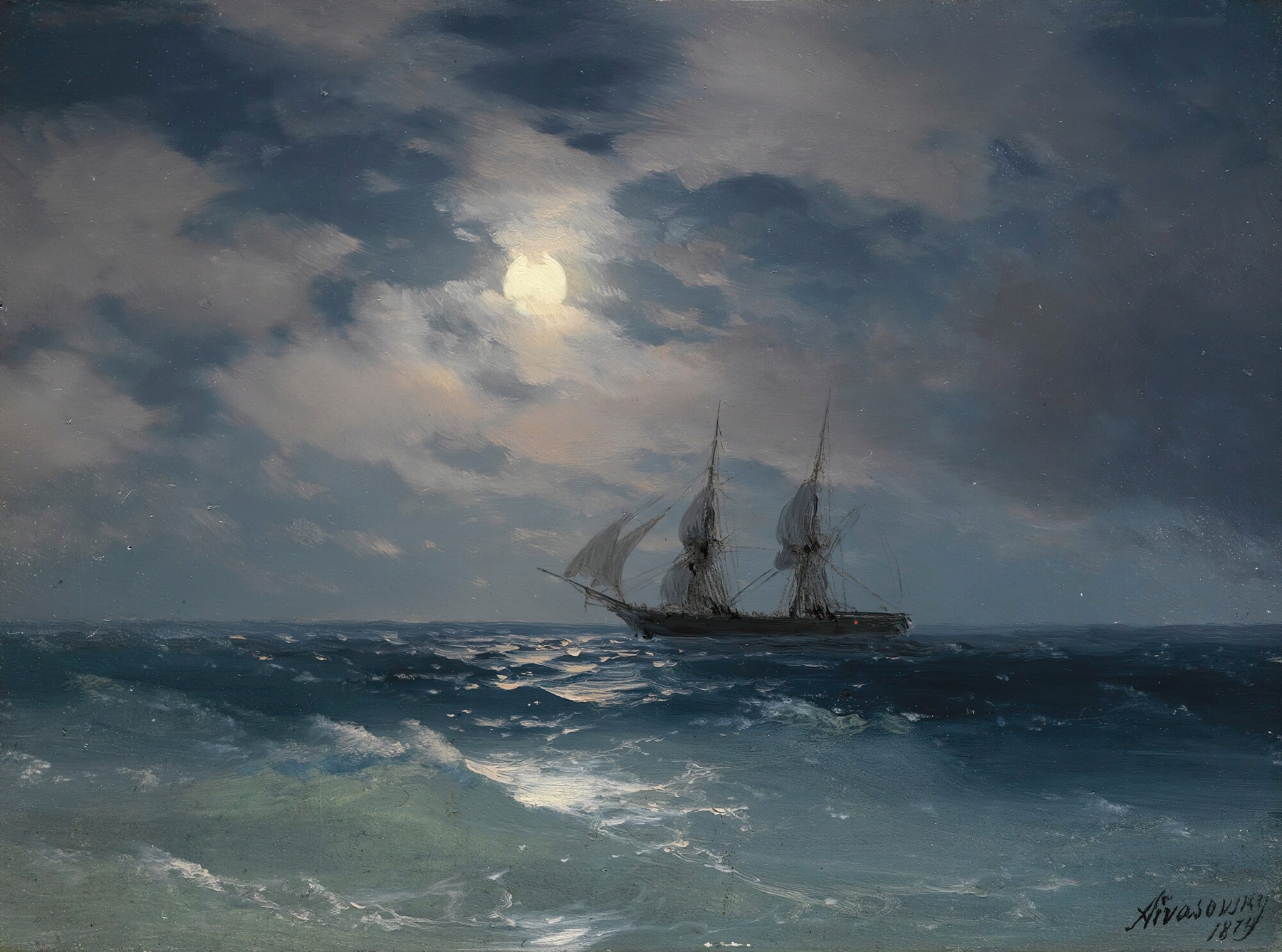
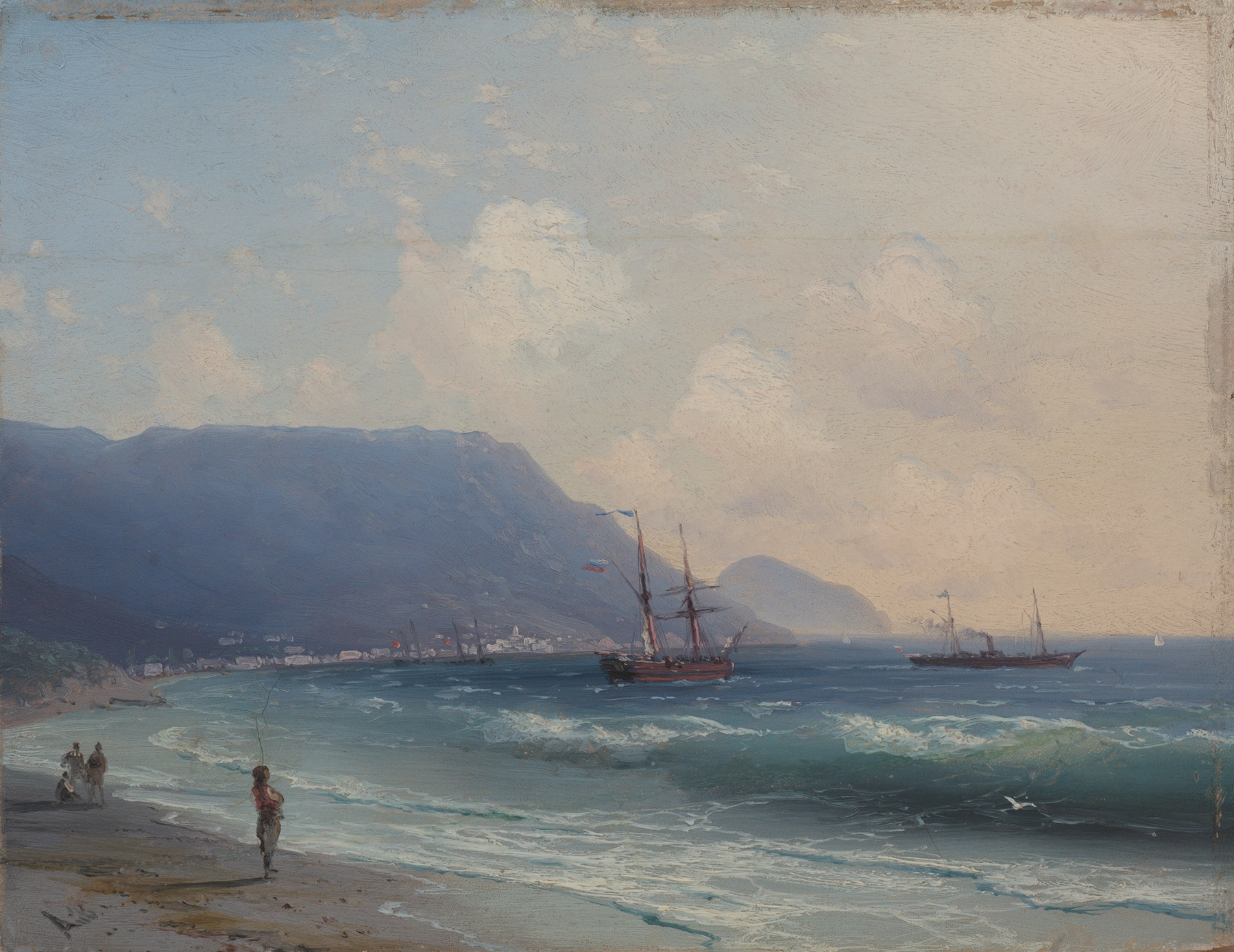
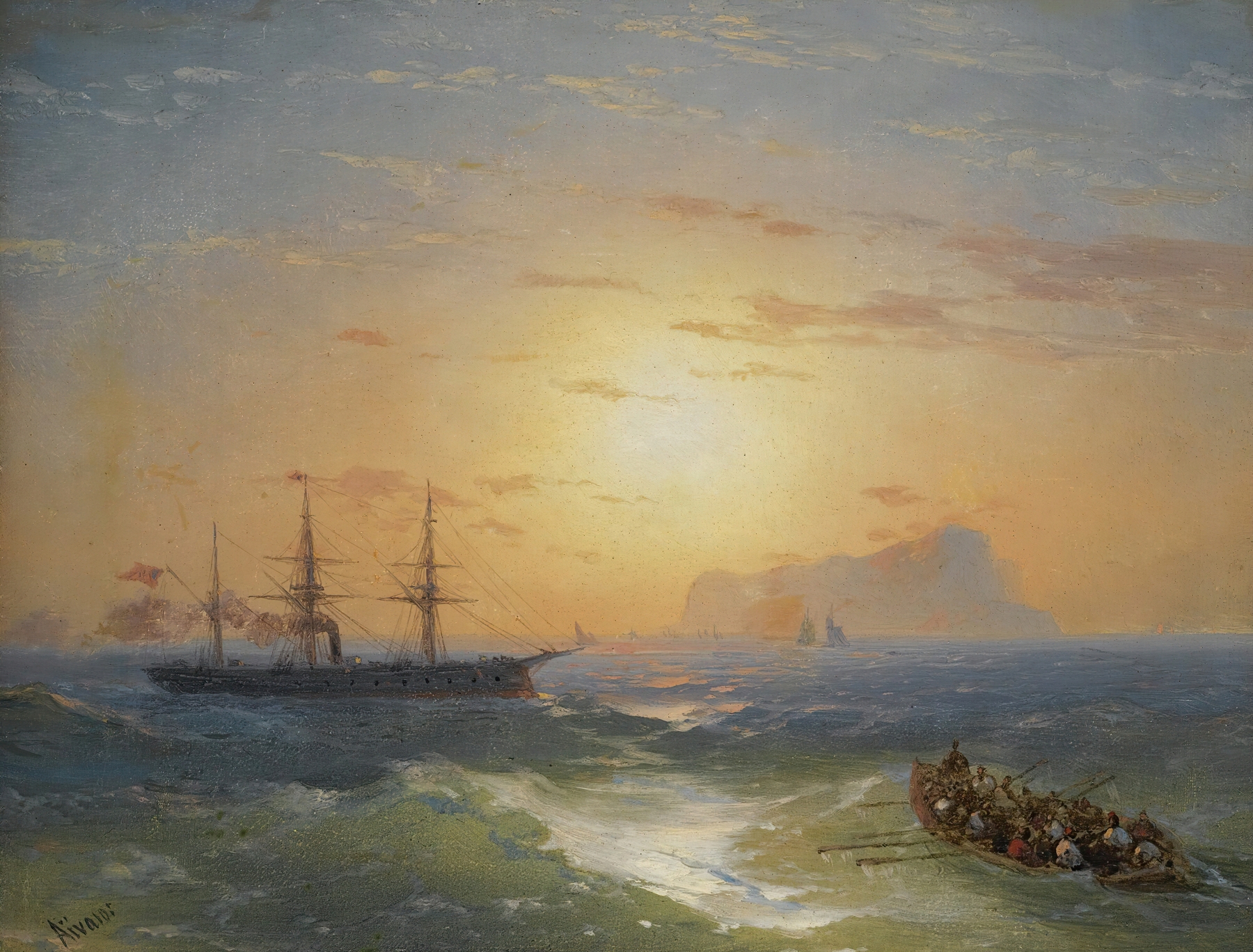
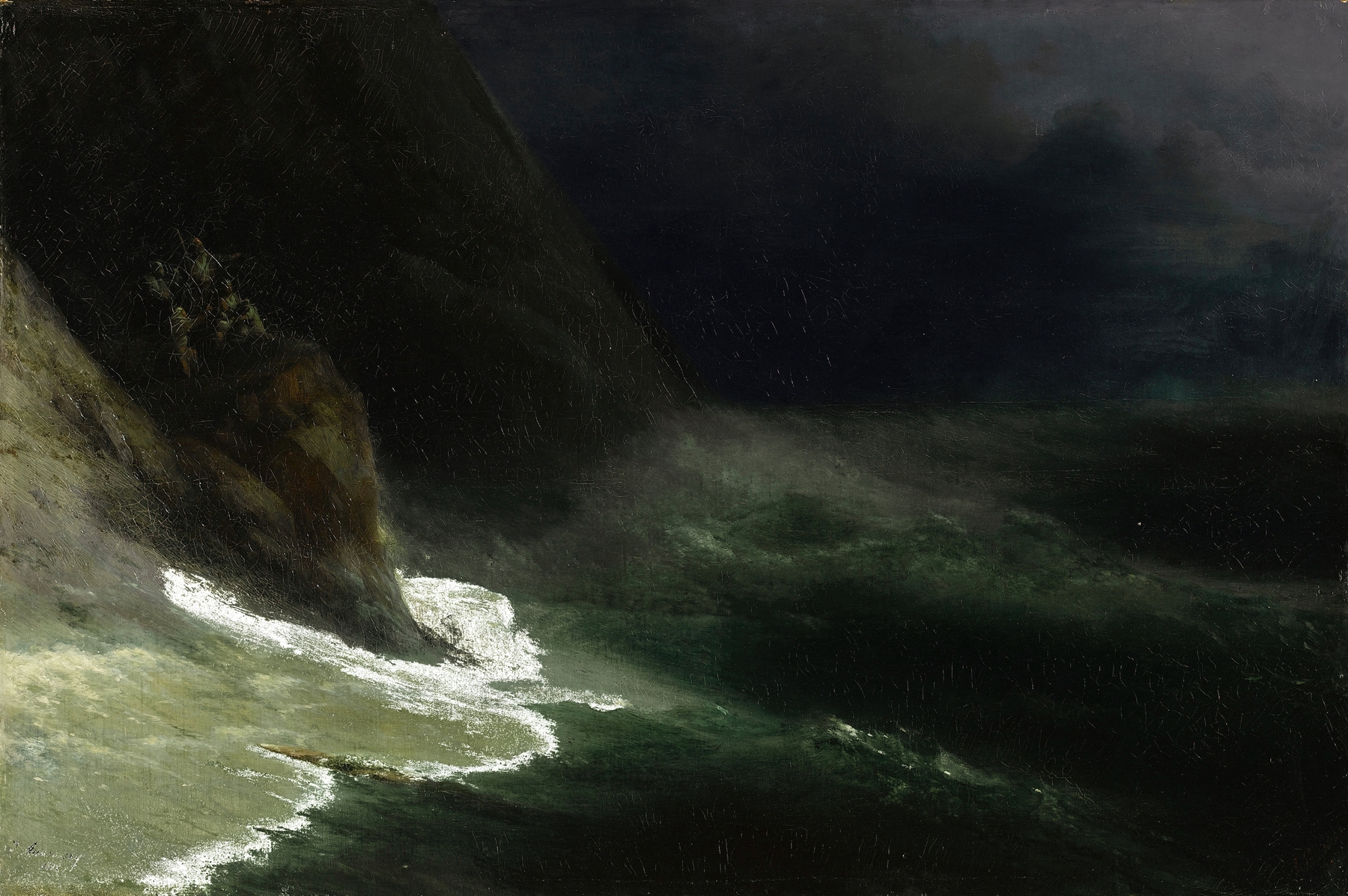
Can paint confess what words never could? In Ruhige See, we find ourselves immersed in a tranquil sea, a stillness that veils a deeper melancholy pulsating beneath the surface. Look to the horizon, where soft shades of blue and grey blend seamlessly, creating a serene yet haunting atmosphere. The gentle gradient of the sky reflects on the water, while the brushwork captures both the calmness of the sea and the fragile tension of a looming storm.
Notice how the muted colors evoke a sense of introspection, pulling the viewer into a meditative state, inviting contemplation of nature's duality. The artist masterfully contrasts light and shadow, where the glimmers on the water hint at hope lost and nostalgia lingering. There is an enigmatic quality to the horizon where earth meets sky, suggesting both the tranquility of the moment and the profound isolation that often accompanies beauty. Each wave represents a whisper of dreams unrealized, a reminder of life's ephemeral nature — both stunning and sorrowful.
In 1887, while creating this piece, Aivazovsky was already acclaimed for his seascapes. Living in Feodosia, Crimea, he drew inspiration from the picturesque coastlines and the rich hues of the Black Sea. This period marked a time of introspection for the artist, who sought to capture not just the visual allure of the ocean, but also its capacity to evoke a sense of longing and melancholy in the viewer, reflecting the complexities of human emotion amidst nature’s grandeur.