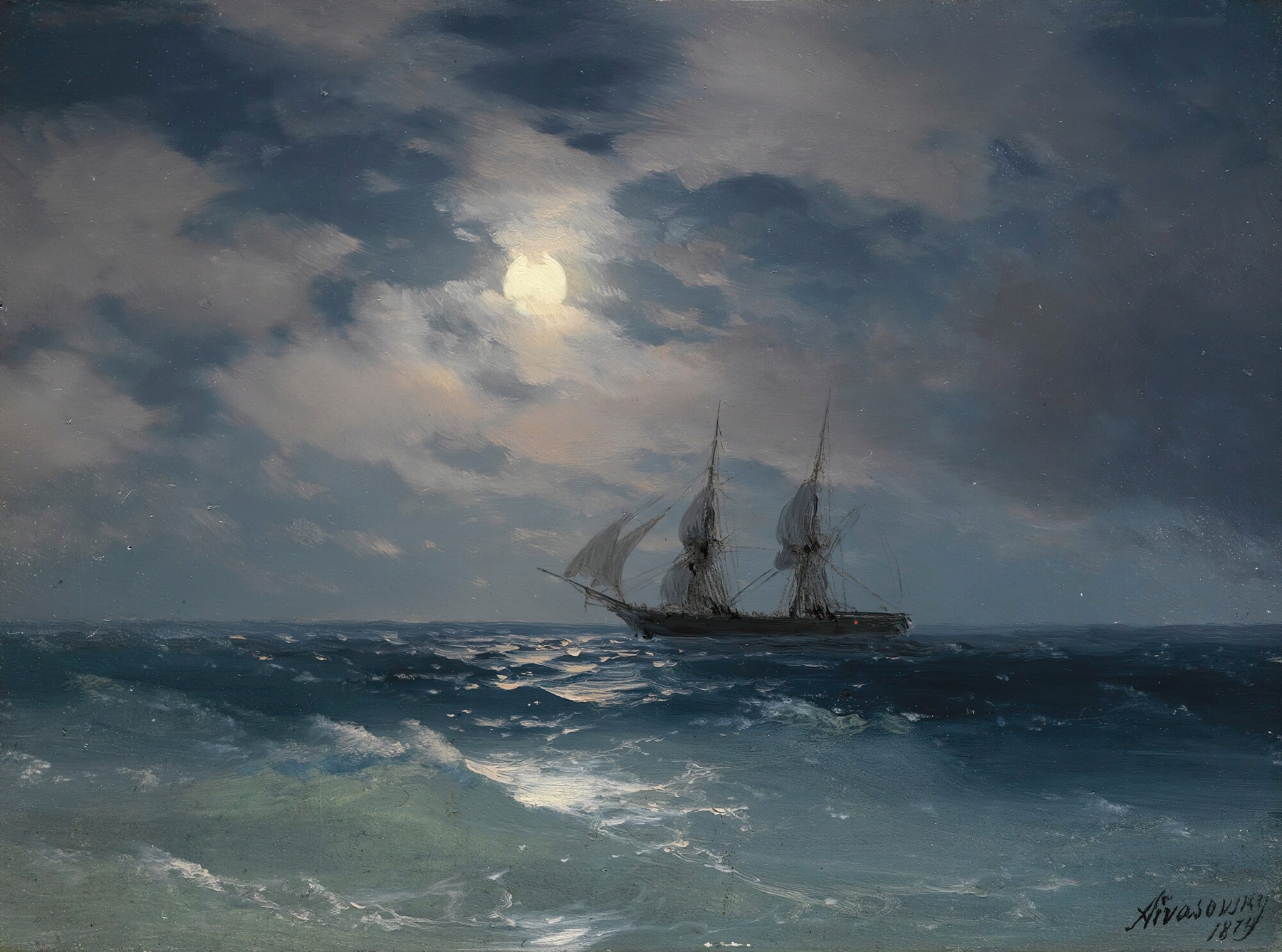
Shipping In Moonlight — History & Analysis
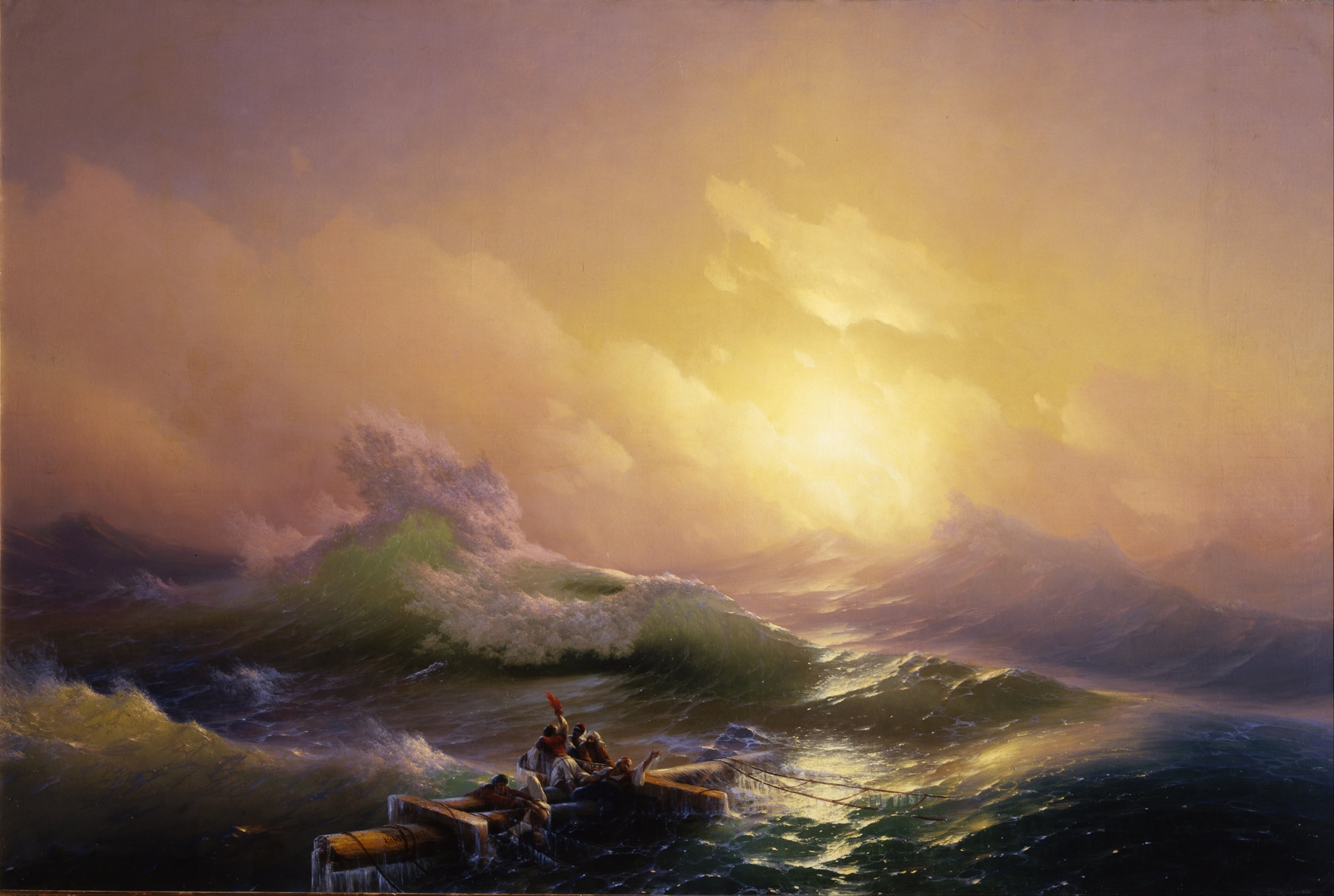
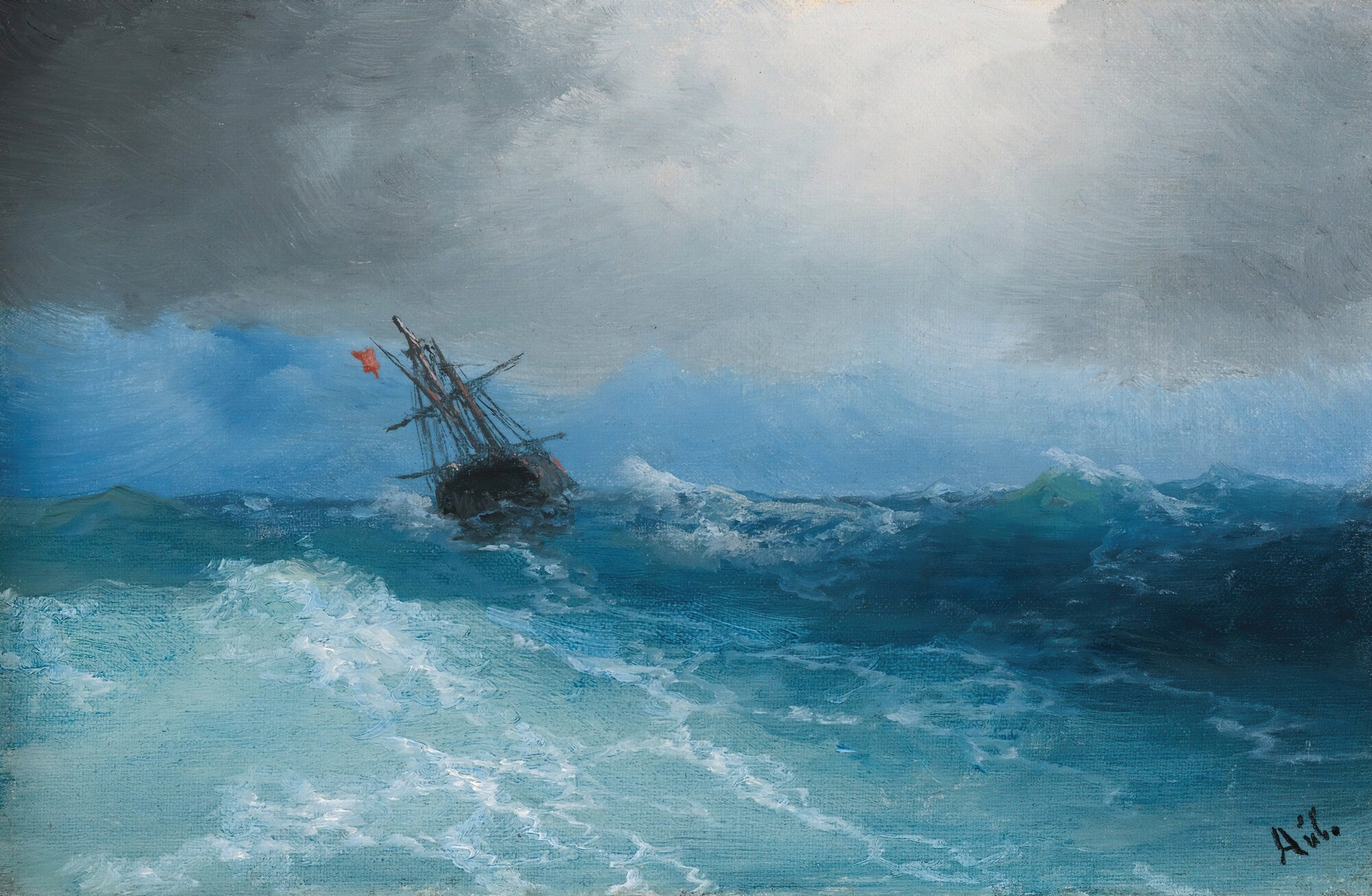
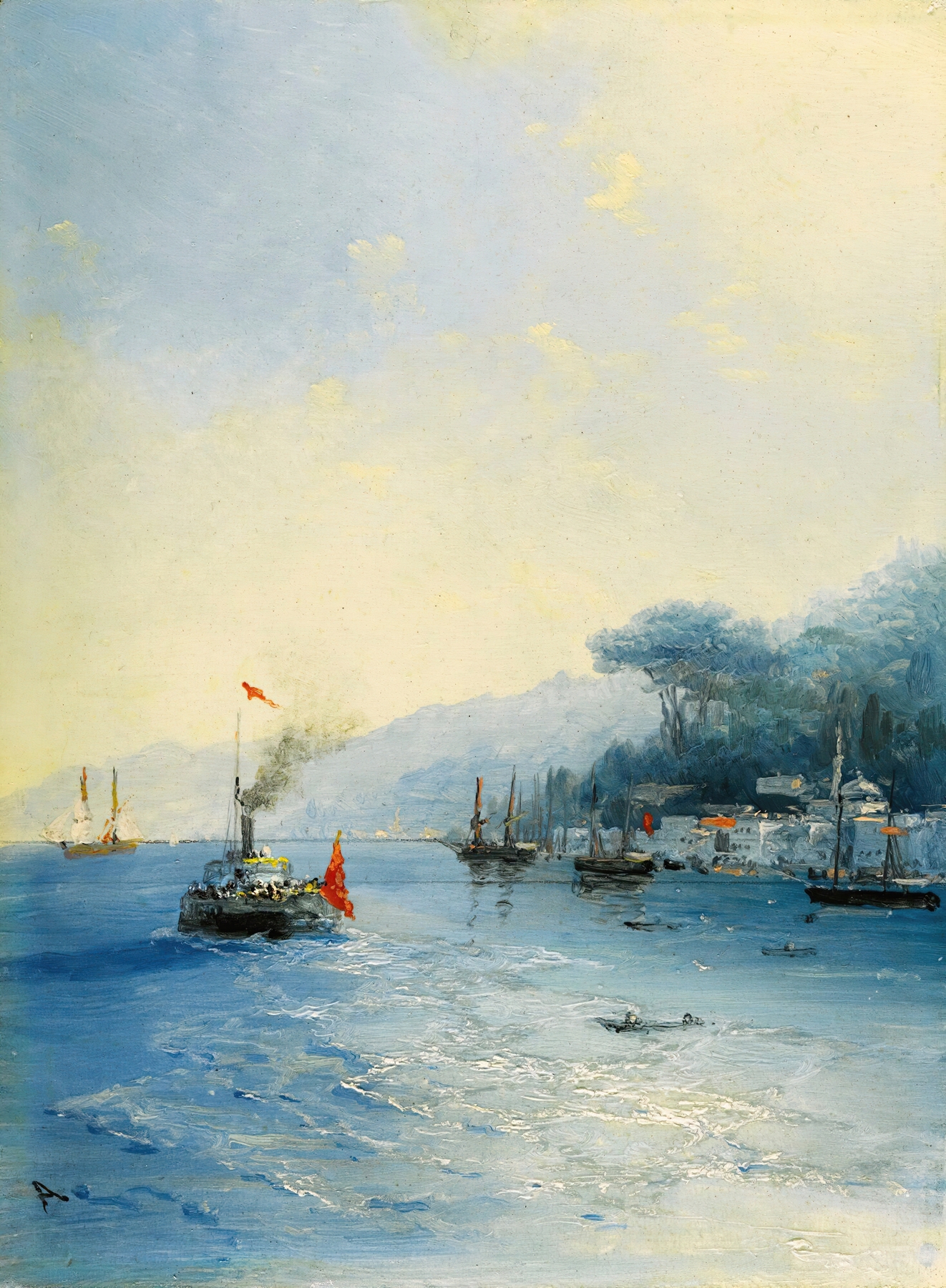
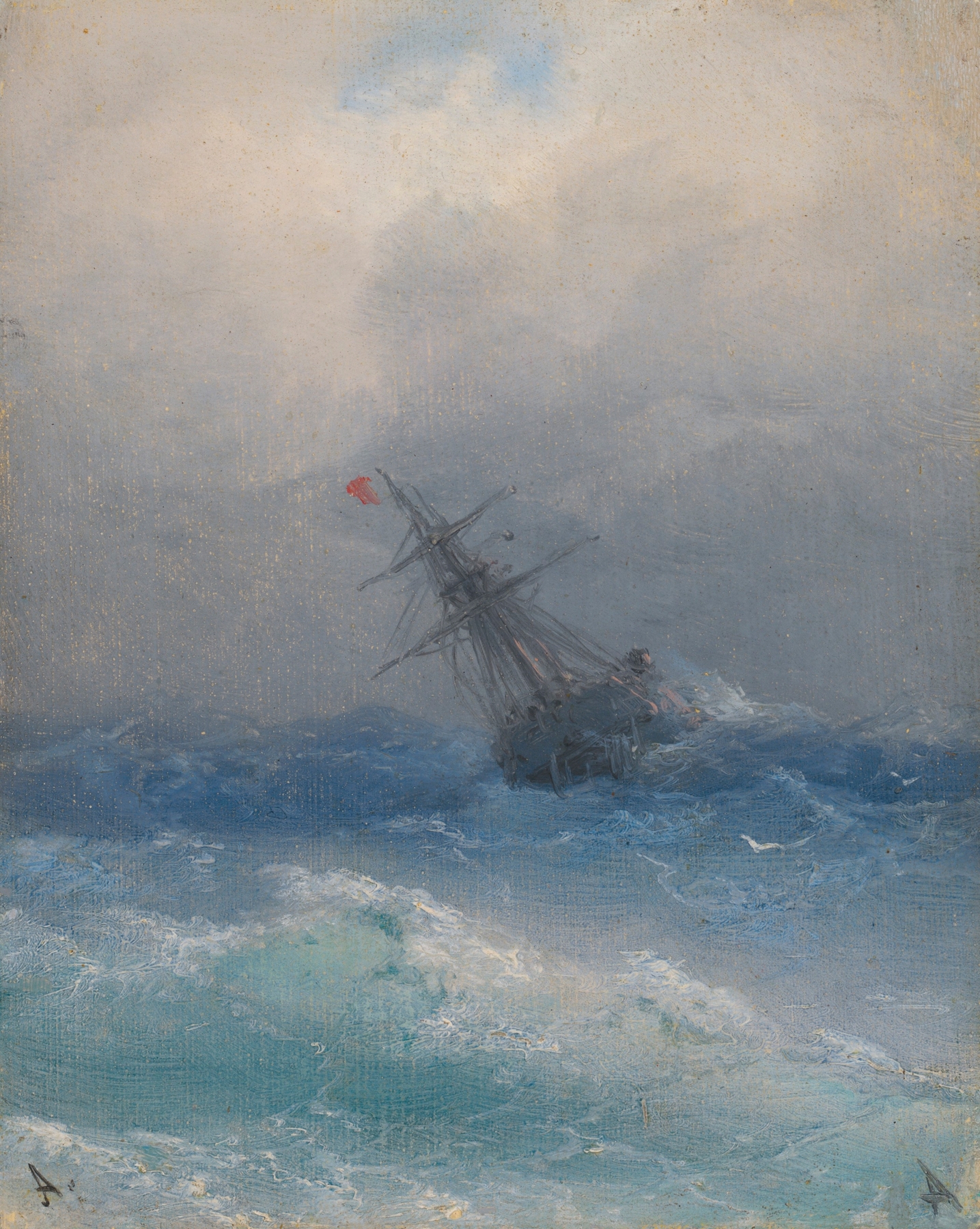
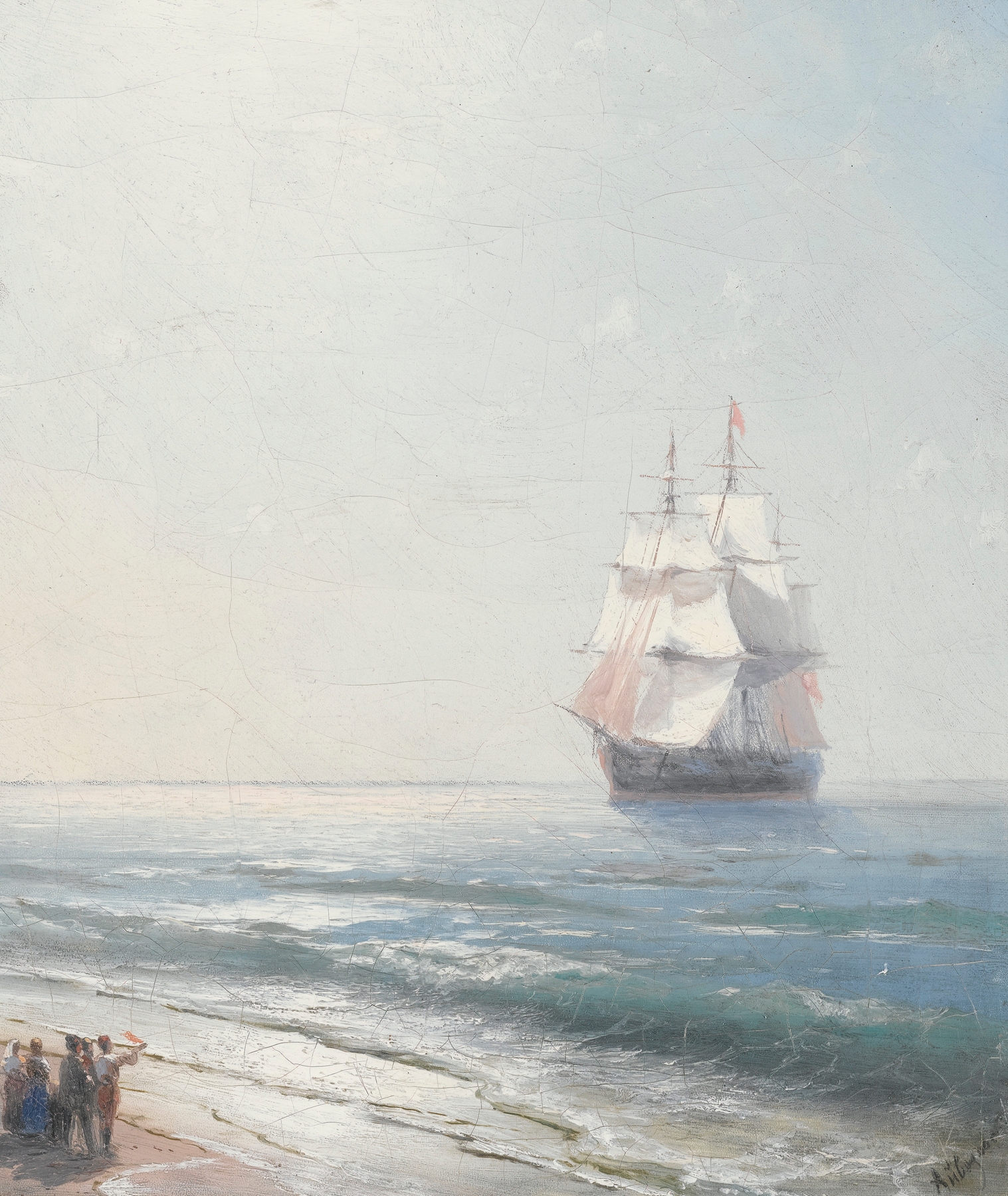
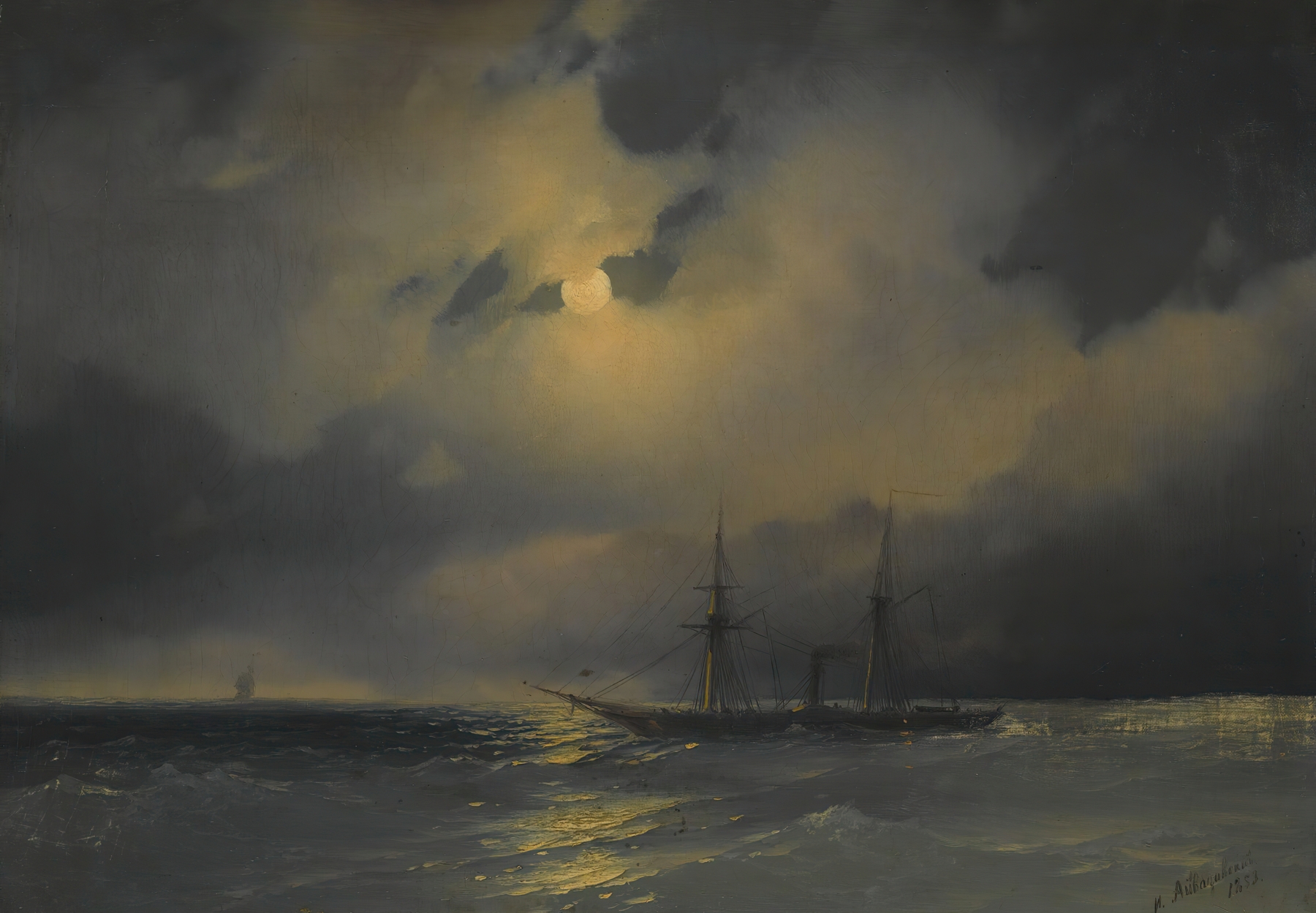
“To paint is to remember what time wants us to forget.” Here, the delicate interplay of moonlight and sea captures a moment suspended between reality and dreams, inviting the viewer to transcend the ordinary. Focus first on the luminous moon, a radiant orb casting silvery light across tranquil waters. The reflections ripple gently, guiding your eye toward the distant ships, their sails slightly illuminated by the ethereal glow. A harmonious palette of blues and grays evokes the serenity of night, while dynamic brushwork suggests the restless movement of the waves, creating a tension between calm and chaos.
As you delve deeper, consider the dichotomy between the vastness of the sea and the fragility of the vessels. The ships appear almost spectral, embodying the dreams and ambitions of those aboard, while the surrounding darkness hints at the unknown—the fear of what lies beneath the surface. This tension raises questions about navigation and purpose, inviting contemplation on the journey of life itself.
In 1853, while creating this piece, Aivazovsky was already well-established, celebrated for his ability to depict the sea’s moods. Painted in his homeland of Russia during a period of artistic exploration, he sought to capture the sublime beauty of nature as a response to both personal and societal currents. The era was ripe with Romanticism, an influence that permeated through his works, as he endeavored to evoke deep emotional responses through his mastery of light and color.