Seascape — History & Analysis
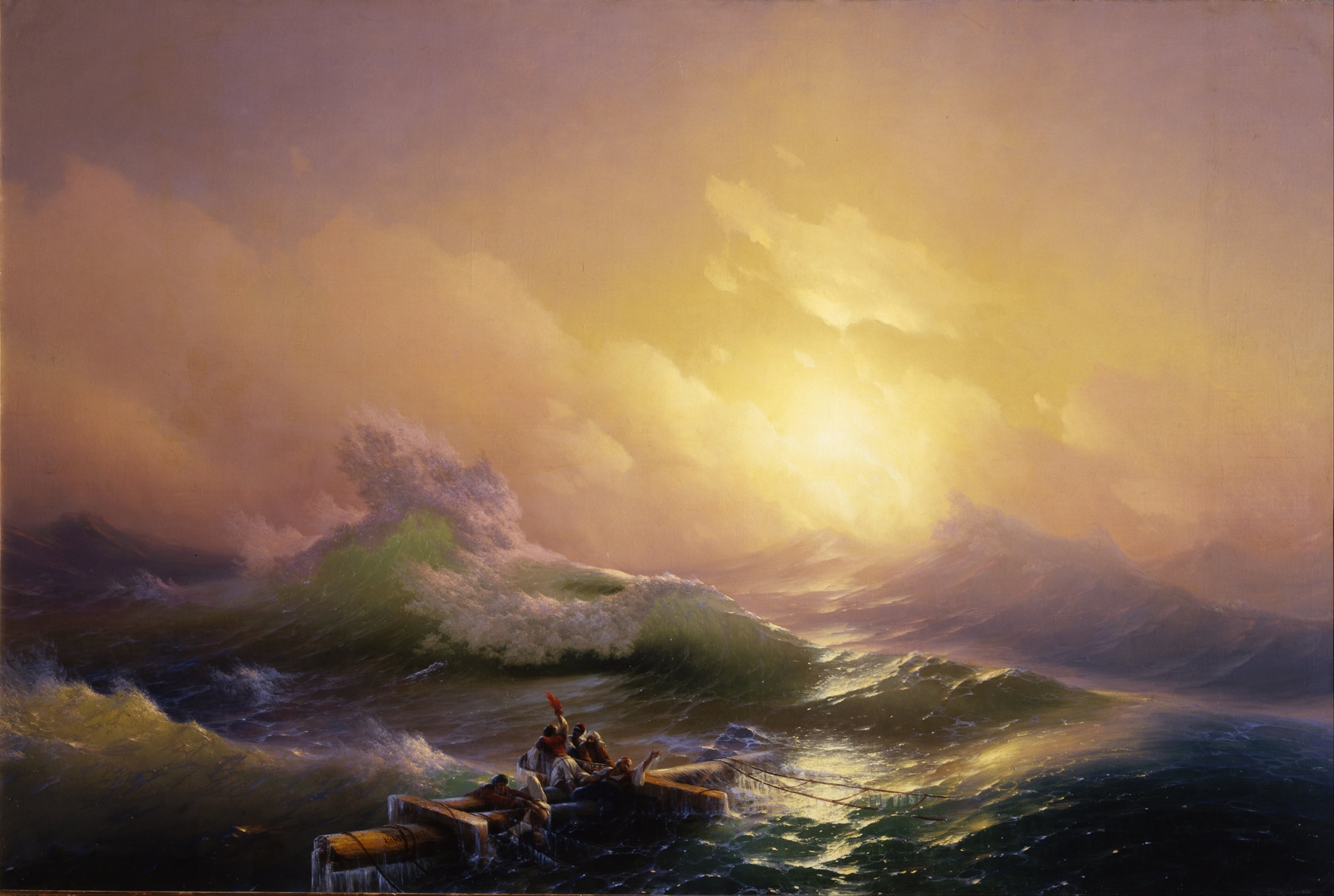
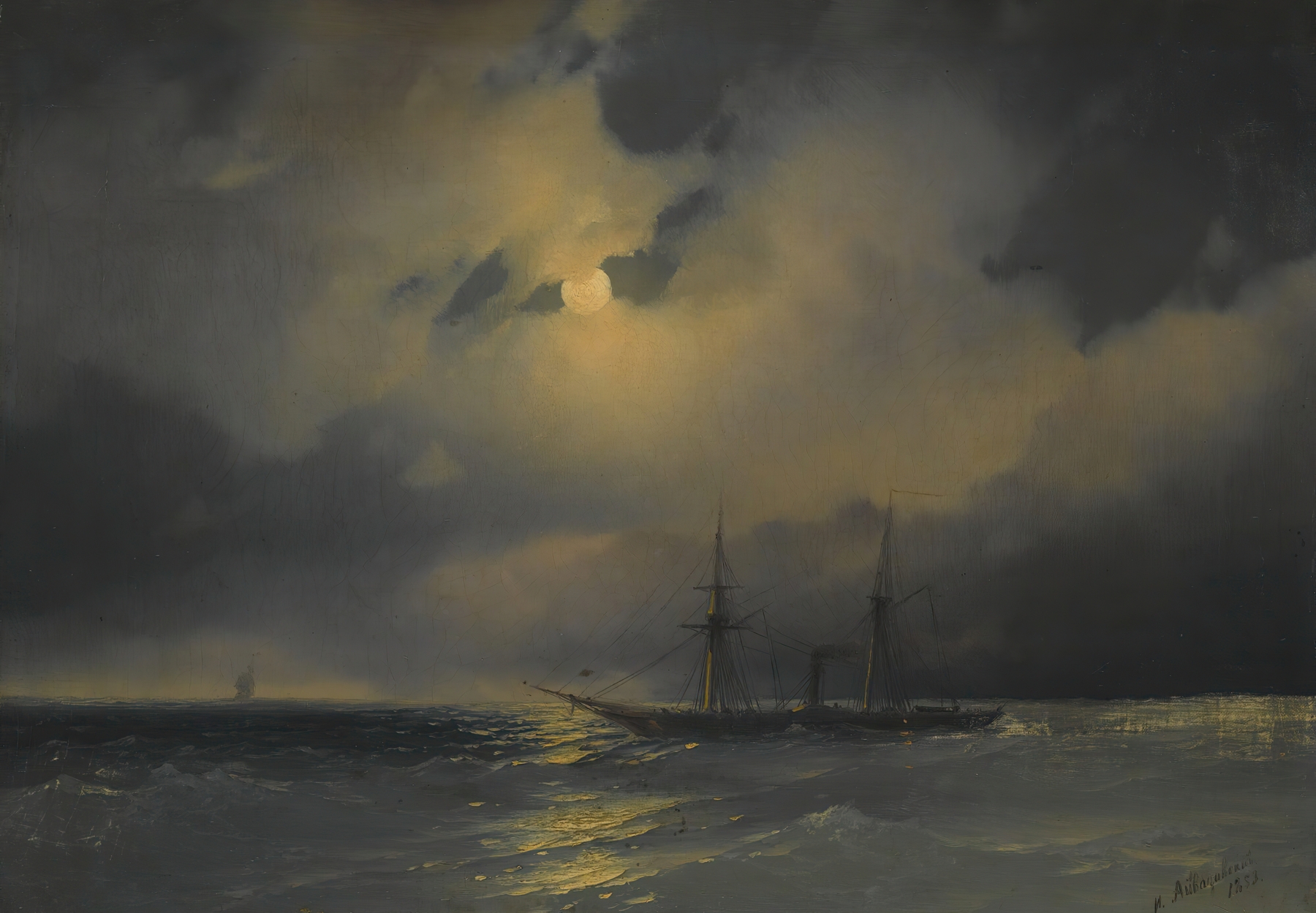
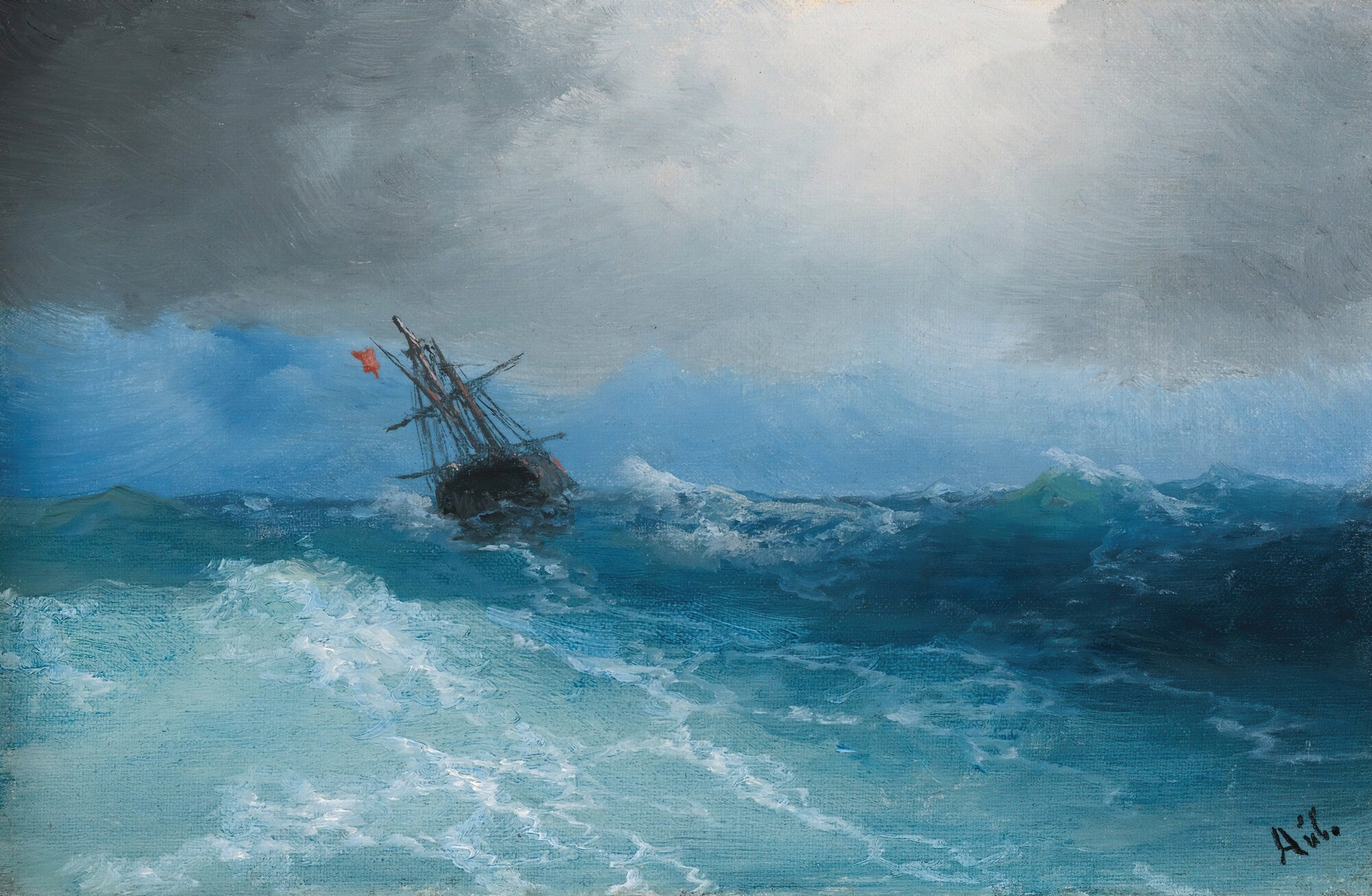
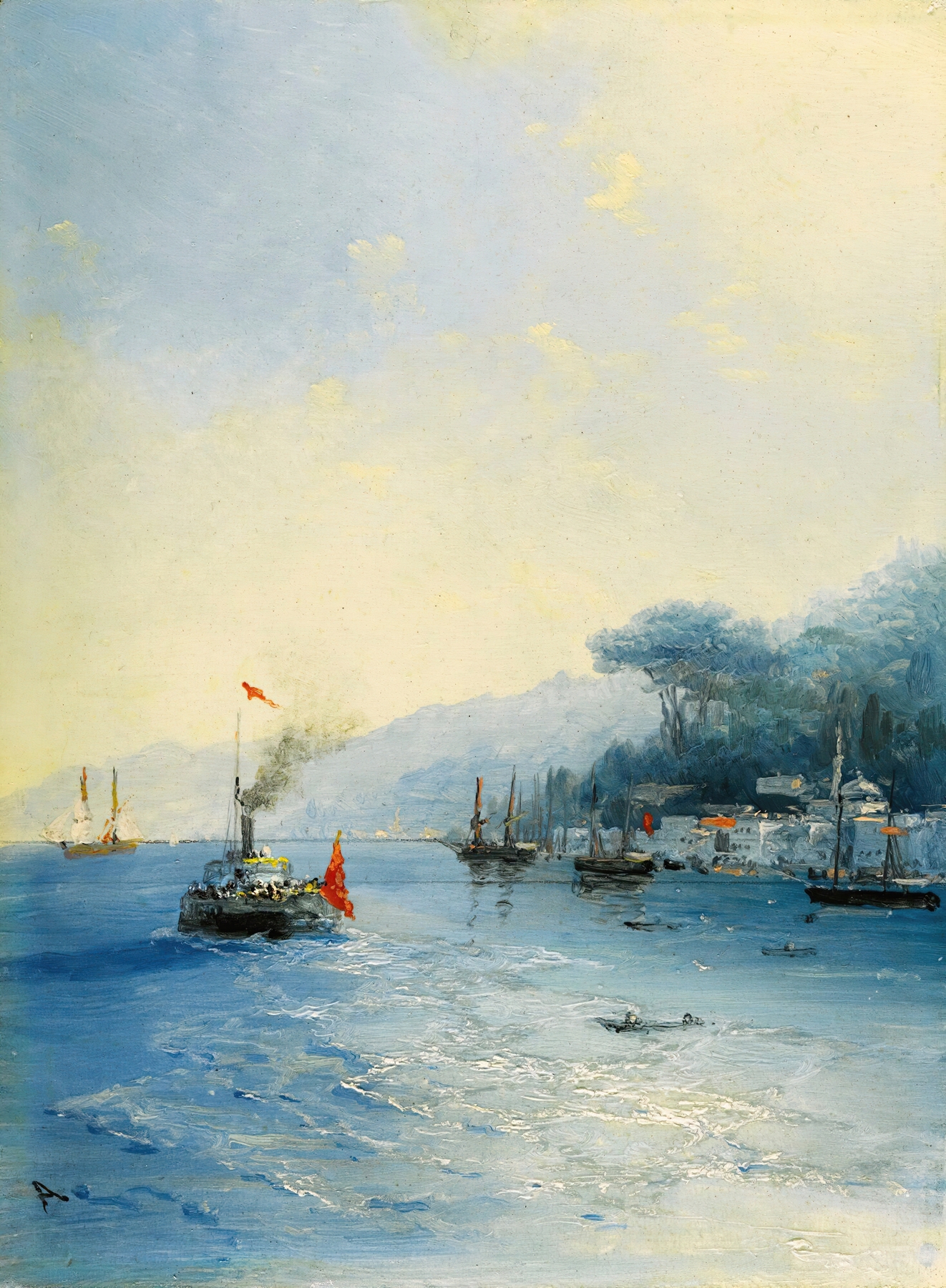
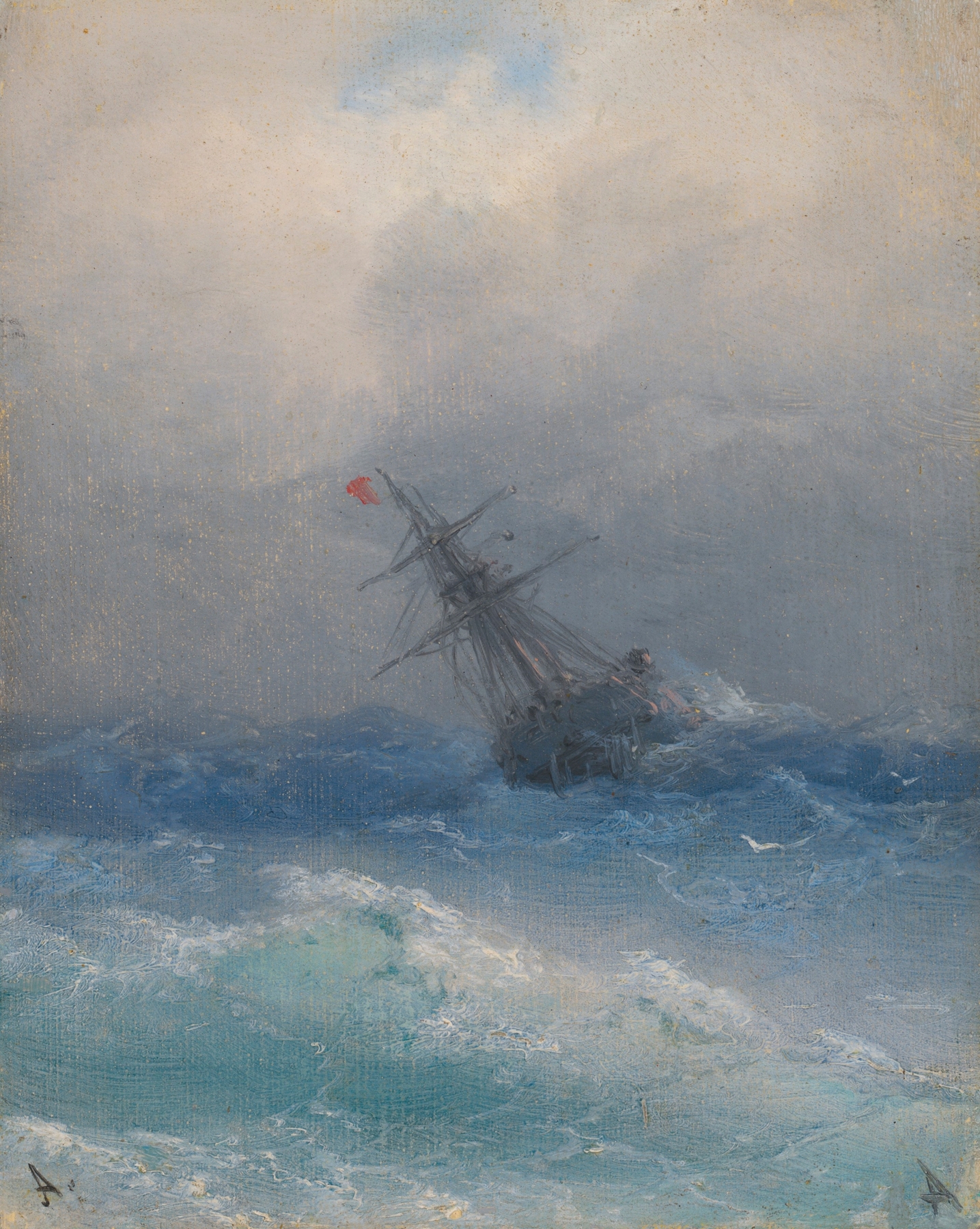
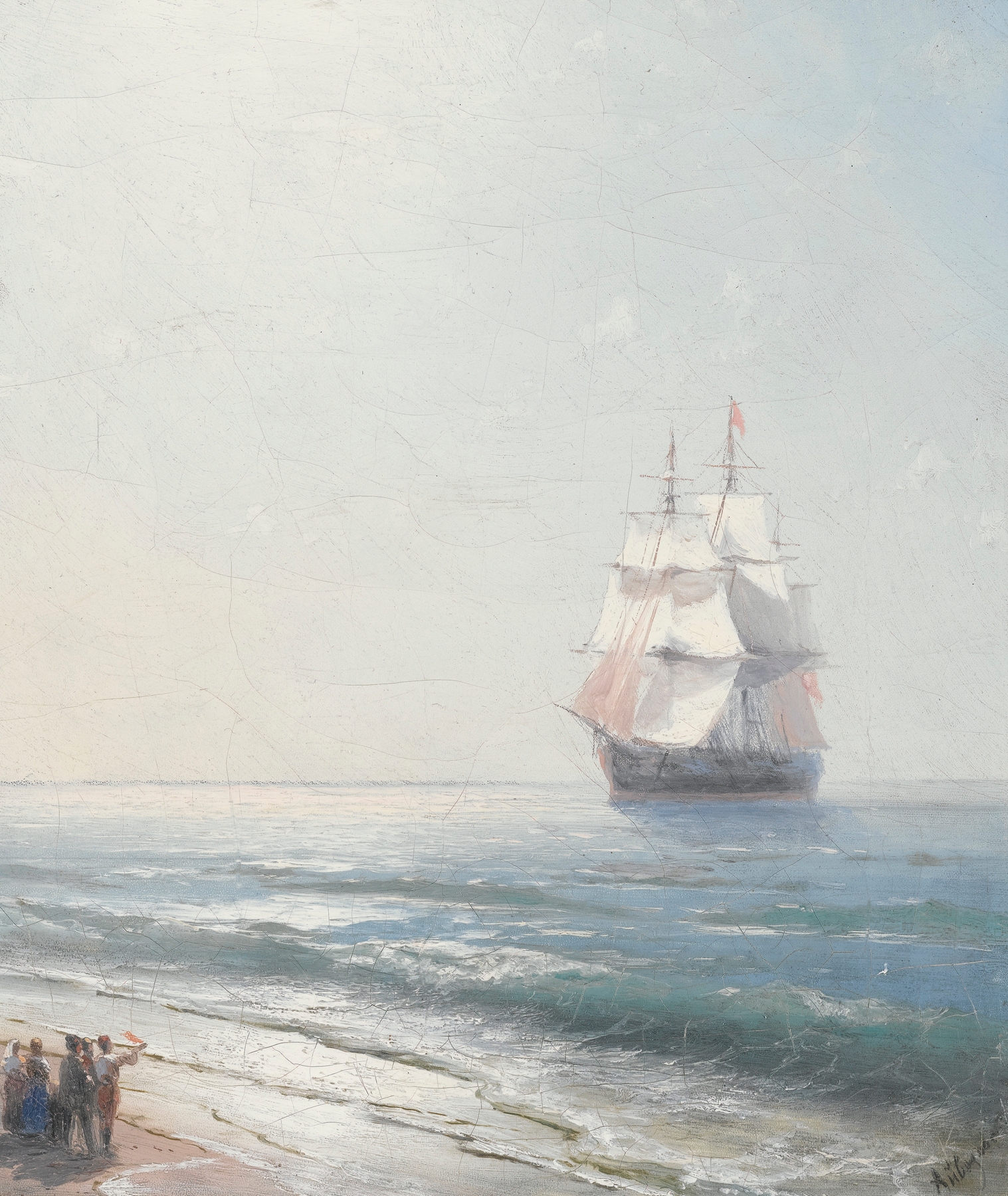
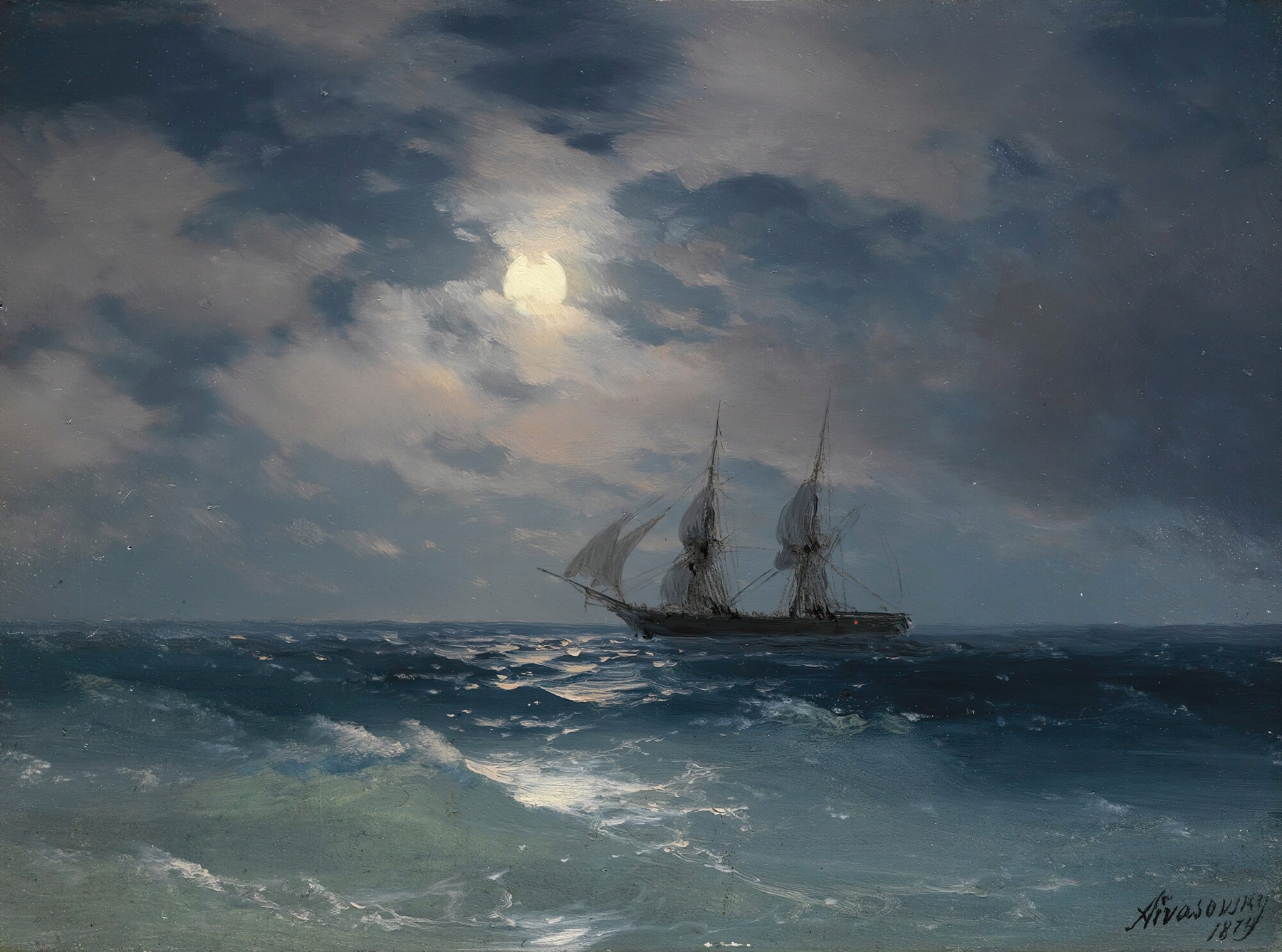
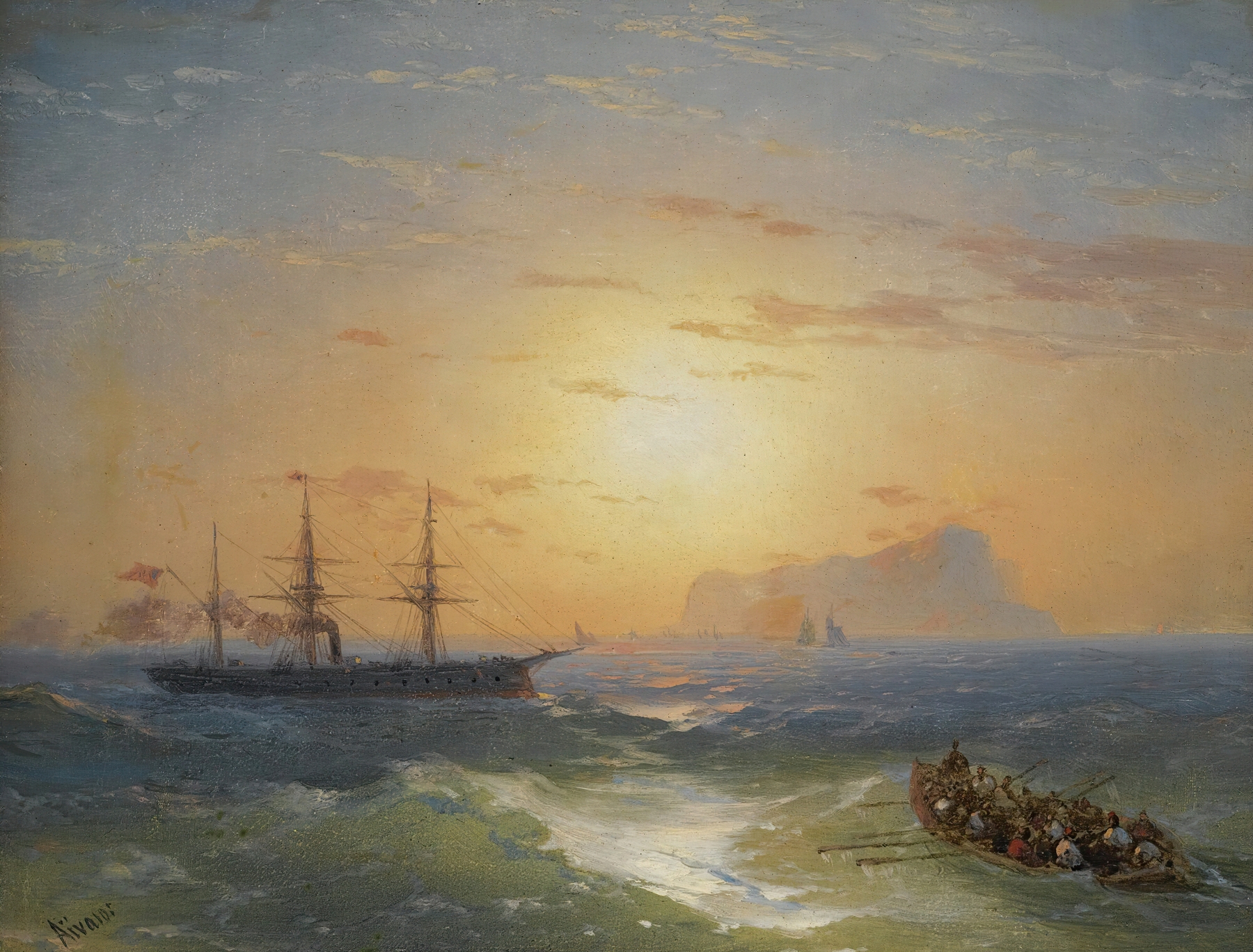
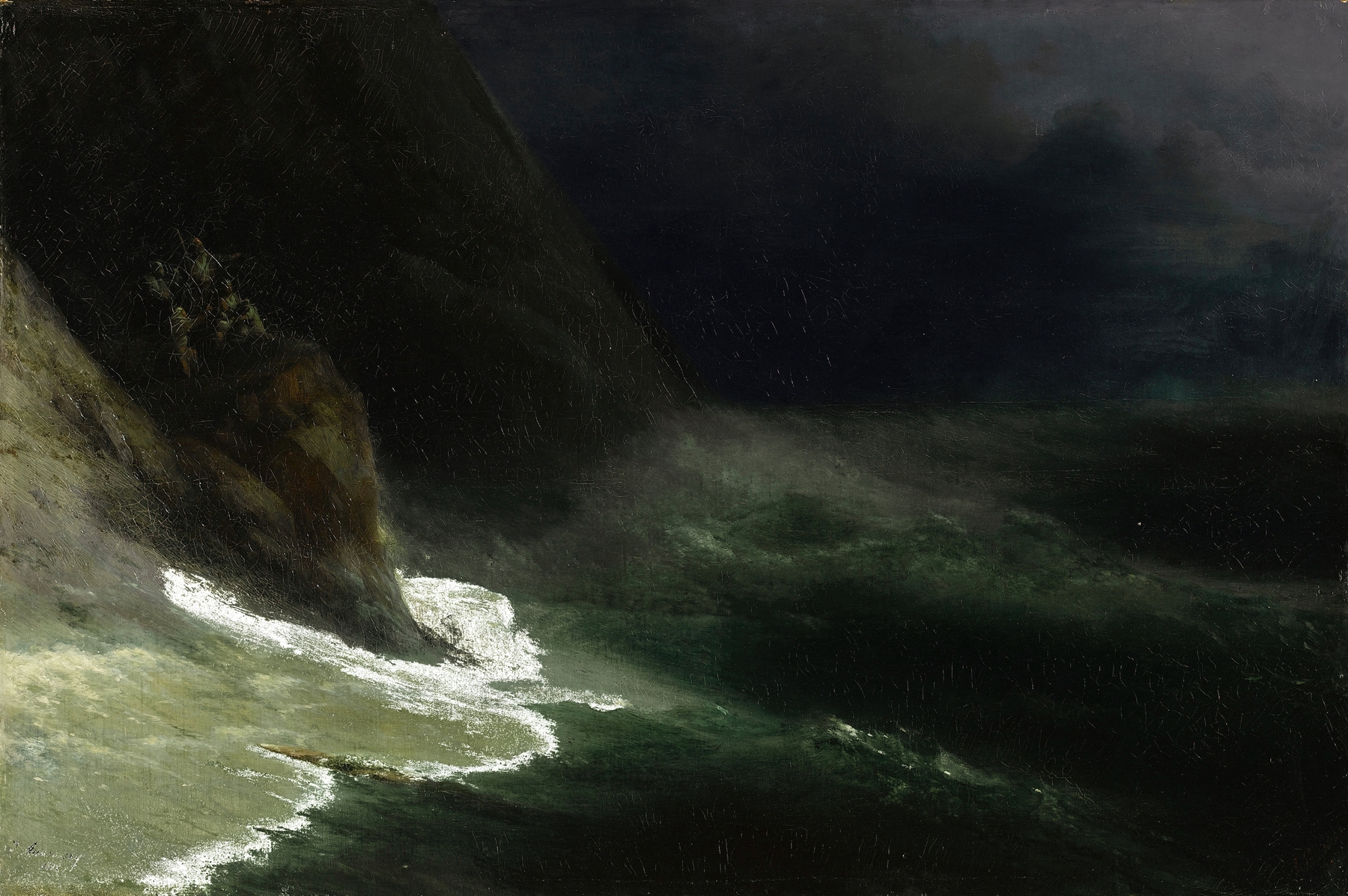
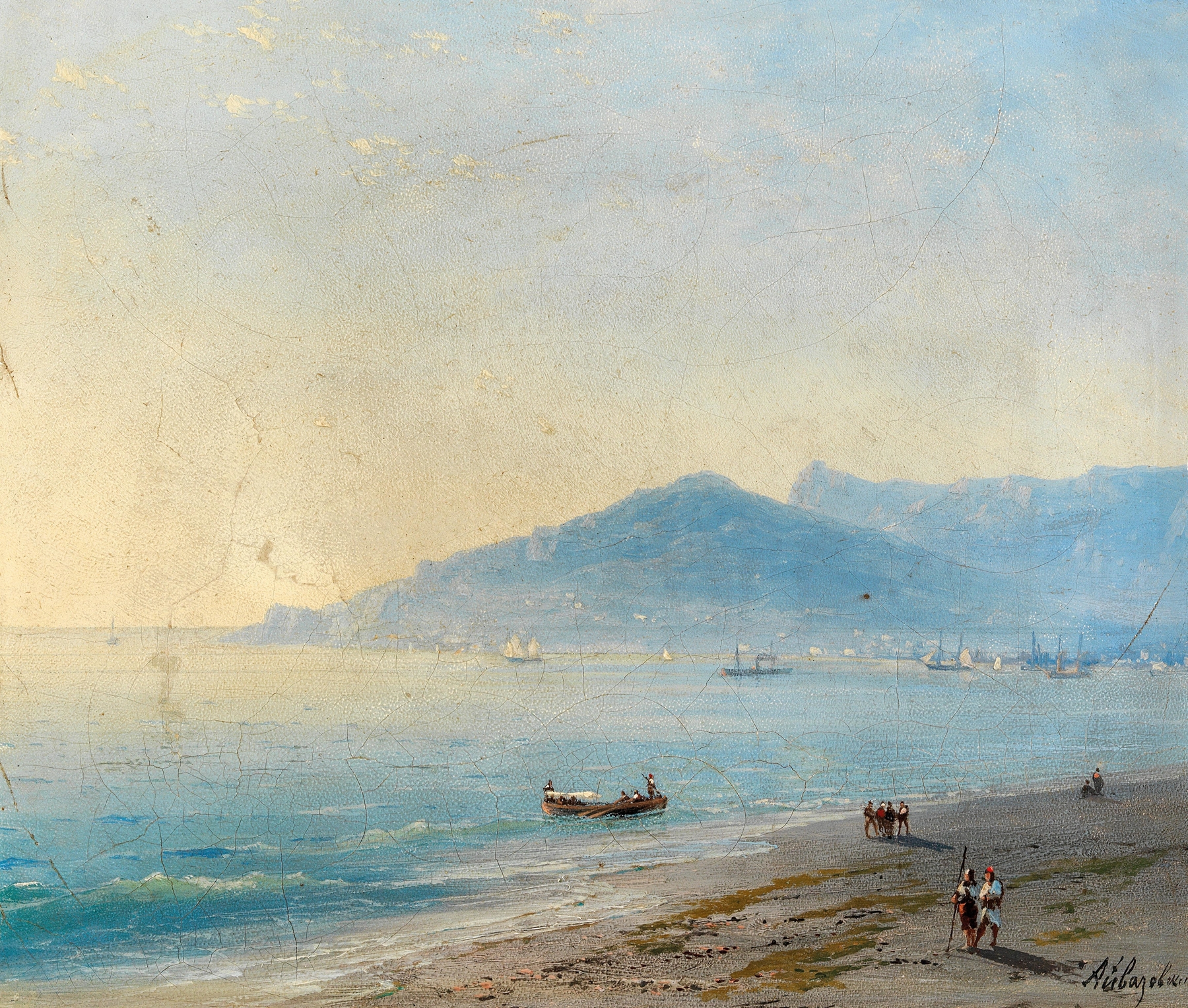
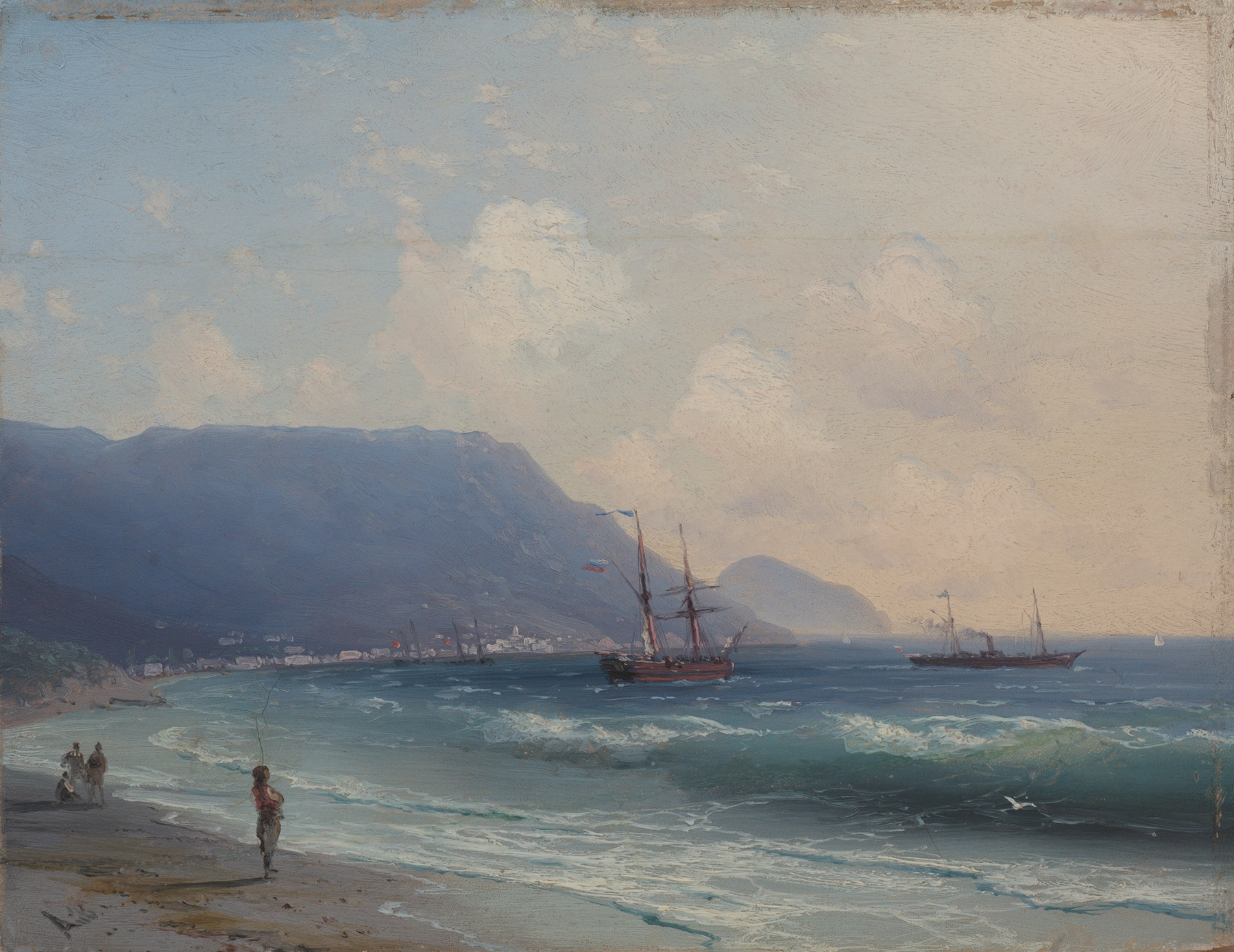
Did the painter know this moment would outlive them? In the depths of time, as waves crash and the ocean breathes, art captures the fleeting essence of life and mortality. To fully appreciate Seascape, begin by focusing on the horizon where a myriad of blues converge. Notice how the artist masterfully blends cerulean and indigo, creating an ethereal atmosphere. The brushstrokes dance across the canvas, suggesting both the gentle caress of water and the tumultuous energy of a storm.
The light plays a central role, illuminating the waves with a shimmer that evokes movement, urging the viewer to feel the rhythm of the sea’s pulse. Delve deeper into the painting, where the apparent calm belies an undercurrent of tension. The towering clouds range from soft white to ominous gray, hinting at an impending change. The juxtaposition of tranquility and turbulence serves as a reminder of nature’s duality. Each wave crashing against the shore embodies the passage of time, inviting contemplation on life’s transience.
This tension between serenity and chaos resonates with the viewer, drawing them into a dialogue about existence. During an indeterminate period in his career, Aivazovsky painted this work amidst the changing tides of 19th-century Russia. Renowned for his seascapes, he was becoming increasingly recognized for his ability to capture nature’s sublime beauty. This painting reflects both the personal and artistic explorations he undertook while grappling with his place in a world that was rapidly evolving, mirroring the turbulent waters that defined his subject matter.