Crimea — History & Analysis
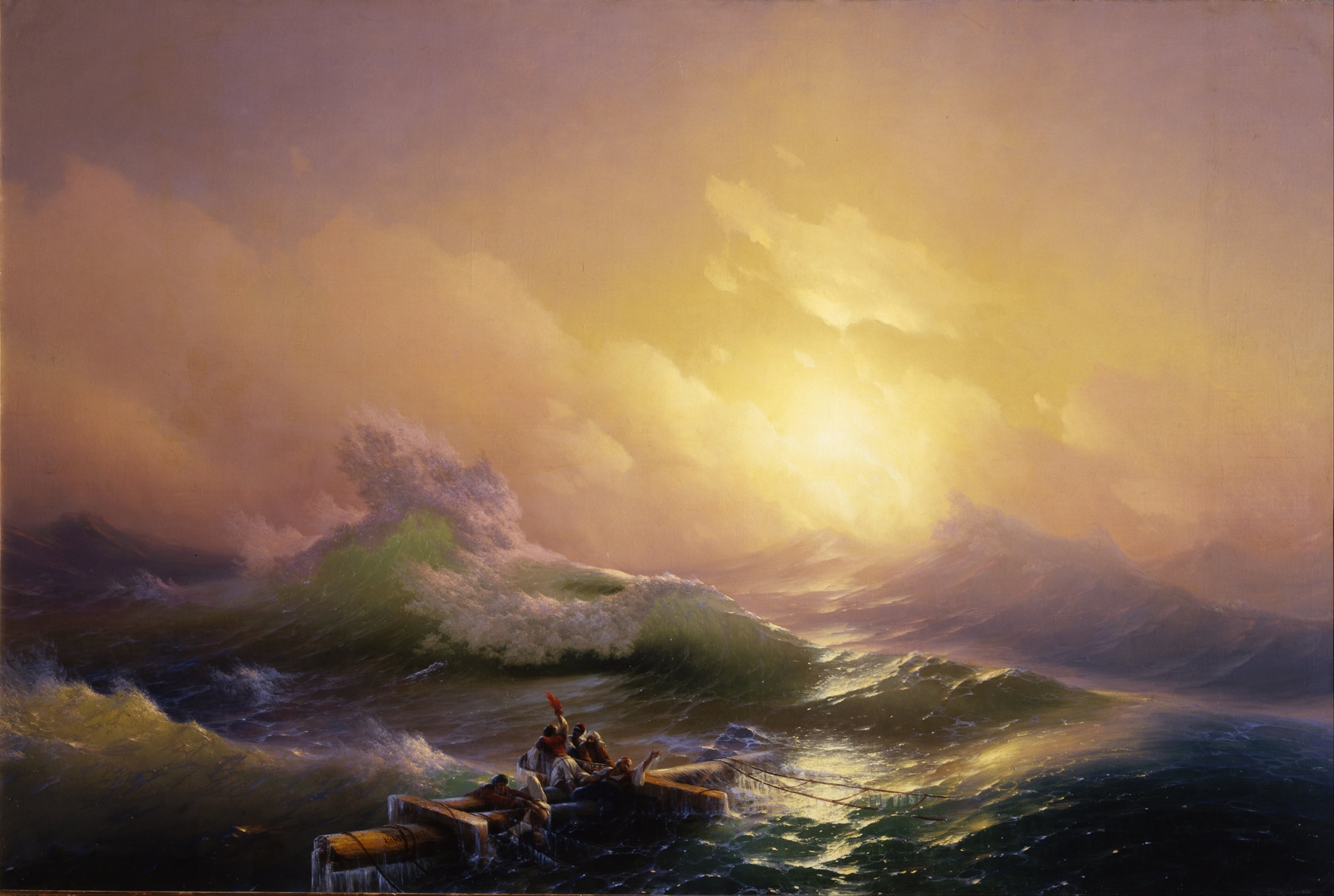
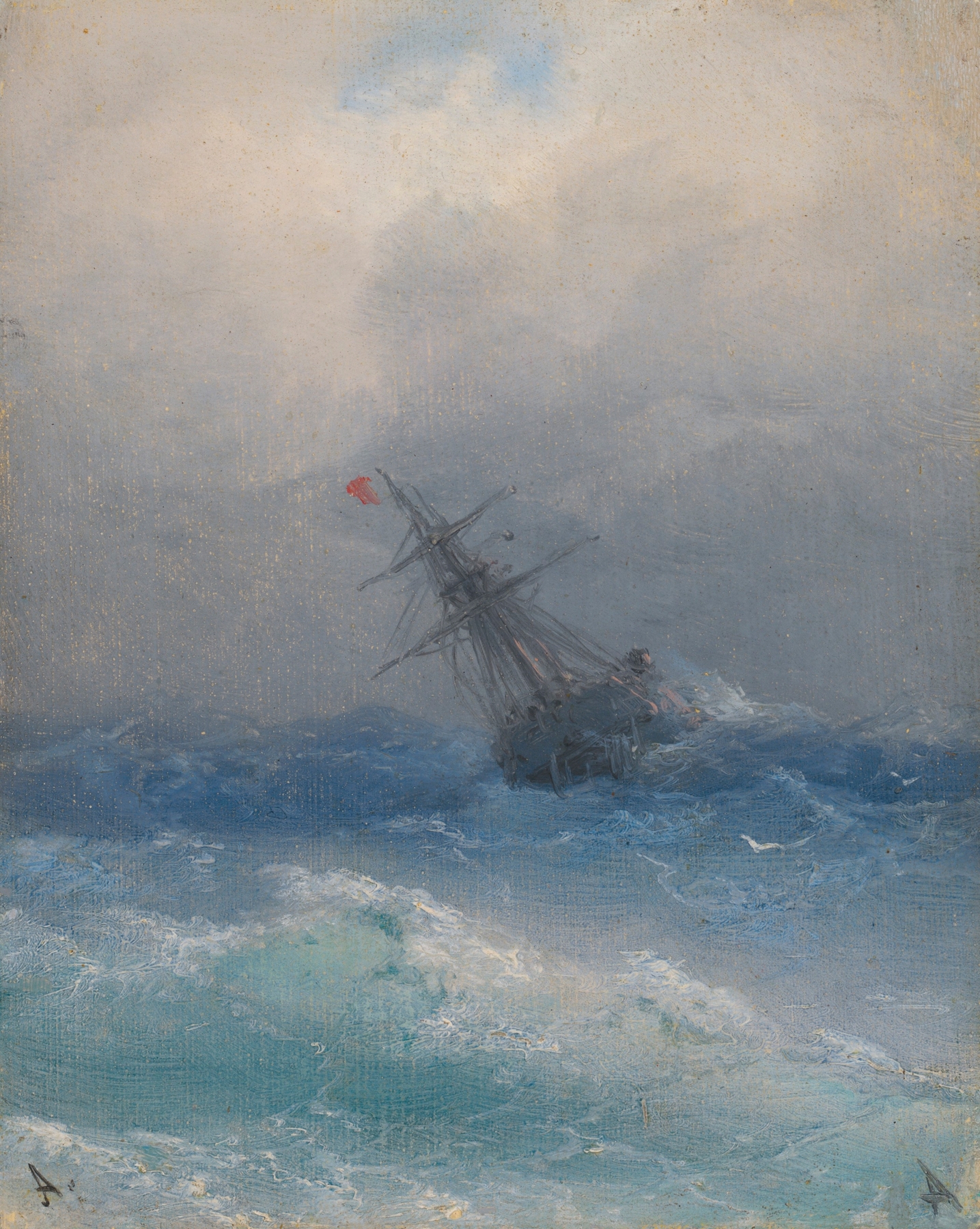
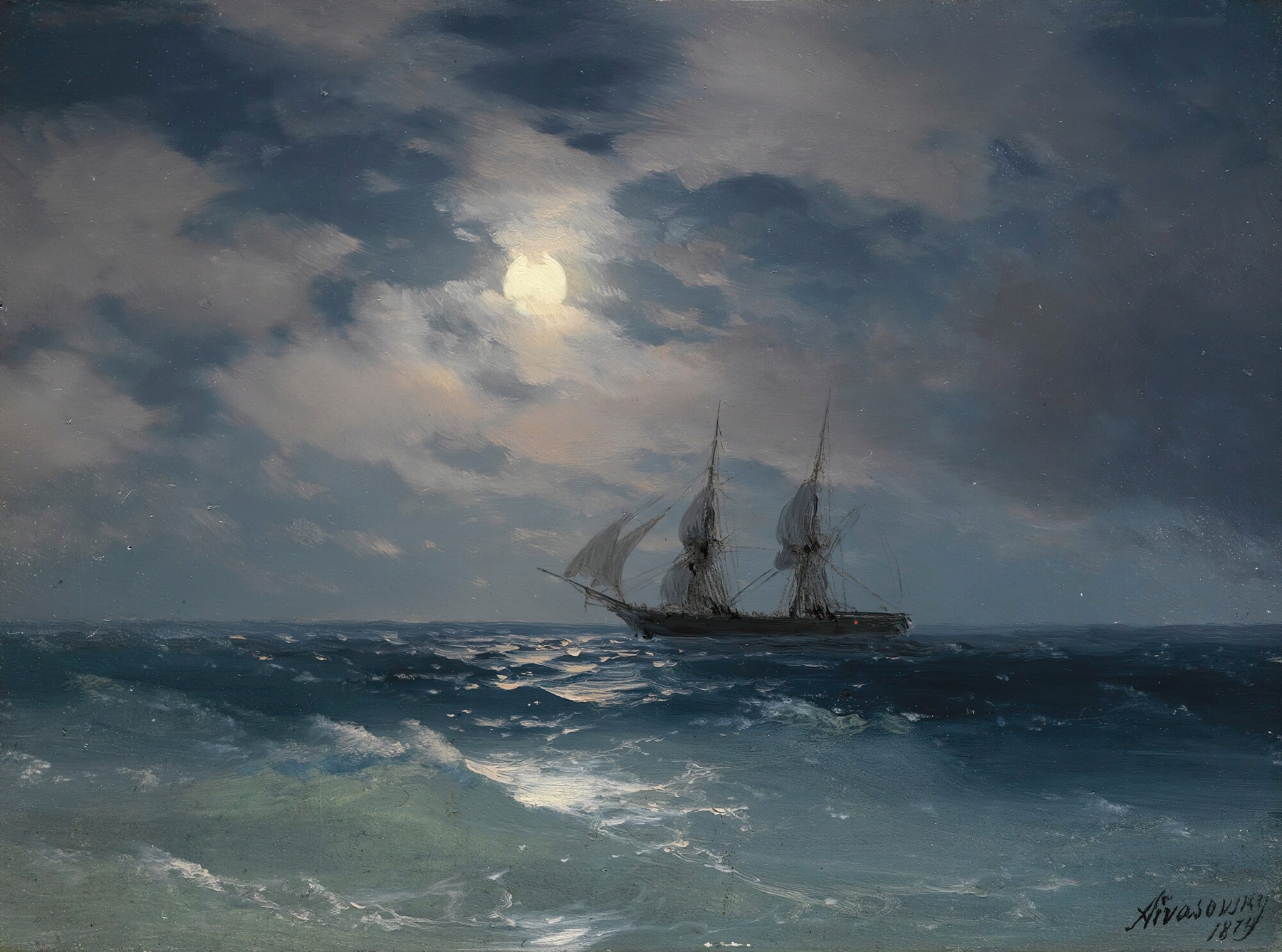
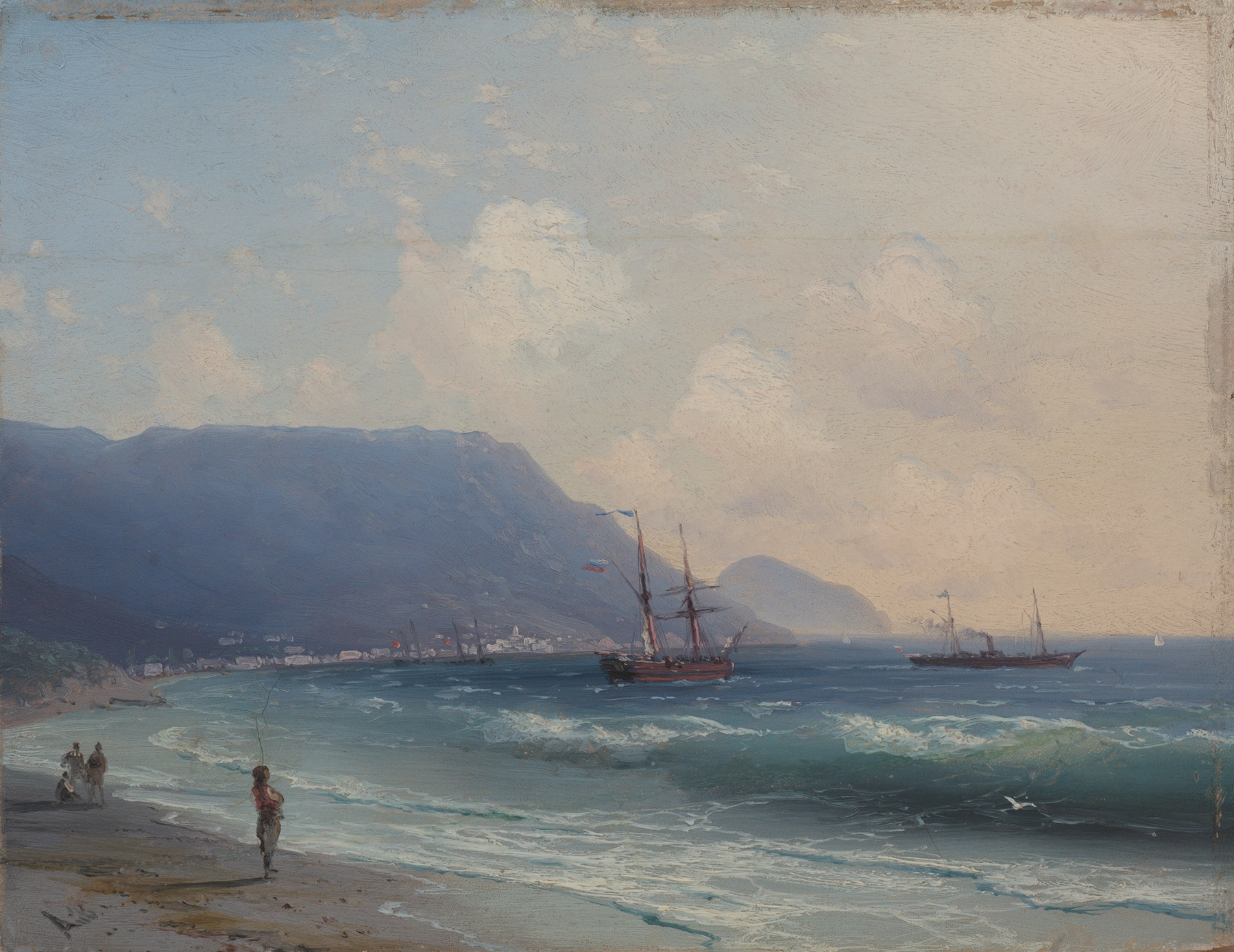
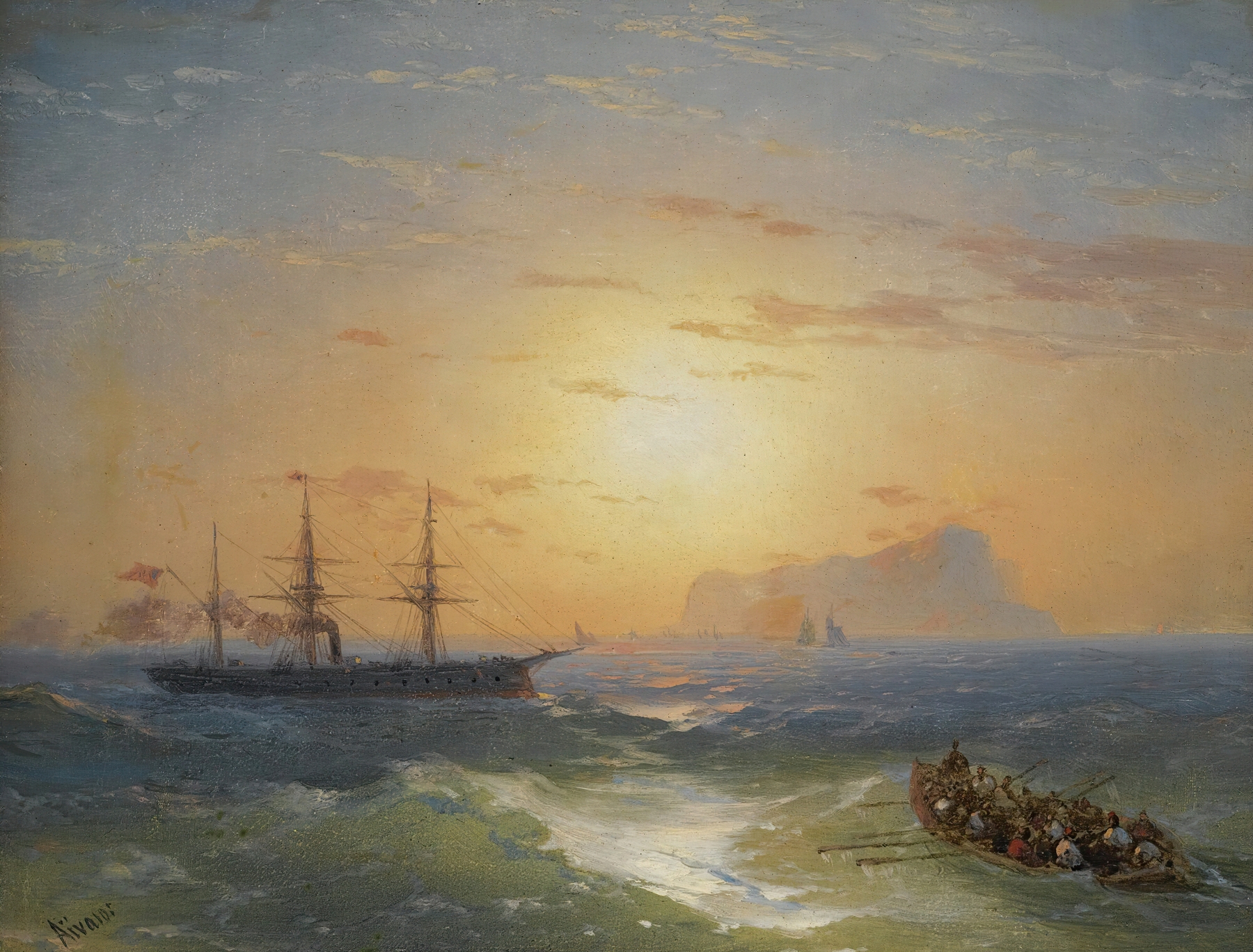
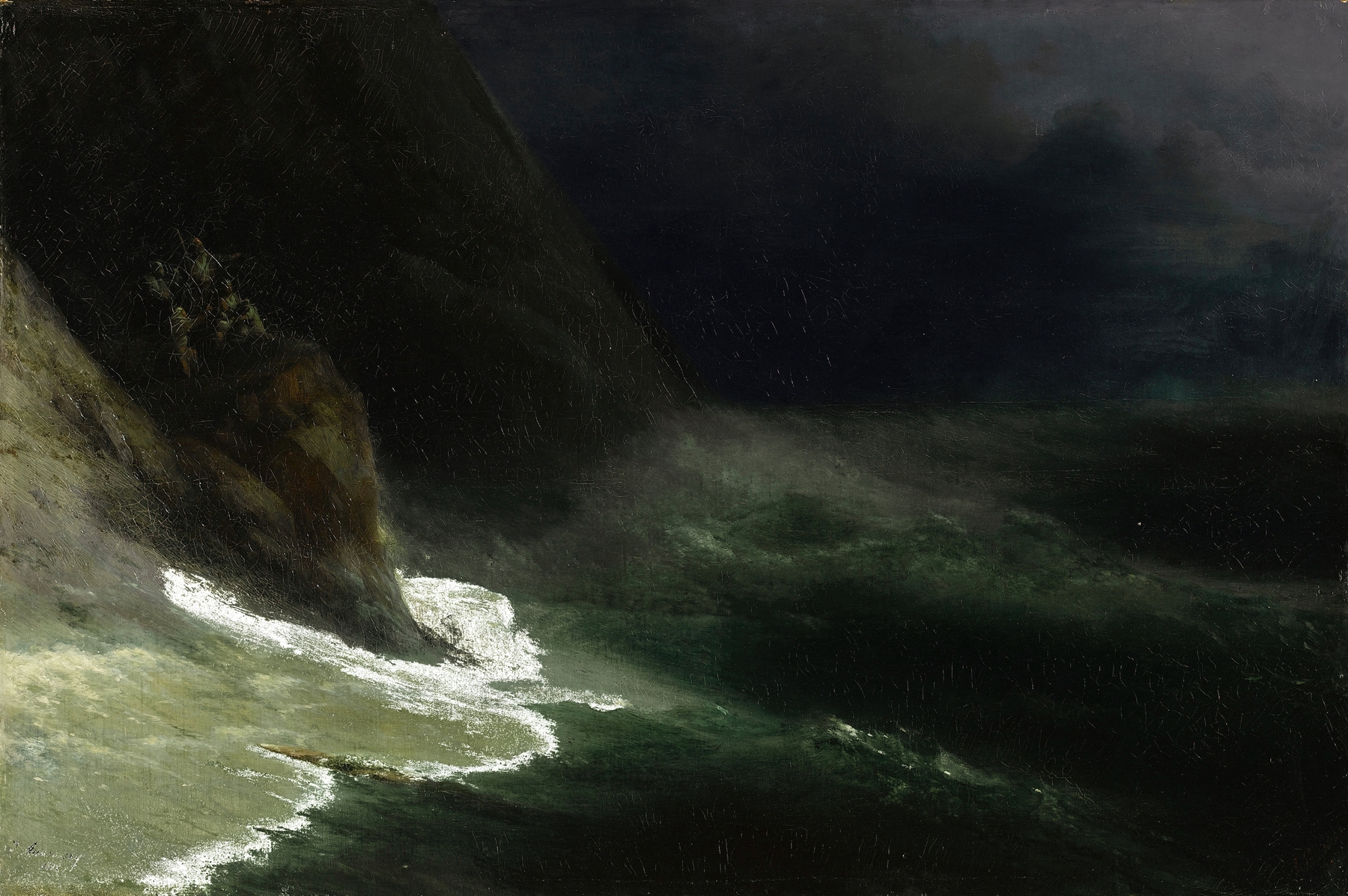
“Every silence here is a confession.” In the heart of tumultuous landscapes, beauty often emerges from the depths of quietness, revealing truths unseen. Look closely, and you’ll be drawn to the tempestuous waves crashing against craggy cliffs. The artist's mastery of light and shadow captures the raw energy of the sea, creating a breathtaking contrast that holds your gaze. Notice how the deep blues and emerald greens swirl together in a dance of chaos, while touches of golden sunlight pierce through tumultuous clouds, inviting a glimpse of serenity amidst the storm.
The scene pulses with duality; there is both beauty and danger in the crashing waves. Hidden within the tumult is a poignant reflection on nature's power, as well as a sense of isolation embodied in the distant, shadowy figures on the rocks. Their stance suggests vulnerability against the might of the sea, evoking emotional tension that resonates deeply within the viewer, urging contemplation of their own place amidst the vastness of existence.
During the time this piece was created, Aivazovsky was reflecting the turbulent spirit of the 19th century, a period marked by both national strife and artistic innovation in Russia. As he painted, he was simultaneously establishing his reputation as a master of marine art, captivating audiences with his ability to merge the dramatic with the sublime. His works, including Crimea, were celebrated not only for their aesthetic beauty but also for their emotional depth, which mirrored the complexities of life and nature in that era.