Seascape — History & Analysis
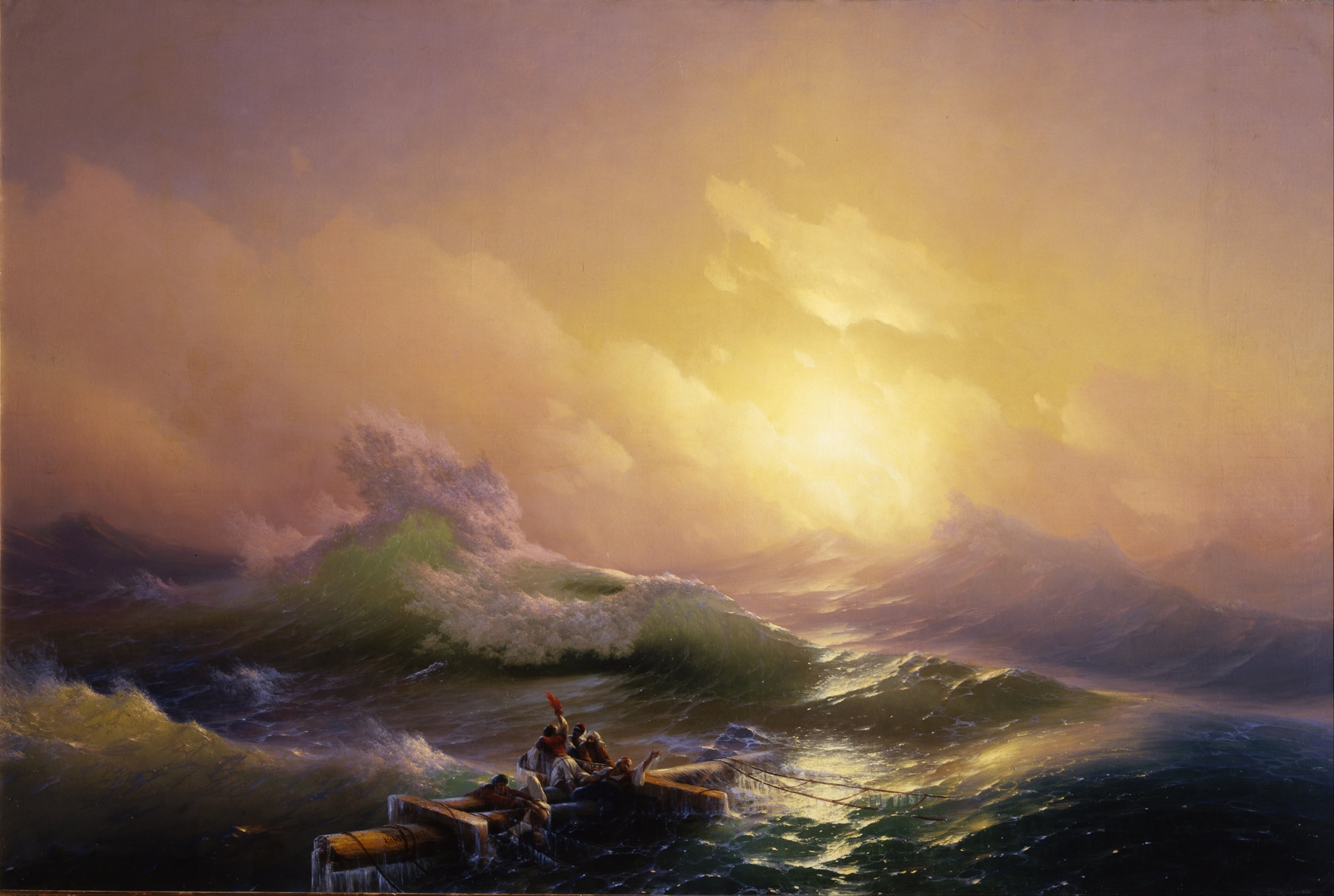
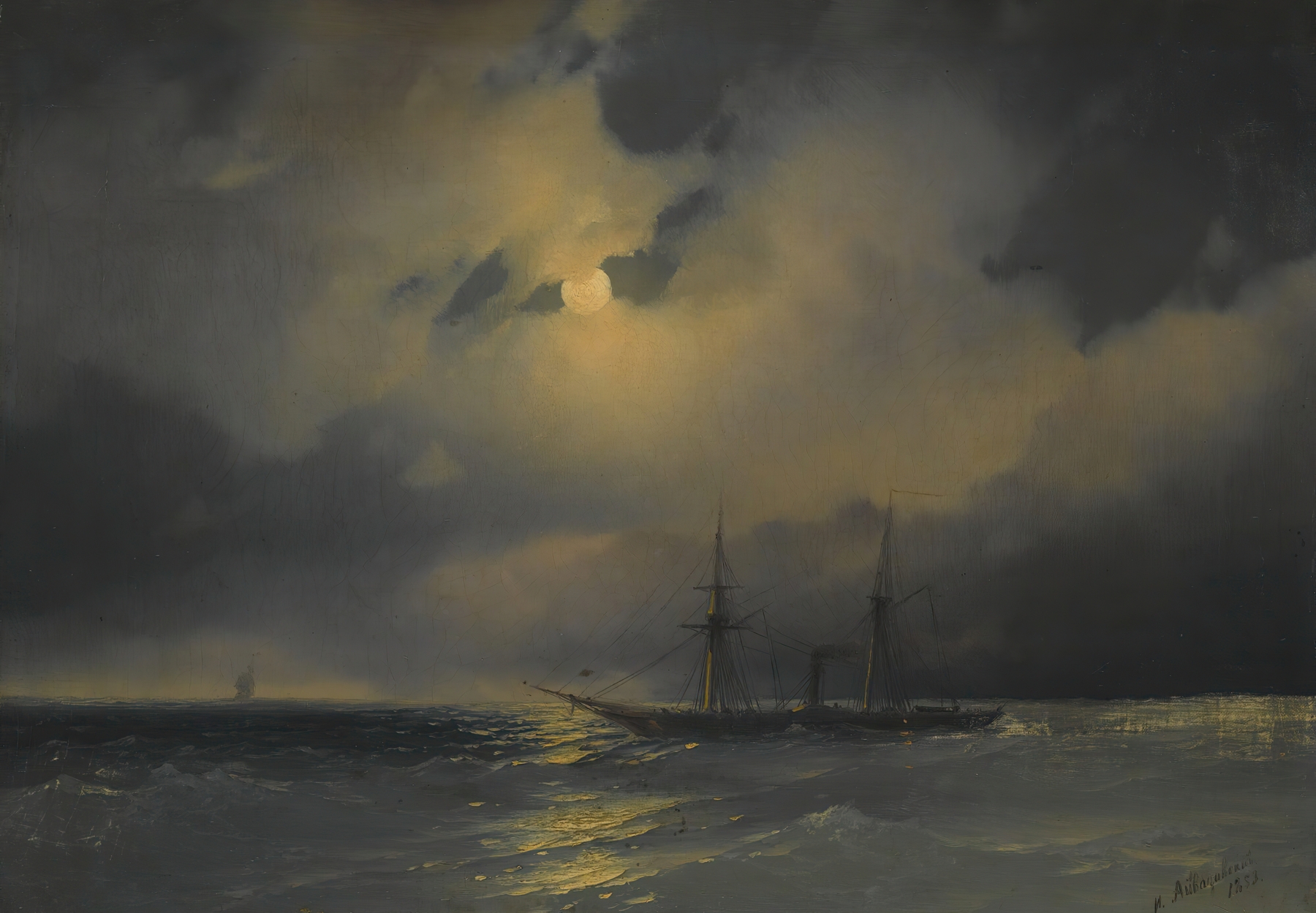
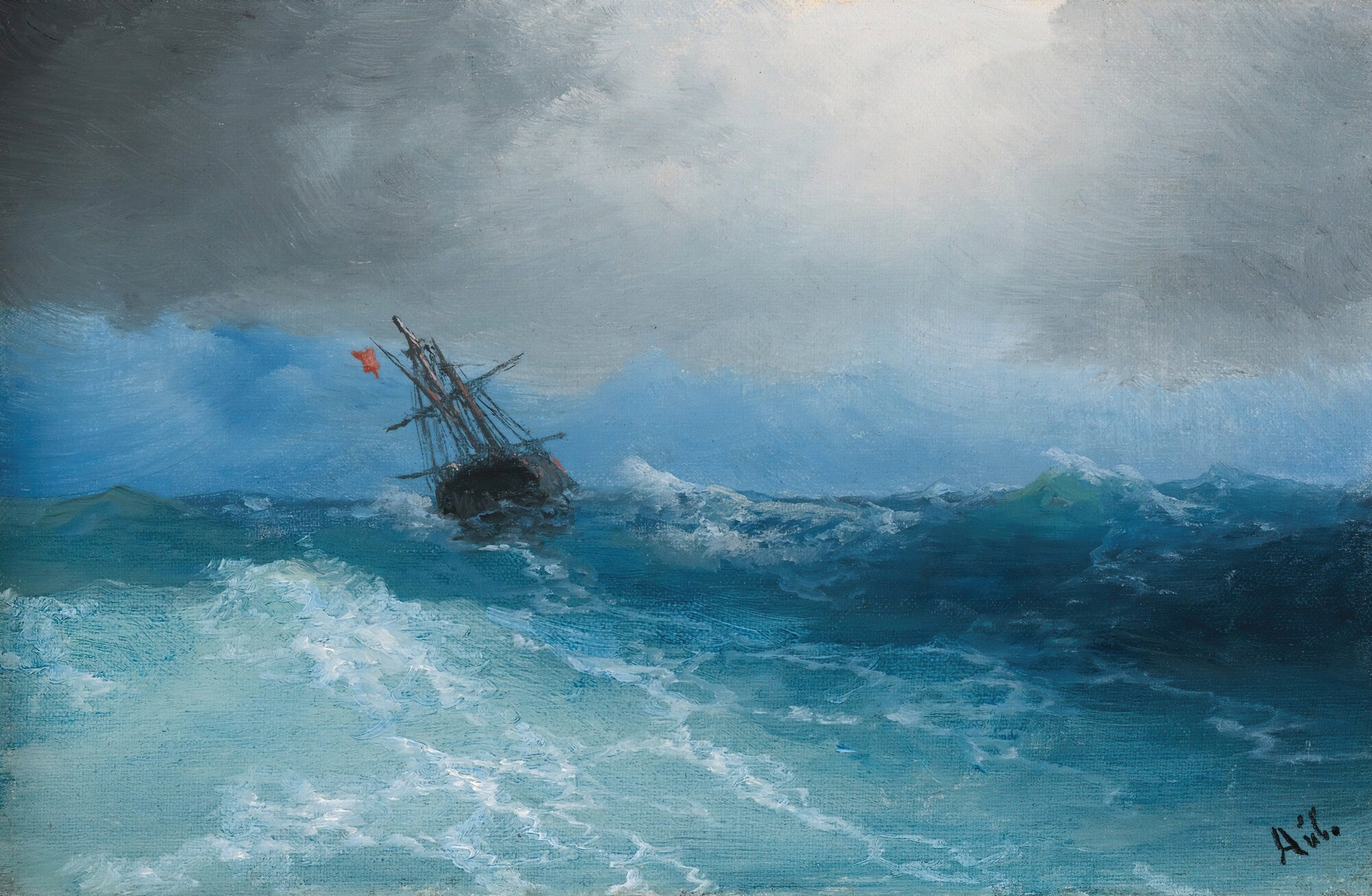
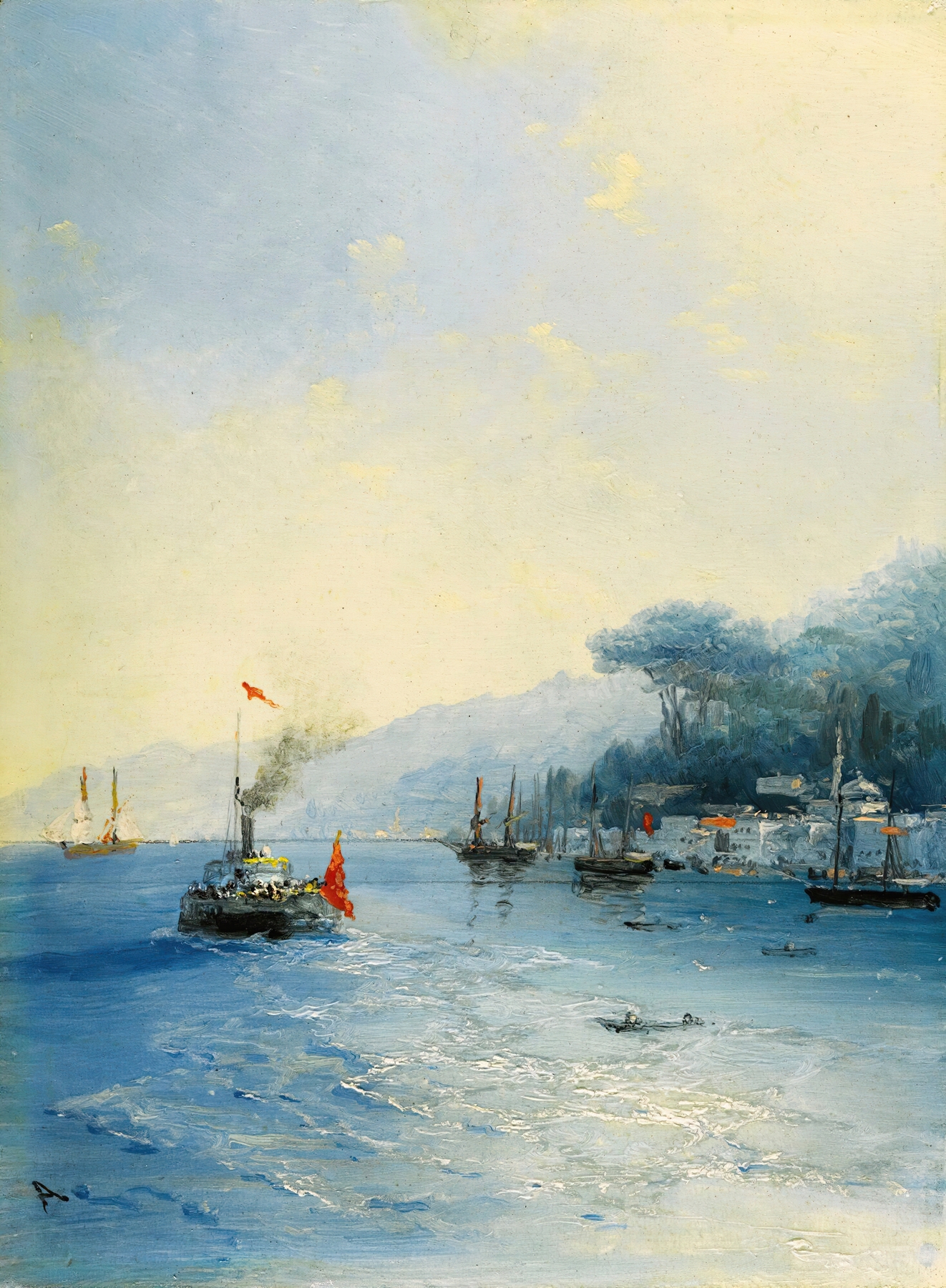
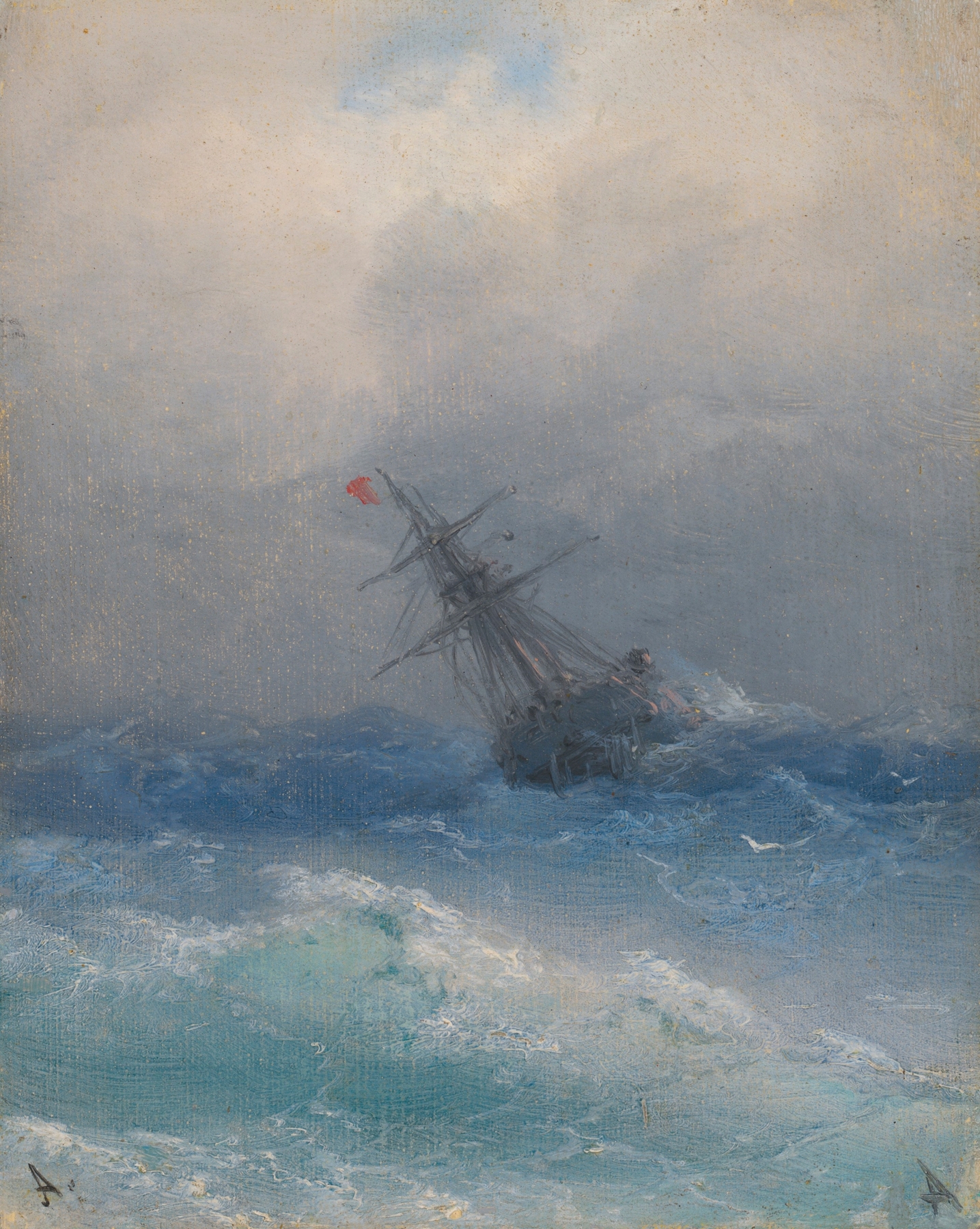
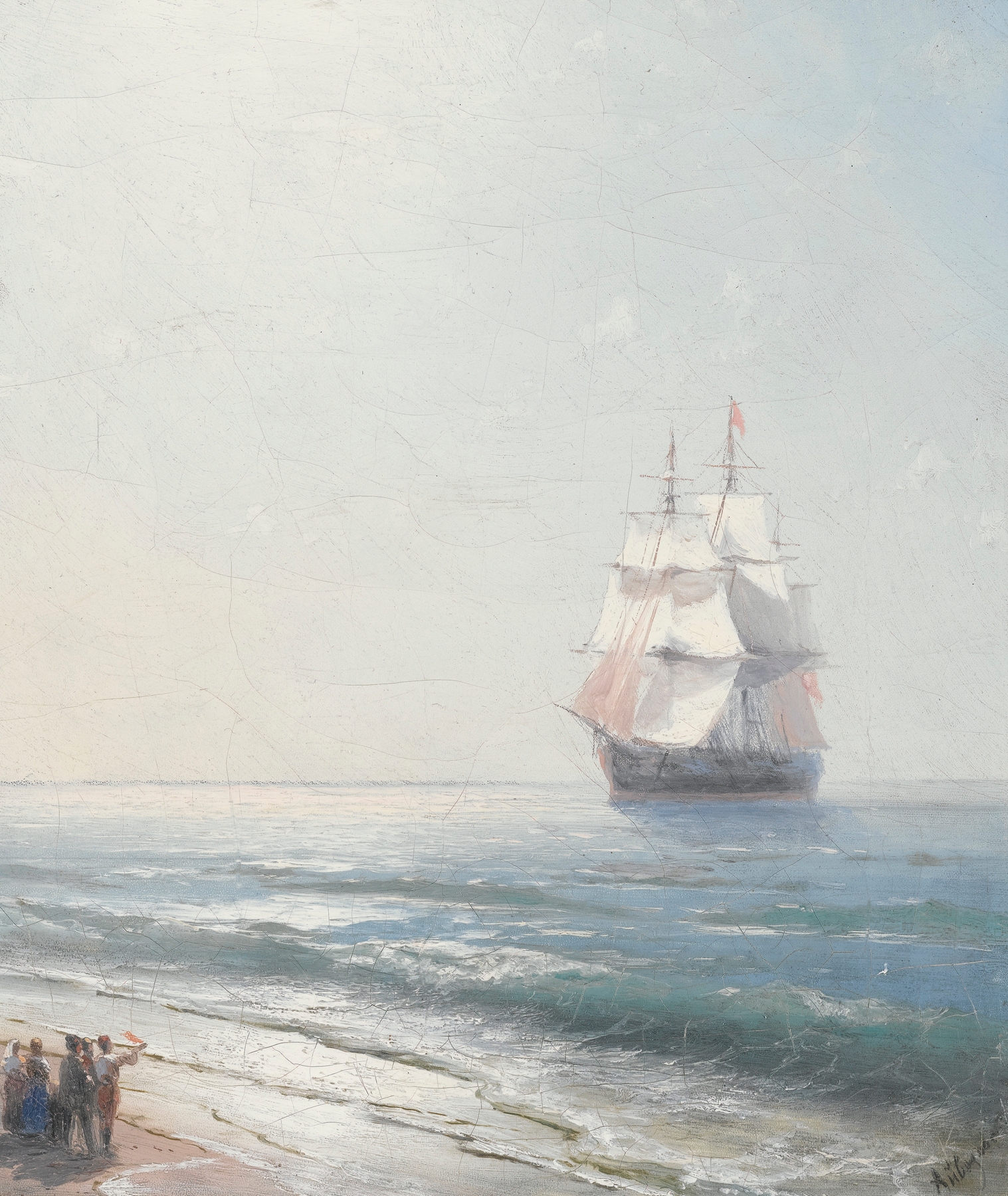
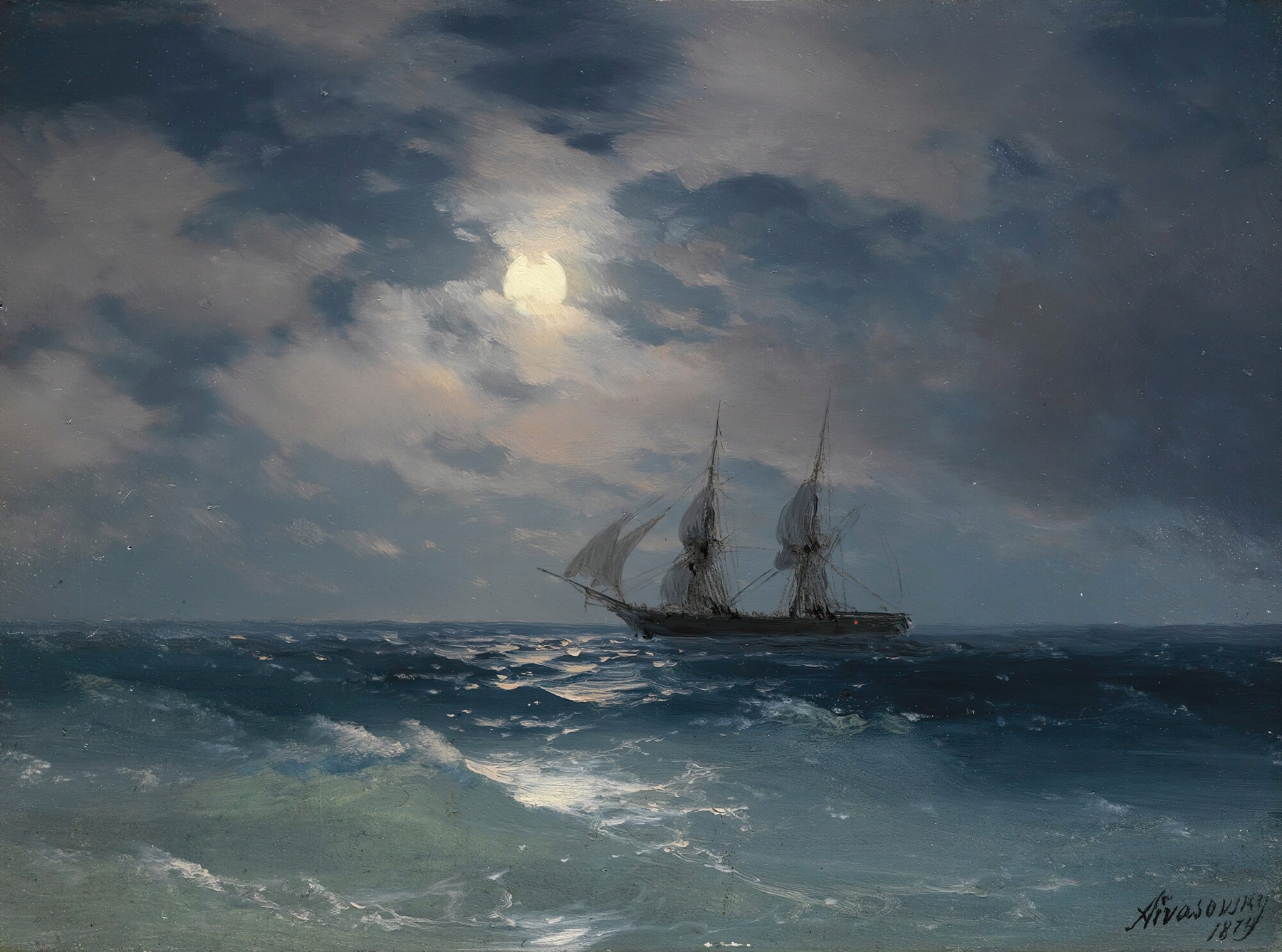
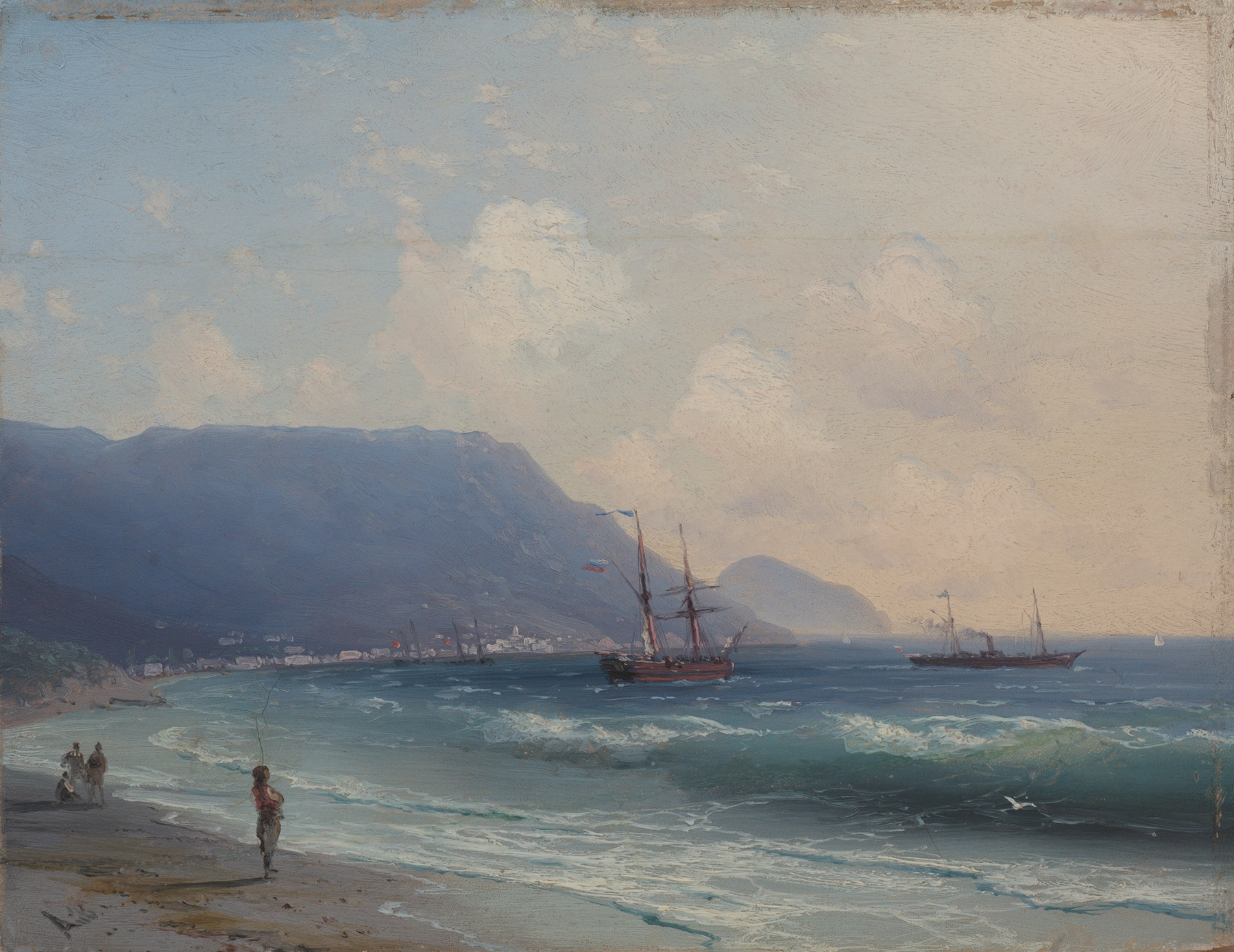
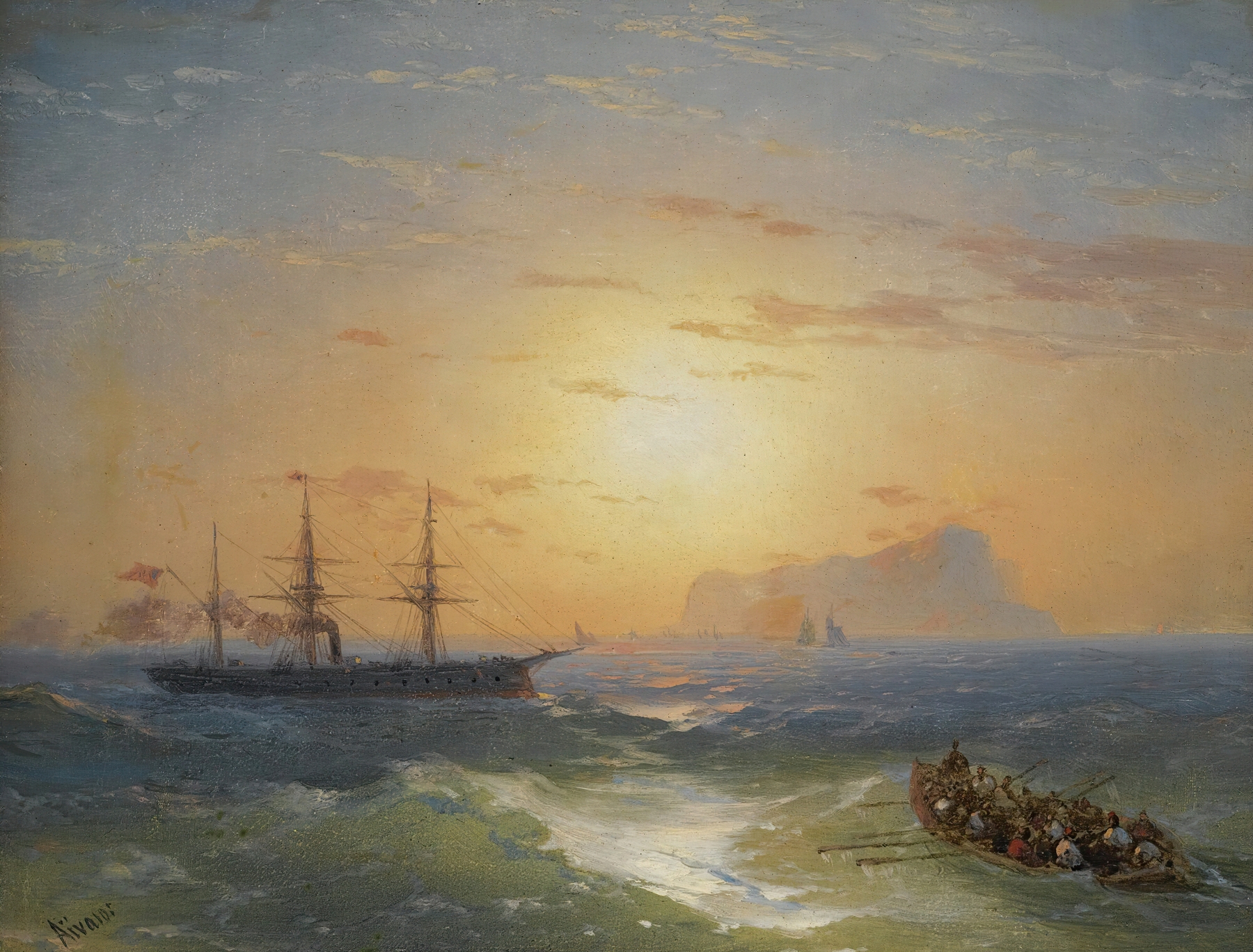
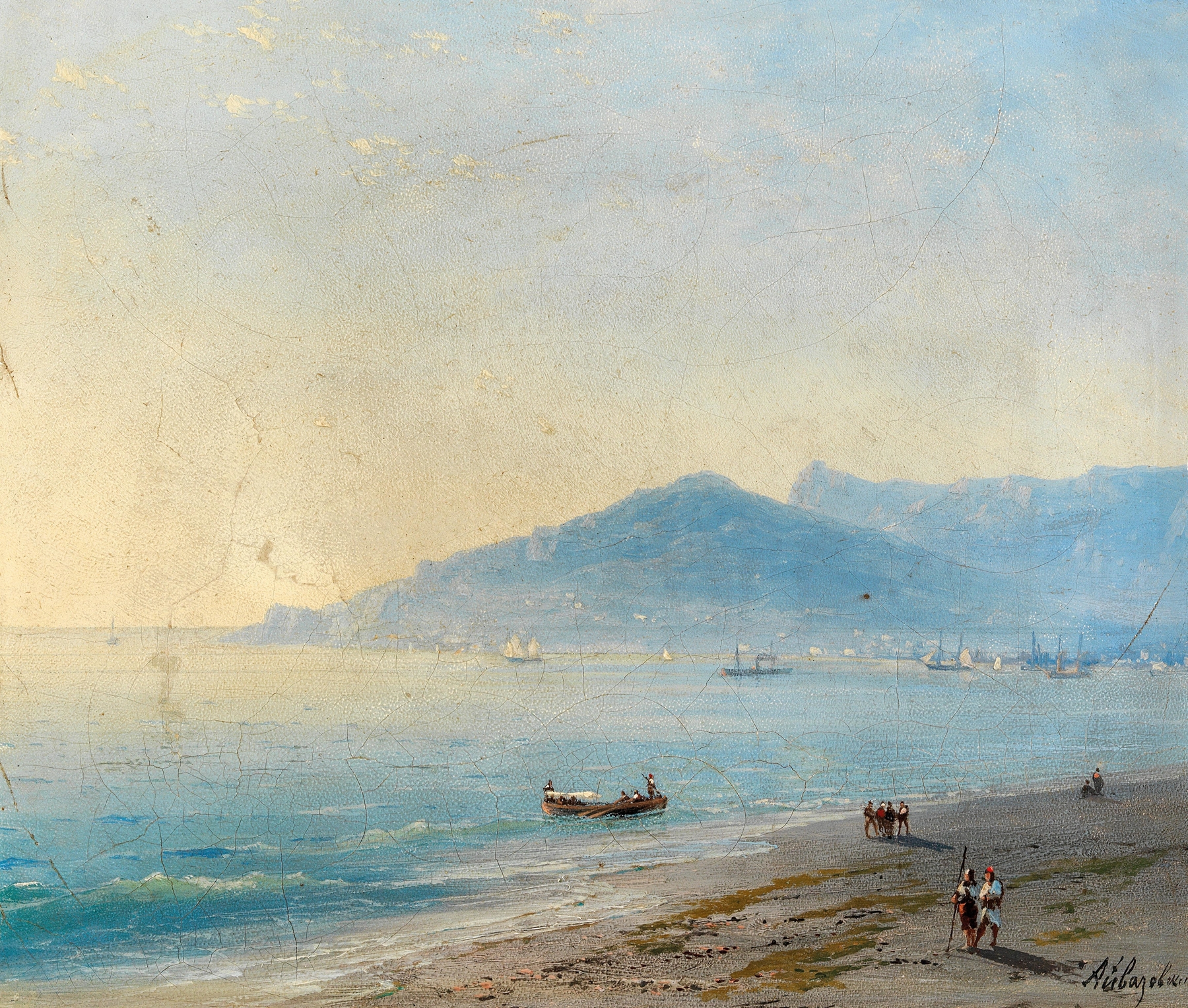
Could beauty survive in a century of chaos? In Seascape, the answer resonates through the waves and the sky, inviting us to contemplate the sublime power of nature amidst turmoil. Look to the horizon where the deep, cerulean blue of the ocean meets the soft, golden hues of a setting sun. The artist masterfully captures the dance of light, where reflections shimmer on the water's surface, creating a pathway that draws the viewer's gaze toward infinity. The brushstrokes suggest the texture of the waves, each crest frozen in time, while the clouds swirl in a dramatic interplay of colors—delicate pastels beneath darkening grays.
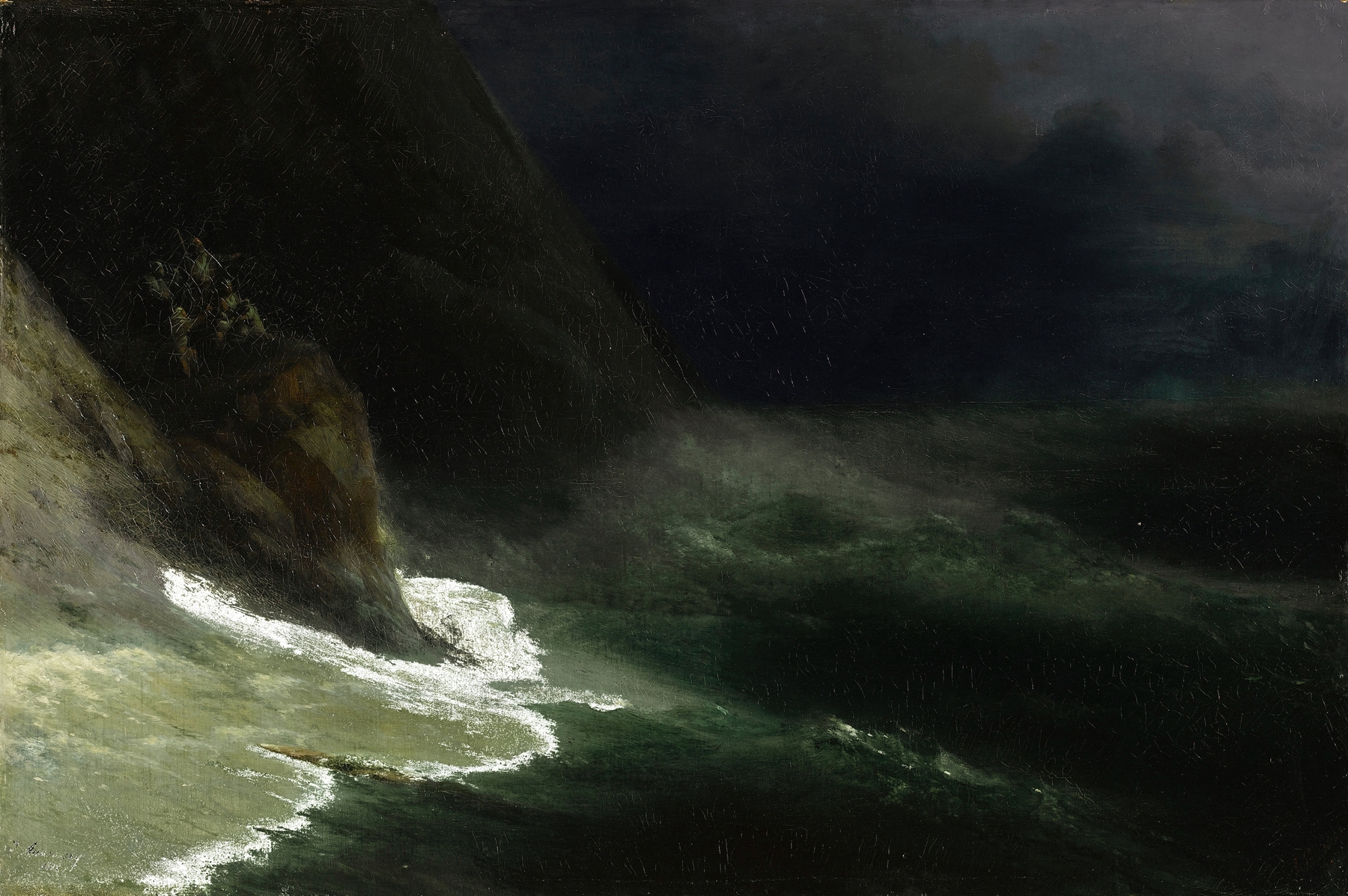
This layered palette evokes a sense of both tranquility and tension, a moment held before the storm. Delve deeper into the painting, and you’ll notice the subtle juxtaposition of chaos and serenity. The tumultuous waves suggest an underlying struggle, yet the overall composition exudes peace, as if nature itself is offering solace. The interplay of light and shadow adds complexity, inviting viewers to reflect on their own experiences of beauty amidst life's inevitable storms.
Aivazovsky’s execution reveals not just a seascape but a metaphor for resilience, a reminder that beauty can persist even when the world feels turbulent. In 1878, Ivan Konstantinovich Aivazovsky was already a celebrated painter, known for his extraordinary ability to convey the nuances of light and water. Working in his native Russia, he was influenced by the Romantic movement, which emphasized emotion and nature. During this time, the art world was shifting towards realism, yet Aivazovsky remained dedicated to the poetic representation of the sea, capturing its moods and mysteries with an unmatched sensitivity.