Ruins of the Château de Pierrefonds — History & Analysis
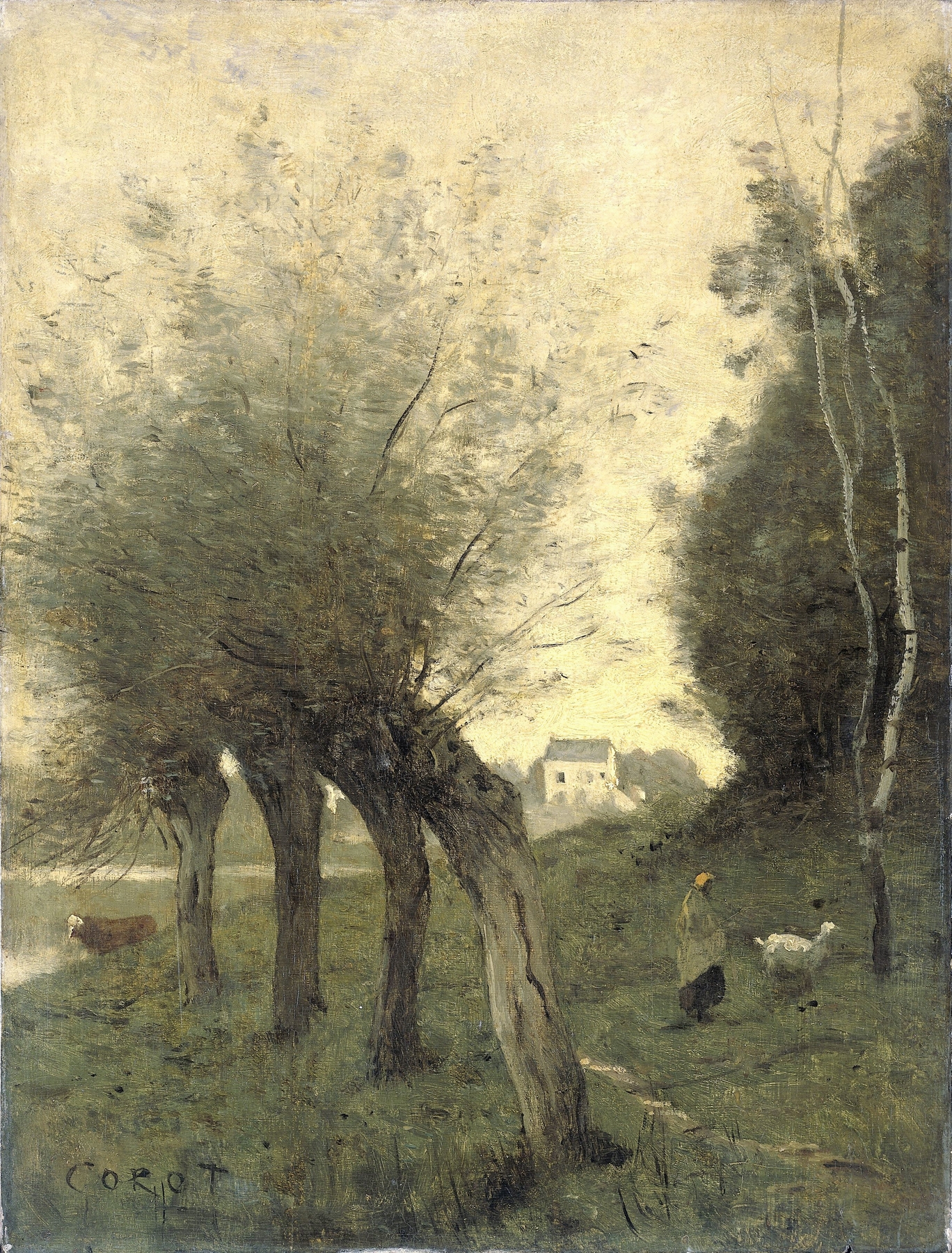
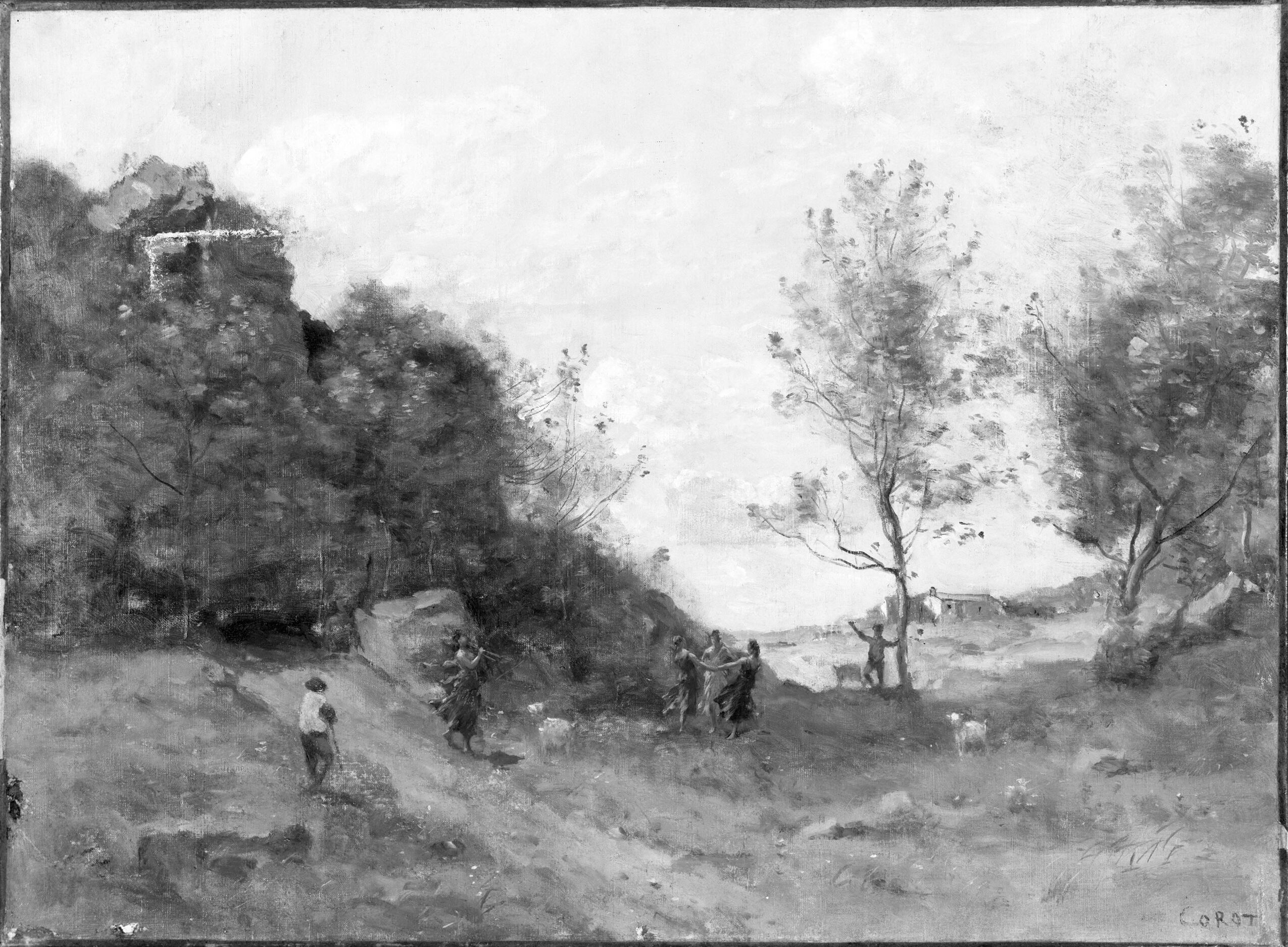
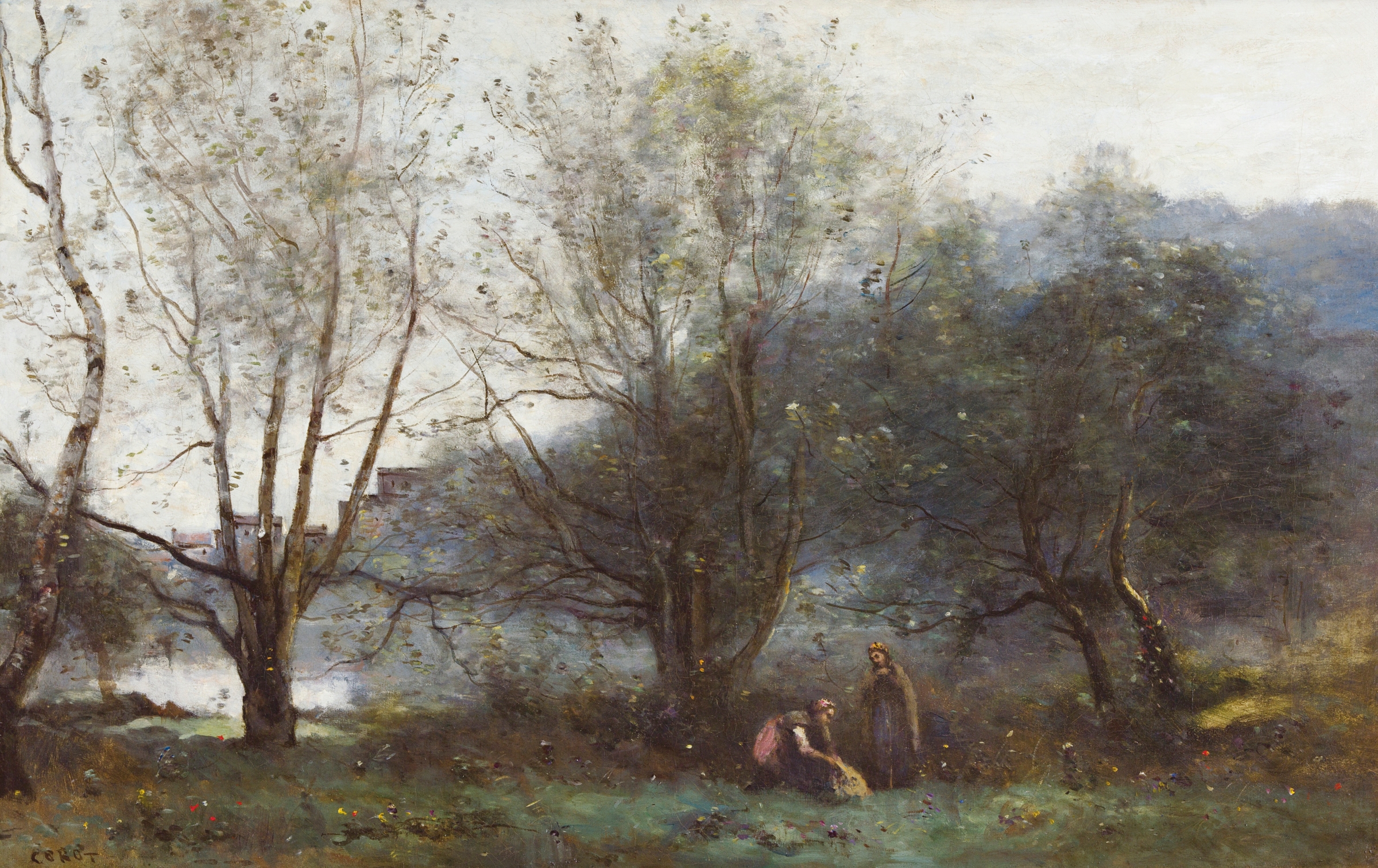
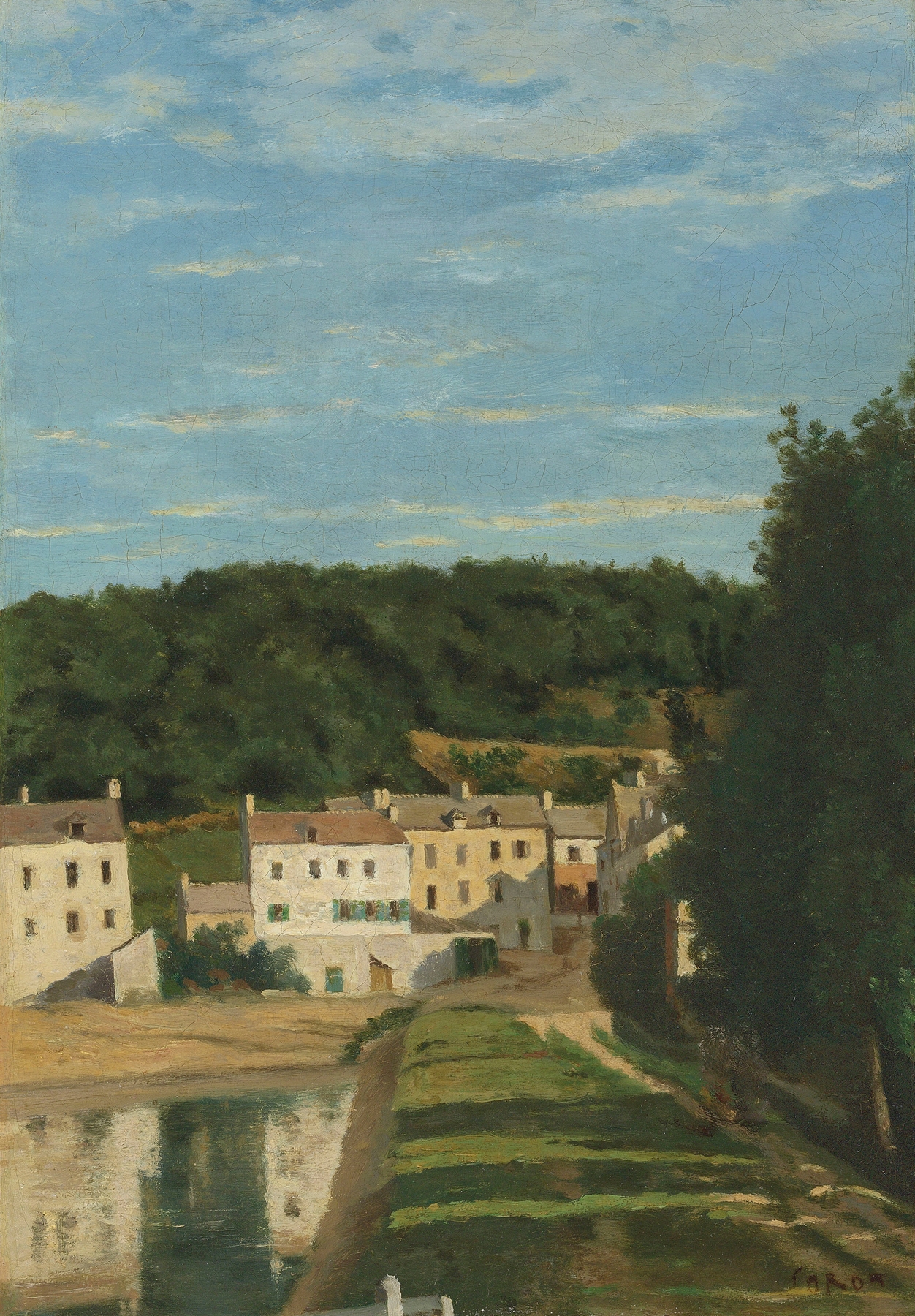
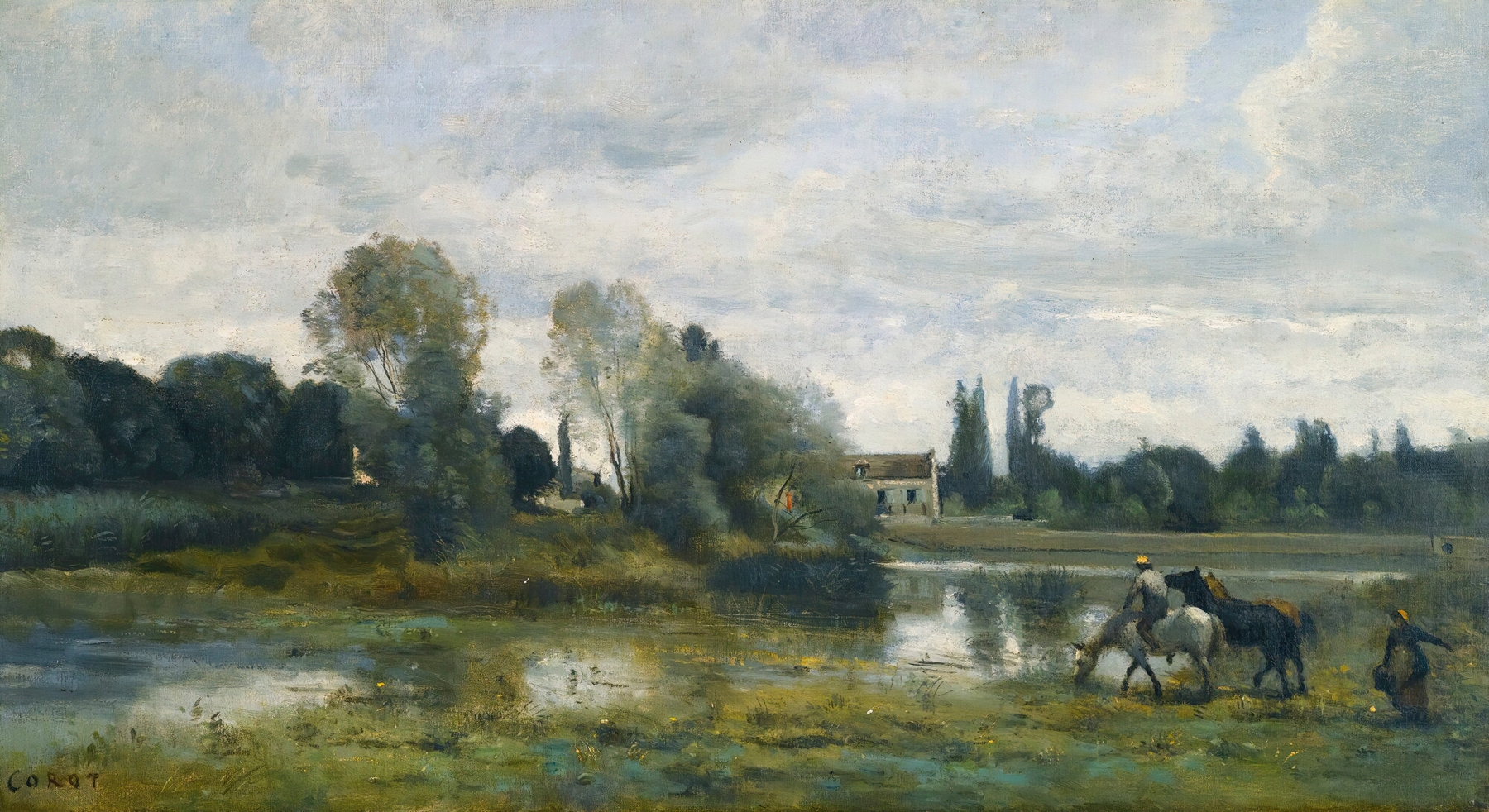
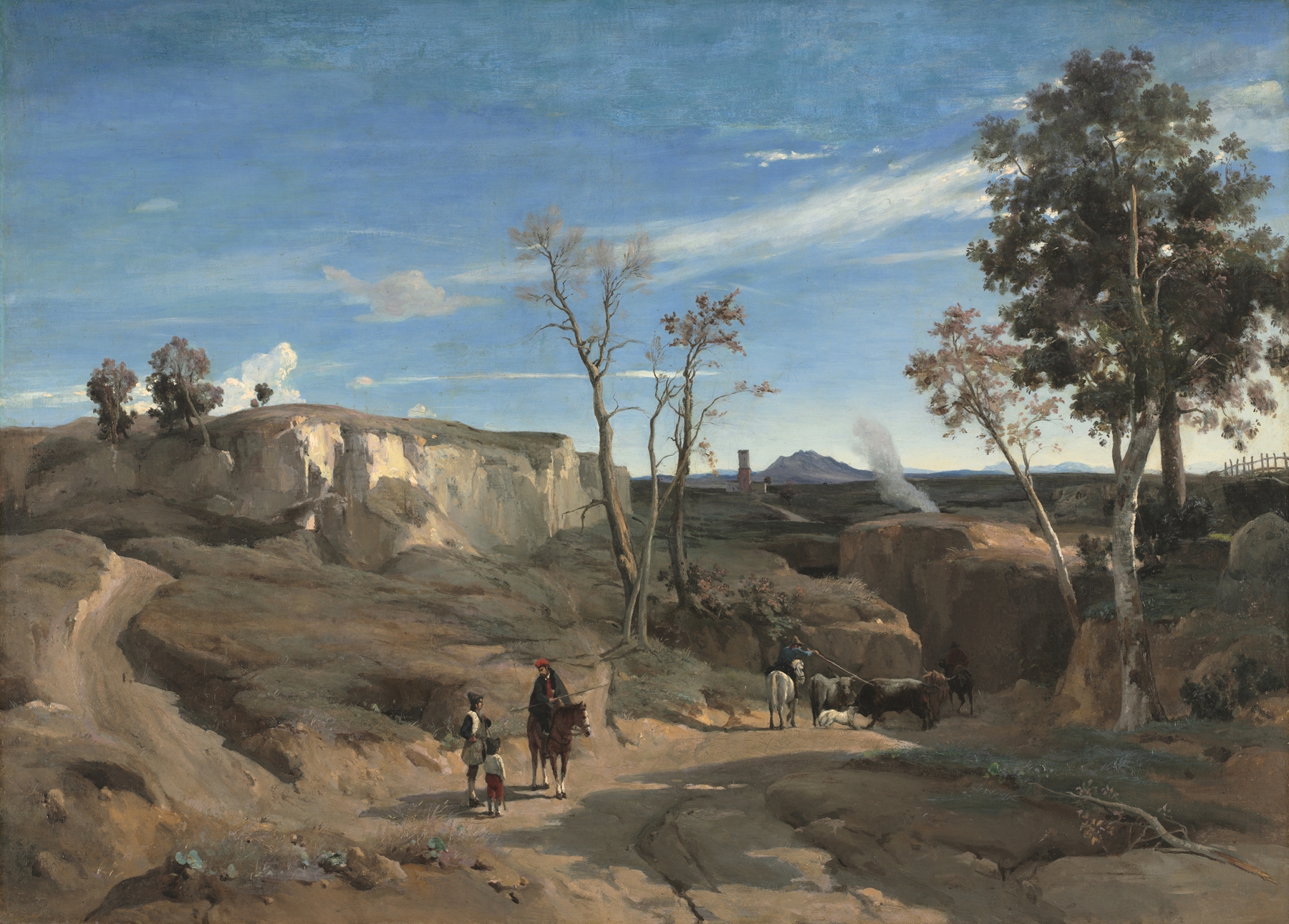
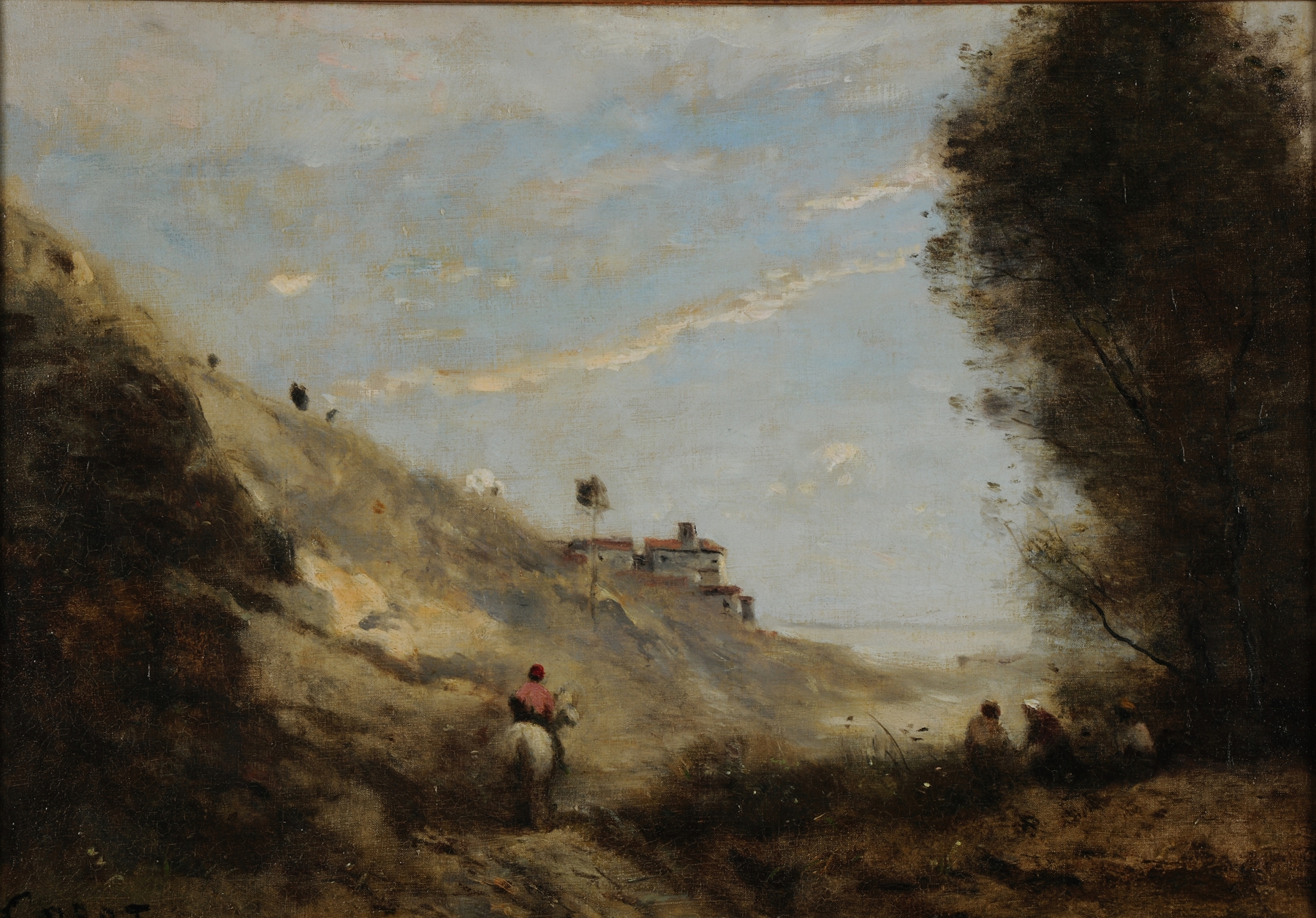
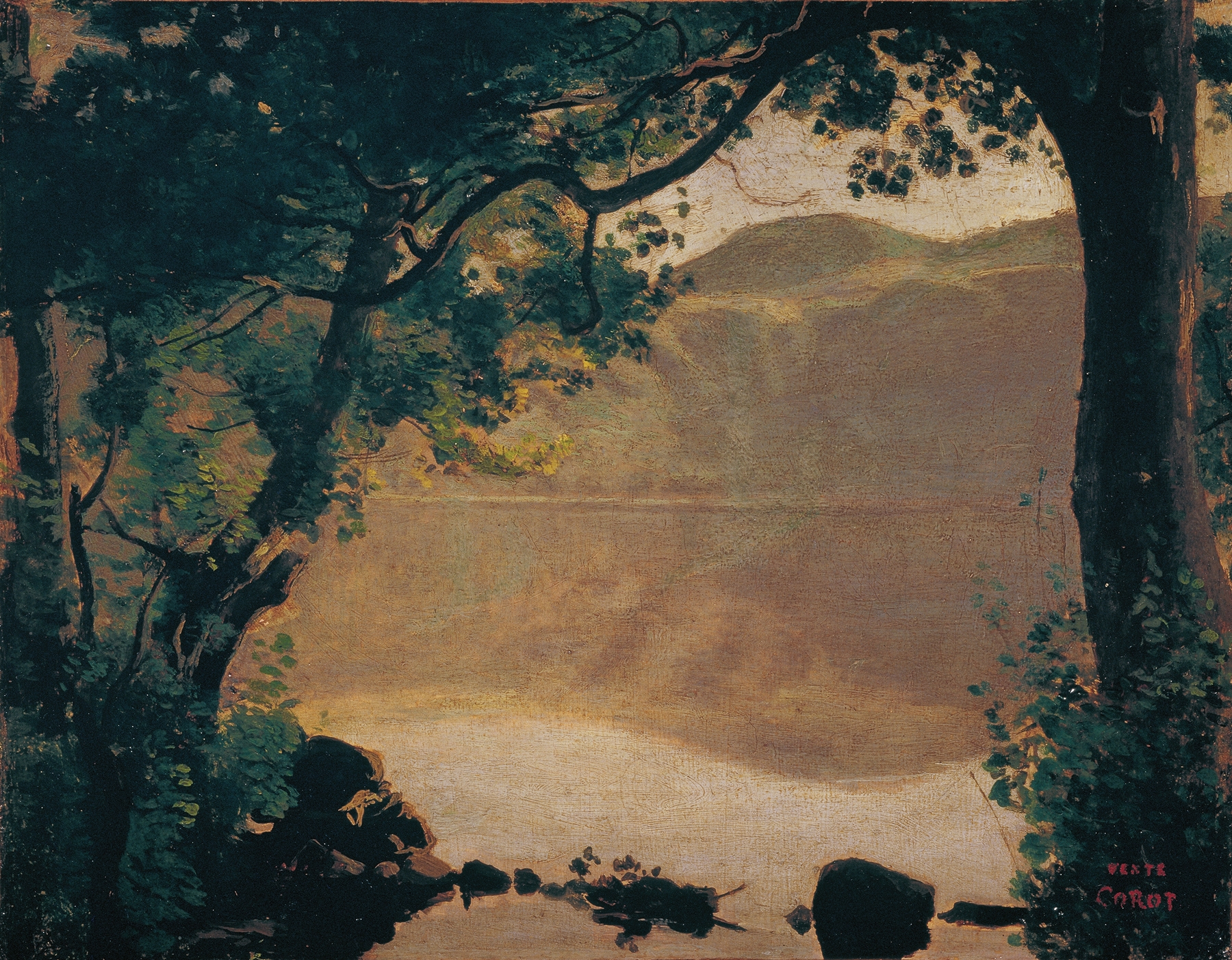
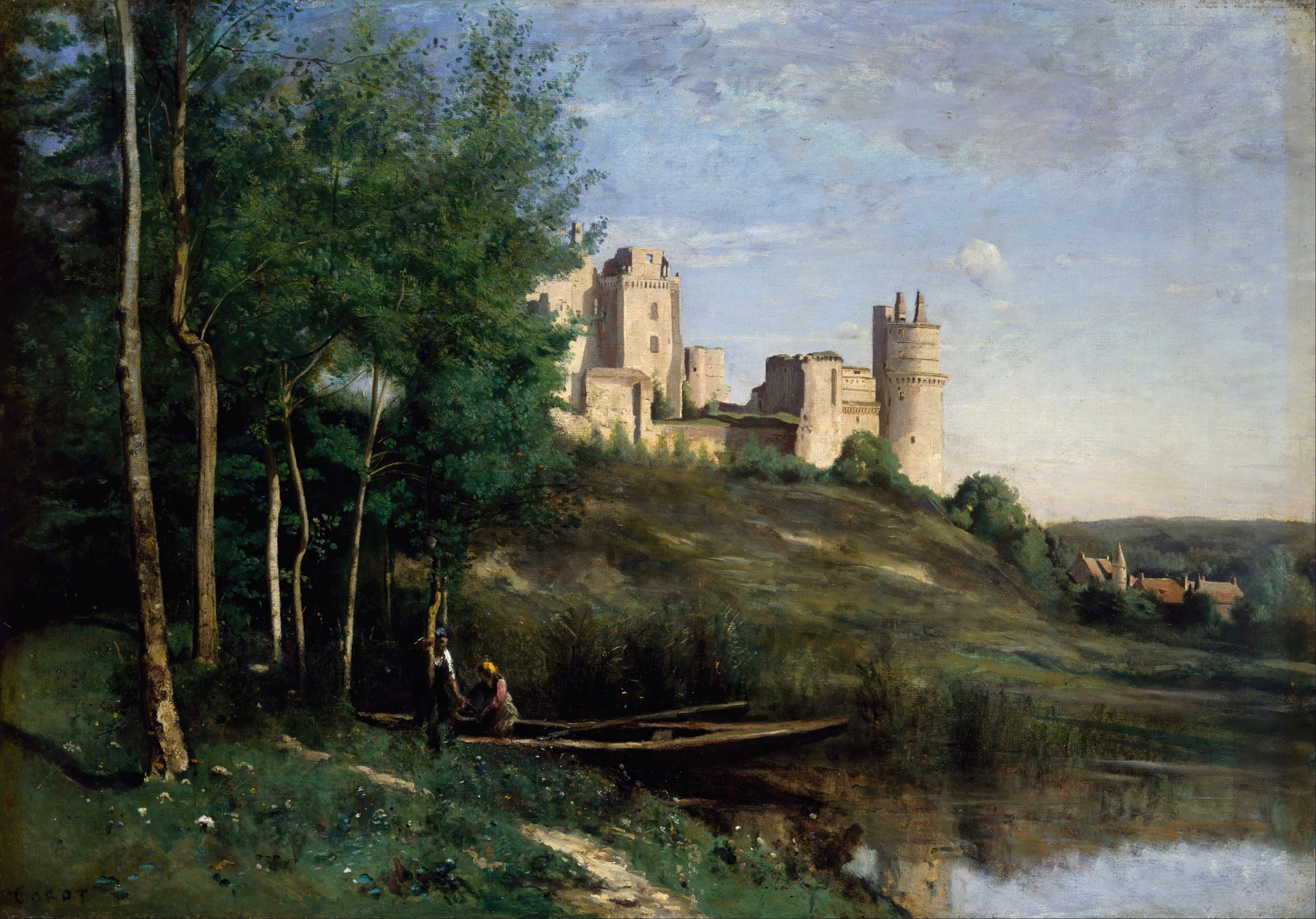
What if silence could speak through light? In the stillness of the past, the decaying structure looms, whispering tales of grandeur and loss. Focus your gaze on the midground, where the crumbling façade of the Château de Pierrefonds stands defiantly against the backdrop of the soft, enveloping landscape. Notice how the muted colors—gentle greens and grays—create a somber palette that evokes a sense of nostalgia. The brushwork is delicate yet powerful, revealing the artist's mastery in capturing the play of light as it glints off the stone edges, illuminating the ruins with an almost ethereal glow. This interplay between light and shadow not only enhances the architecture but also reflects the passage of time, making the viewer acutely aware of the impermanence of beauty. Delve deeper into the work, and you’ll discover a tension that lies beneath its serene surface. The haunting remnants of the château evoke a duality of fear and fascination; they mirror the inevitable decay that awaits all things. Look closely at the overgrown vegetation creeping around the structure—nature reclaiming what was once dominated by human hands. This juxtaposition of lush life against crumbling stone speaks to the fragility of existence and the relentless march of time, inviting contemplation on what remains when grandeur fades away. Created between 1825 and 1872 during a period of artistic transition, this piece reflects Jean-Baptiste-Camille Corot's engagement with the Romantic movement. Working from his studio in France, he emphasized the emotional resonance of landscapes, capturing not just the physical scene but also its inner essence. This era saw a shift towards exploring the relationship between humanity and nature, and the artist's sensitivity to atmospheric effects epitomizes his innovative approach.