Scene with a Tower to the Left — History & Analysis
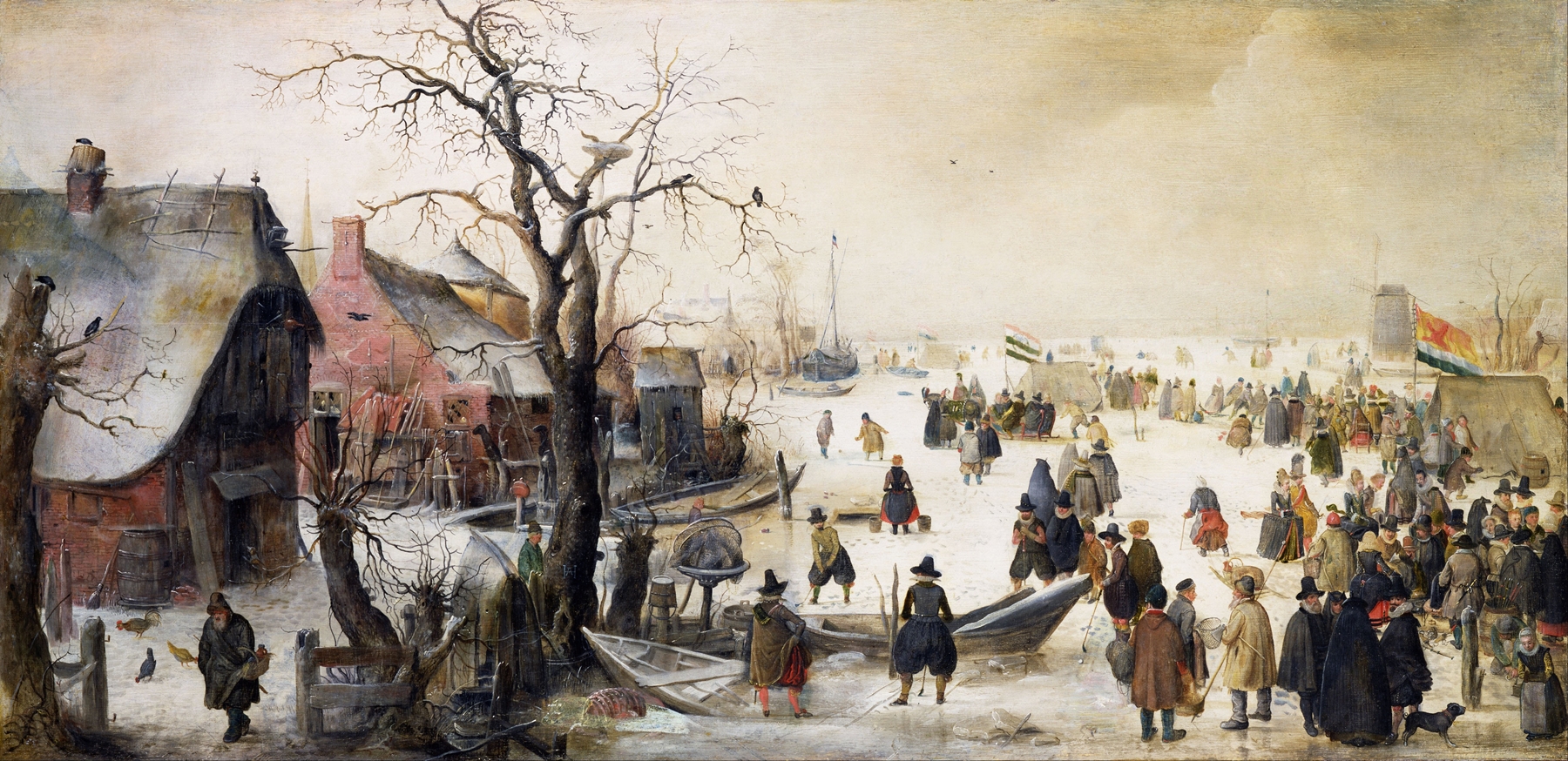
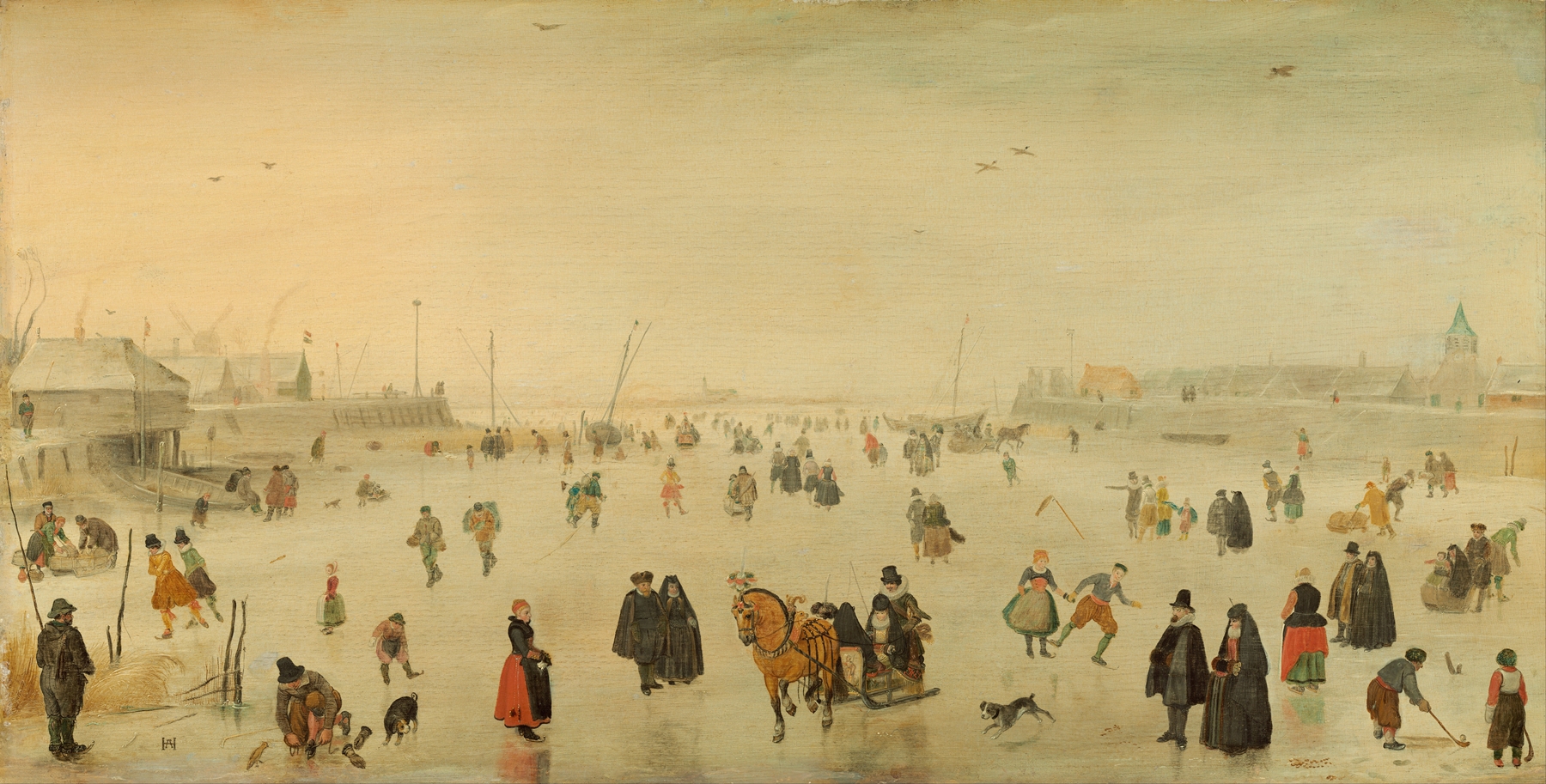
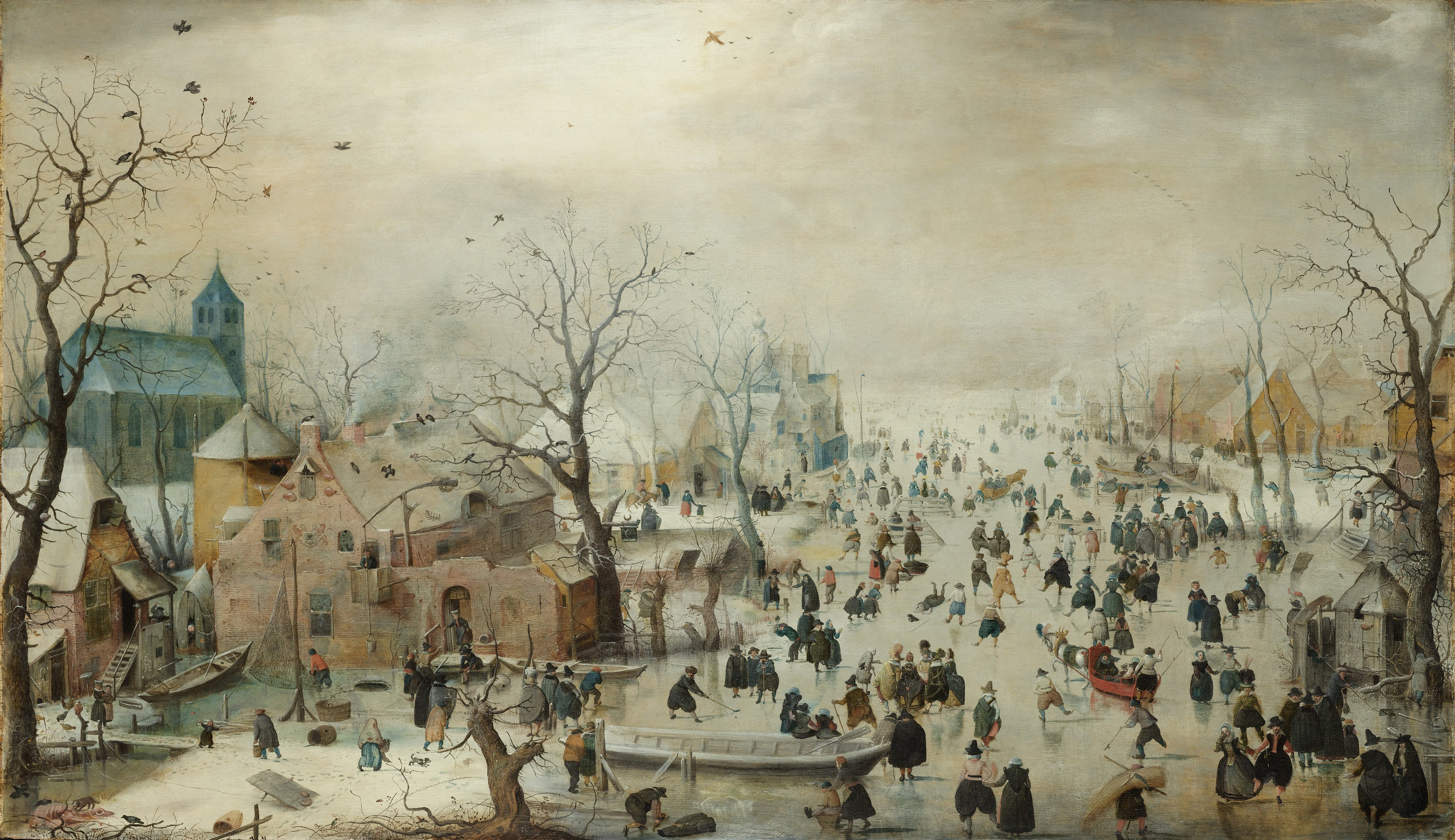
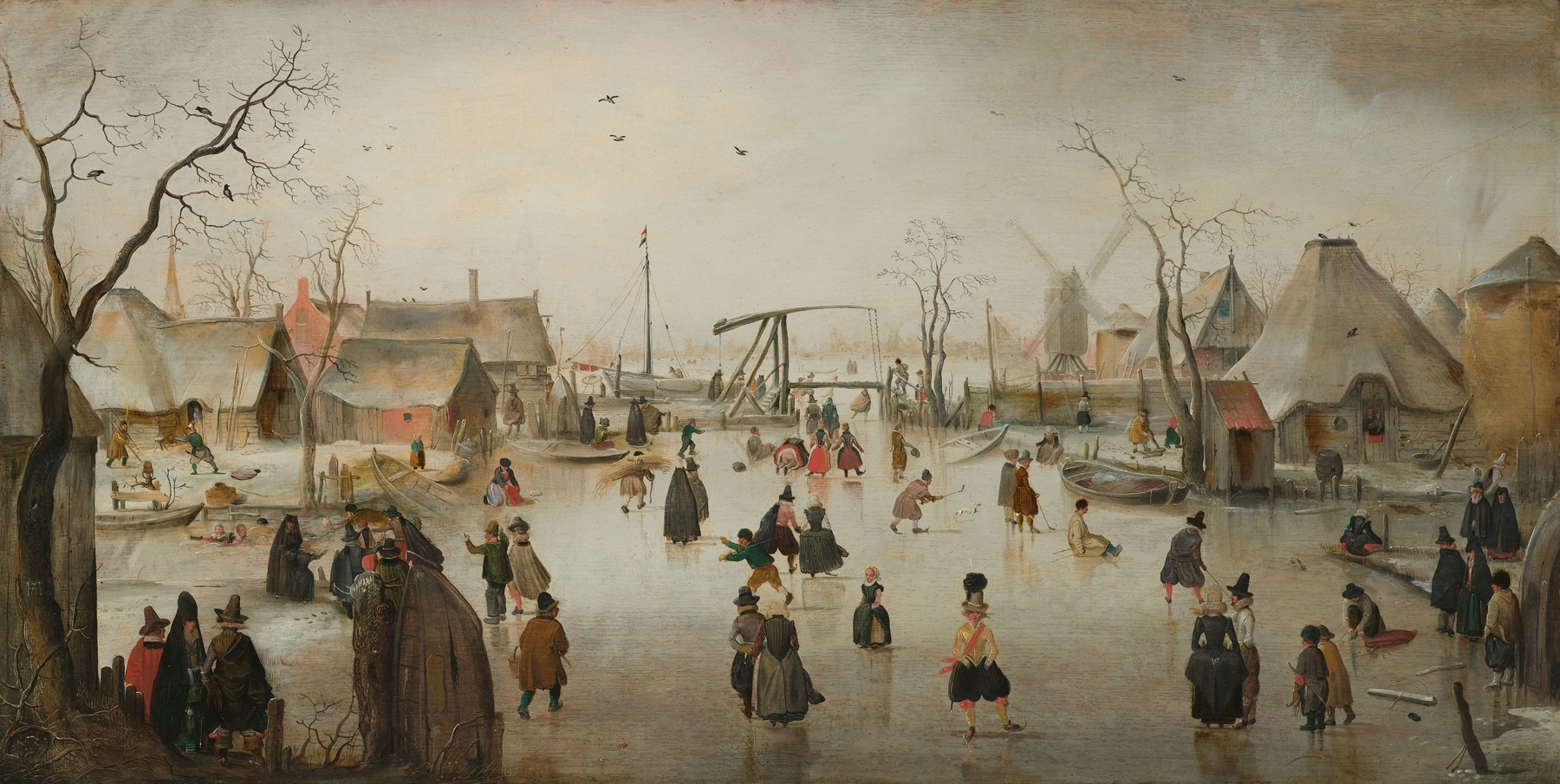
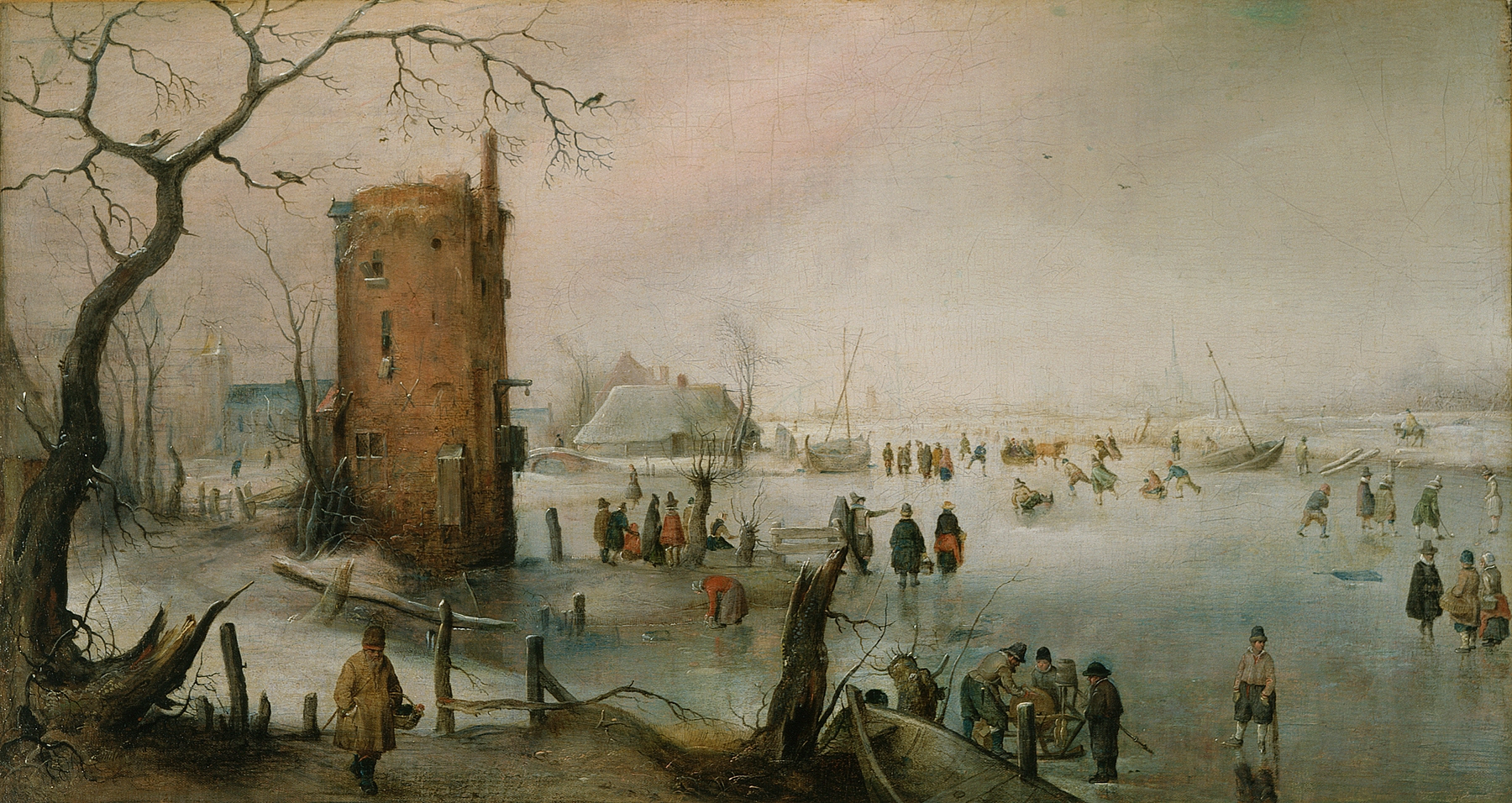
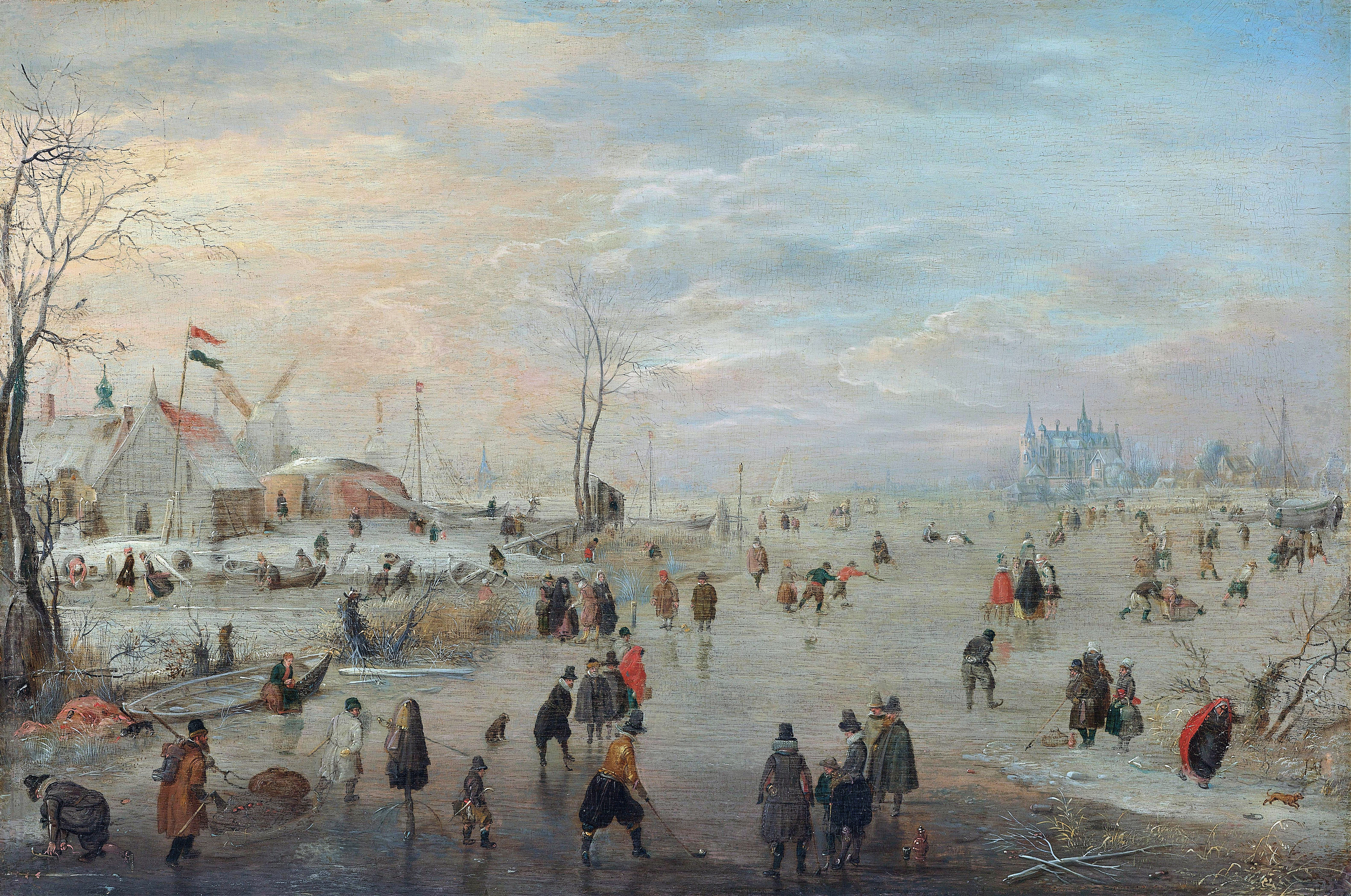
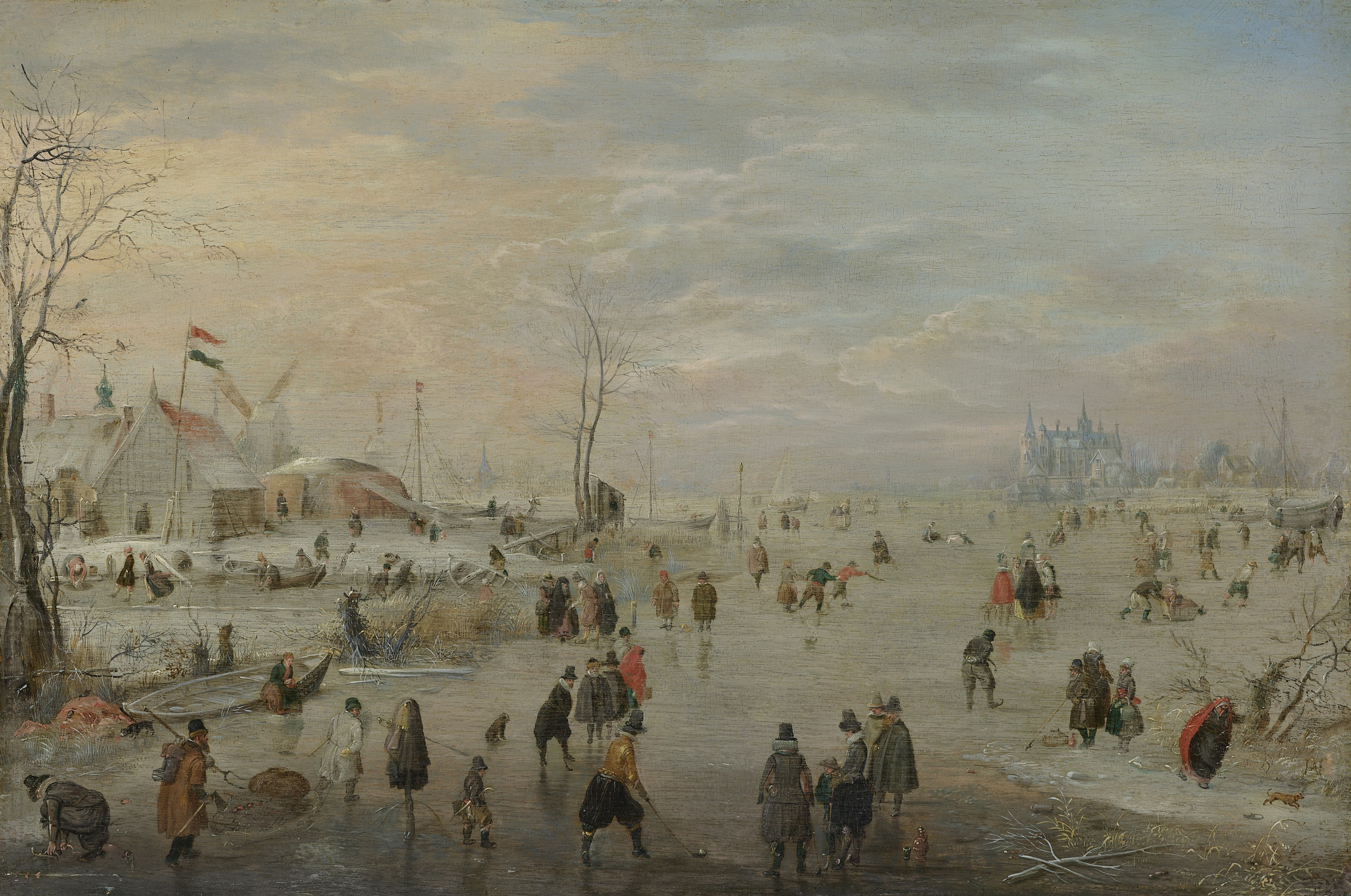
When did color learn to lie? In a world where brilliance seems to radiate from every brushstroke, we are often left questioning the truths we perceive. Look to the left at the towering structure that dominates the scene, its stark silhouette contrasting against the soft hues of the sky. The composition draws your eye through the bustling activity of figures skating on ice, with splashes of color in their clothing that breathe life into the winter's chill.
Notice how the light dances across the frozen surface, shimmering with icy blues and whites, while the warm browns and reds of the foreground figures create a poignant juxtaposition that speaks to both vibrancy and starkness. Yet, deeper inspection reveals an intricate interplay of emotion beneath the surface. The skaters’ joyous movements contrast with the somber, stone tower, hinting at the bittersweet nature of seasonal change and the passage of time. Each figure's expression narrates a different story of awe, laughter, or contemplation, while shadows grapple with light, embodying the eternal conflict between warmth and the cold grasp of winter.
In the early 1620s, Hendrick Avercamp painted this piece during a period marked by a growing fascination with landscapes and daily life in Dutch society. The artist, who dedicated himself to capturing the chill and cheer of winter, thrived in a time when the Dutch Golden Age was flourishing, heralding a vibrant shift in artistic expressions towards realism and everyday themes. Avercamp’s work stands as a testament not only to his skill but also to the cultural zeitgeist that celebrated the beauty and complexity of human life amidst nature.