Schiffbruch bei Kap Hoorn — History & Analysis
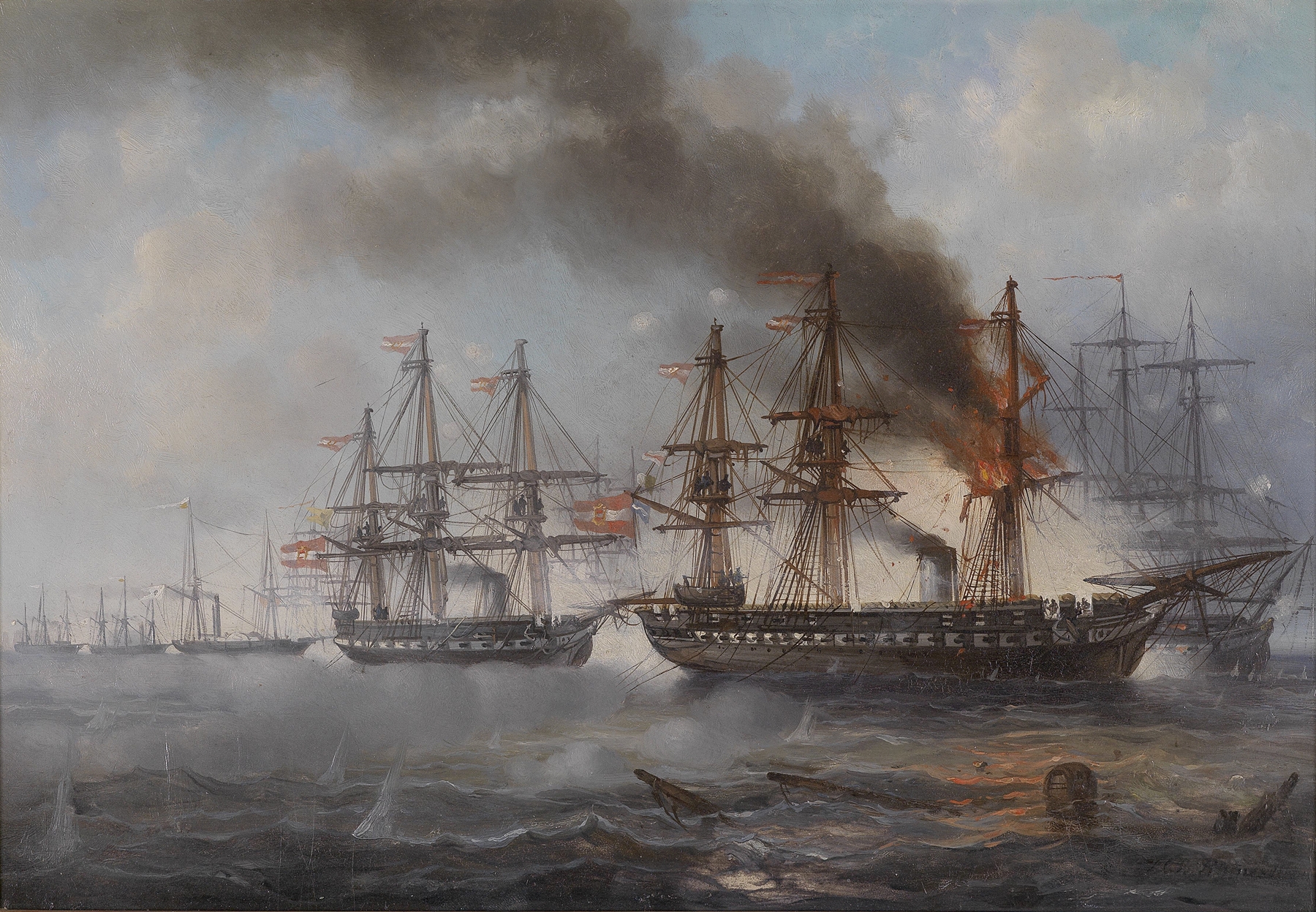
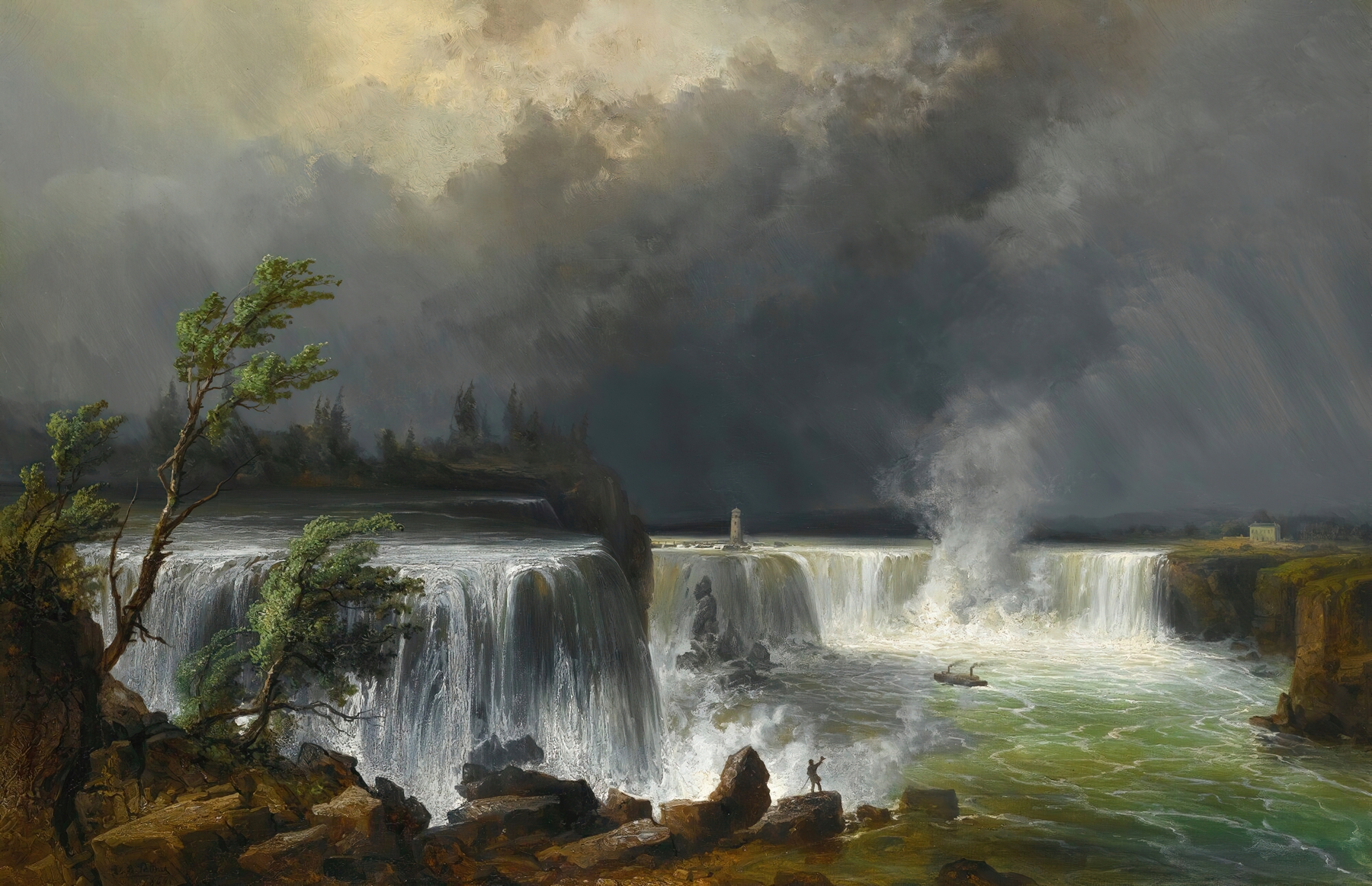
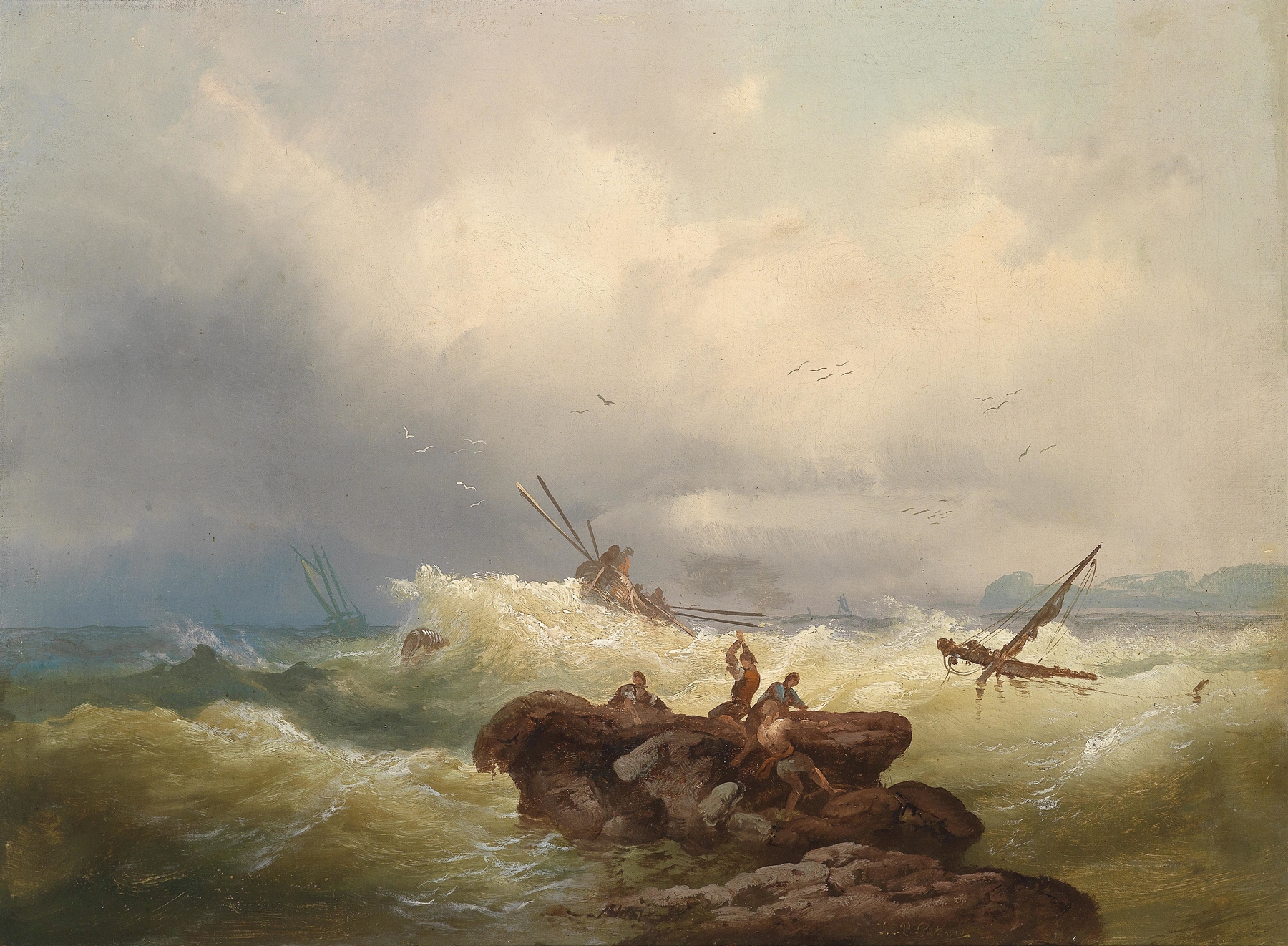
Did the painter know this moment would outlive them? In the swirling chaos of nature, where human fragility is starkly illuminated, the essence of Schiffbruch bei Kap Hoorn reveals a powerful revelation about existence and endurance. Look to the tumultuous waves crashing against the ship’s hull, a testament to the relentless forces of nature. The artist employs a palette of deep blues and grays, capturing the storm’s fury and engendering a palpable tension. Notice how the sharp strokes of the wind lash against the sails, contrasting the detailed, desperate figures of the crew, lending a sense of urgency and despair.
The composition is dynamic, drawing the viewer’s eye along the precarious path of the struggling vessel, as if they too are navigating the tempest’s wrath. Within this scene lies a poignant dichotomy: the indomitable spirit of humanity versus the overwhelming power of nature. The crew's expressions convey a mix of determination and fear, reflecting the existential battle between man and the elements. The ship symbolizes ambition and exploration, and yet it is dwarfed by the towering waves, revealing the vulnerability inherent in every journey.
Each detail, from the froth of the waves to the darkening sky, underscores the fragility of life, accentuating our fleeting existence against the vast backdrop of the natural world. Josef Carl Berthold Püttner painted this extraordinary work in 1854, during a time when maritime tales of adventure and peril fueled public imagination. Living in Germany yet drawing inspiration from the seascapes of the Dutch masters, he captured the essence of a bygone age of exploration when the seas were both an opportunity and a threat. As he faced personal challenges in his career, Püttner poured his emotional truths into this dramatic moment, ensuring its resonance would echo long beyond his own lifetime.