Mündung der Maas — History & Analysis
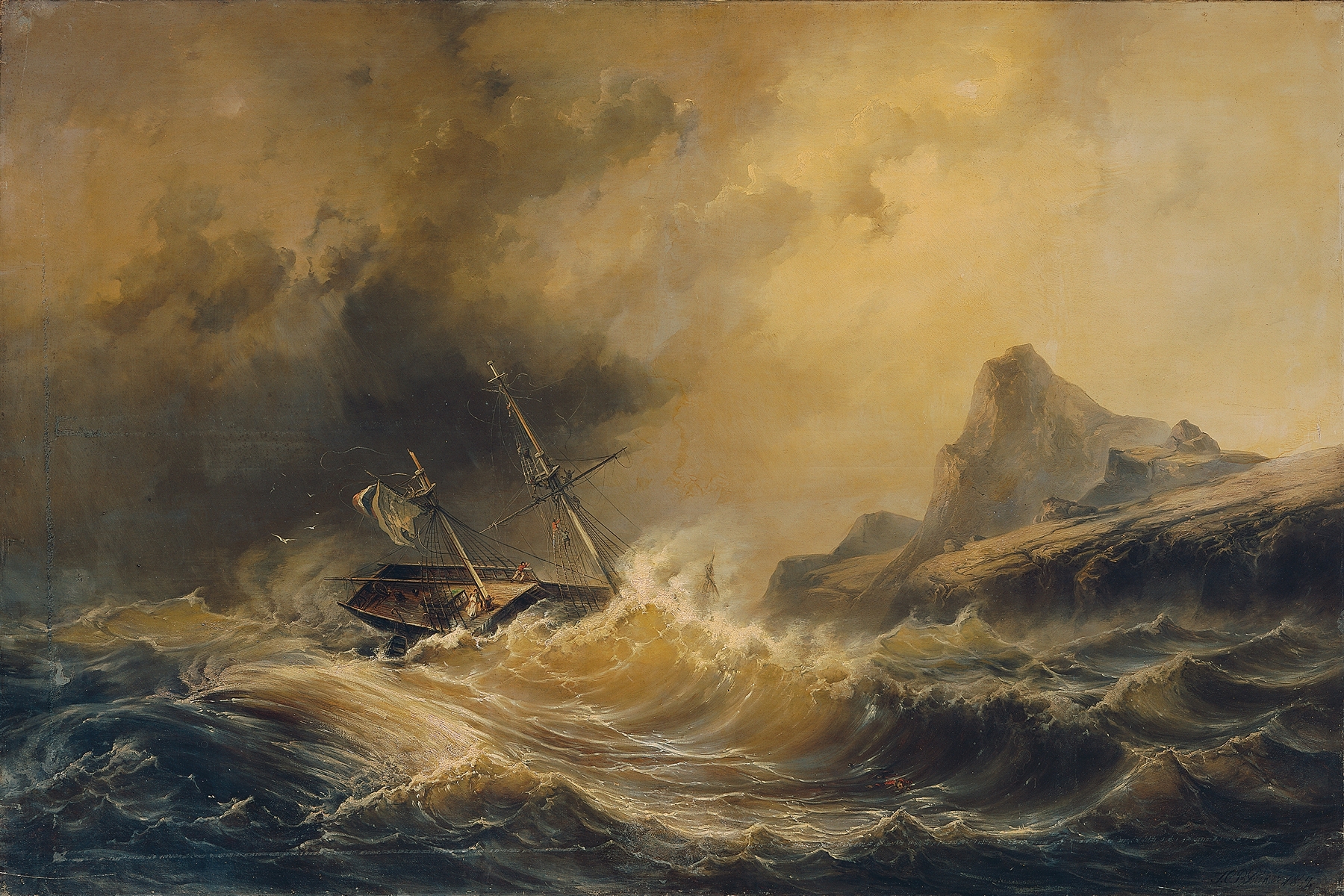
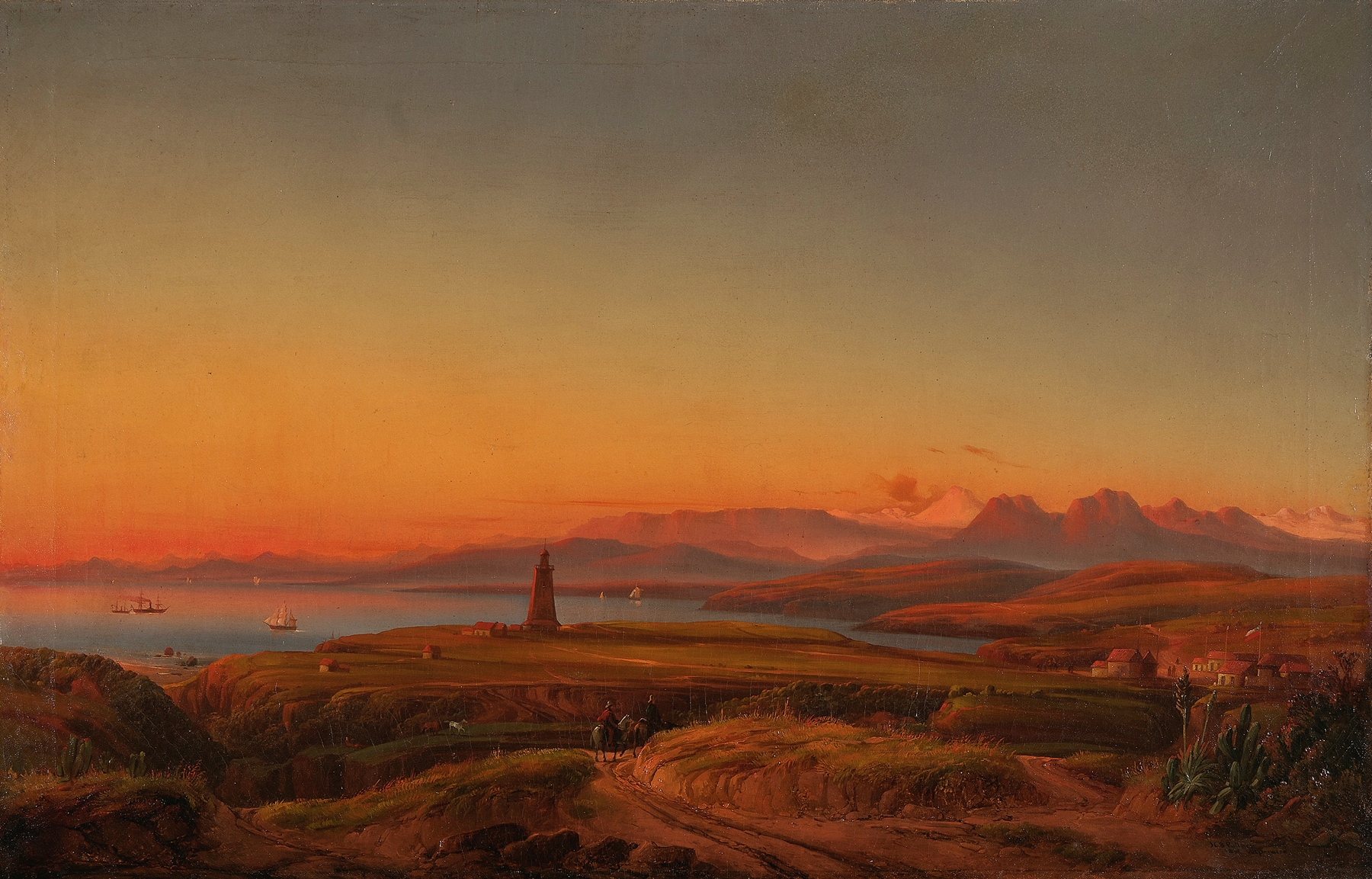
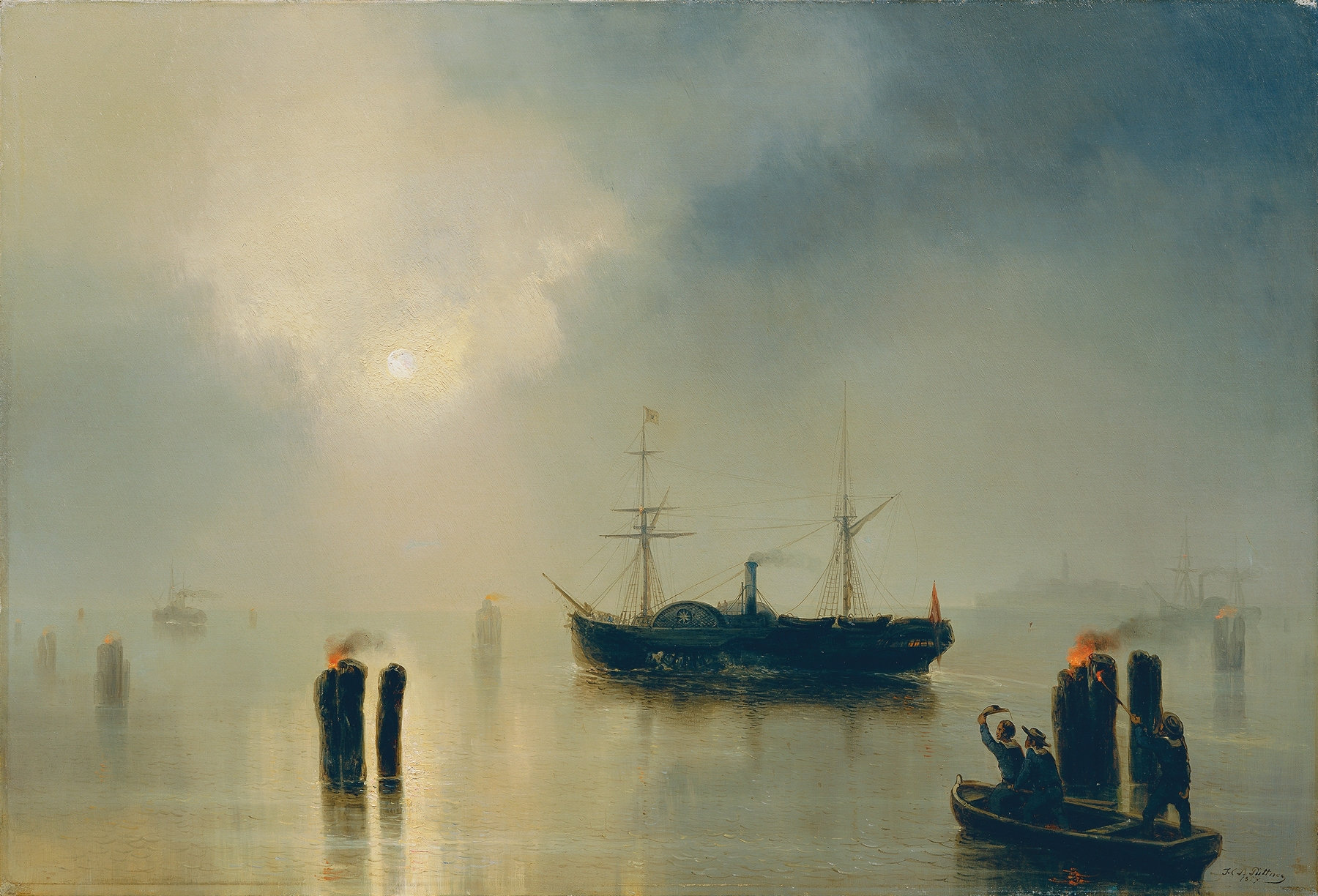
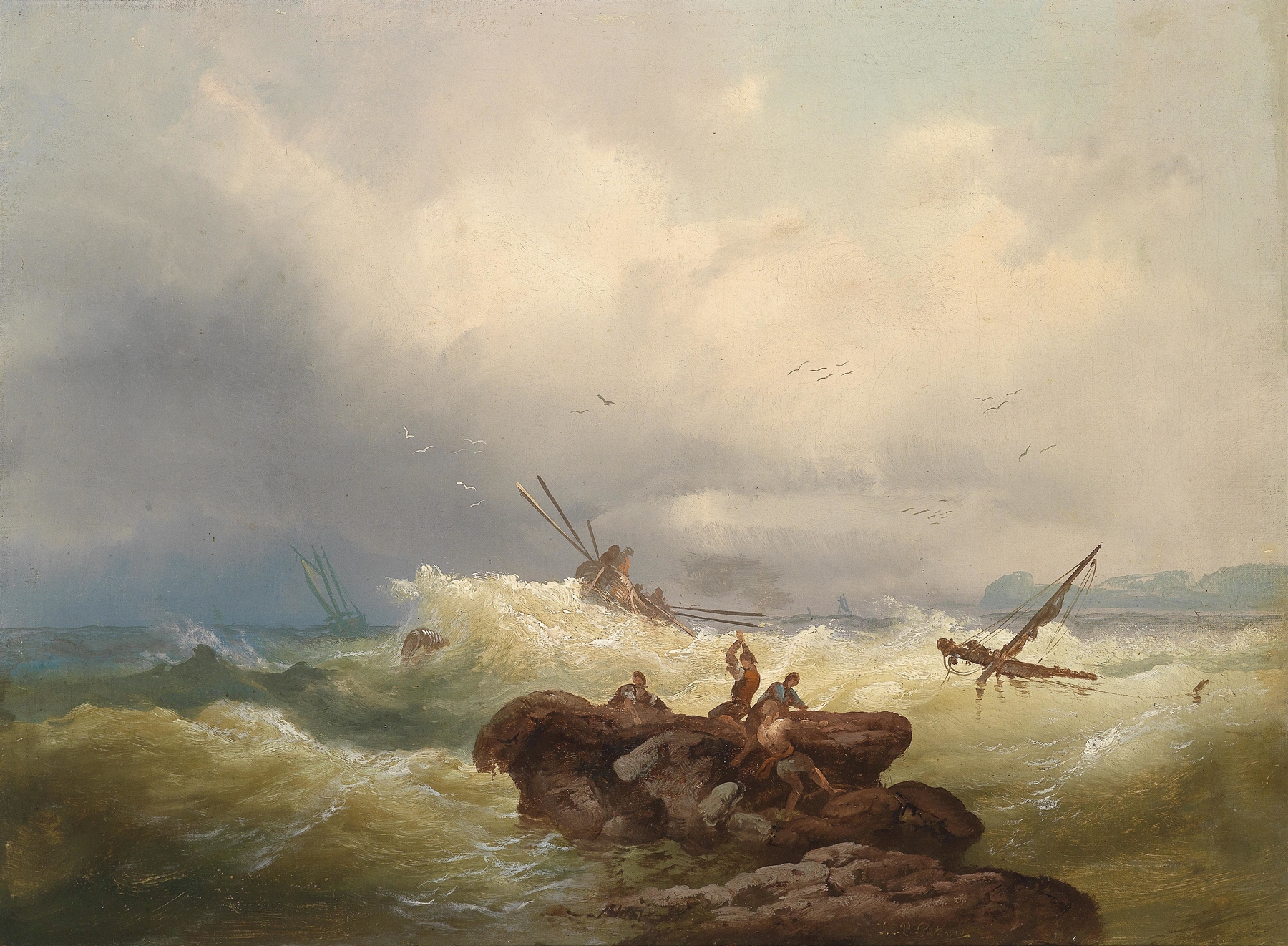
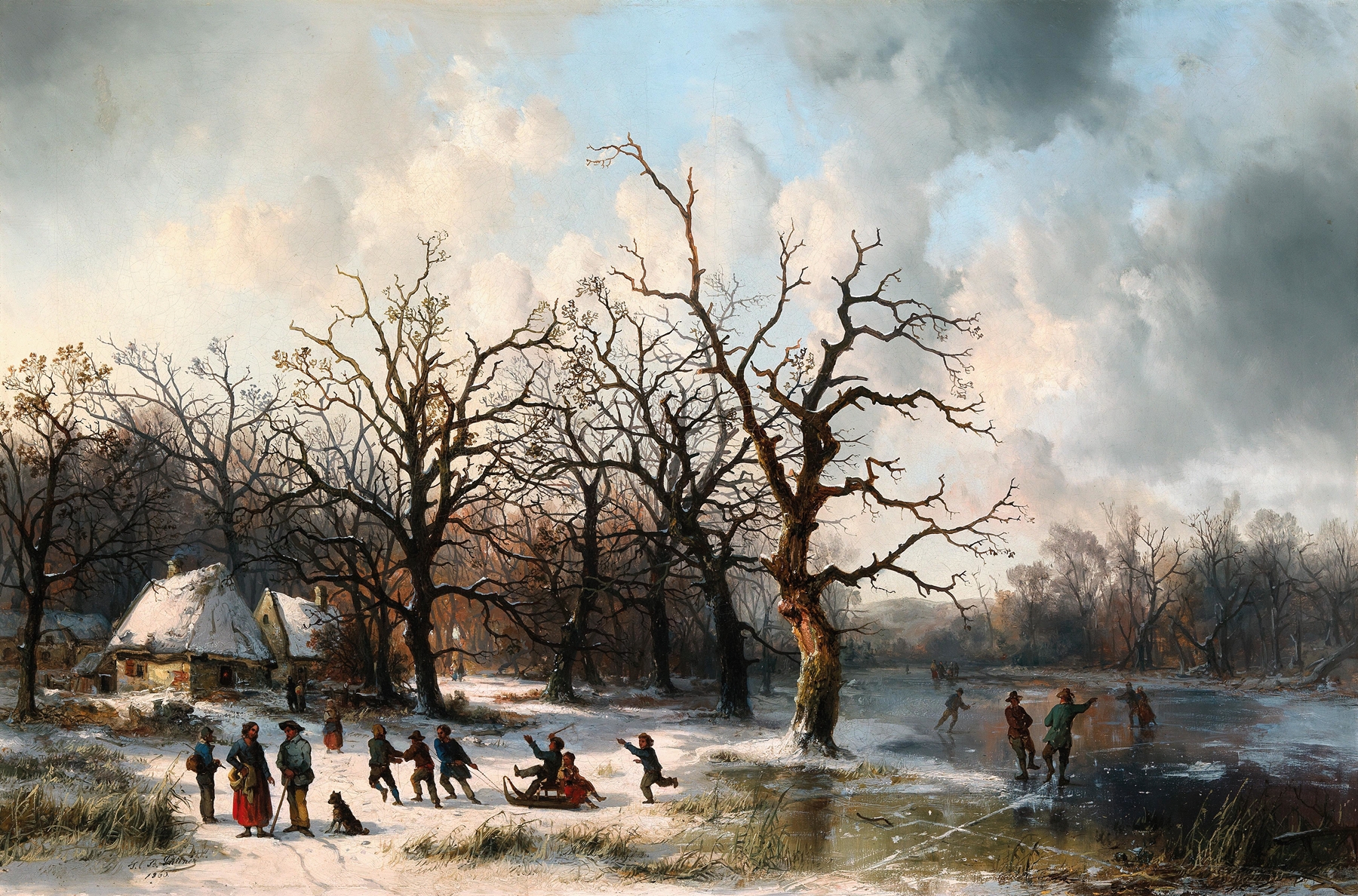
“Every brushstroke is a heartbeat remembered.” Each stroke in this work captures the essence of transformation, reflecting the flow of the Maas River and a moment poised between stillness and movement. Look to the foreground at the tranquil waters, where the river meanders delicately, mirroring the soft hues of a fading sunset. The artist employs a palette of warm golds and deep blues, creating a harmonious contrast that draws the eye along the river’s path. Notice how the light dances across the surface, infused with an almost ethereal quality, suggesting a transition from day to night.
Inhabiting the banks, gentle silhouettes of trees emerge, framing the scene and guiding your gaze toward the horizon. Beneath the serene surface lies a deeper commentary on change and continuity. The river, a timeless symbol of journey and transformation, flows with life’s eternal rhythm, inviting reflection on the moments that shape us. The juxtaposition of the calm waters against the encroaching darkness hints at the inevitable passage of time and the cycles of nature.
Each detail serves as a reminder of the delicate balance between stillness and the promise of what lies ahead. In 1859, while creating this piece, the artist was immersed in the burgeoning Romantic movement, which emphasized emotion and nature's splendor. This period was marked by a growing interest in landscape painting, as artists sought to capture the sublime beauty of the world around them. Püttner’s exploration of the Maas River reflects not only his personal journey but also the cultural shift towards valuing the emotional connection to nature during this transformative era in art history.