Venice, Santa Maria della Salute — History & Analysis
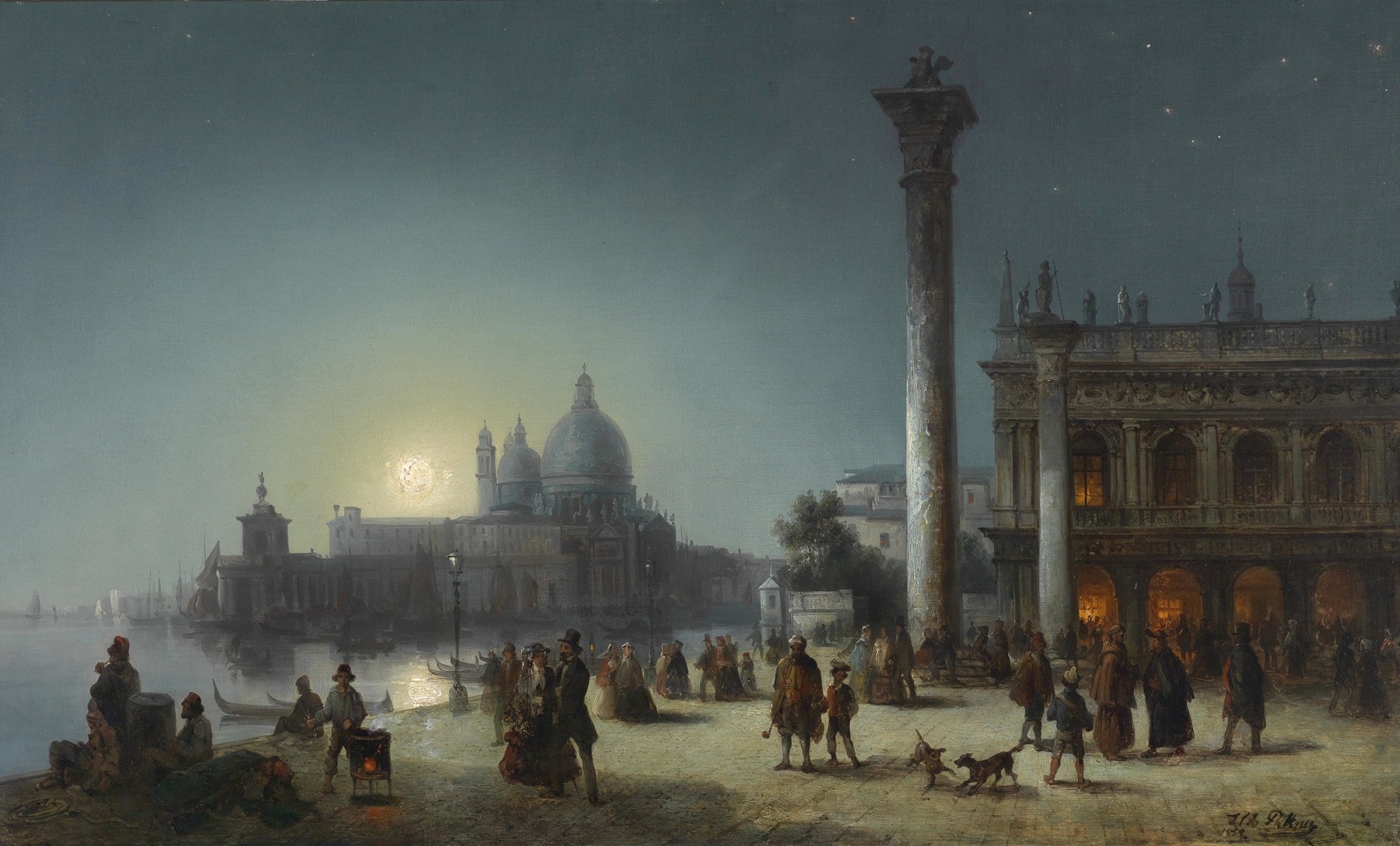
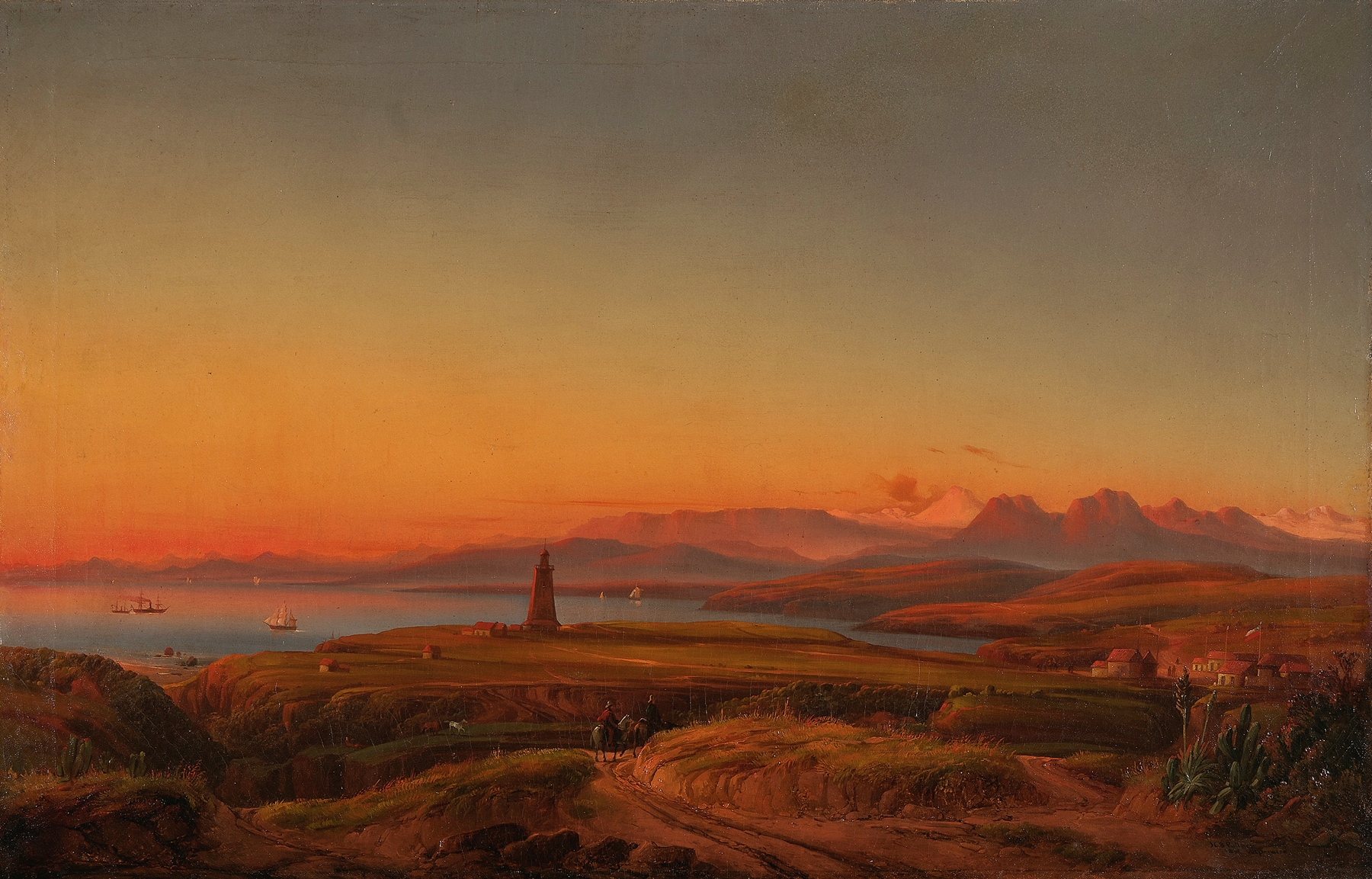
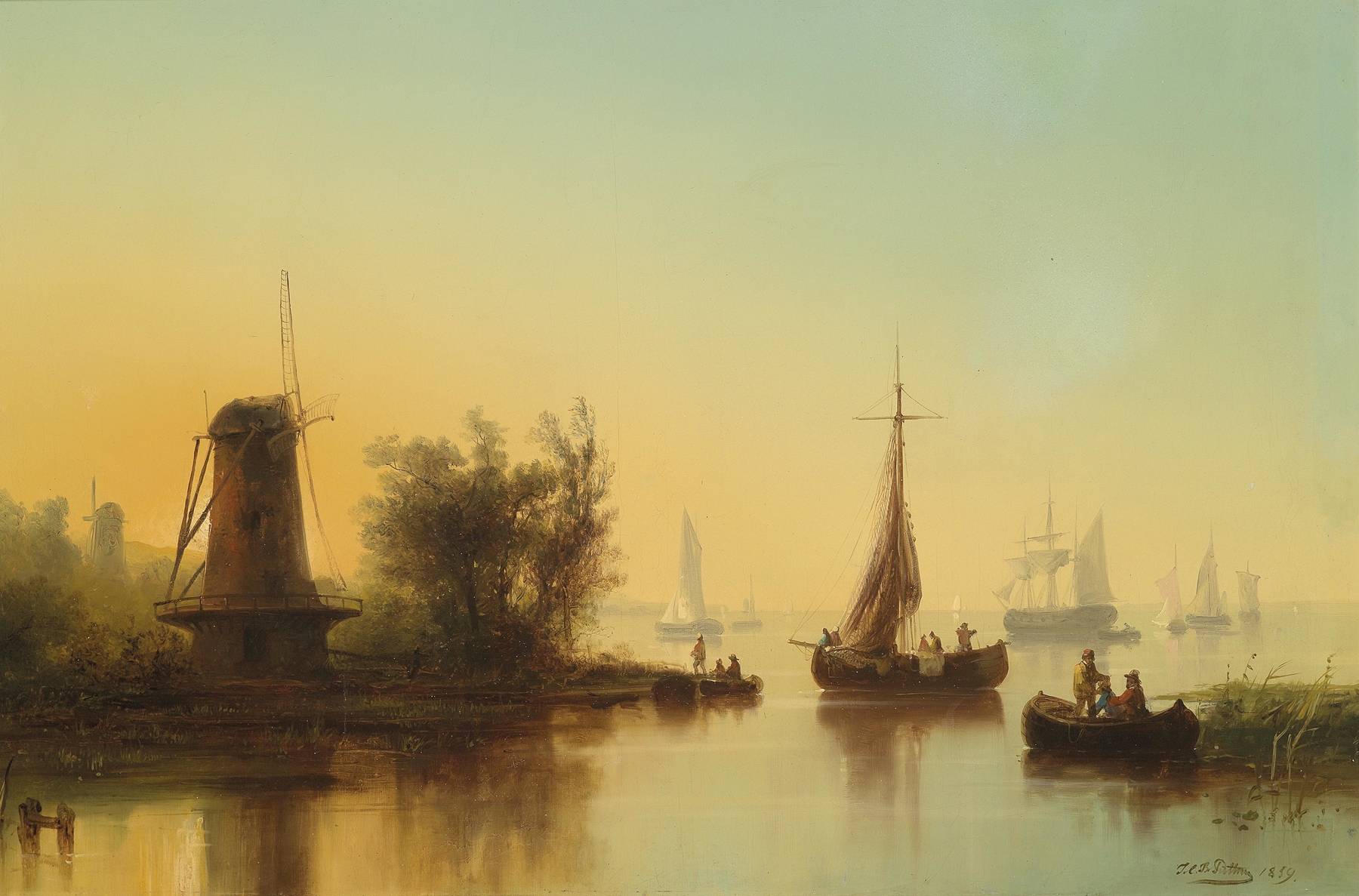
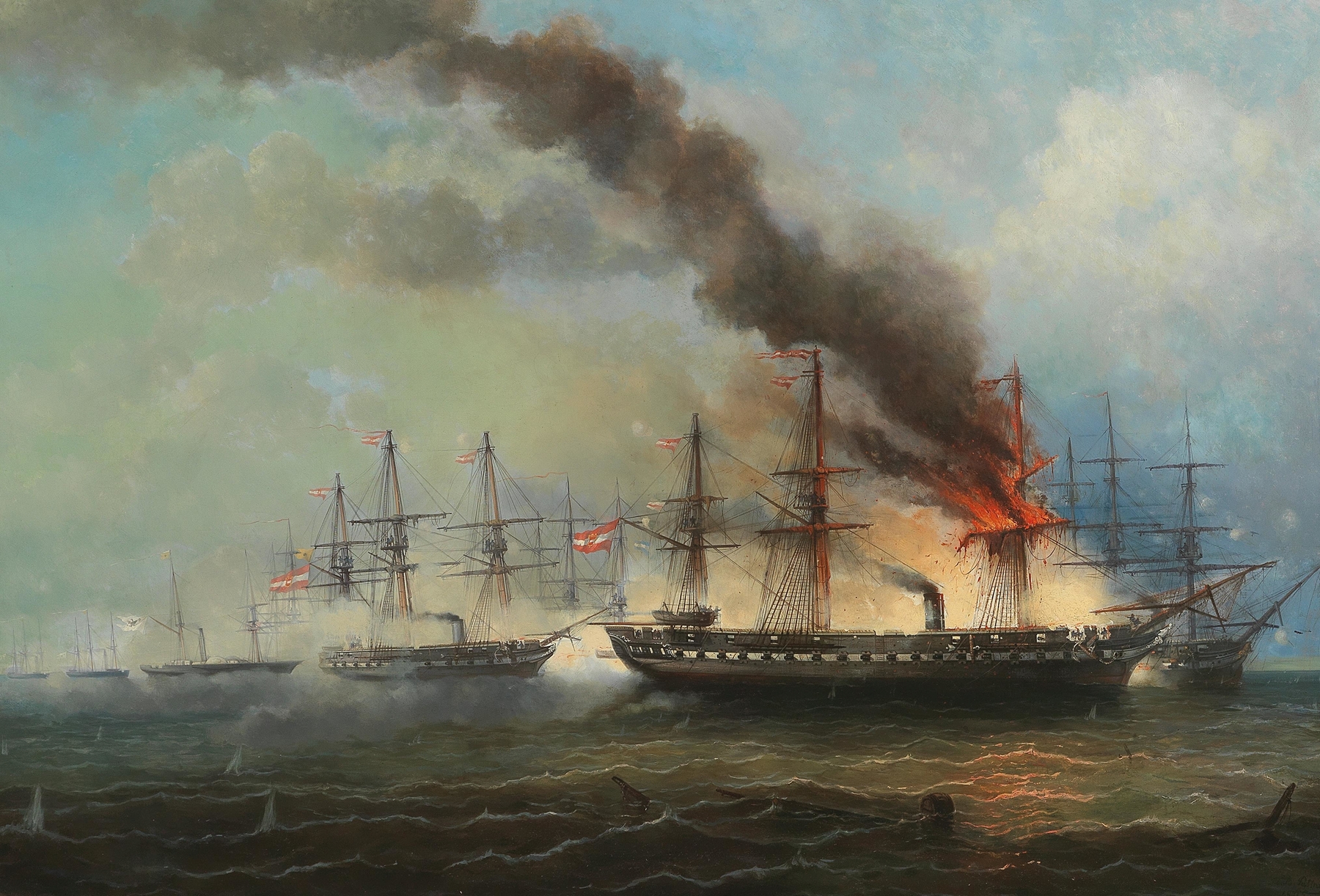
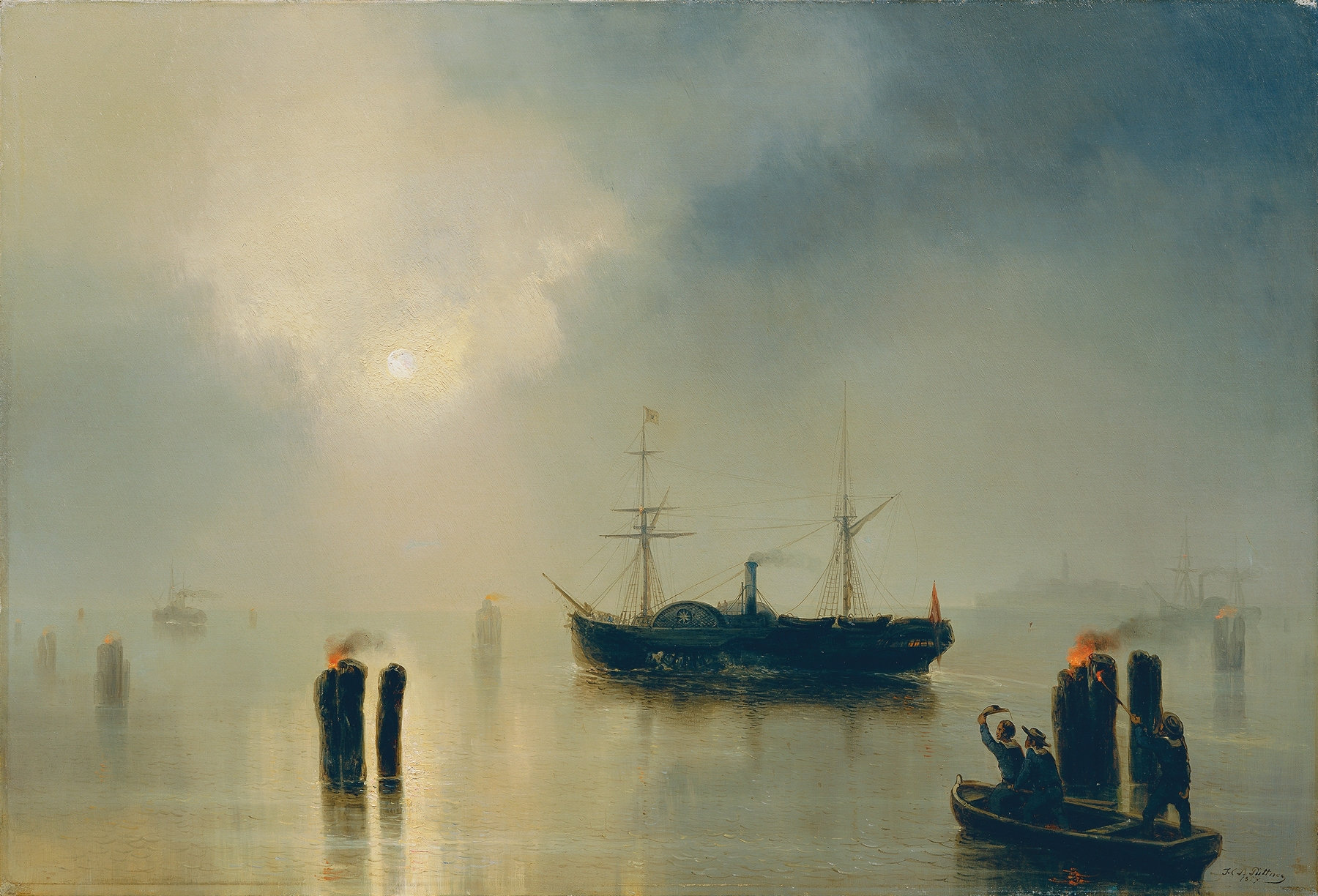
“To paint is to remember what time wants us to forget.” In the delicate embrace of brush strokes lies the essence of creation itself, a moment captured yet fleeting, echoing through the ages. Look to the left at the grand silhouette of the Santa Maria della Salute, its domed structure rising majestically against a softly glowing sky. Notice how the warm tones of the setting sun dance across the water, reflecting hues of gold and rose as they intermingle with the cool blues of the lagoon. Each stroke reveals Püttner’s meticulous attention to light and perspective, inviting the viewer’s gaze to traverse the canals and bustling boats, each a testament to the rhythm of daily Venetian life.
As you examine the piece more closely, consider the contrast between the serenity of the church and the vibrant activity of the boats below. This duality represents more than just the beauty of Venice; it evokes the tension between the sacred and the mundane, the permanence of architecture versus the transience of human activity. The way the light envelops the scene conveys a sense of nostalgia, as if time itself pauses to reflect on the city’s enduring spirit amid the relentless march of change.
In 1861, while residing in Germany, Püttner created this work at a time when European artists were increasingly drawn to the allure of Italian landscapes and architecture. The mid-19th century marked a turning point in art, with the rise of Romanticism and a burgeoning interest in capturing the sublime beauty of nature and urban vistas. Püttner’s depiction of Venice serves as both a homage to the city’s timeless charm and a personal exploration of memory and creation, resonating with the spirit of his era.