Seegefecht bei Helgoland — History & Analysis
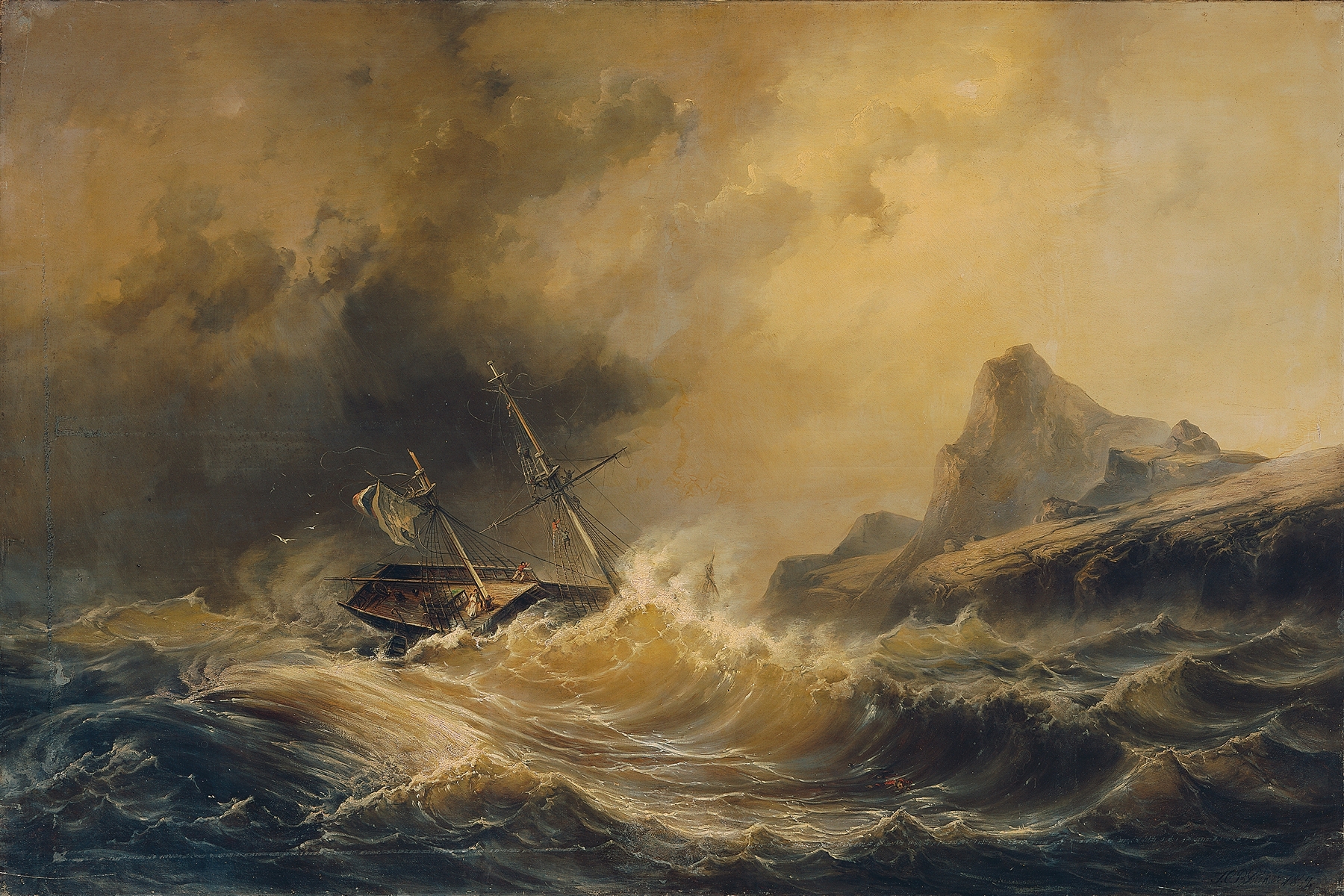
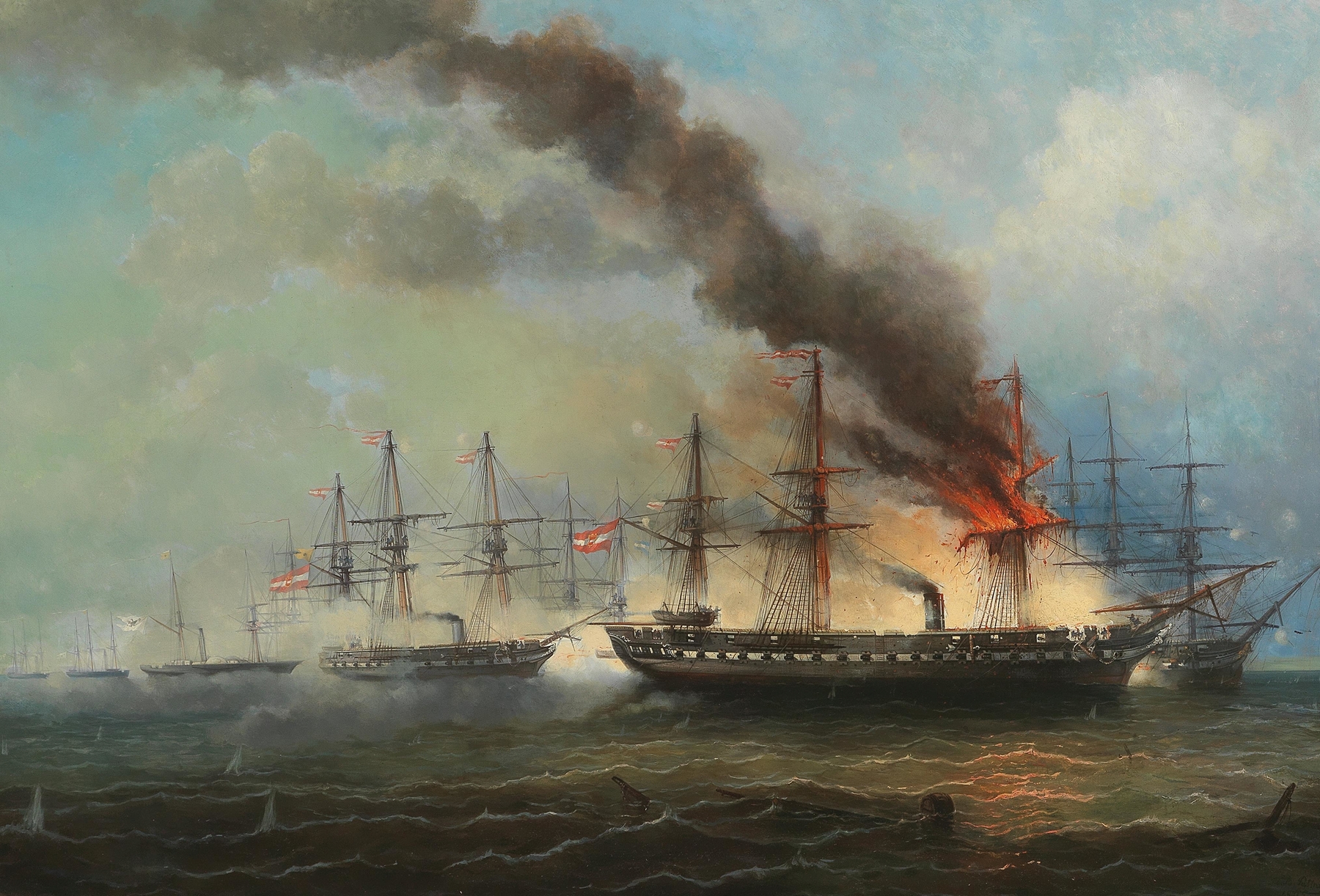
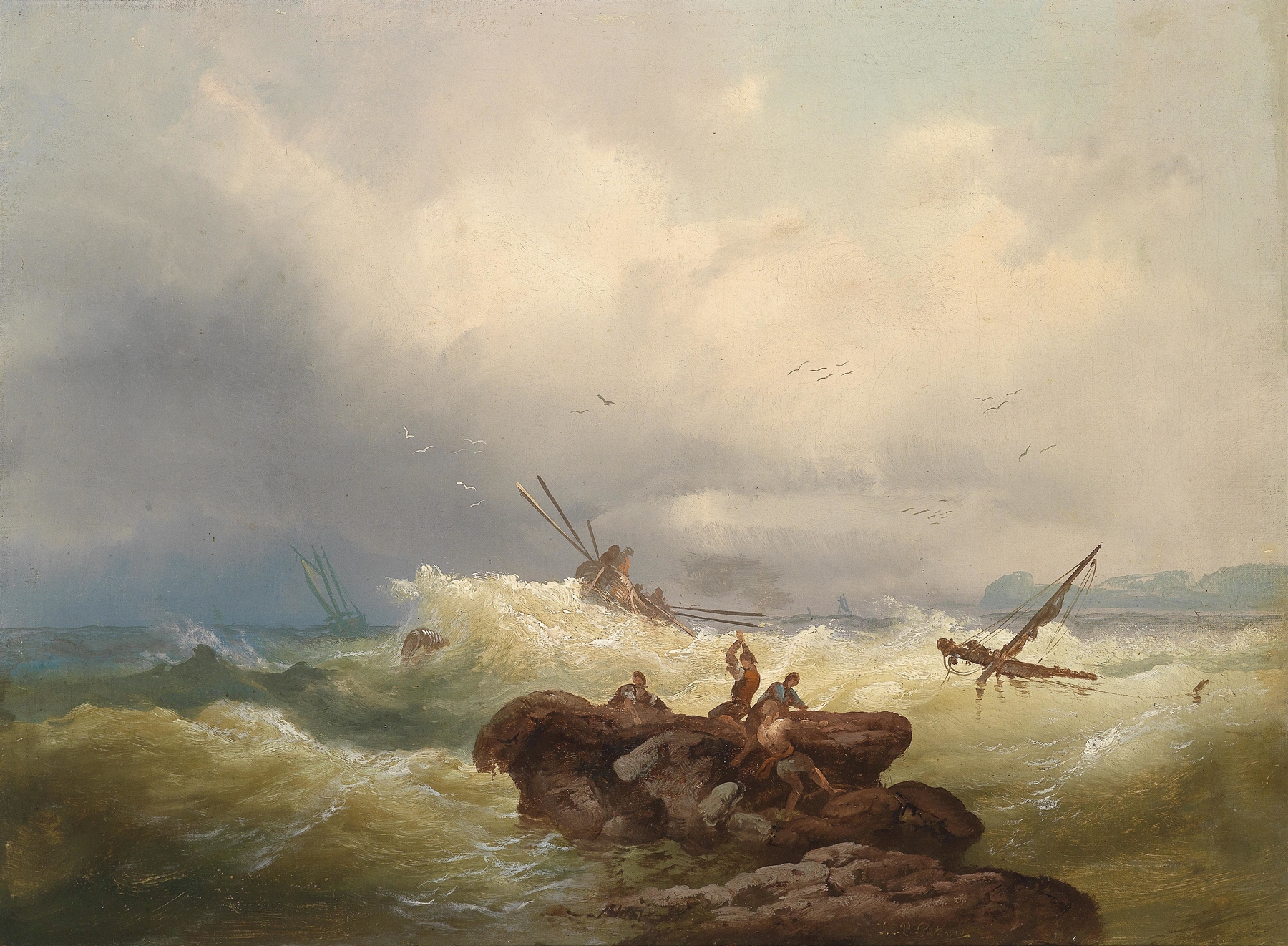
“The canvas doesn’t lie — it simply waits.” In this stillness, loss lingers palpably, captured in the tumultuous turmoil of battle. Look to the left at the swirling waves, their tumultuous crests echoing the chaos of the scene. The artist’s mastery of movement is on full display, as ships, violently engaged, slice through the water, their sails billowing defiantly against a backdrop of darkening clouds. Notice how the muted palette of grays and blues amplifies the somber atmosphere, while the sharp, sporadic bursts of white foam evoke tension and uncertainty, like the heartbeat of a world on the brink of transformation.
Delve deeper into the emotional complexities woven into the fray. The juxtaposition of the ships, locked in their fierce struggle, speaks to a broader narrative of sacrifice and the fleeting nature of glory. The hidden faces of sailors, marked by determined resolve amidst their impending fate, hint at the personal losses shrouded by the spectacle of war.
Each brushstroke resonates with the collective memory of a nation, grappling with the costs of conflict and the shadows it casts on those left behind. In 1864, during a tumultuous period in European history, the artist was immersed in a world where national pride clashed with the harsh realities of war. Painted in the wake of the Second Schleswig War, Seegefecht bei Helgoland emerges as a reflection of not only the battles fought on the seas but also a contemplation of the human experience amid the turbulence of shifting alliances and identities in a rapidly changing landscape.