The sea battle at Helgoland on 9 May 1864 — History & Analysis
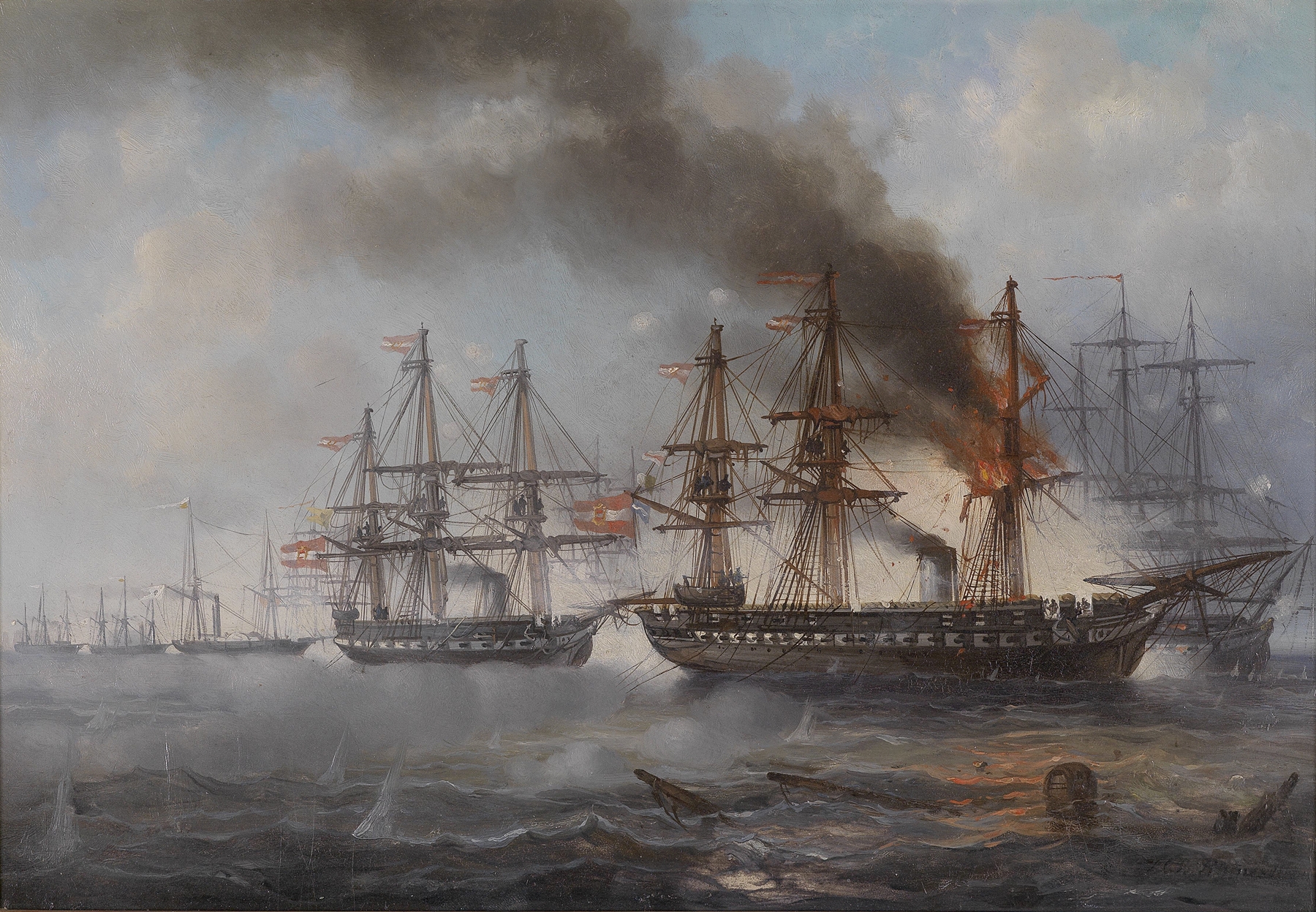
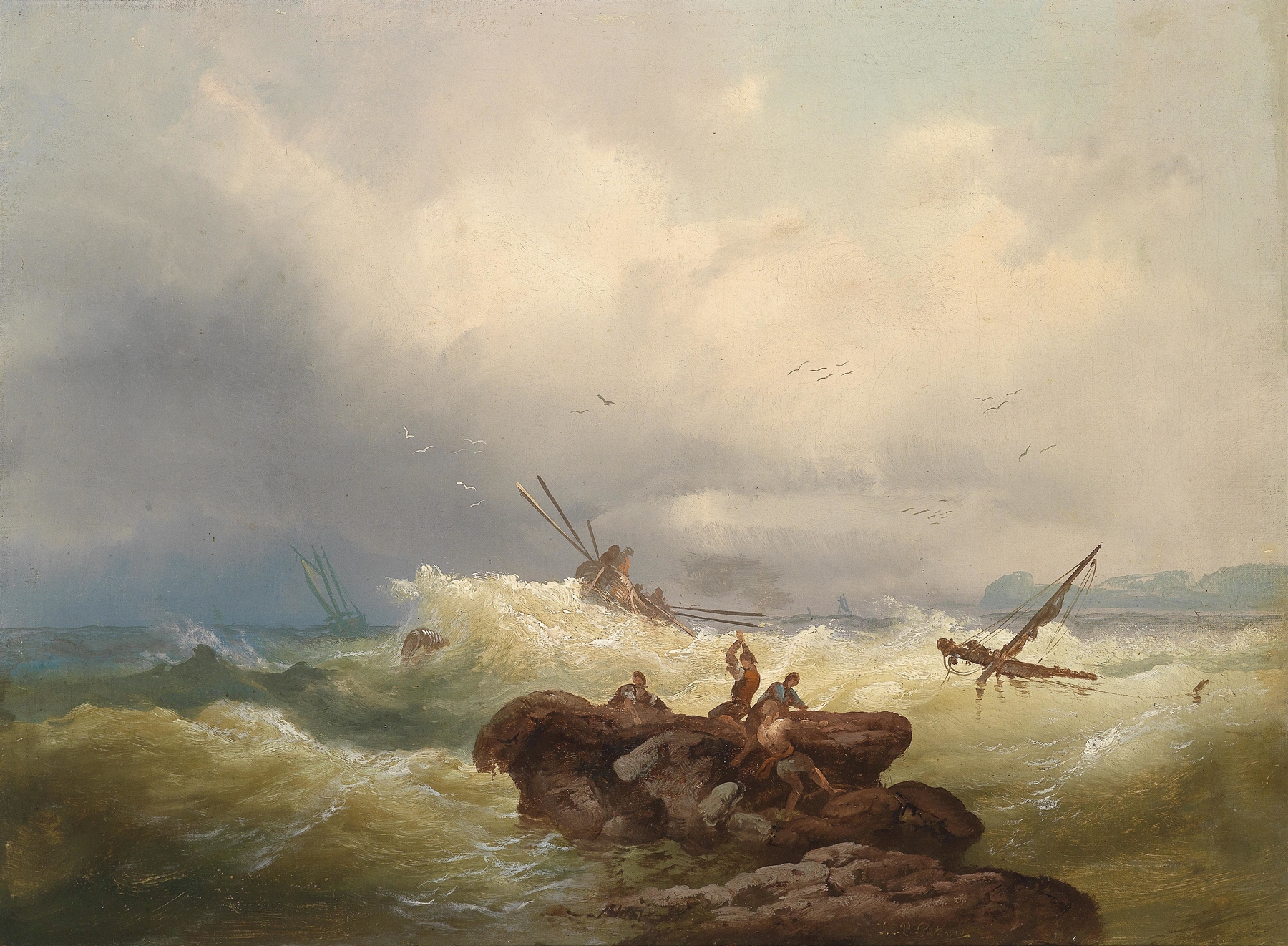
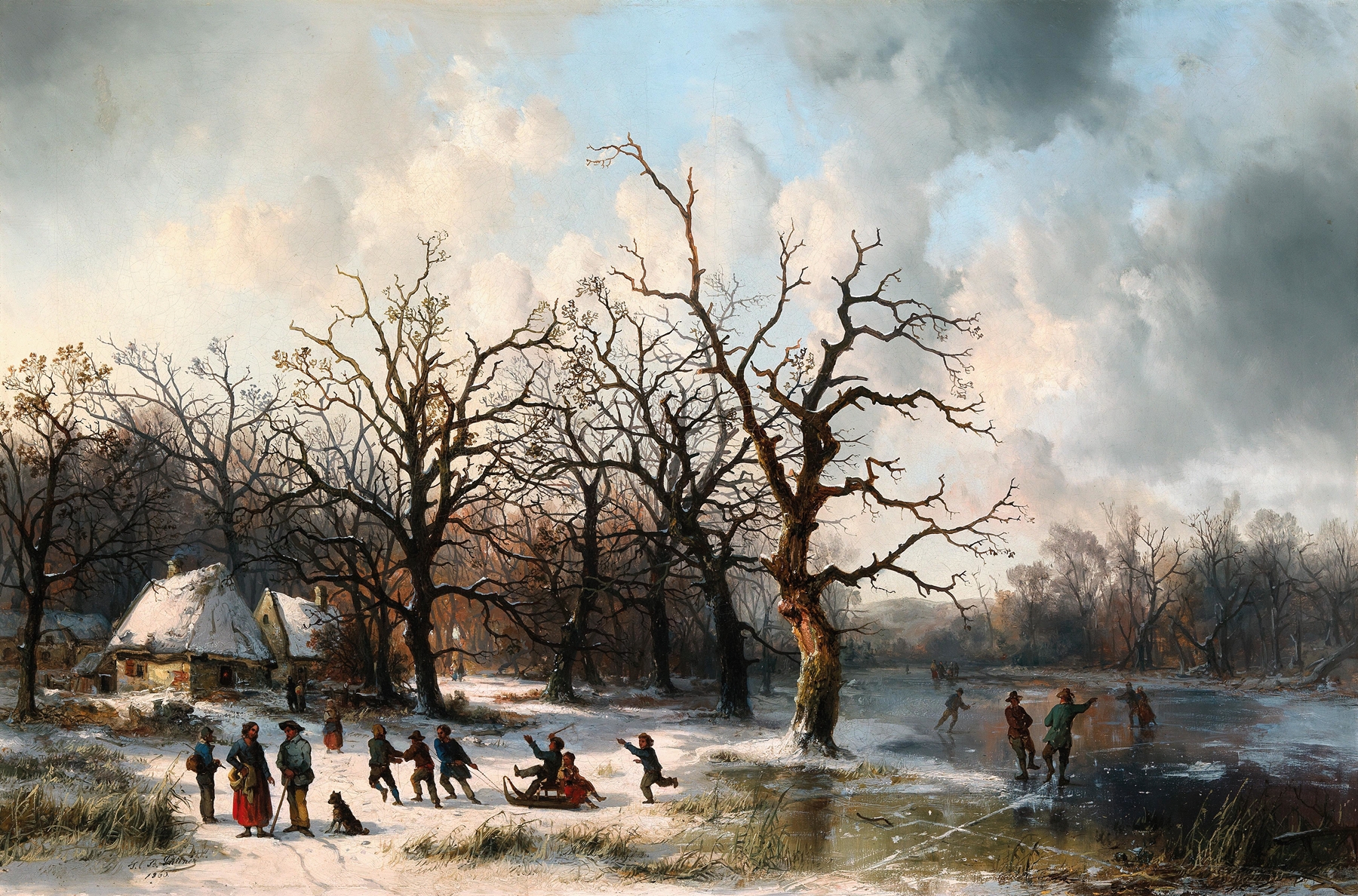
Amidst a brooding sky, the tumultuous waves crash violently against the hulls of warships locked in a fierce battle. Cannons roar, sending plumes of smoke spiraling into the air, while sailors shout in frantic urgency, their faces etched with fear and determination. The scene pulses with tension, as the harsh light of the sun breaks through ominous clouds, illuminating the chaos of the sea battle at Helgoland. Look to the left at the dark, towering waves, painted with deep blues and muted greens that reflect the stormy atmosphere. The artist intricately details the ships’ sails, their bright white contrasting sharply against the tempestuous backdrop.
A careful composition directs the viewer’s gaze toward the central conflict, where two opposing vessels fire their cannons, the smoke swirling in dynamic curves that create a visceral sense of motion. Beneath the surface of this dramatic tableau lies a profound melancholy. The battle represents not just a struggle for territory but the inevitable loss that accompanies conflict. The stark juxtaposition of the sailors' bravery against the backdrop of chaos highlights the fragility of human life in the face of nature's wrath and warfare's brutality.
Each figure captures a moment of despair, lost in a moment where duty collides with the reality of impending death. In 1865, while creating this artwork, the artist was influenced by the fervent nationalism and militarism sweeping through Europe, particularly in the context of the Second Schleswig War. Püttner found himself in a time when battles were not only fought on land but also by the sea, marking a pivotal moment in naval history. As he translated this monumental event onto canvas, he was navigating his own artistic identity in a world shifting rapidly in both conflict and artistic expression.