Seacoast by Moonlight (recto) — History & Analysis
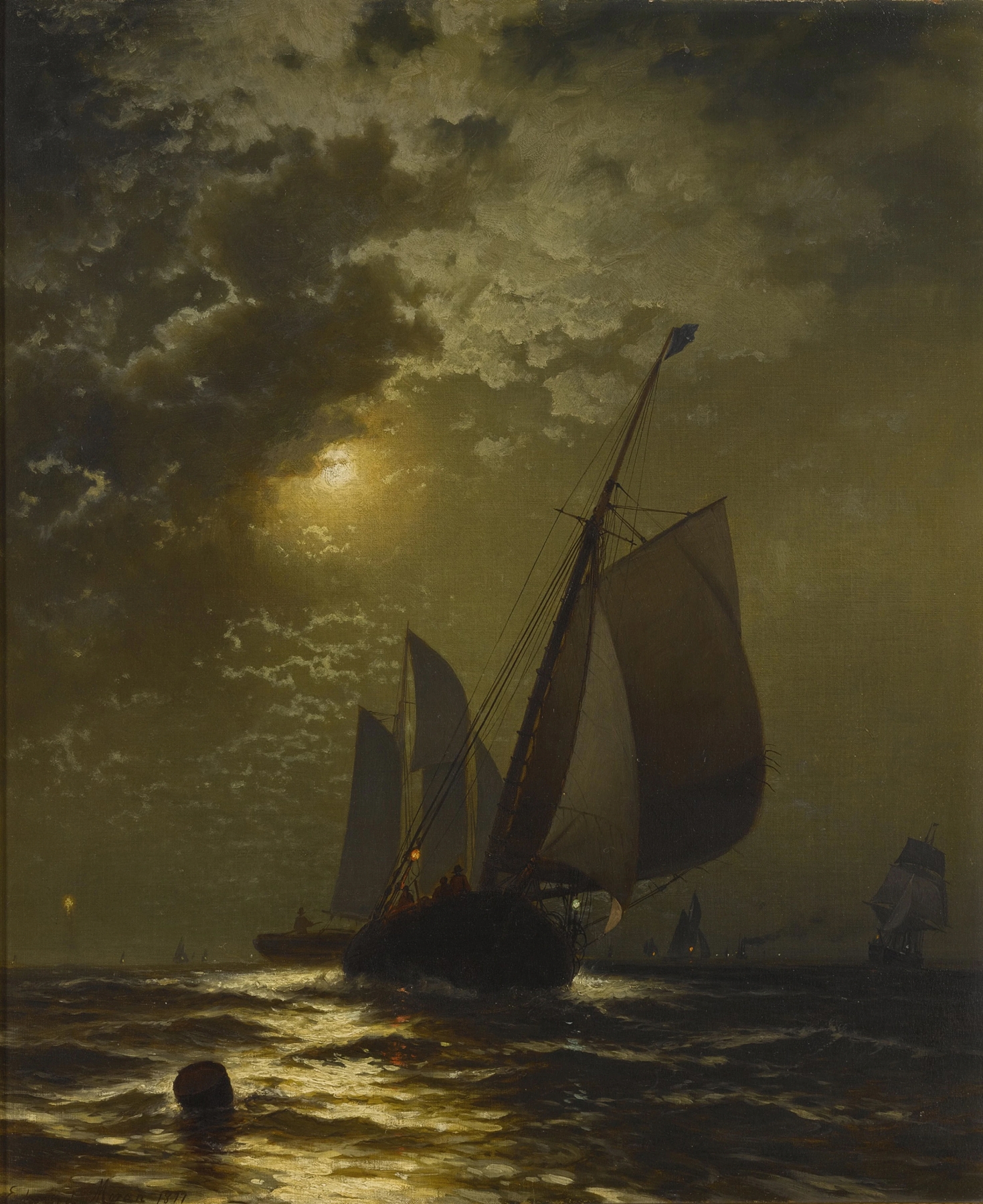
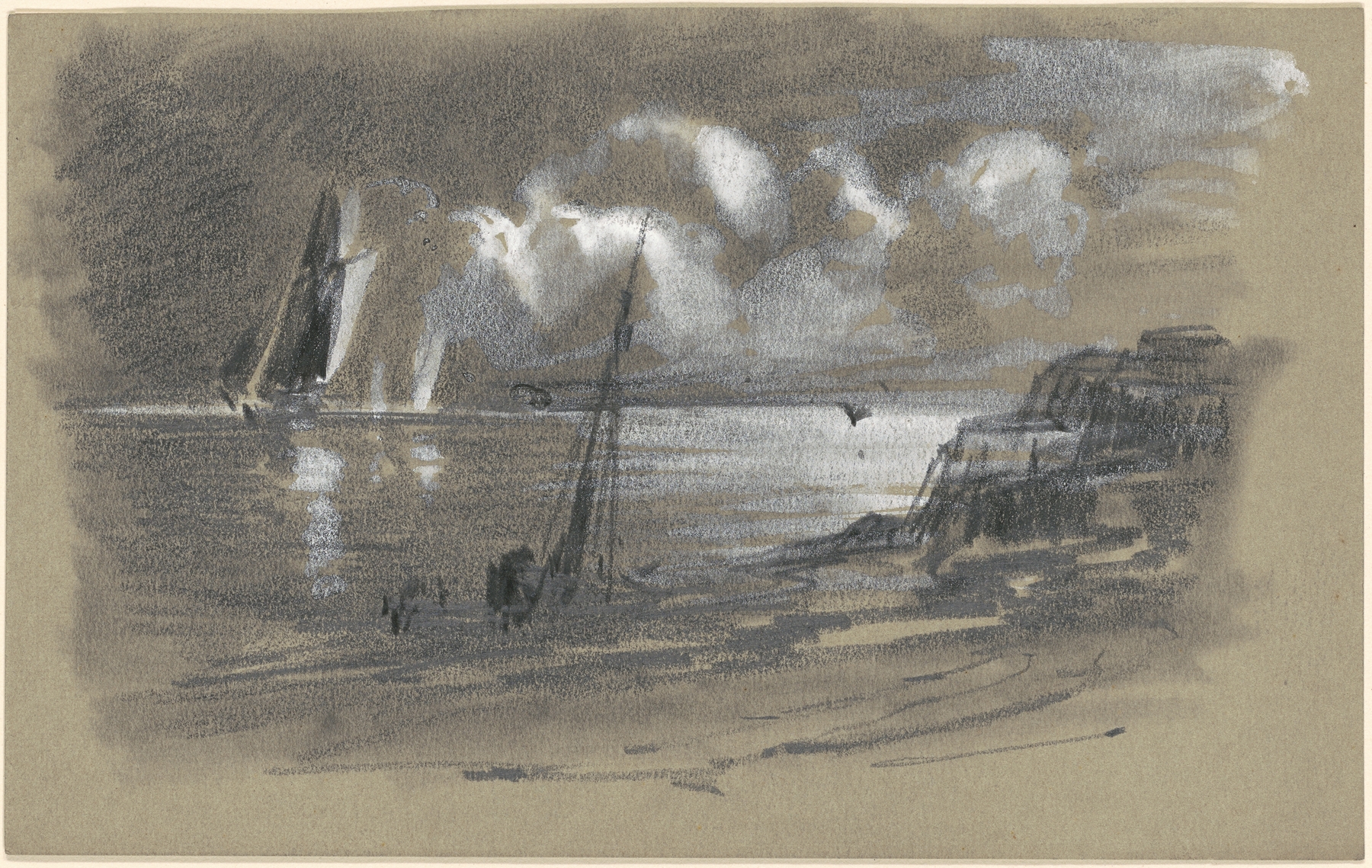
“Under the brush, chaos becomes grace.” How light transforms the mundane into the sublime is a mystery and a marvel, beautifully captured in this serene nocturnal landscape. Focus on the luminous moon bathing the seacoast in an ethereal glow, drawing your gaze across the canvas. The palette, dominated by deep blues and soft silvers, guides your eye from the horizon to the gentle waves lapping against the shore.
Notice how the delicate brushwork creates a shimmering effect, mimicking the dance of moonlight upon the water, infusing the scene with both tranquility and vitality. Delve into the contrasts forged within the painting—the stillness of the beach juxtaposed with the restless sea, and the shimmering reflection casting a fleeting moment of beauty amid the darkness. Each stroke speaks of the delicate balance between silence and movement, revealing the emotional depths of night, where peace reigns yet is ever so fleeting.
The quiet anticipation suggests that while night has fallen, it holds the promise of dawn, hinting at cycles of time and renewal. Created between 1865 and 1875, during a period when America was grappling with its identity in the wake of the Civil War, the artist sought solace in the natural world. Moran, a prominent figure in maritime art, prioritized capturing the sublime qualities of light and atmosphere in his work, reflecting both personal and collective longing for healing and beauty amidst the chaos of life.