Fishing Boats in the Moonlight — History & Analysis
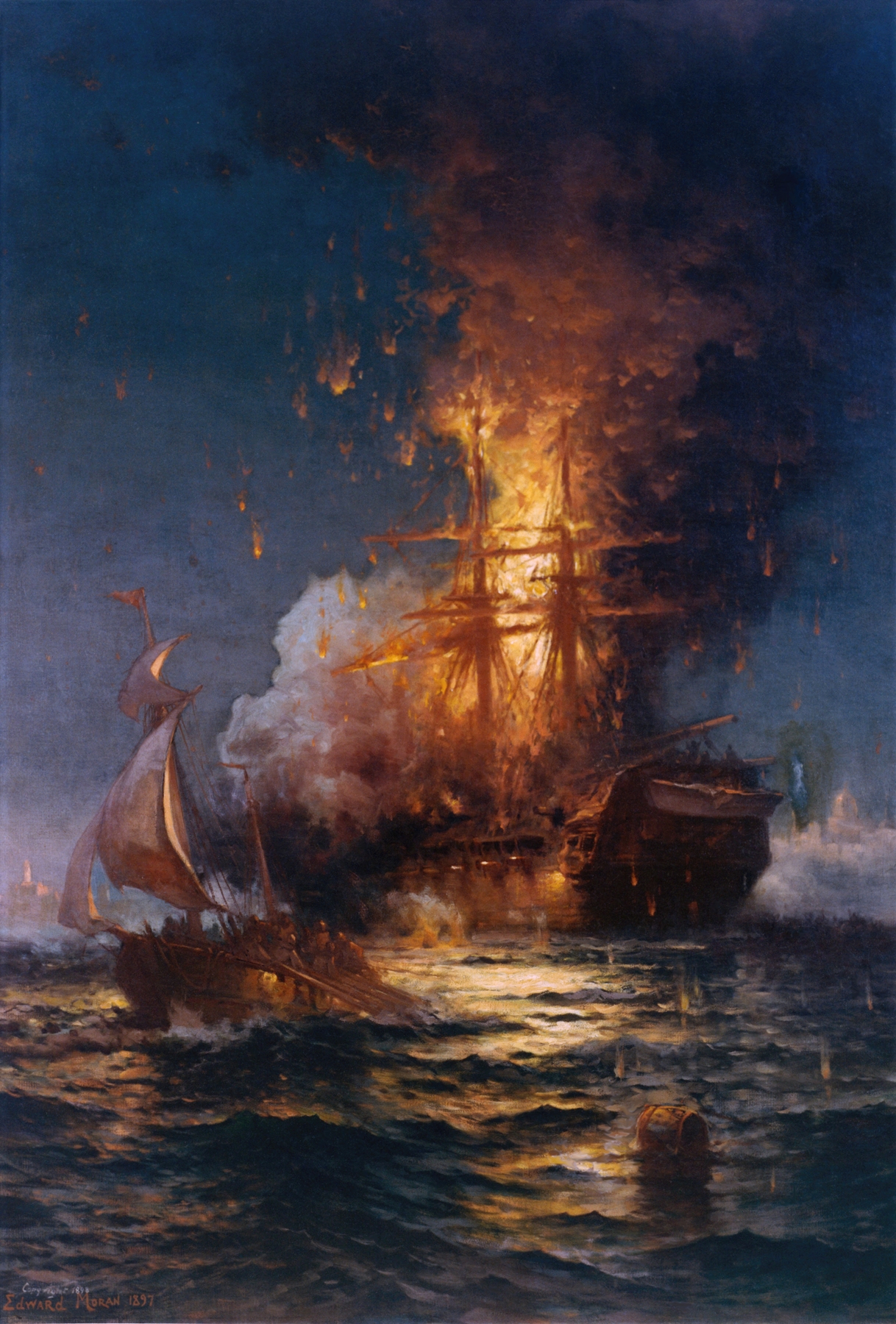
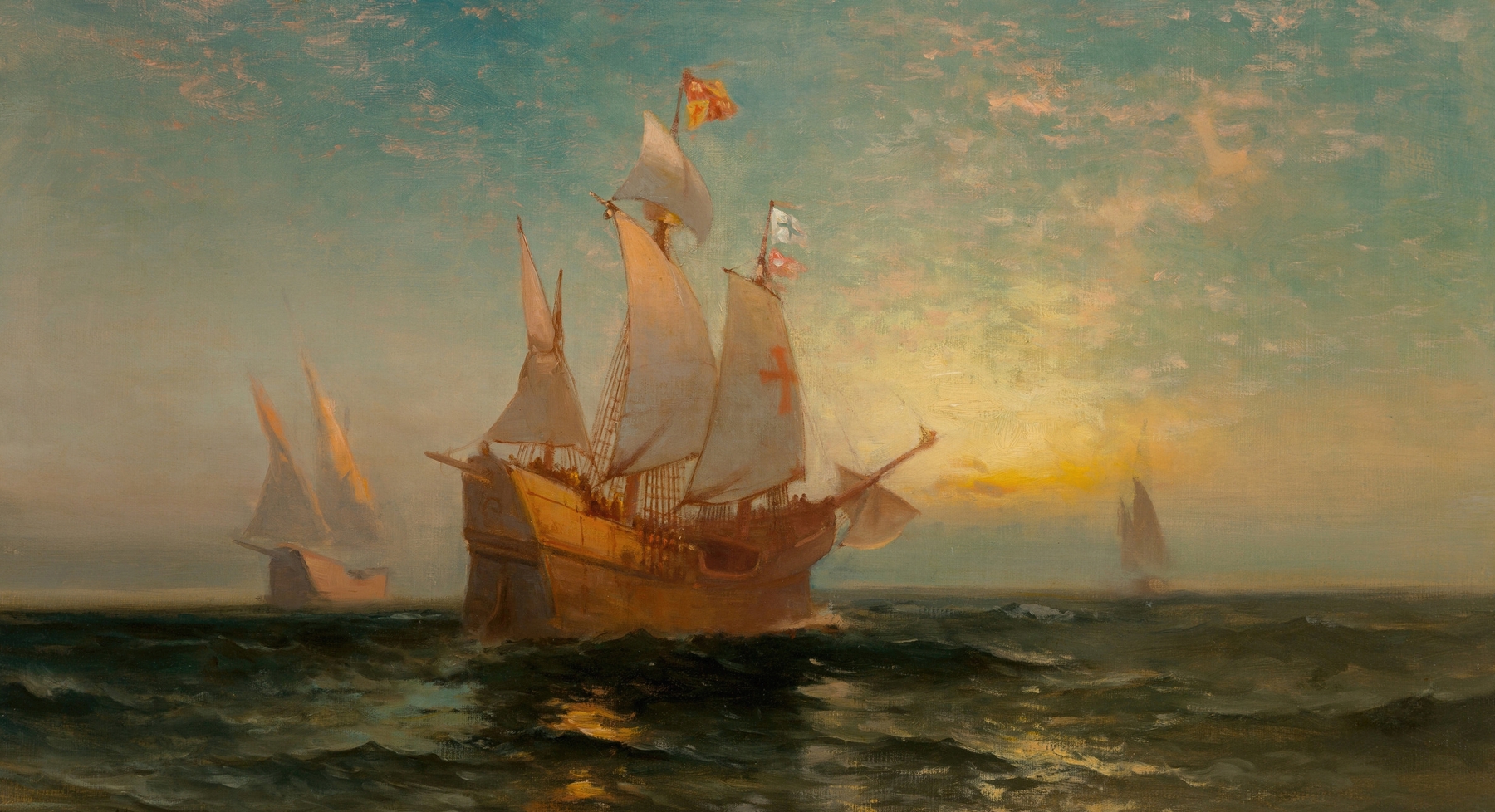
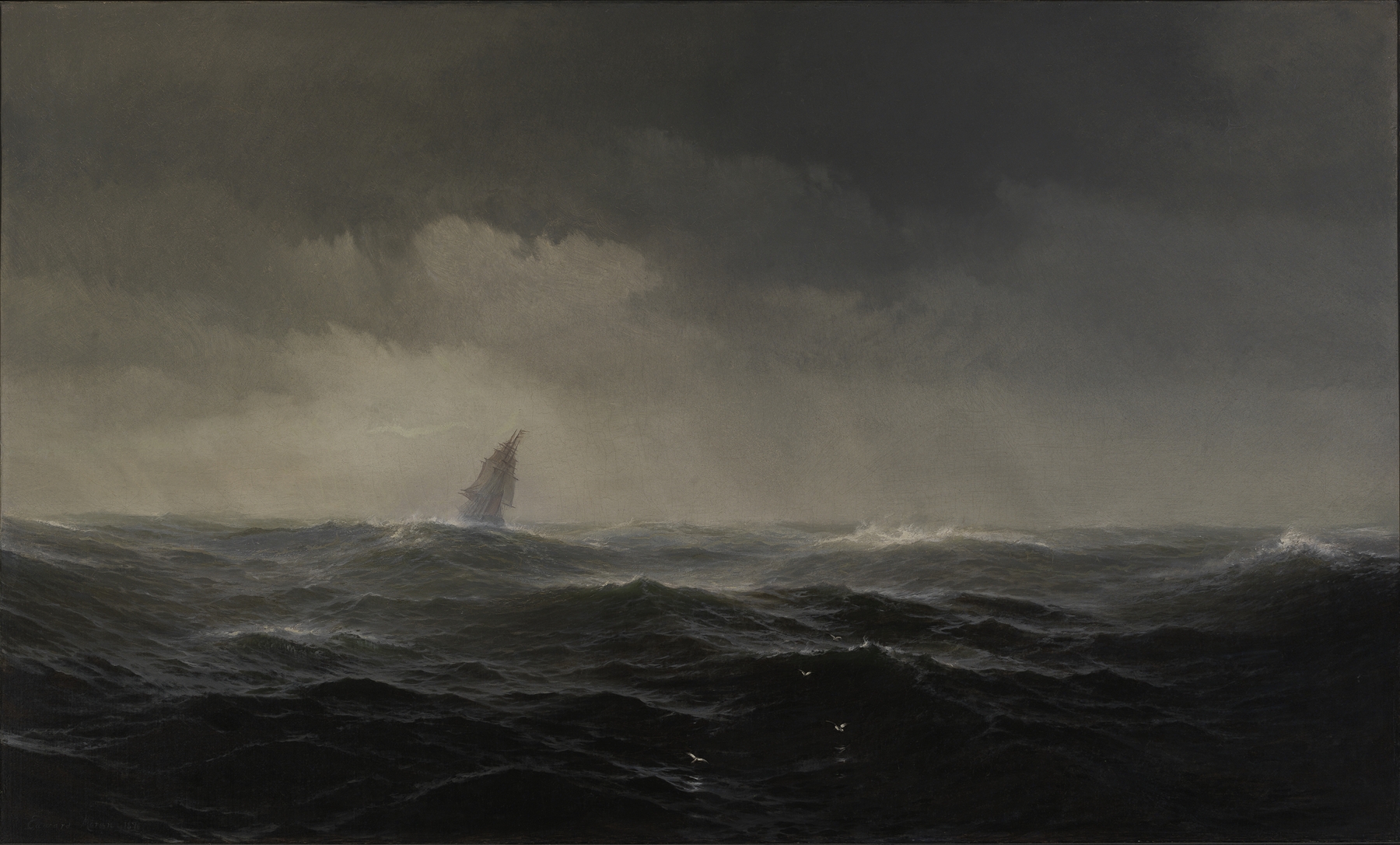
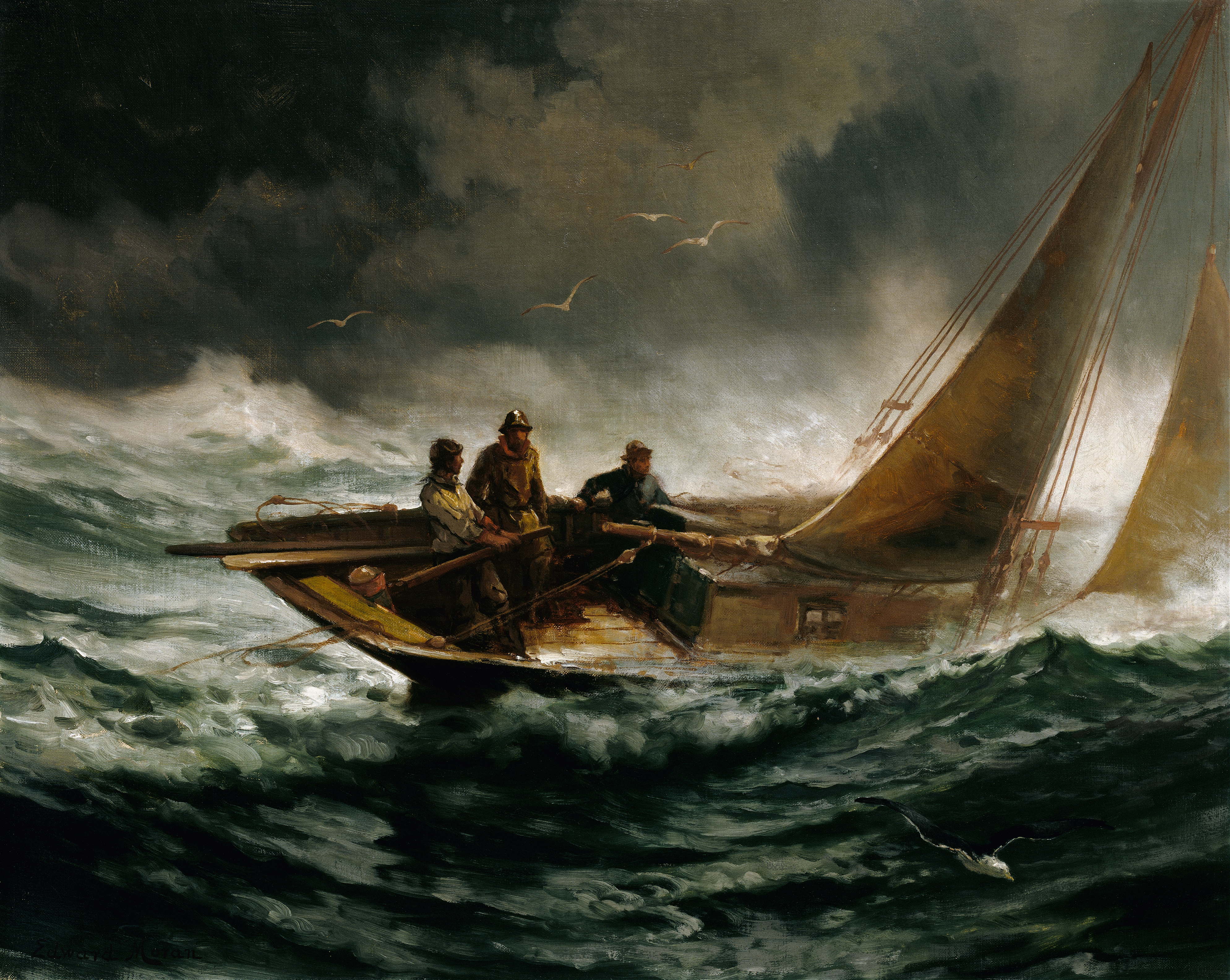
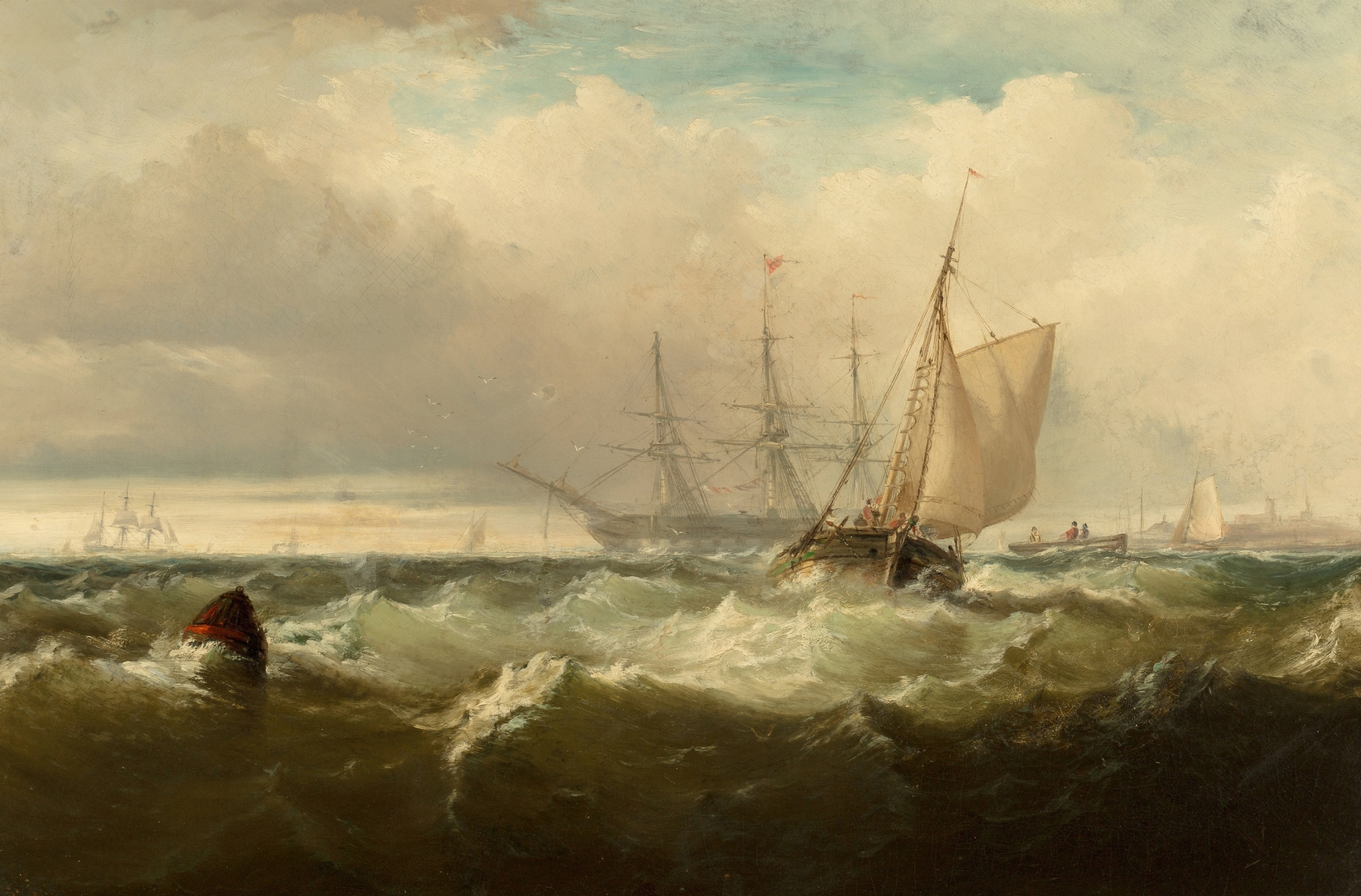
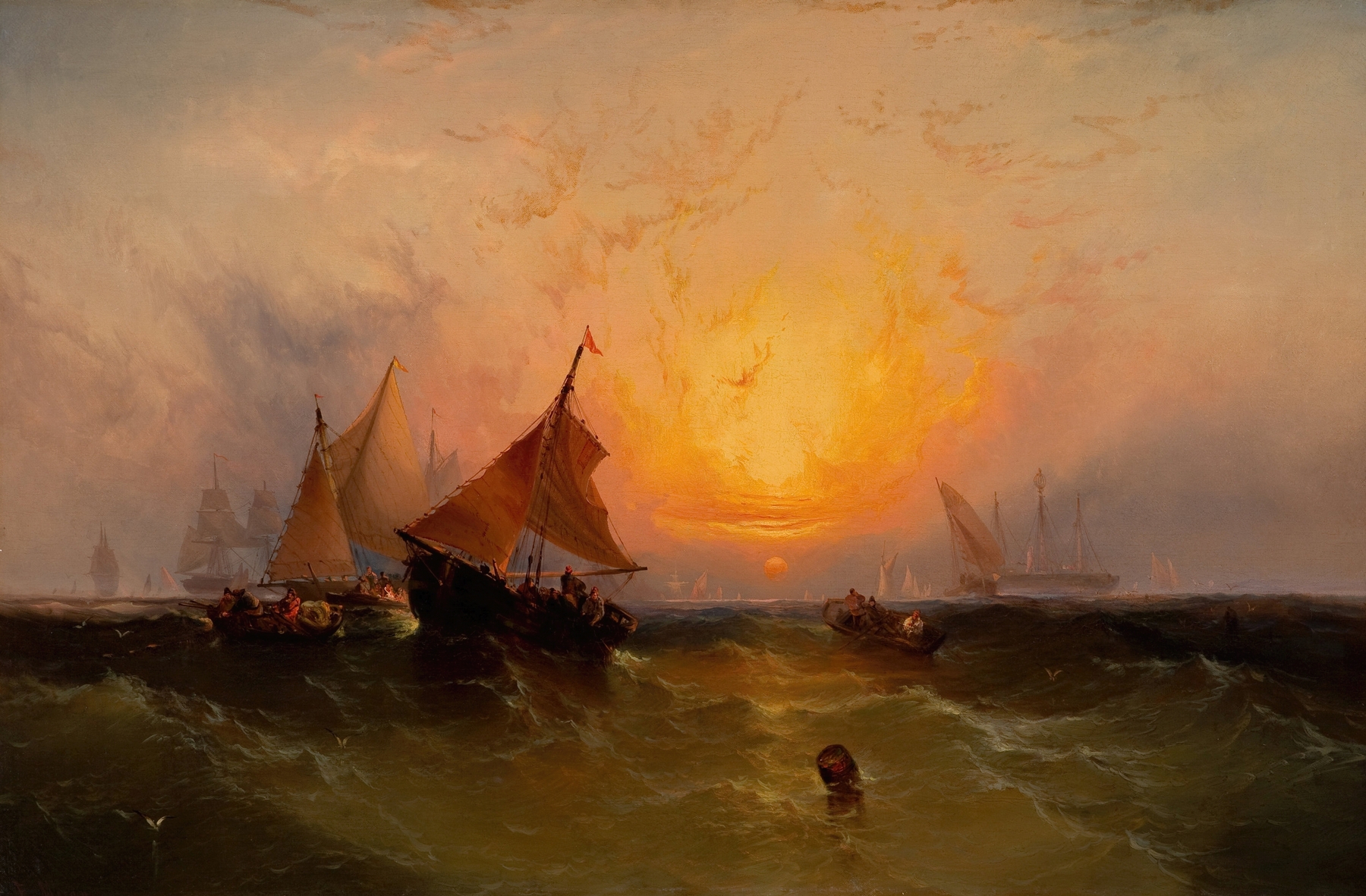
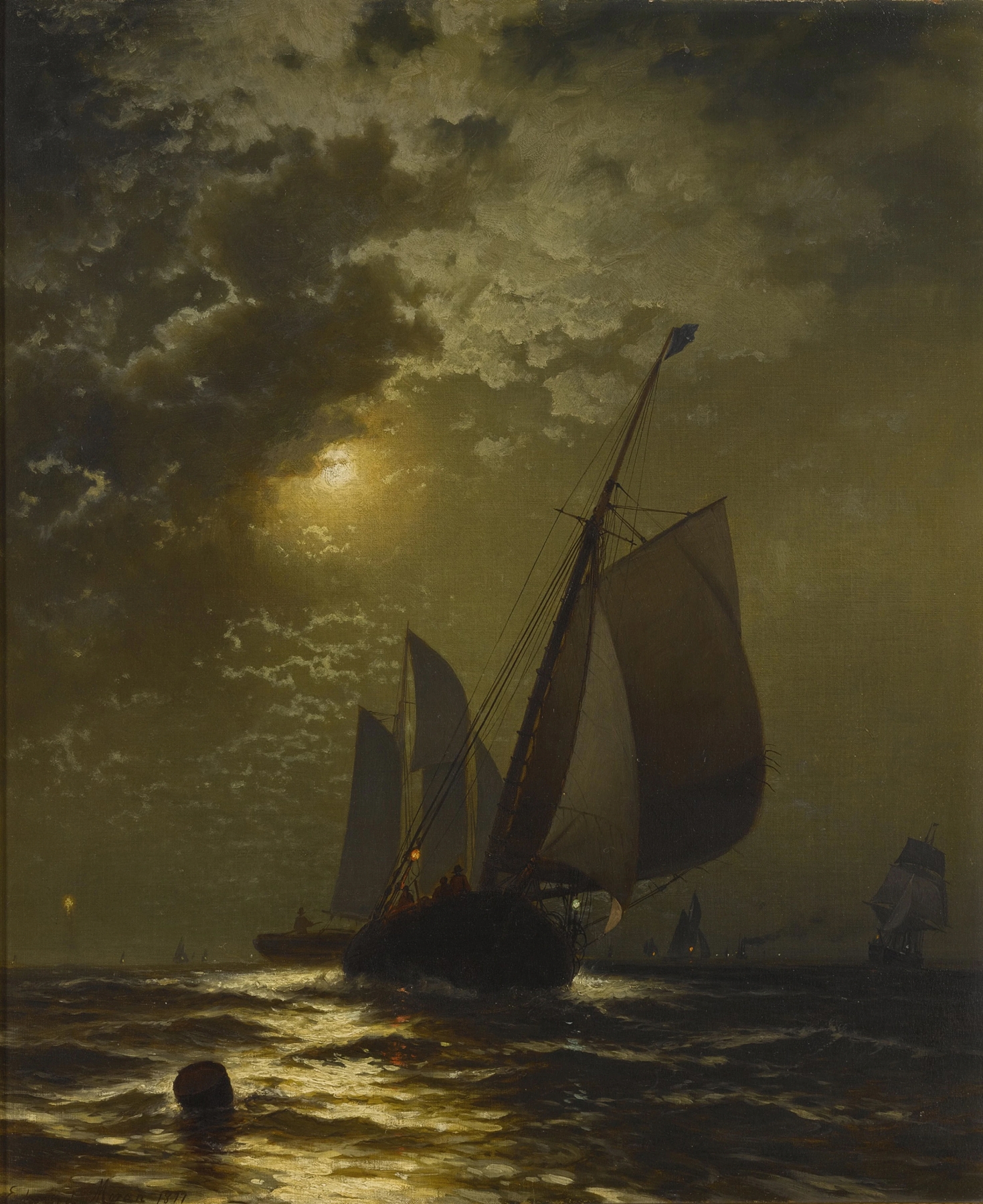
“Between color and silence, truth hides.” In the stillness of night, beneath an expansive sky, a world unfolds where the gentle lapping of water meets the quietude of reflection. Here, boats rest gently upon the surface, embodying a serene intimacy with the moon’s luminous glow, creating a compelling juxtaposition of darkness and light. Look to the center of the canvas, where the luminous orb casts ethereal silver tones across the water. The boats, with their soft, undulating lines, are painted in rich, deep hues that contrast with the glimmering highlights of the moonlight.
Notice how the gentle strokes of the brush create a sense of movement in the water, drawing your eye toward the horizon, where night meets tranquility, inviting the viewer to linger in the atmospheric embrace of this nocturnal scene. The painting speaks to dualities: the tension between solitude and communion, as the stillness of the night conveys both a sense of peace and an underlying melancholy. The play of light invites contemplation of presence and absence, while the boats evoke the labor of fishermen and the potential for connection. As you reflect on these elements, you may sense the whispers of their stories entwined in the quiet landscape, each ripple holding the weight of unspoken truths.
In 1877, Edward Moran created this piece during a time of burgeoning artistic exploration in America, influenced by the Romantic movement and the emerging Impressionist style. Living and working in New York, he was deeply connected to maritime themes, reflecting both personal experiences and the broader cultural shift toward valuing the sublime beauty of nature. In Fishing Boats in the Moonlight, he captured a moment where stillness and contemplation can coexist—a poignant reminder of life's delicate balance.