Storm Off New Castle, Delaware — History & Analysis
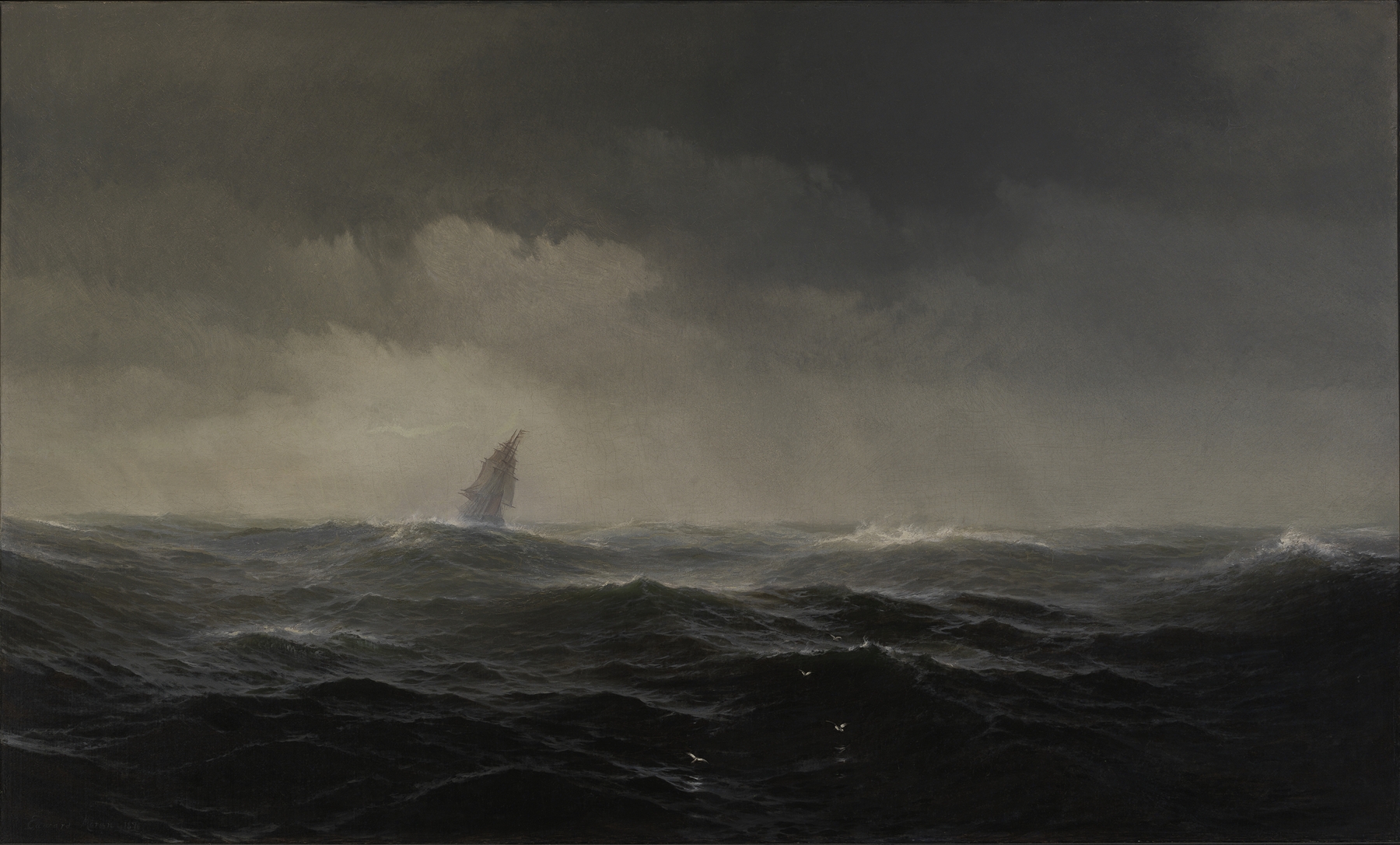
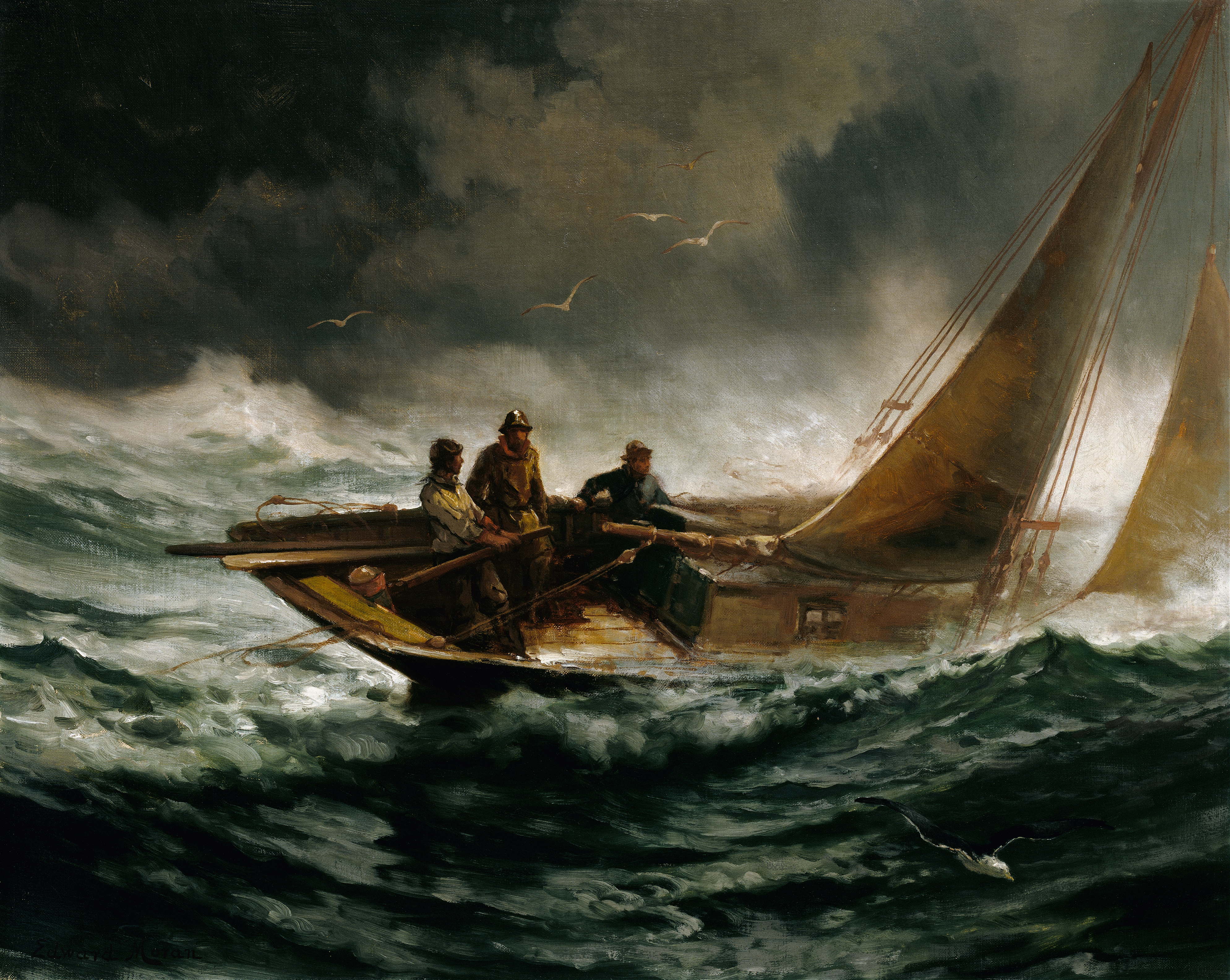
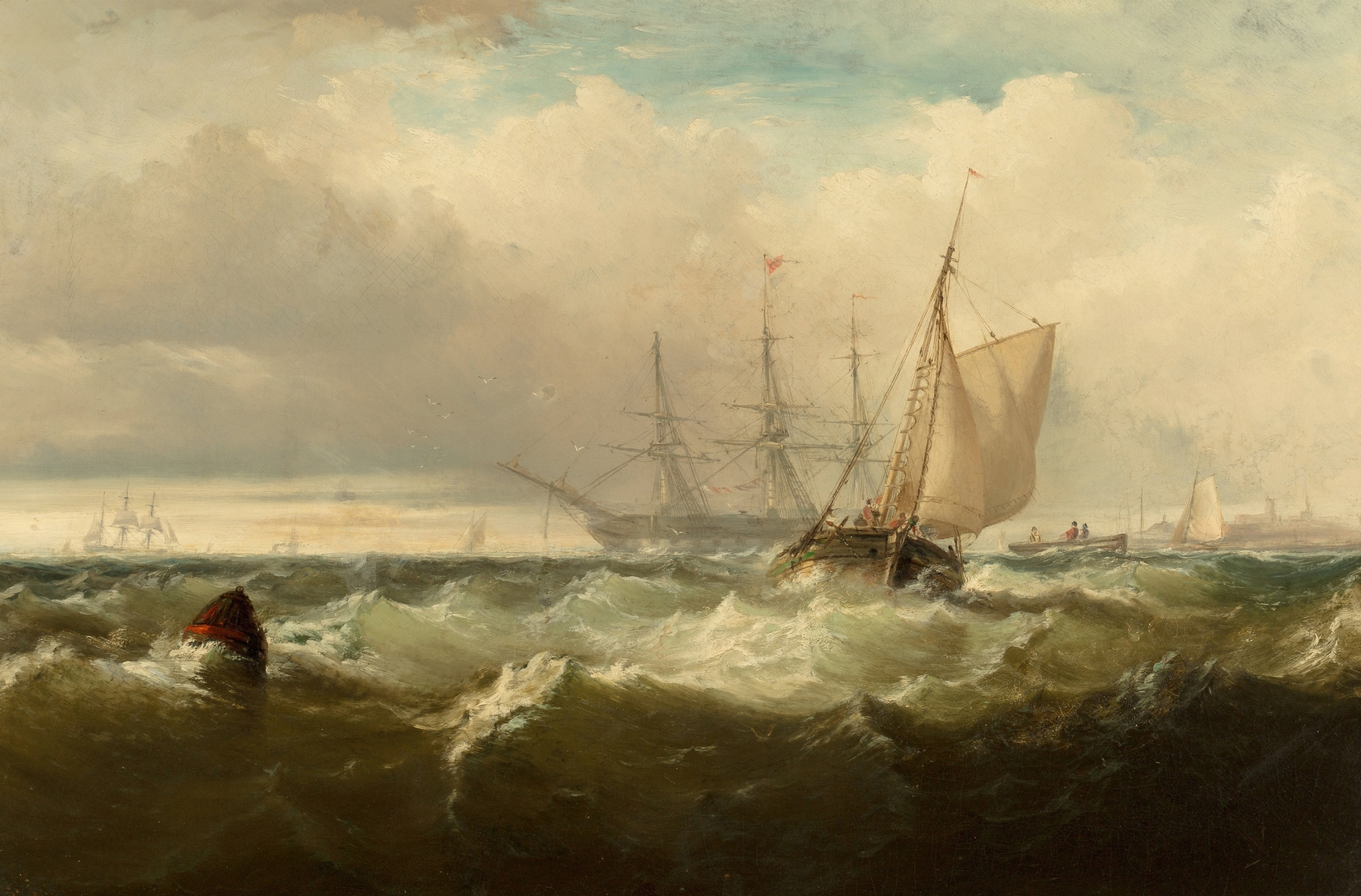
“Every silence here is a confession.” It speaks not only to the stillness of the moment but also to the tumultuous undercurrents of nature and humanity captured in this artwork. The tension between calm and chaos breathes life into the composition. Look to the center of the canvas where the storm brews, swirling clouds heavy and dark. The waves below crash violently against the rocky shore, a mesmerizing dance of movement that draws your gaze. The artist employs a dramatic palette of deep blues and grays, contrasted by hints of white froth that suggest both power and fragility.
The skillful brushwork creates a sense of motion, as if the viewer can almost feel the wind howling and the sea's salty spray. Amidst the chaotic energy, there are moments of quiet reflection. Notice the small boats struggling against the waves, representing the resilience of humanity facing nature's might. The distant lighthouse stands steadfast, a symbol of hope and guidance amid turmoil.
These contrasts evoke a deeper understanding of the relationship between man and the natural world, illustrating how we navigate through life’s storms. Moran created this piece in 1857, a time when maritime art was increasingly resonant in American culture. Living in New York City, he was influenced by both Romanticism and the burgeoning Realism movement, capturing the beauty and fear of the sea. This work reflects his unique ability to blend artistic skill with a deep emotional connection to the ocean, reflecting the technological advancements of the time and society's burgeoning relationship with nature.