View of Windsor Castle — History & Analysis
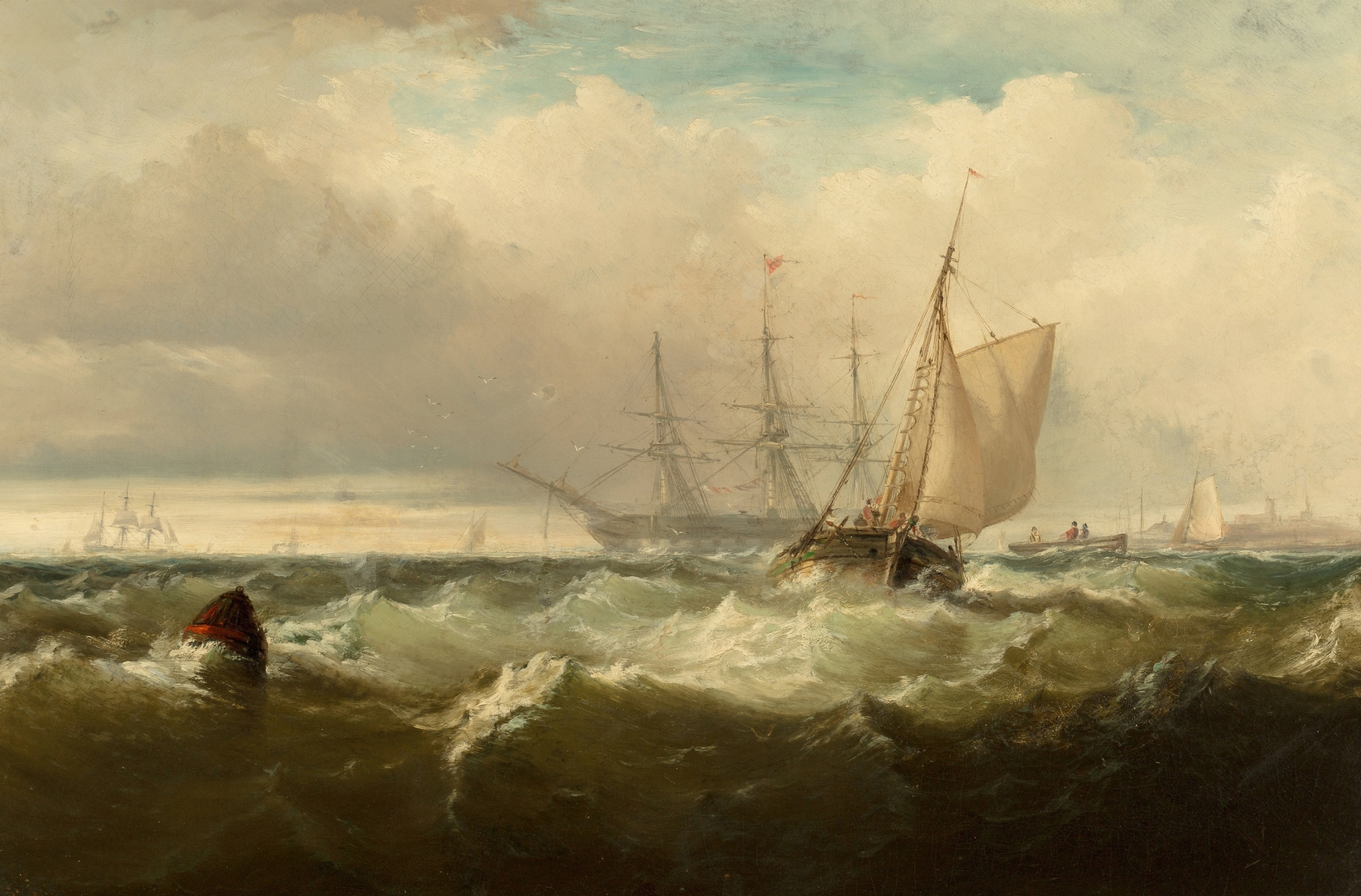
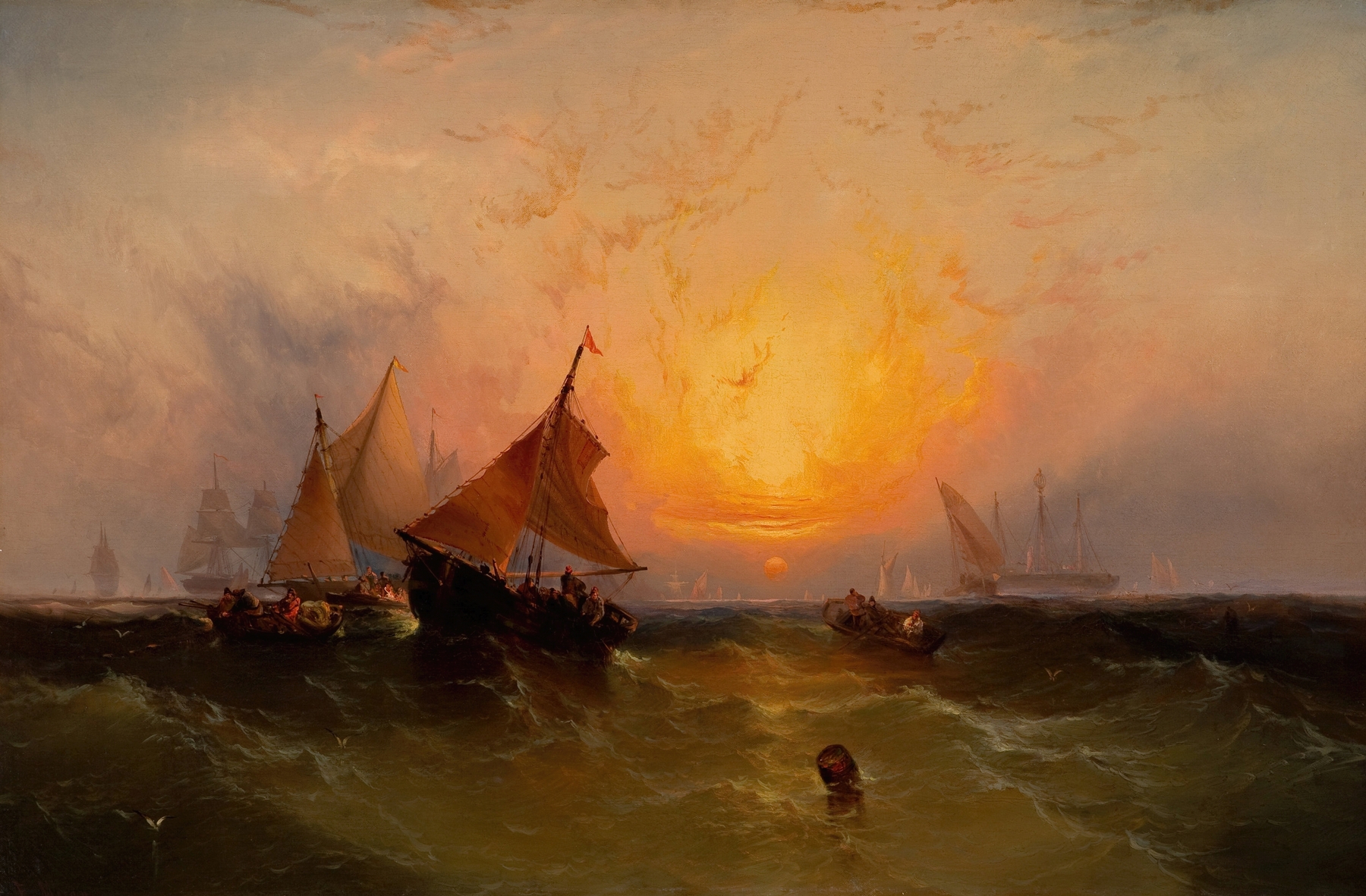
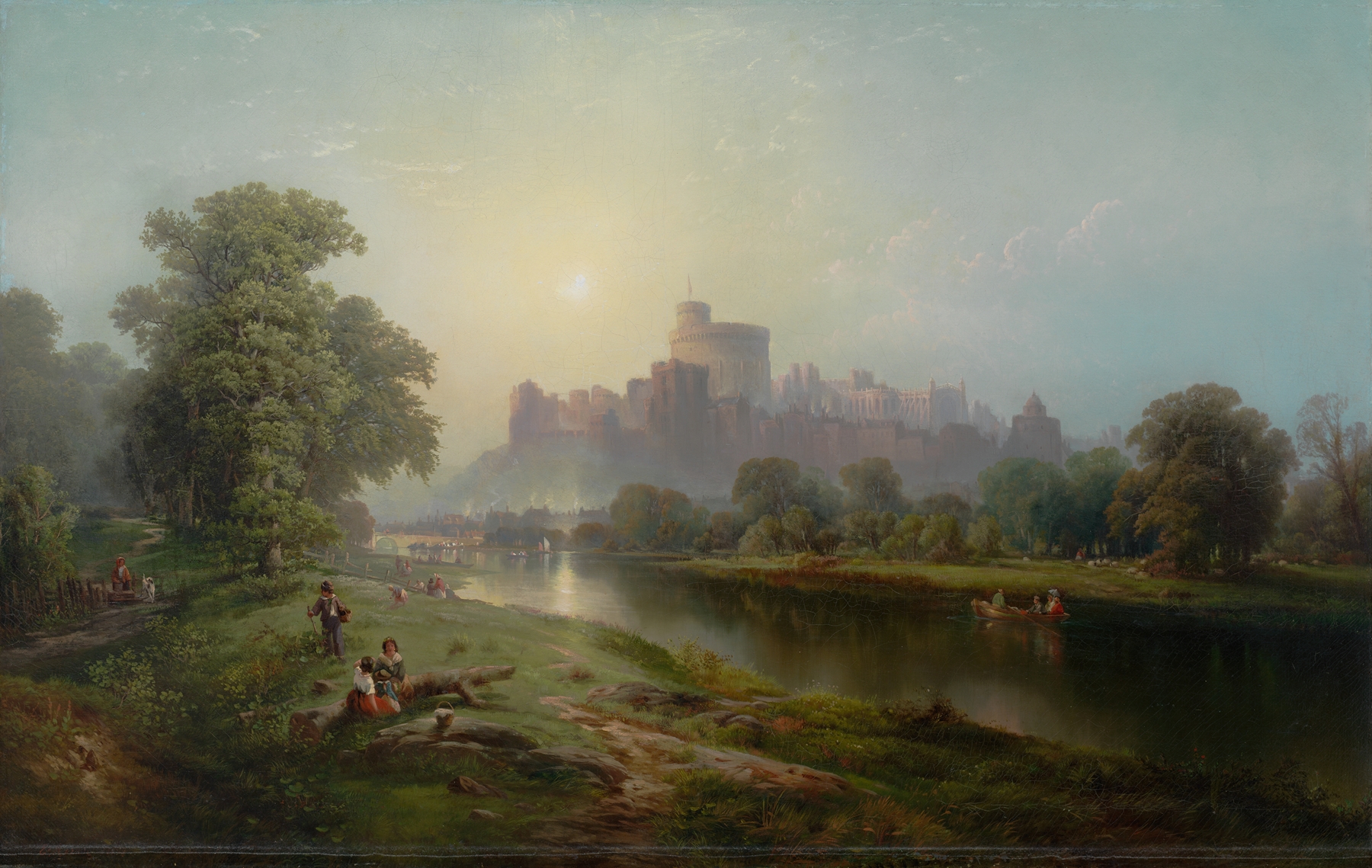
“The canvas doesn’t lie — it simply waits.” In the stillness of dawn or dusk, a moment cradles tranquility, coaxing us to pause and breathe deeply. The serene aura of View of Windsor Castle beckons the viewer into a world suspended in time, where nature and architecture intertwine effortlessly, whispering secrets of history and calm. Look to the left at the way the soft golden light envelops the castle's turrets, casting gentle shadows that dance along the rippling waters of the Thames. Notice how the artist employs a harmonious blend of greens and blues, creating a soothing palette that enhances the sense of peace.
The composition elegantly draws the eye from the foreground, where lush trees frame the scene, to the majestic silhouette of the castle, punctuated by the delicate clouds above, a testament to Moran's mastery of light and balance. Beneath this picturesque surface lies a deeper narrative. The contrasting elements of solid stone and ephemeral clouds reflect the enduring nature of human achievement against the transient beauty of the natural world. The boats gliding through the water suggest a quiet passage of time, while the stillness of the castle hints at stories untold — a reminder that serenity often harbors complexities beneath its calm surface.
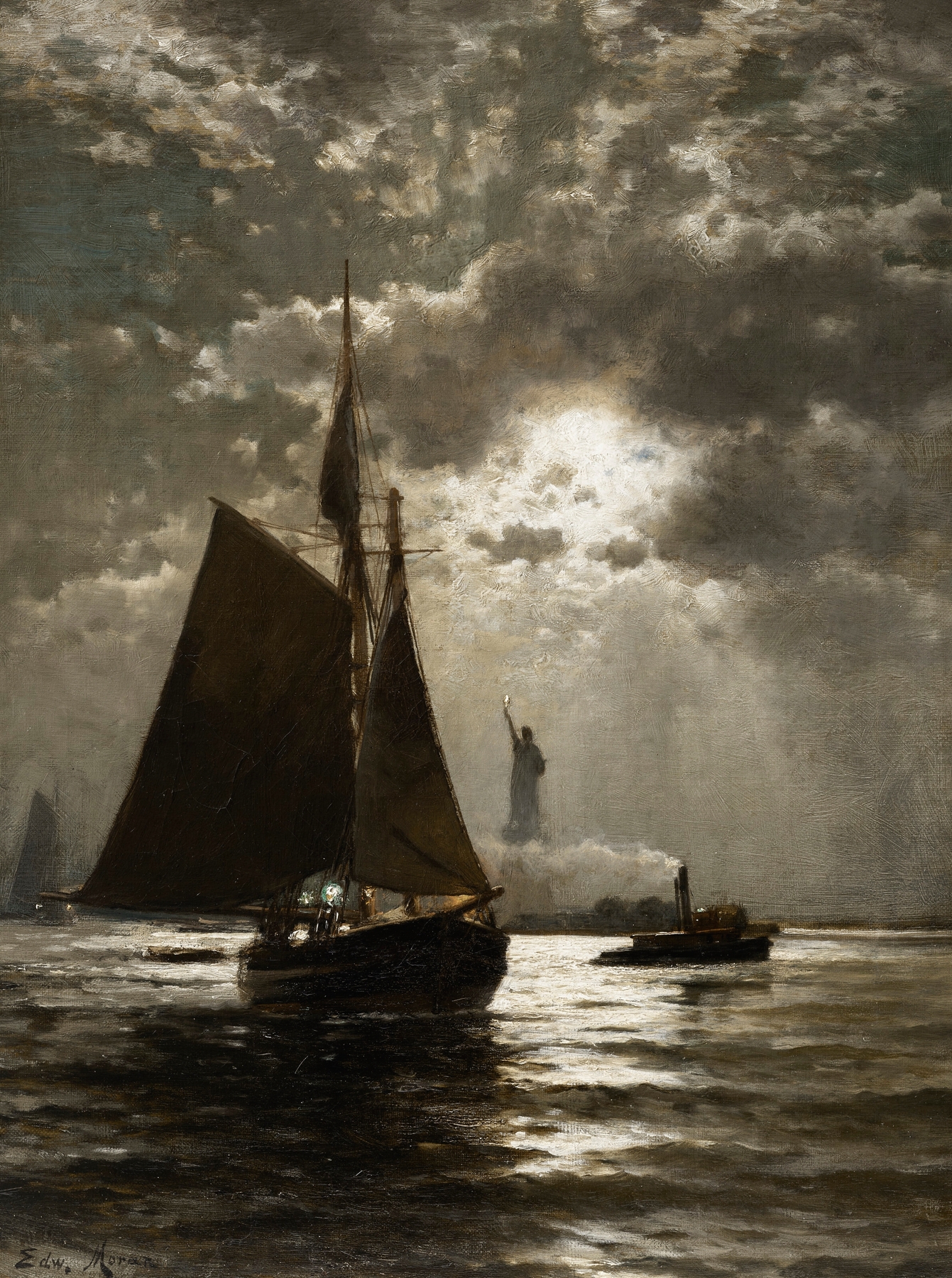
In 1863, the artist was immersed in a flourishing landscape of American art, often drawing inspiration from European traditions. At this time, Moran was living in New York, where he was influenced by the Hudson River School and its emphasis on the beauty of the natural world. This painting exemplifies his desire to capture both the grandeur of architecture and the sublime qualities of nature, reflecting the broader cultural appreciation for picturesque landscapes during the Victorian era.