The Bay of Yalta with the Magobi and Ai Petri mountains — History & Analysis
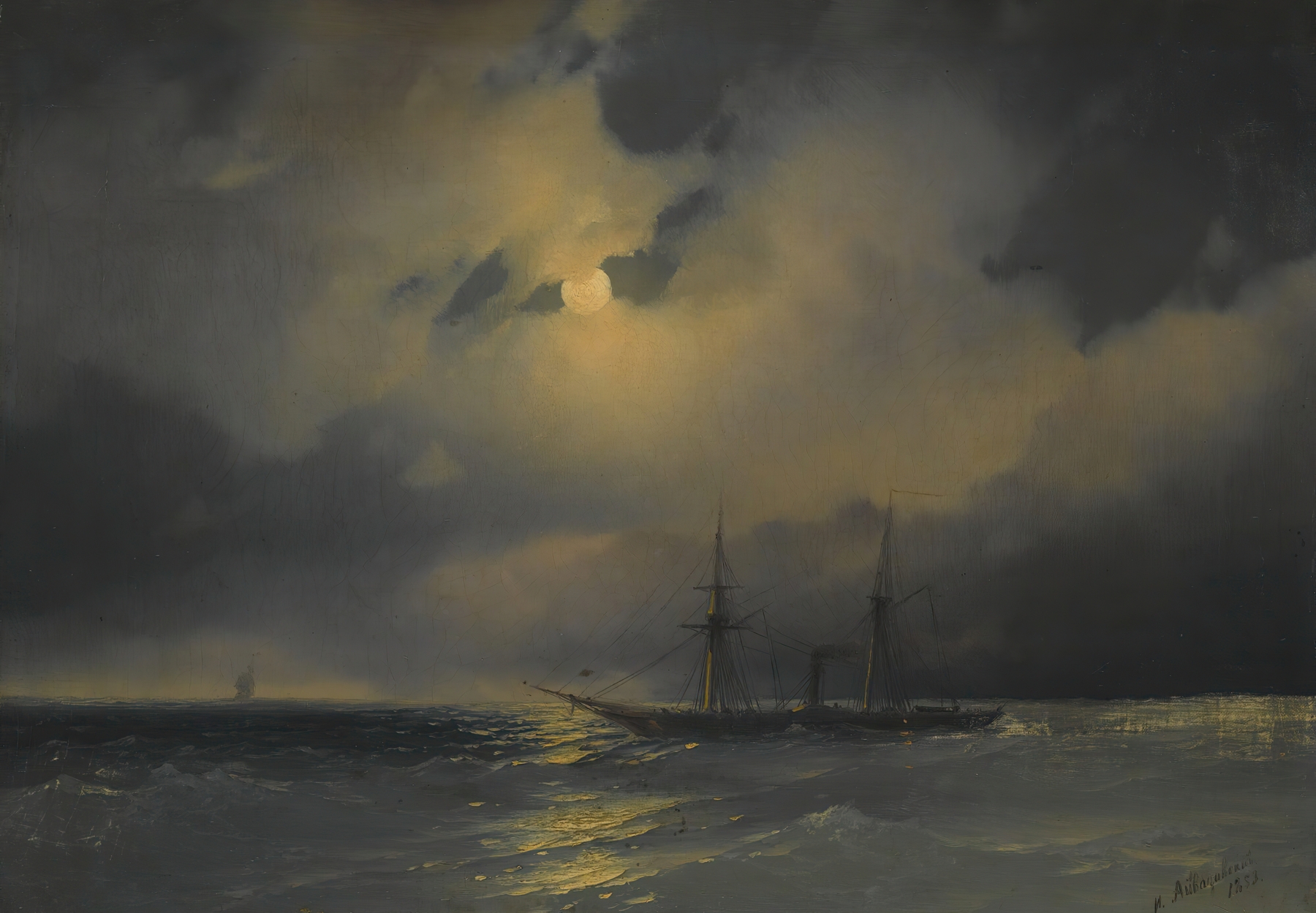
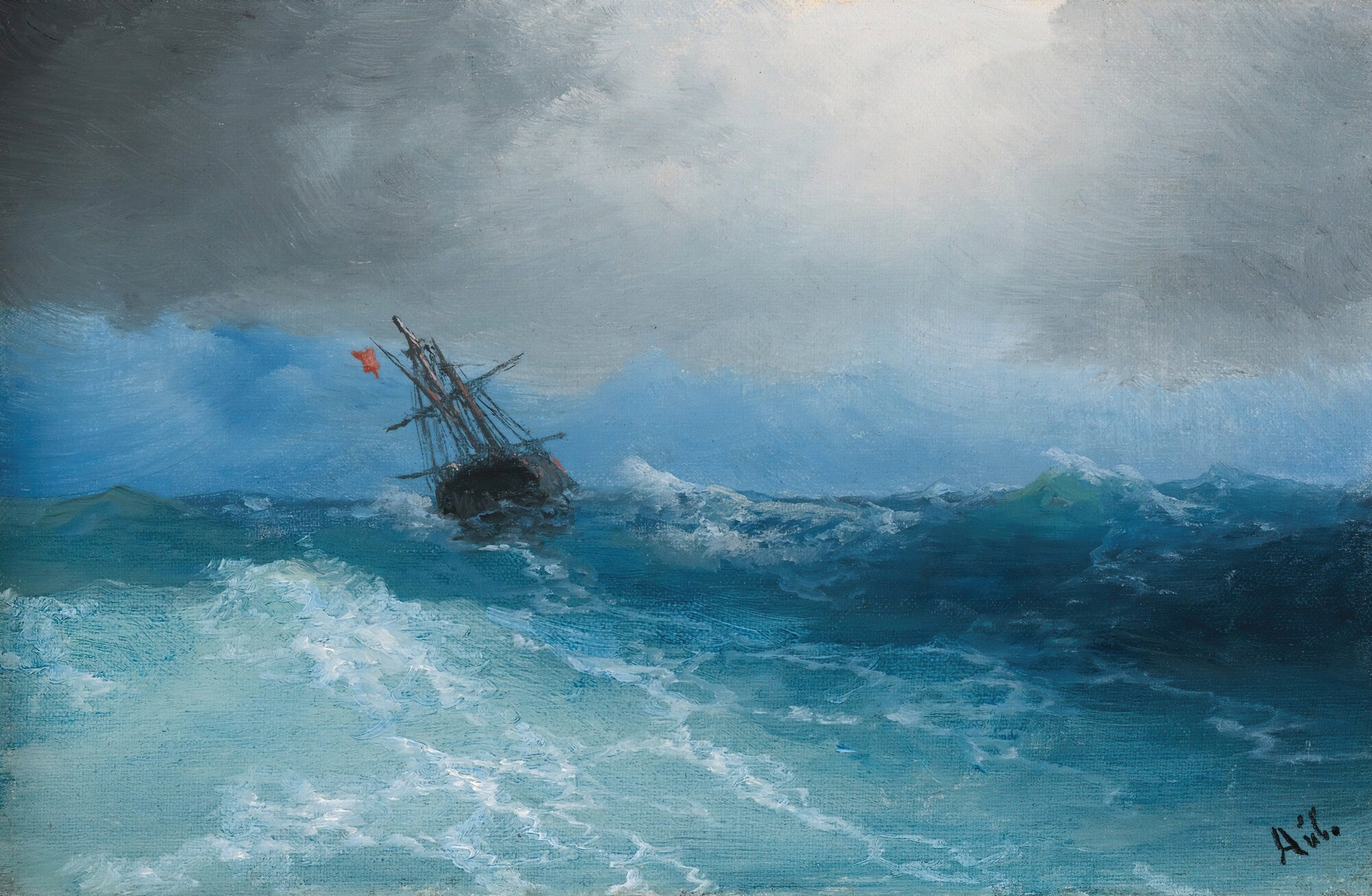
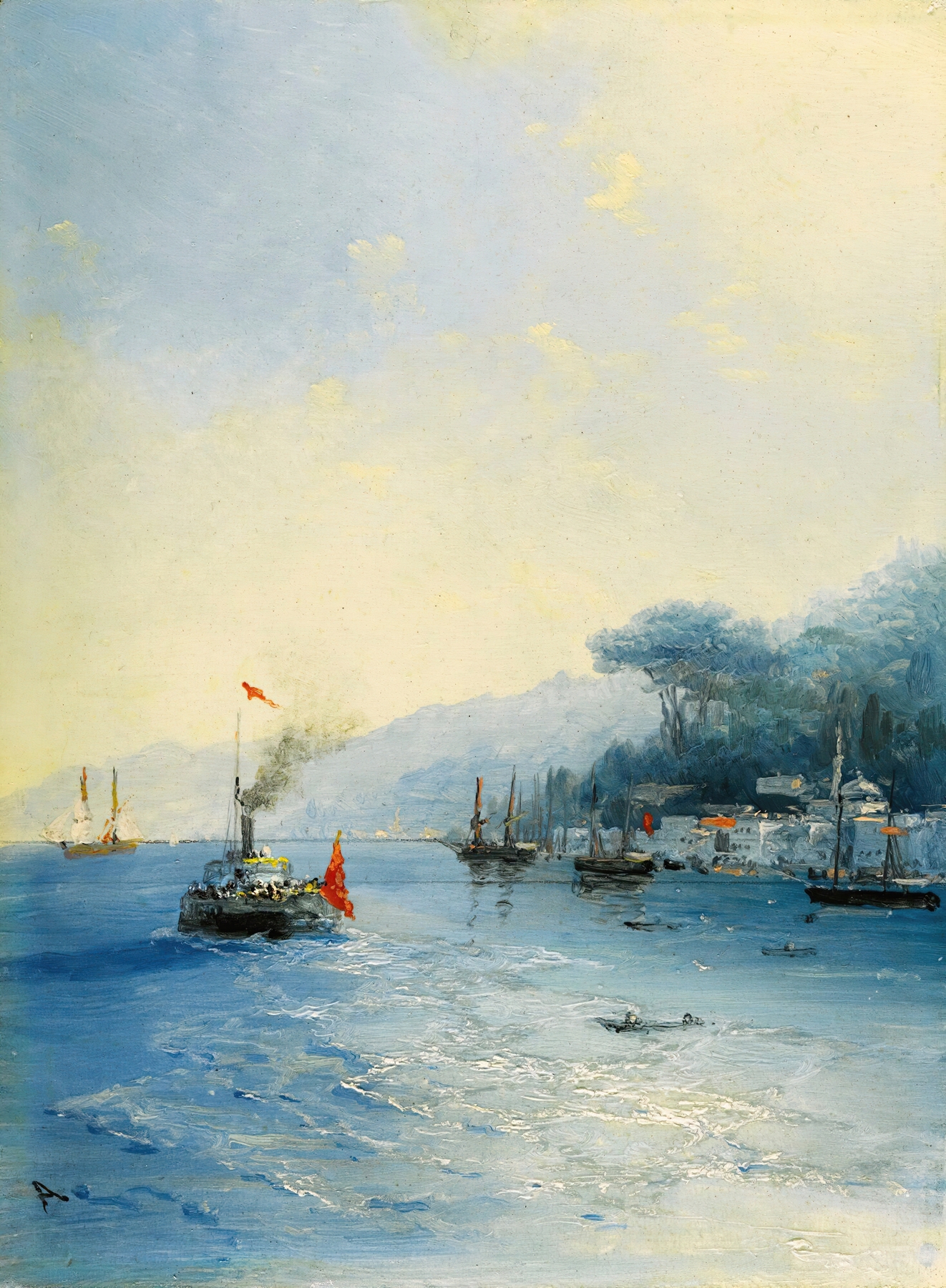
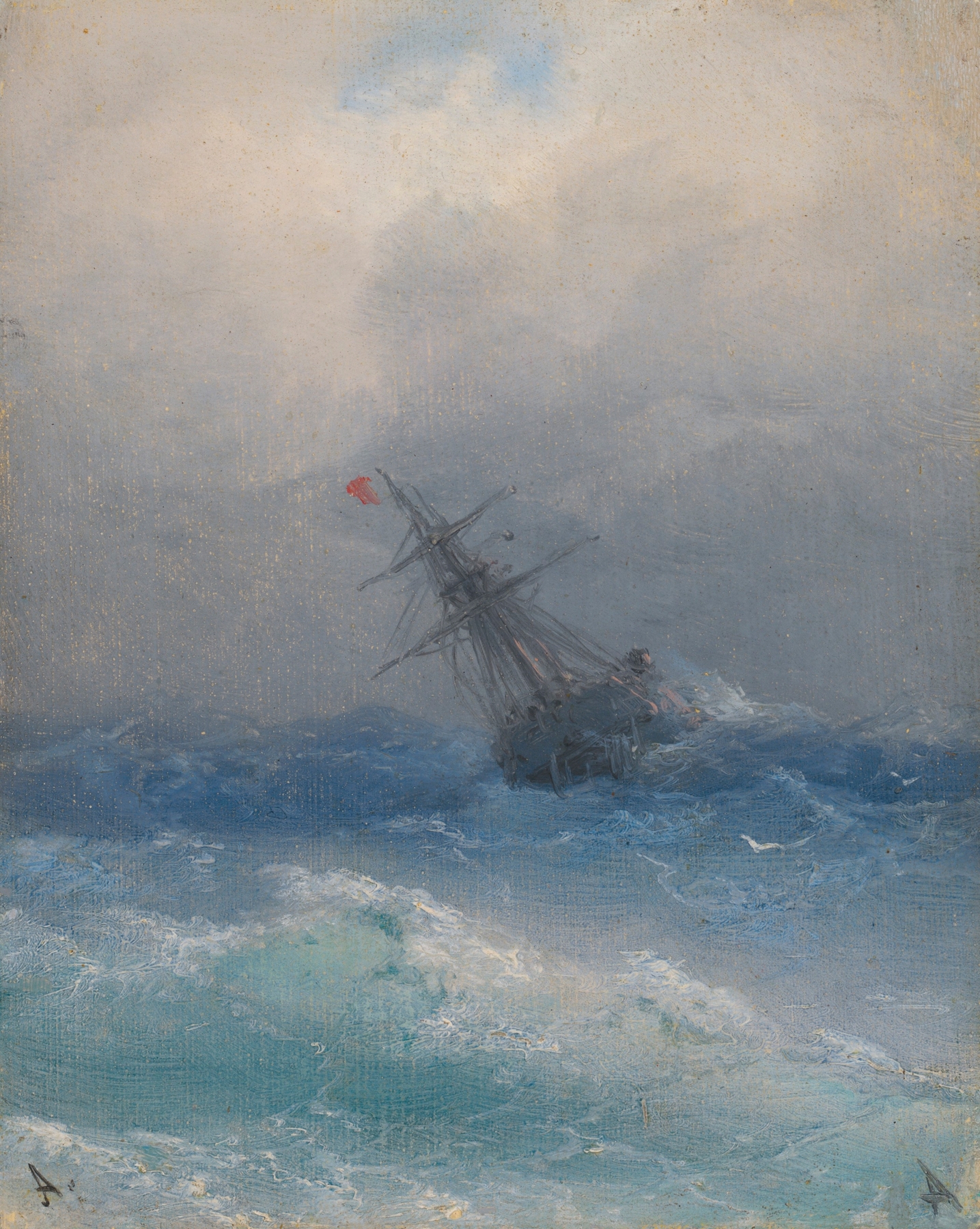
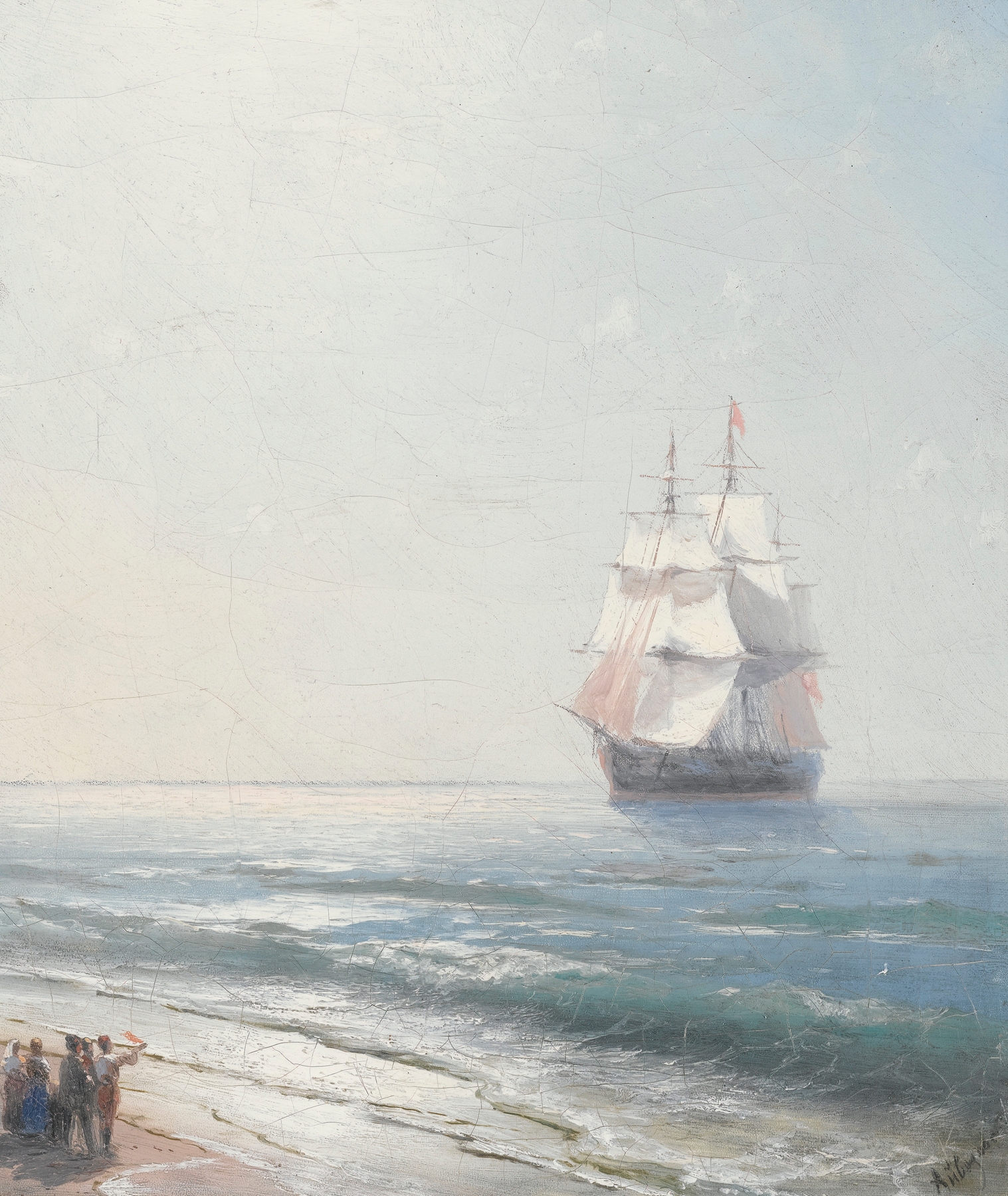
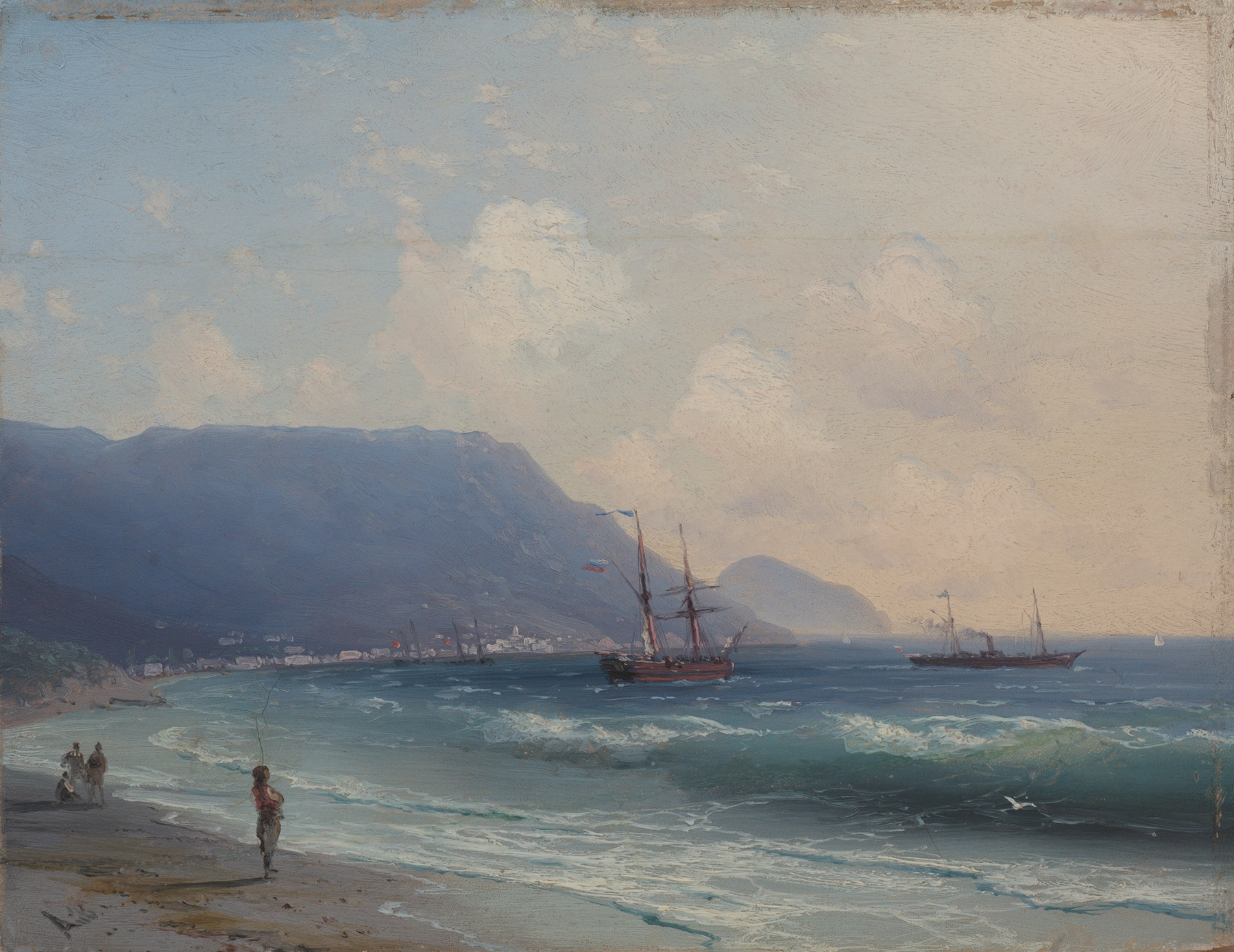
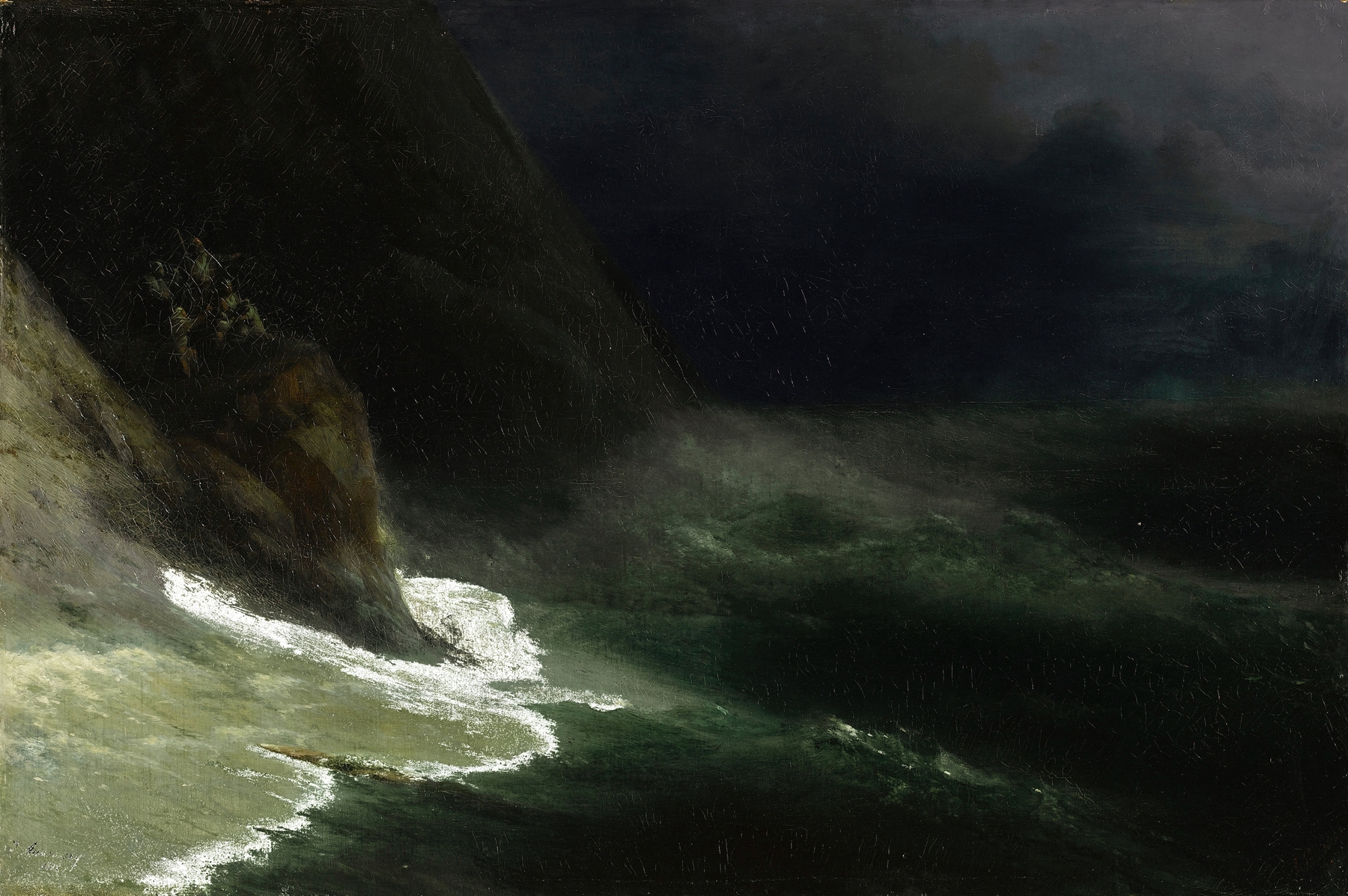
Can beauty exist without sorrow? In the stillness of The Bay of Yalta with the Magobi and Ai Petri mountains, the answer hangs in the balance, a reflection of nature's duality encapsulated on canvas. Look to the horizon, where the azure sea kisses the sky, a vast expanse that draws the eye toward distant peaks. Notice how the delicate brushstrokes create a shimmering dance of light across the water's surface, inviting you to trace the gentle waves that ripple towards the shoreline.
The mountainous backdrop looms majestically, its rugged contours softened by a warm embrace of twilight, while the gradient of colors — from deep cobalt to soft lavender — evokes a serene yet poignant mood. Here lies an emotional tension: the calm surface of the bay belies the raw power of nature that resides in the mountains. Each element, from the quiet boats floating at rest to the sweeping clouds overhead, tells a story. The interplay between light and shadow suggests a fleeting moment, perhaps a transient peace before the inevitable storm, reminding us that beauty often requires the contrast of sorrow and turmoil to truly resonate.
During the late 19th century, Aivazovsky was deeply immersed in his artistic journey, seeking to capture the sublime qualities of nature. He painted this piece during a time when Romanticism was waning in favor of realism, yet he remained committed to the expressive power of landscape. Living in Crimea, where the Bay of Yalta is located, he drew inspiration from the breathtaking scenery around him, blending his fascination with seascapes and mountainous vistas into a masterpiece that reflects both tranquility and the tumult of existence.