Seascape — History & Analysis
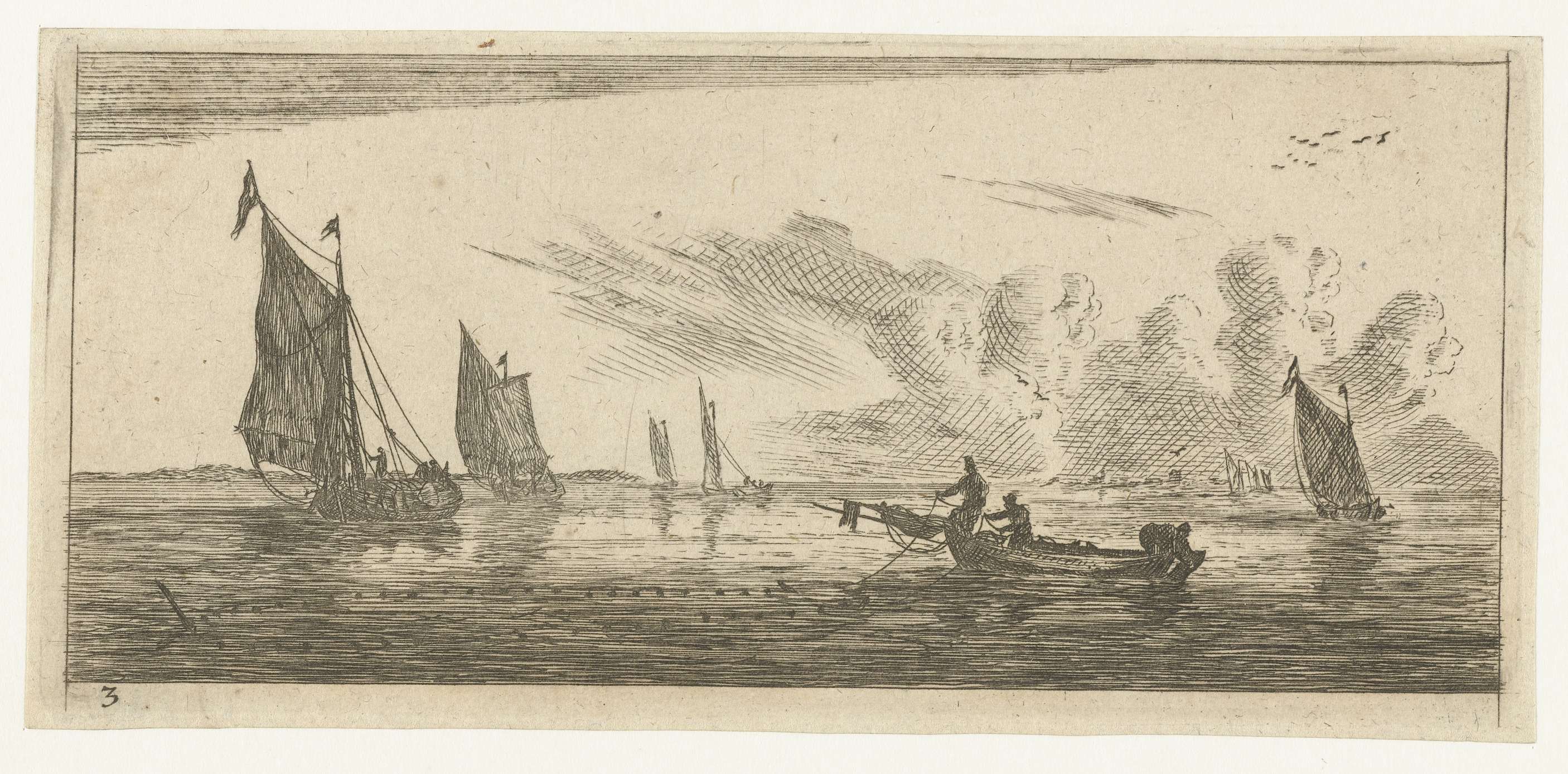
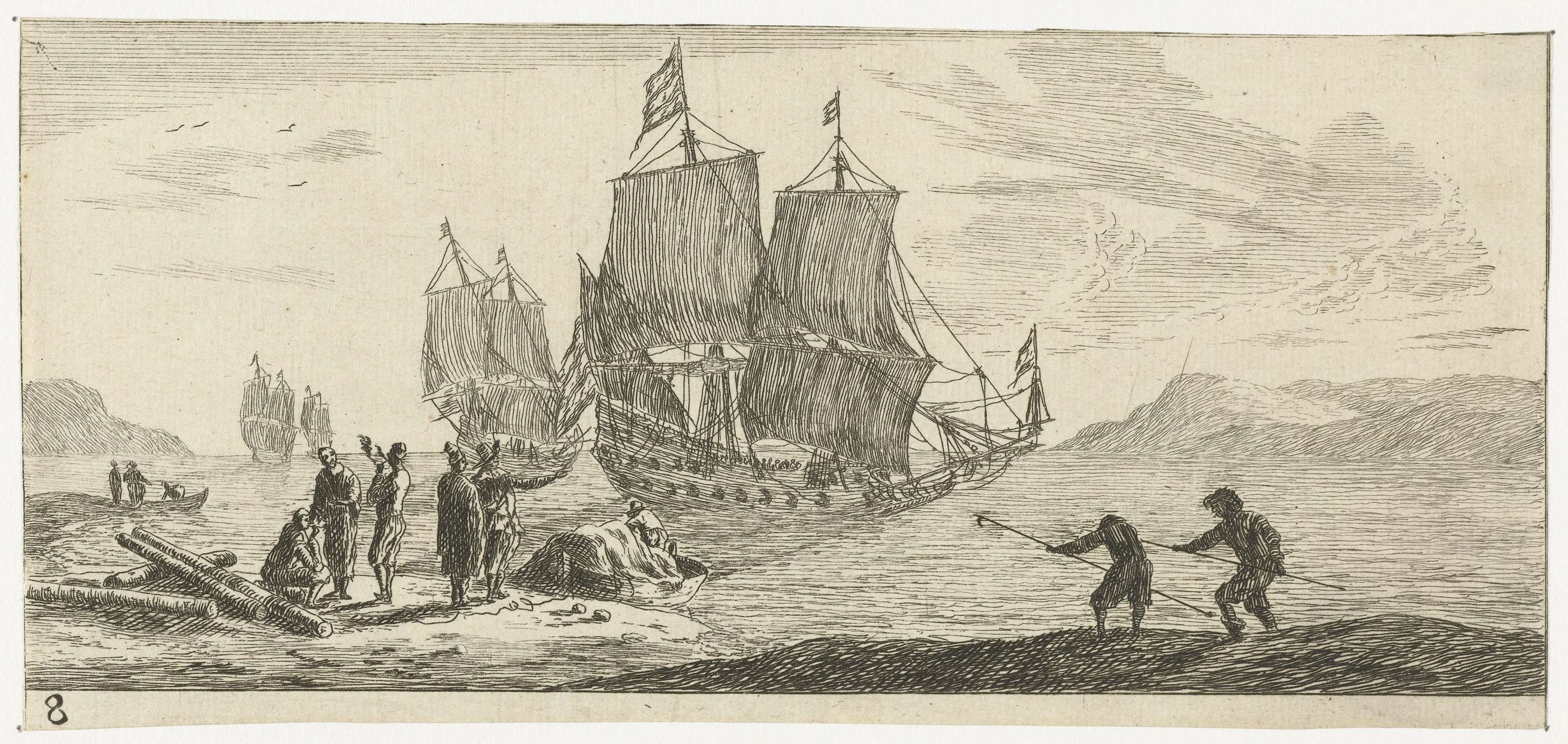
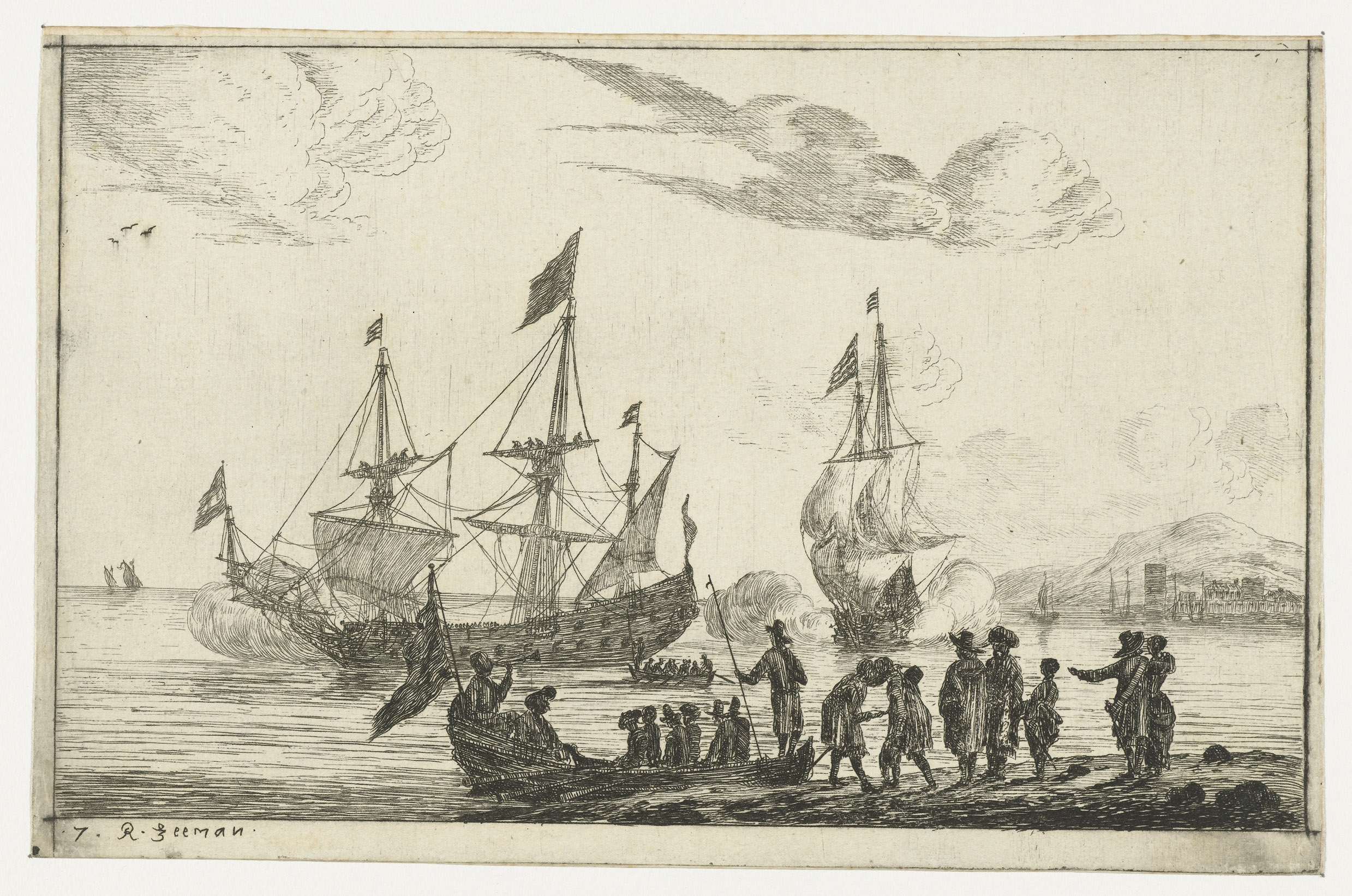
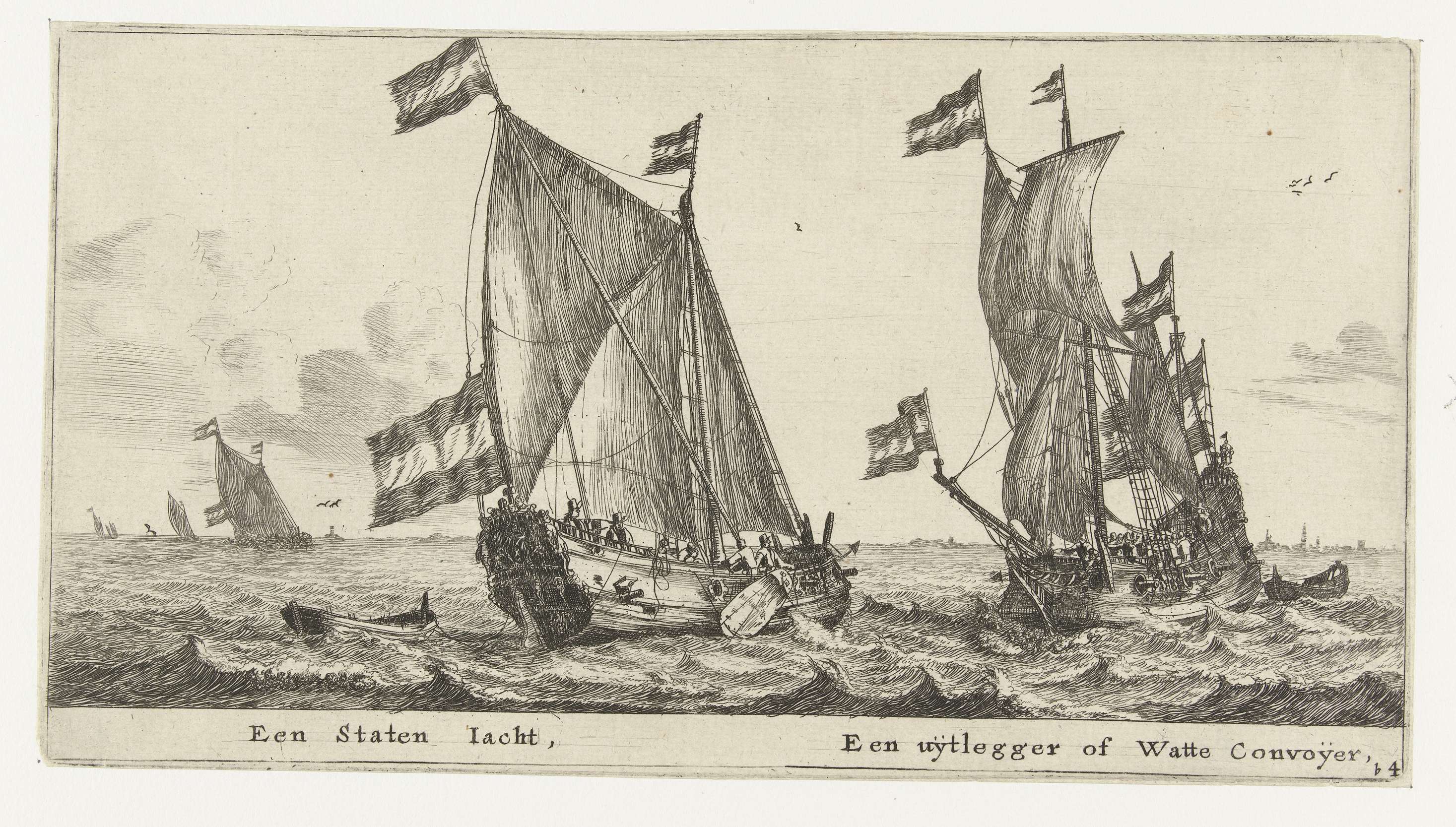
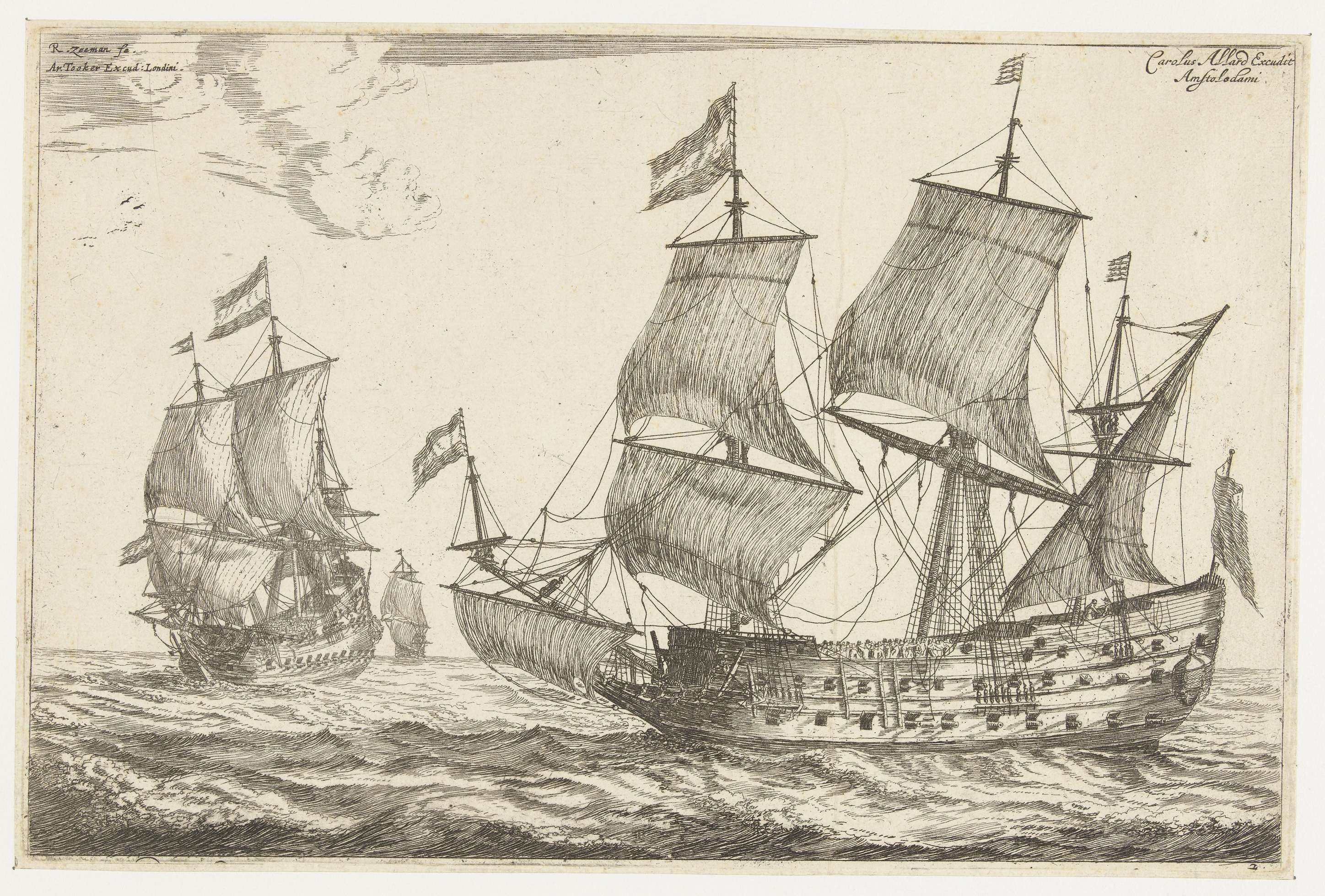
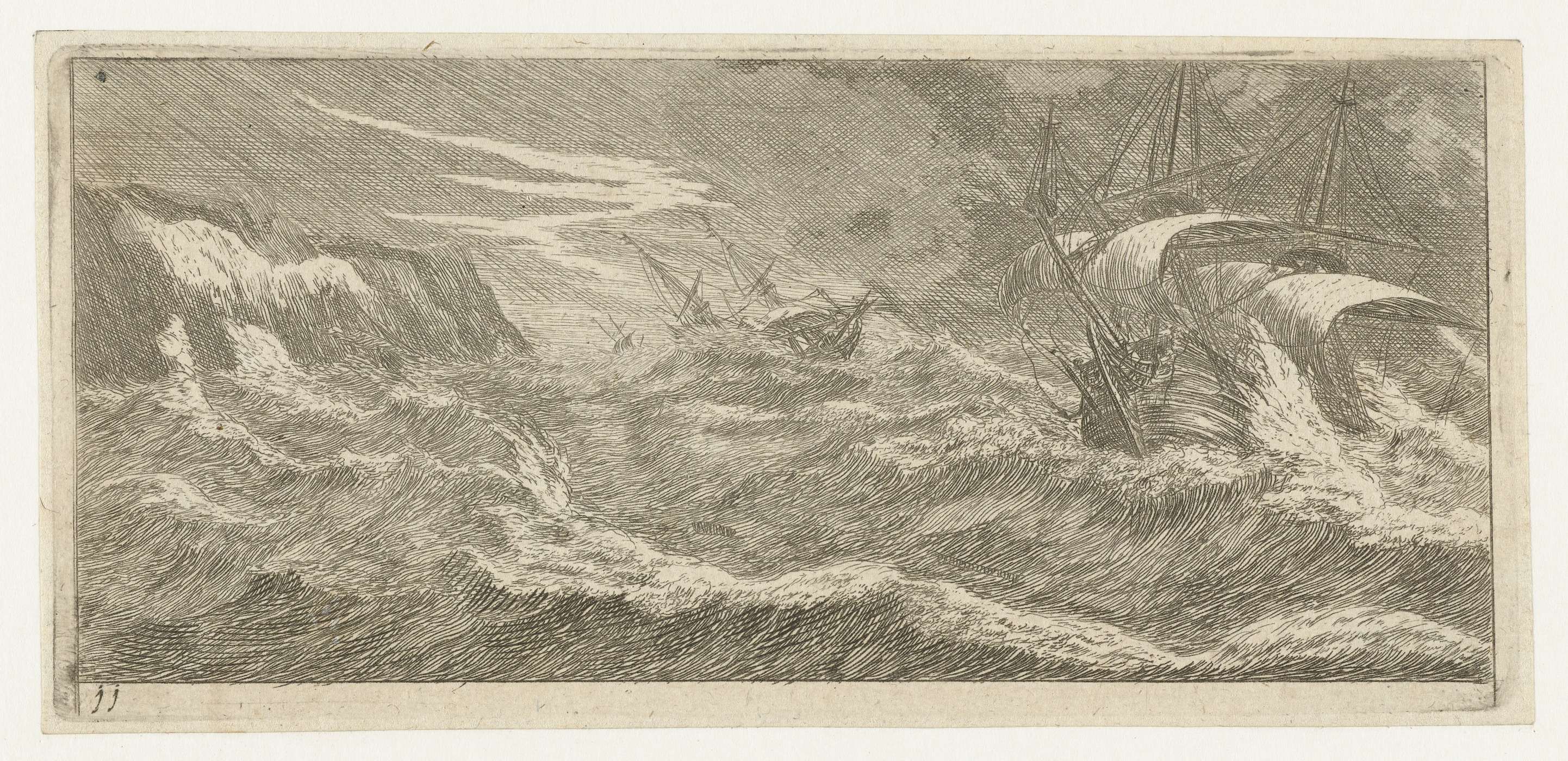
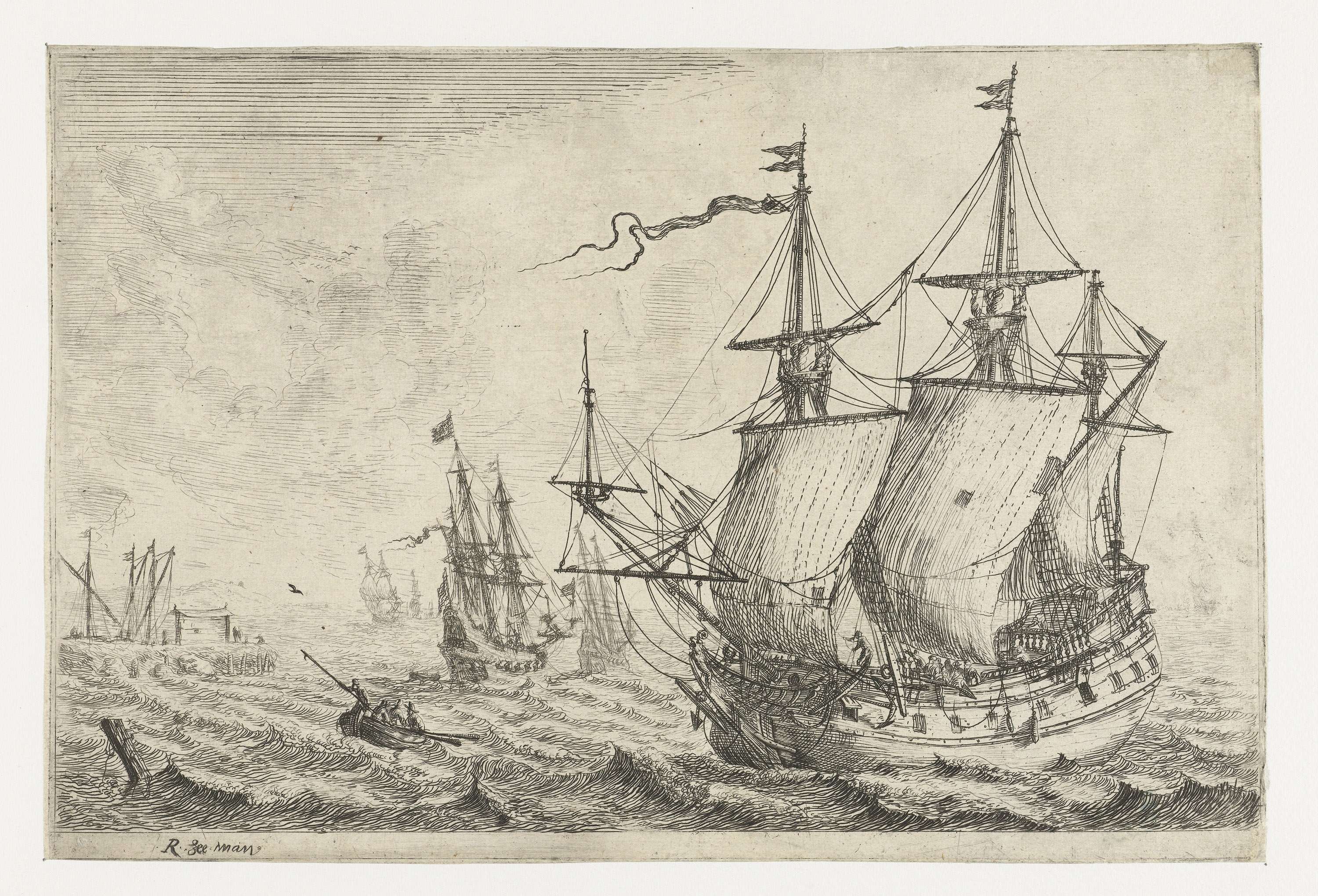
Can paint confess what words never could? In Seascape, the artist unveils a world where tumultuous waves and tranquil horizons vie for harmony, reflecting the delicate balance between chaos and calm. Look to the right at the crashing waves, their crests frothing like wild horses racing towards an unseen shore. Notice how the light plays on the water’s surface, a shimmering dance of blues and greens that evokes both depth and serenity.
The composition guides your gaze across the canvas, leading you from the tumultuous foreground to a horizon that stretches infinitely, inviting contemplation of the vastness beyond. Beneath the surface lies an emotional tension, a juxtaposition of power and stillness. The dynamic movement of the waves contrasts starkly with the serene sky, suggesting a dialogue between nature's fury and its grace. Tiny boats, almost imperceptible, navigate the waters; they symbolize the human struggle against nature, embodying the balance of resilience amidst overwhelming forces.
Each brushstroke conveys the artist's understanding of duality in life, echoing the eternal quest for equilibrium. During the time Seascape was painted, Reinier Nooms found himself in a vibrant artistic community, deeply influenced by the maritime tradition in Dutch painting. The absence of a specific date hints at the artist’s ongoing exploration of themes related to the sea, which was a focal point of his work. The period saw a burgeoning interest in naturalism and atmospheric effects, and Nooms was at the forefront of capturing these elements, embodying both technical mastery and emotional resonance in his art.