Second Beach,Newport — History & Analysis
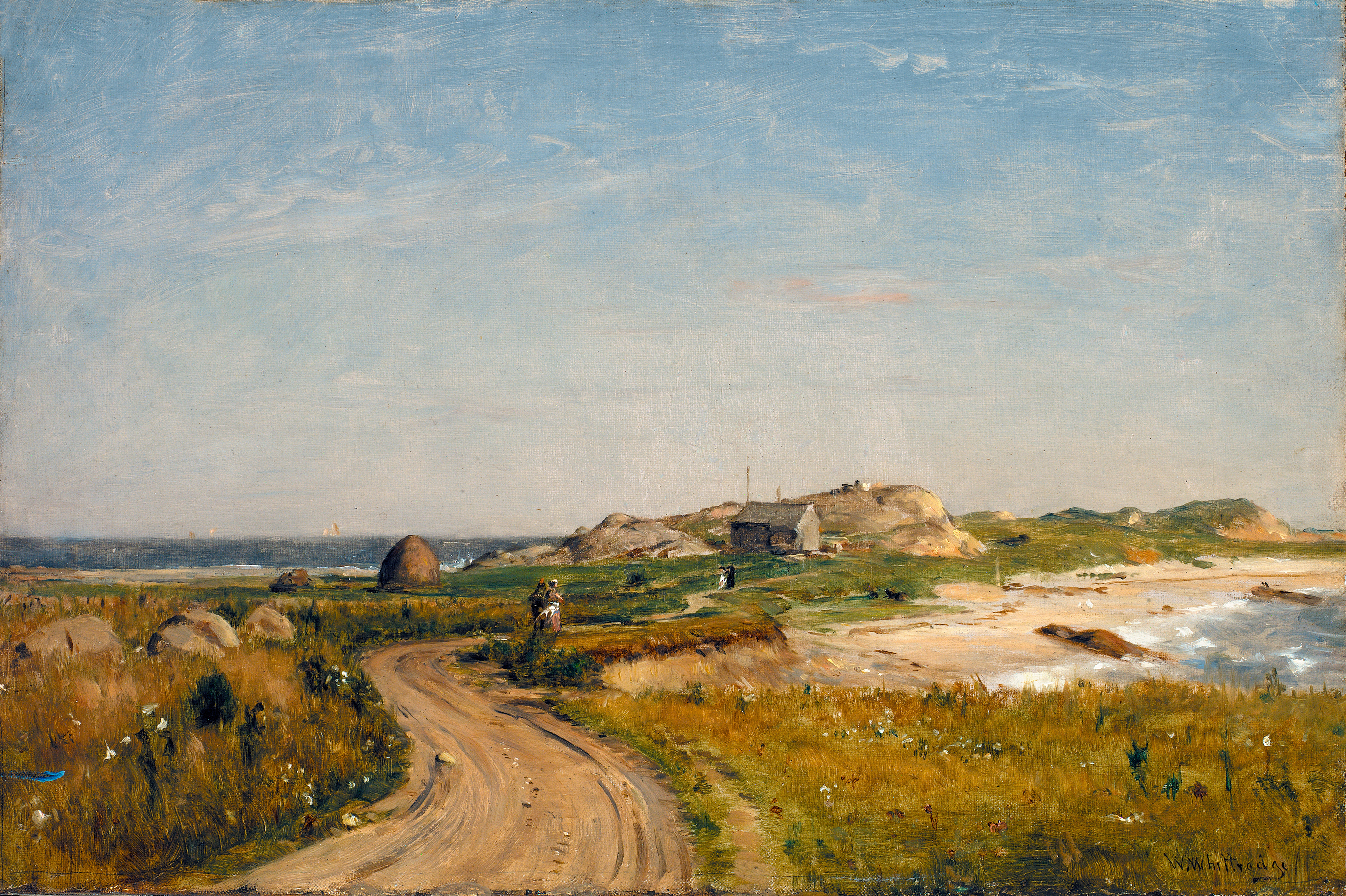
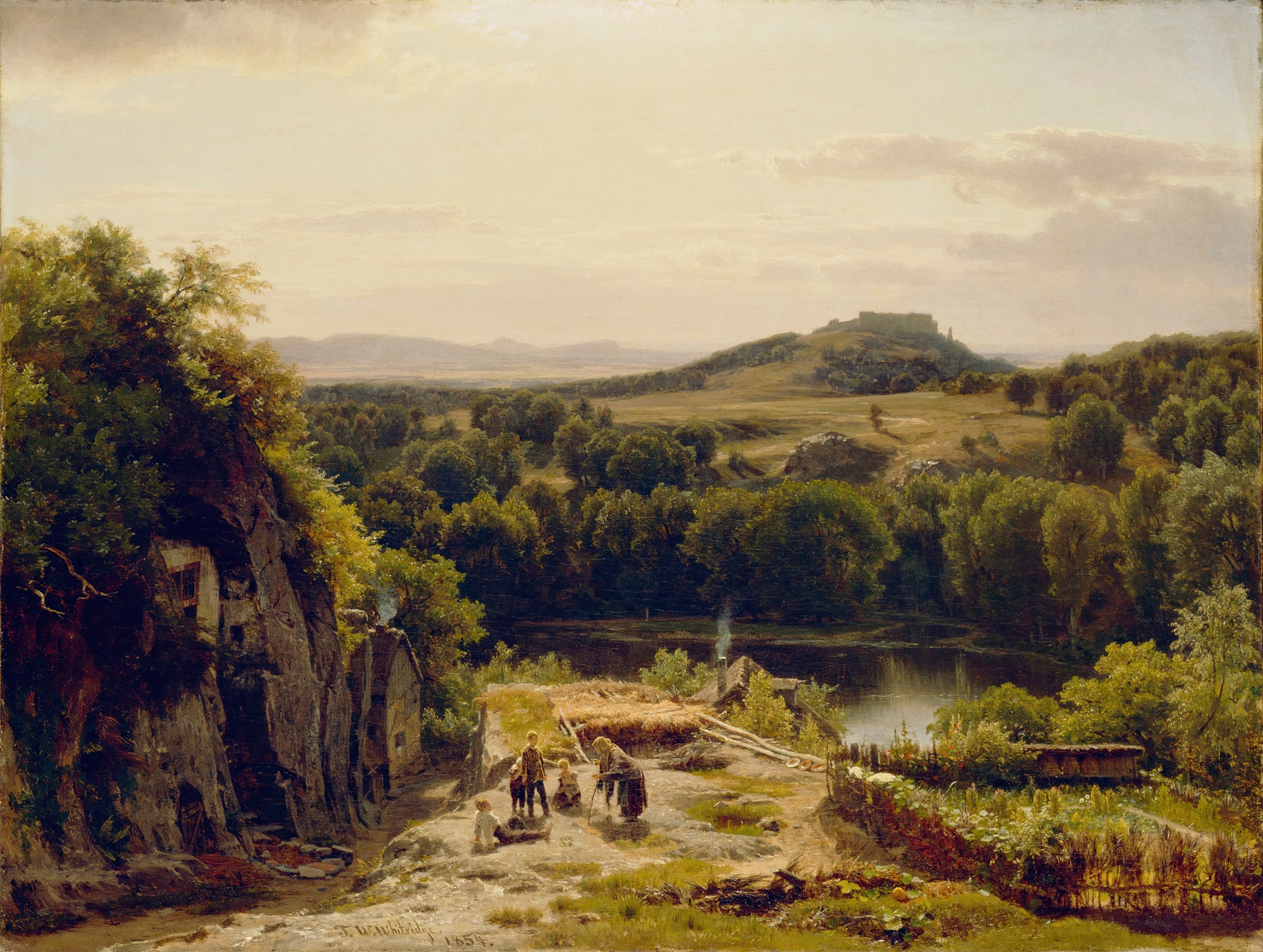
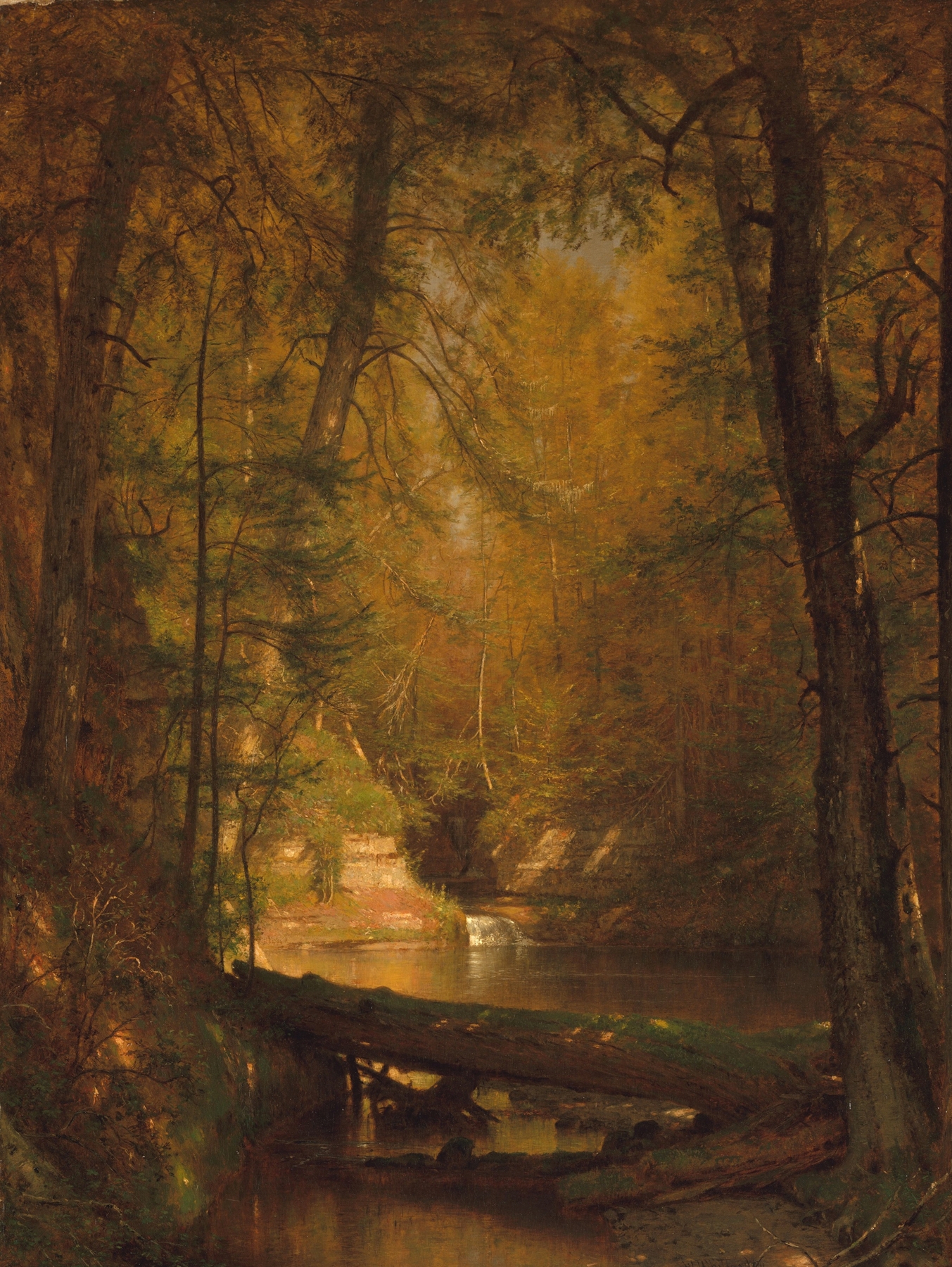
“Every silence here is a confession.” The chaotic beauty of nature can evoke madness in the mind, as it reveals both tranquility and turmoil in equal measure. Look to the left where the gentle waves lap against the rocky shoreline, their rhythmic motion inviting contemplation. The artist’s brush strokes are fluid and expressive, capturing the essence of the sea’s movement with a blend of deep blues and textured whites. Notice how the sunlight bathes the sandy beach in warm tones, contrasting sharply with the cooler shadows that creep along the water's edge, suggesting an interplay of serenity and underlying chaos.
In this seascape, a sense of duality emerges; the calmness of the beach belies an unseen tension in the crashing waves that threaten the shore. The distant cliffs loom like sentinels, evoking a feeling of isolation that speaks to the madness that can lurk even in moments of beauty. The soft, almost hesitant brushwork also hints at uncertainty, prompting the viewer to ponder the emotional weight behind such serene vistas.
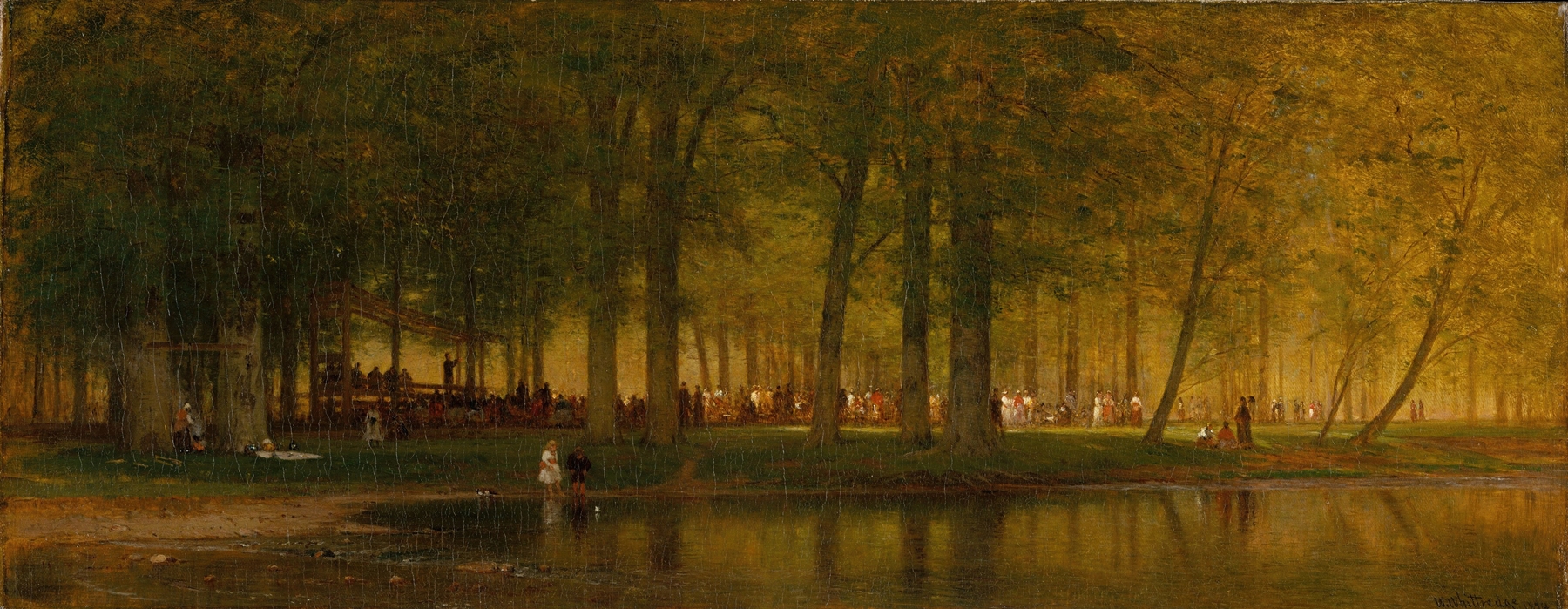
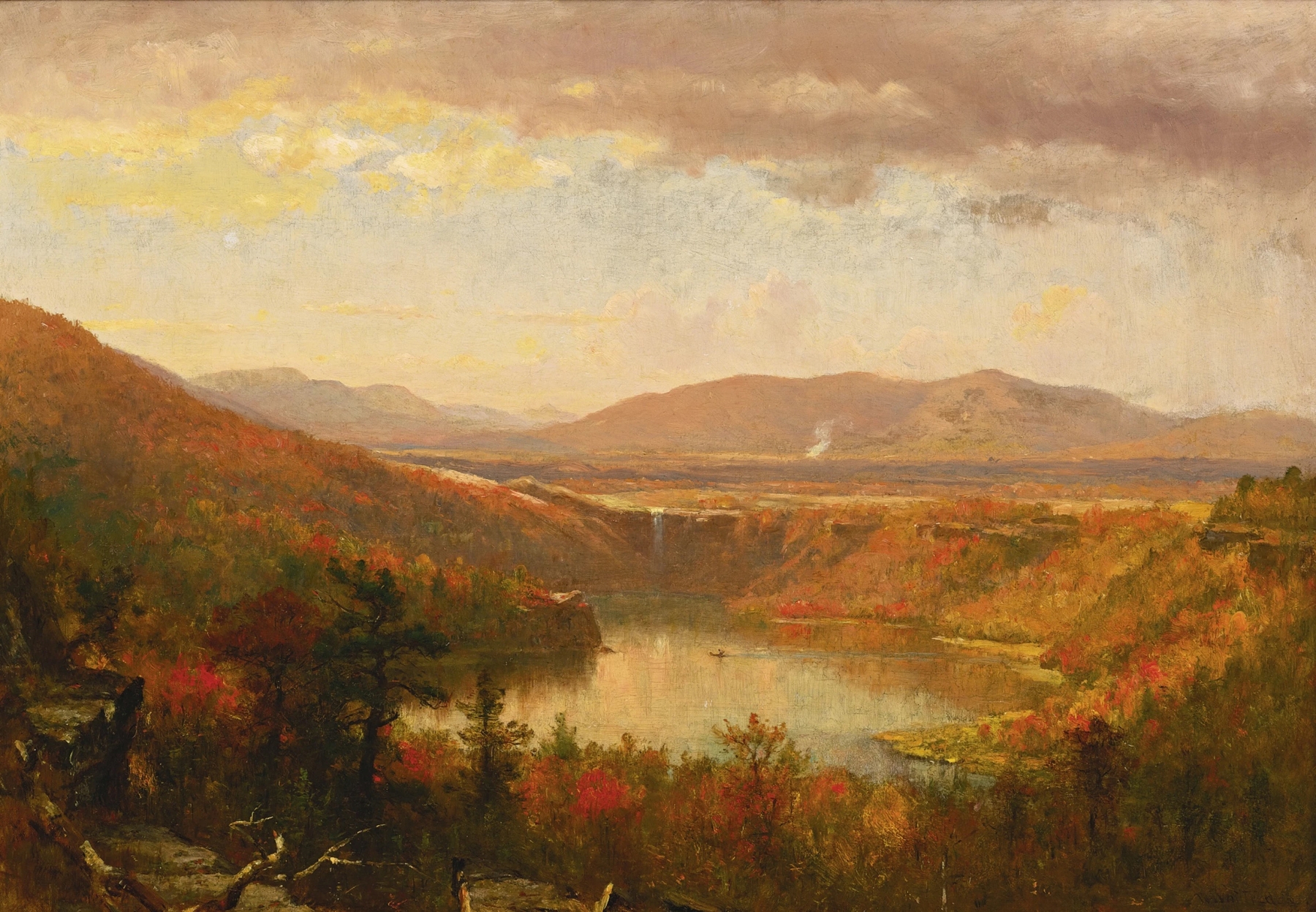
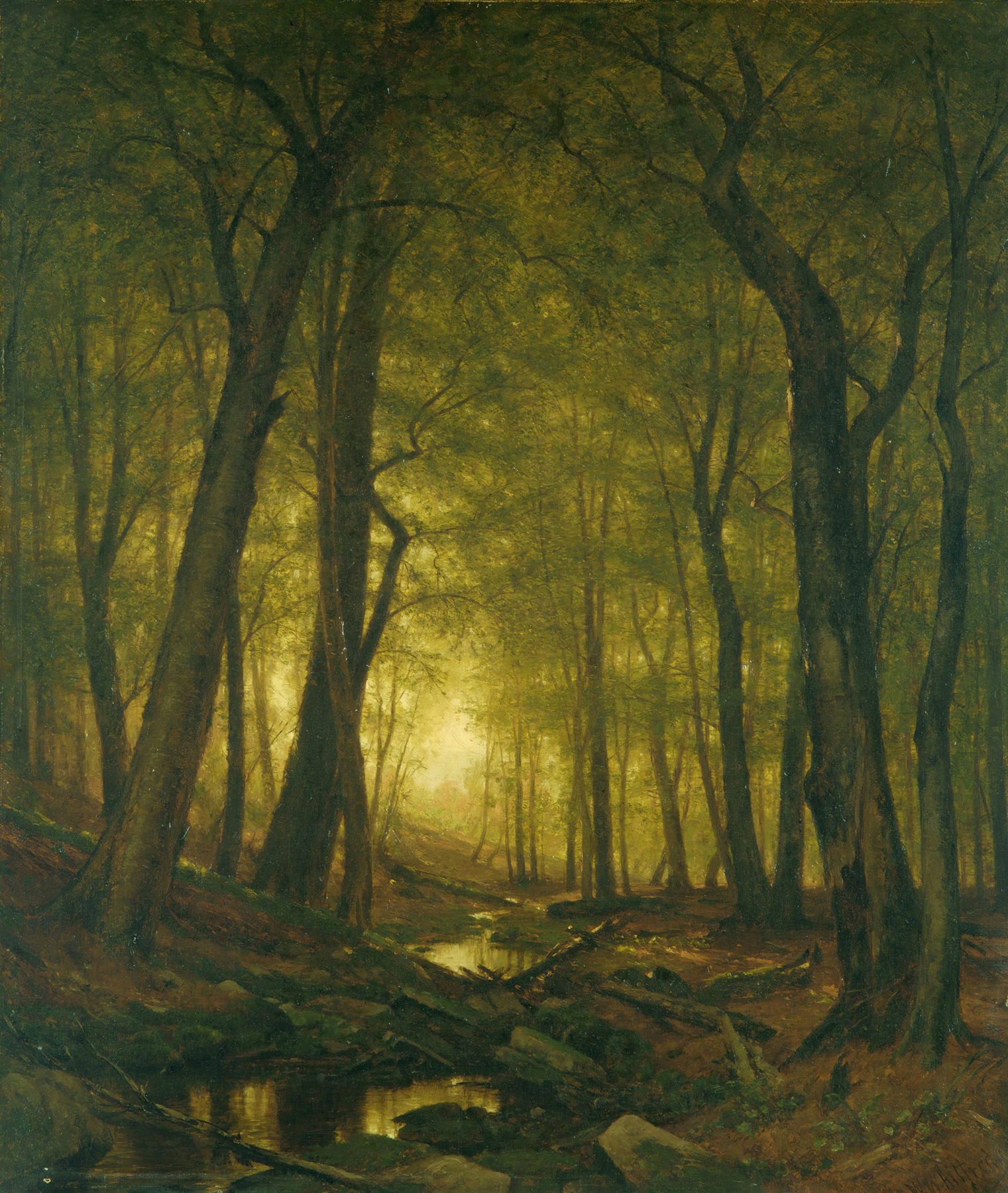
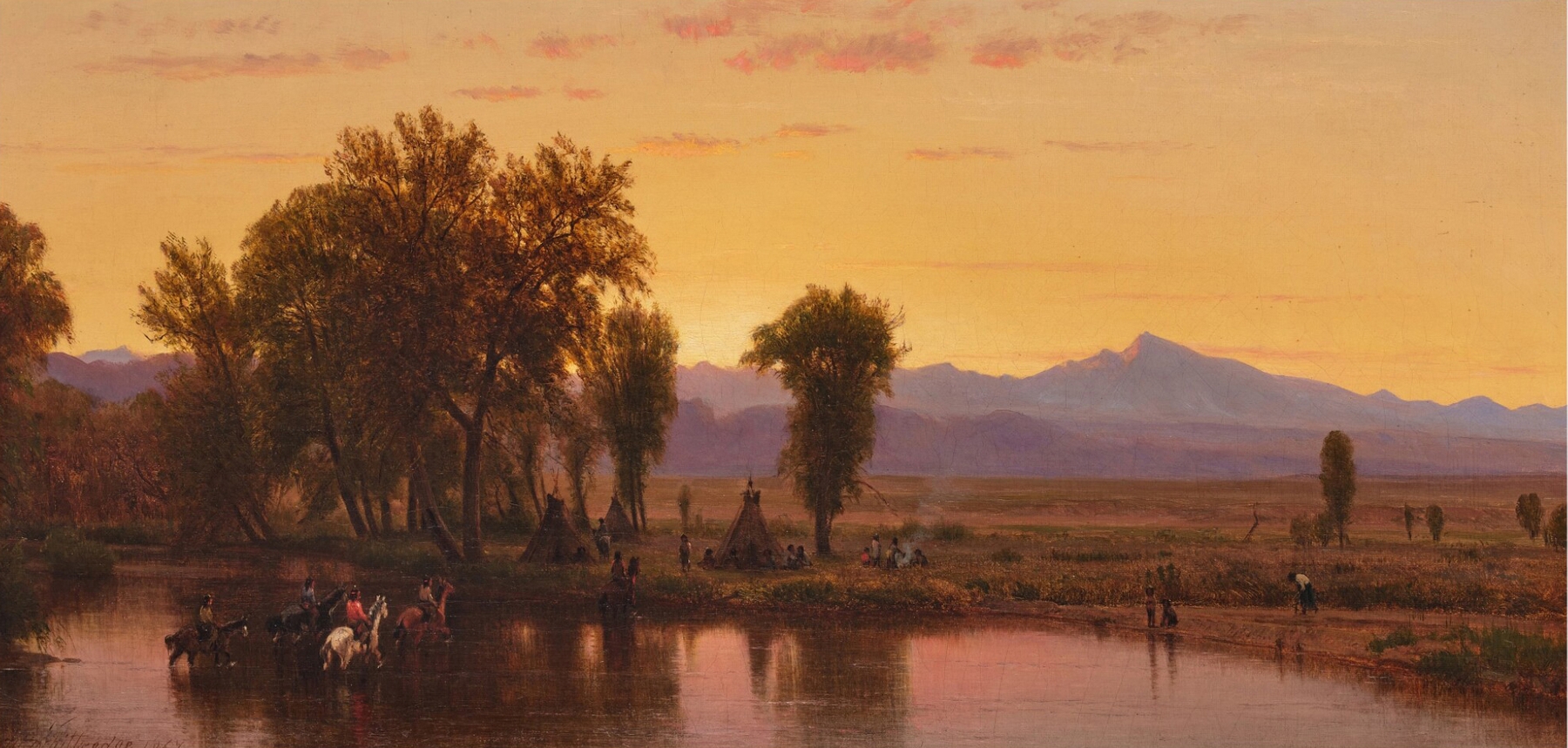
During the late 19th century, Worthington Whittredge painted Second Beach, Newport while immersed in the Hudson River School movement, known for its reverent approach to nature. This period, marked by a burgeoning appreciation for the American landscape, saw him exploring both the picturesque and the sublime. His work reflects a personal journey, grappling with his artistic identity while responding to the changing tides of both nature and art itself.