Section near the Lime Kiln with a View towards Copenhagen — History & Analysis
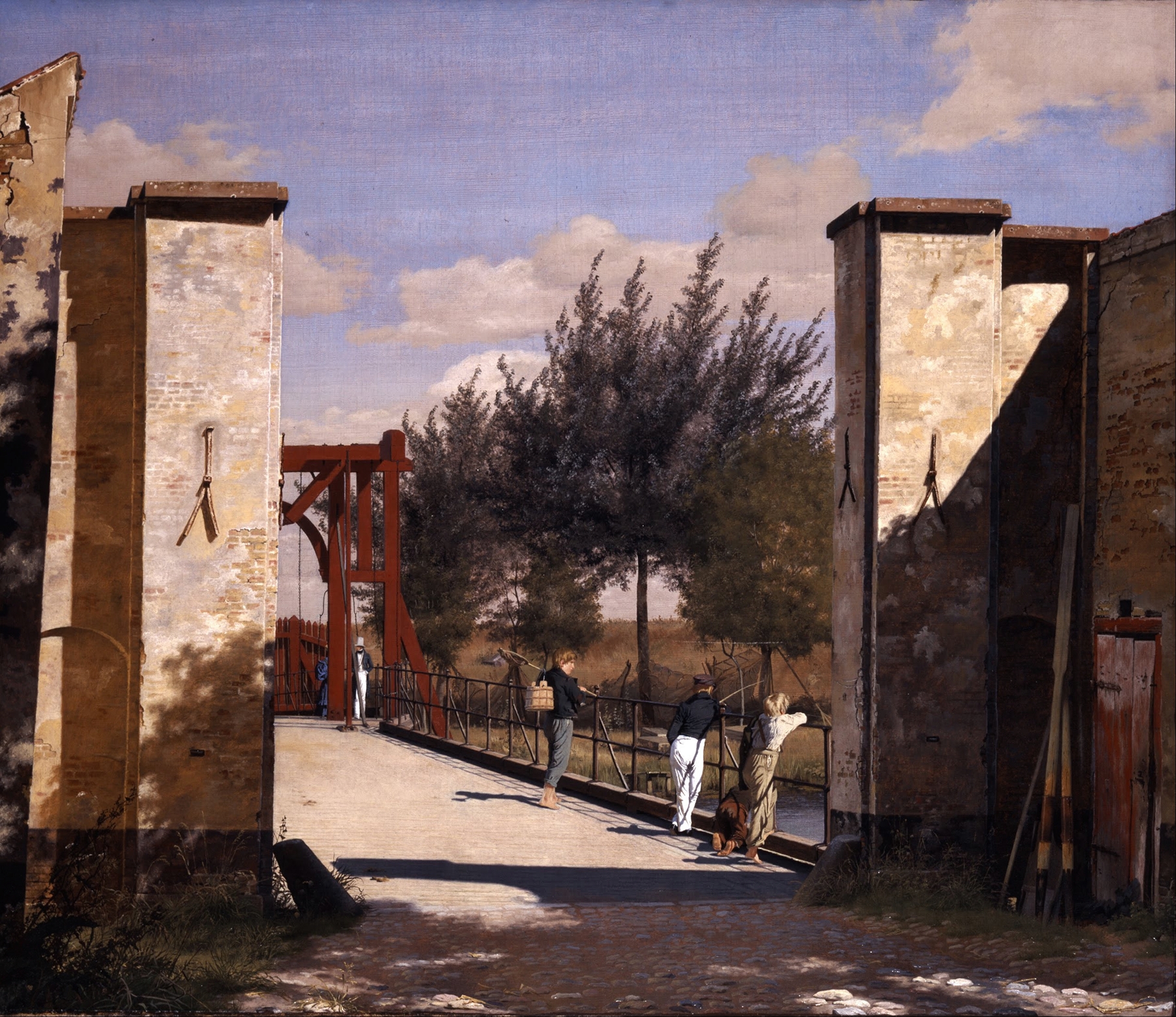
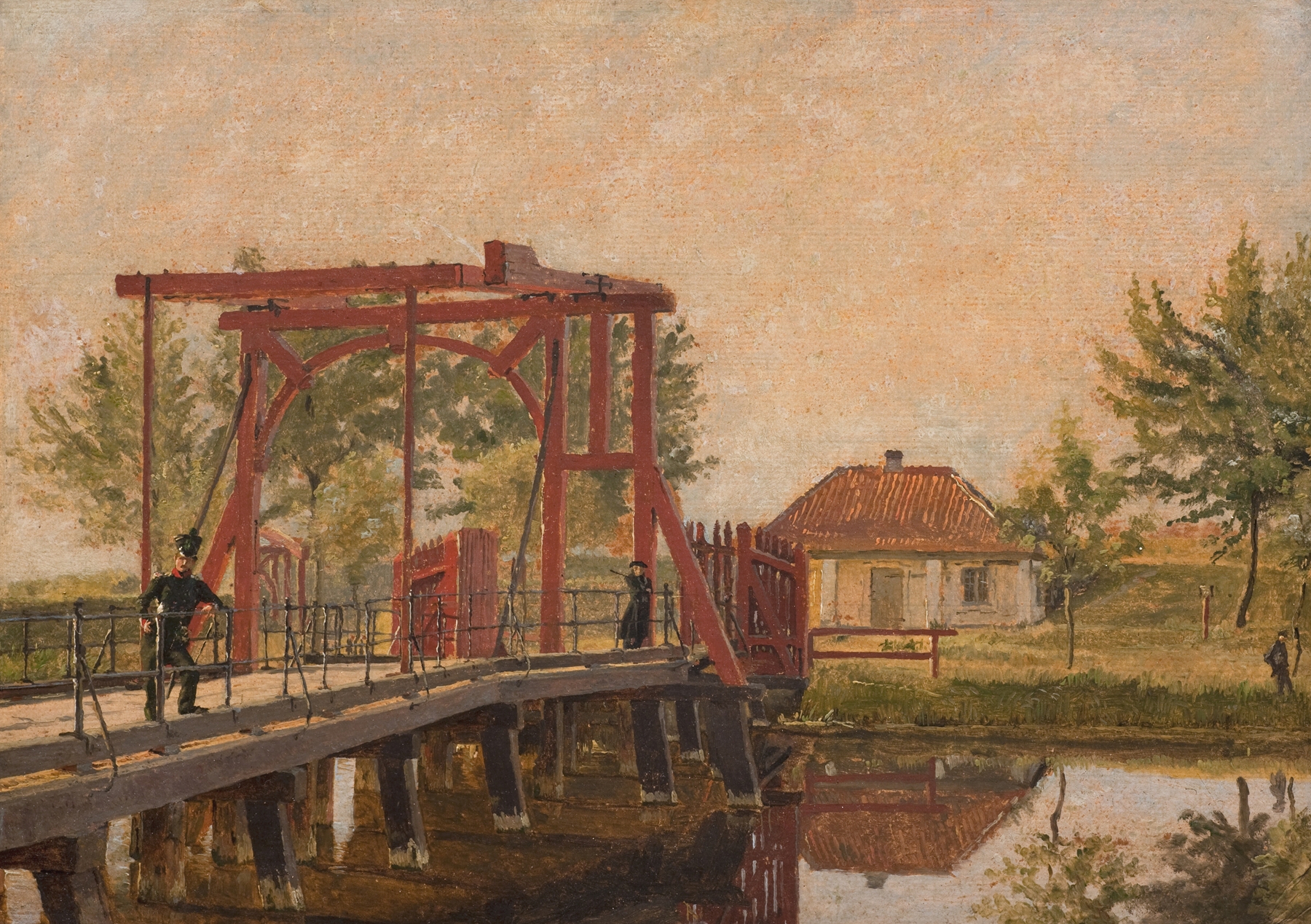
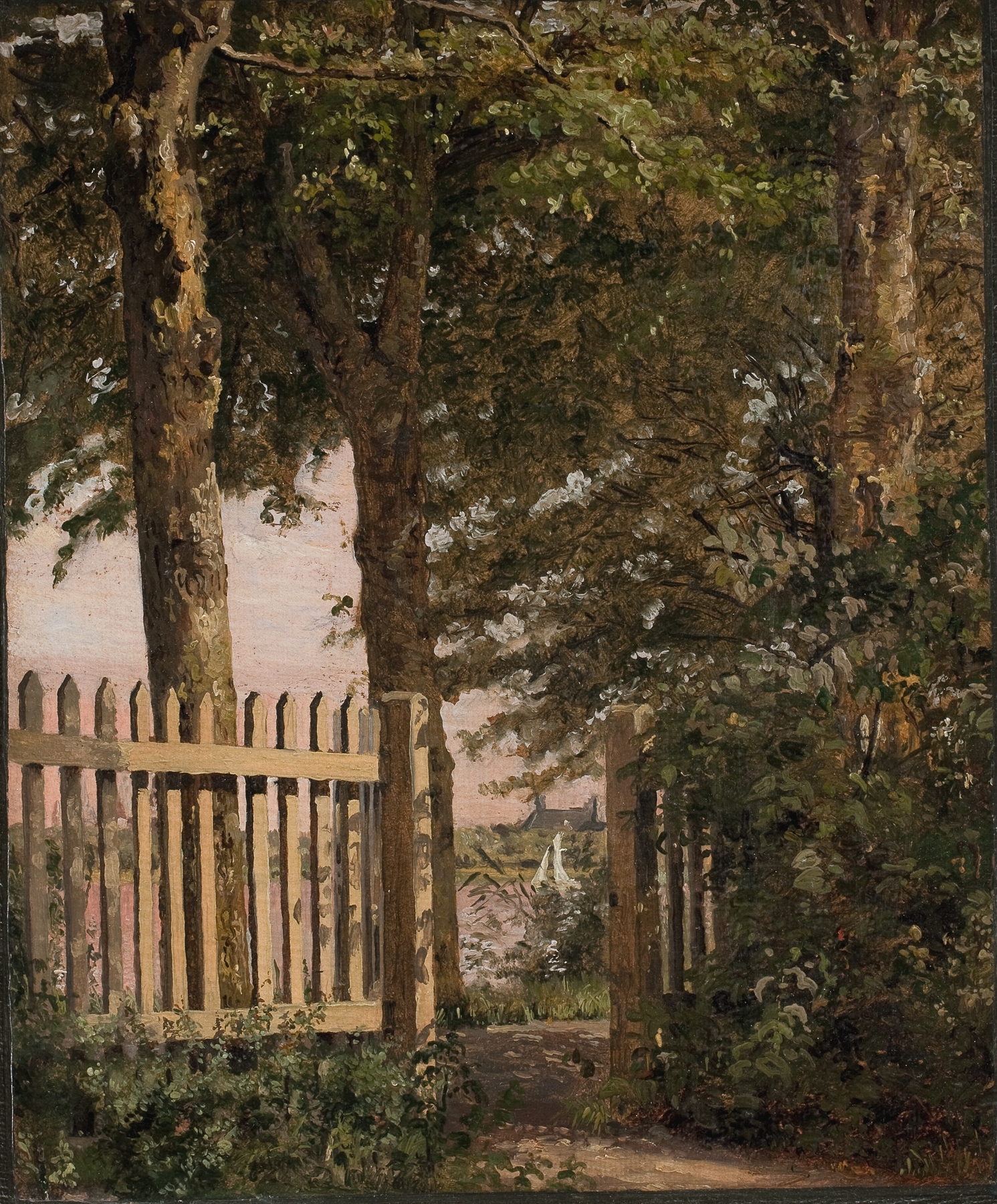
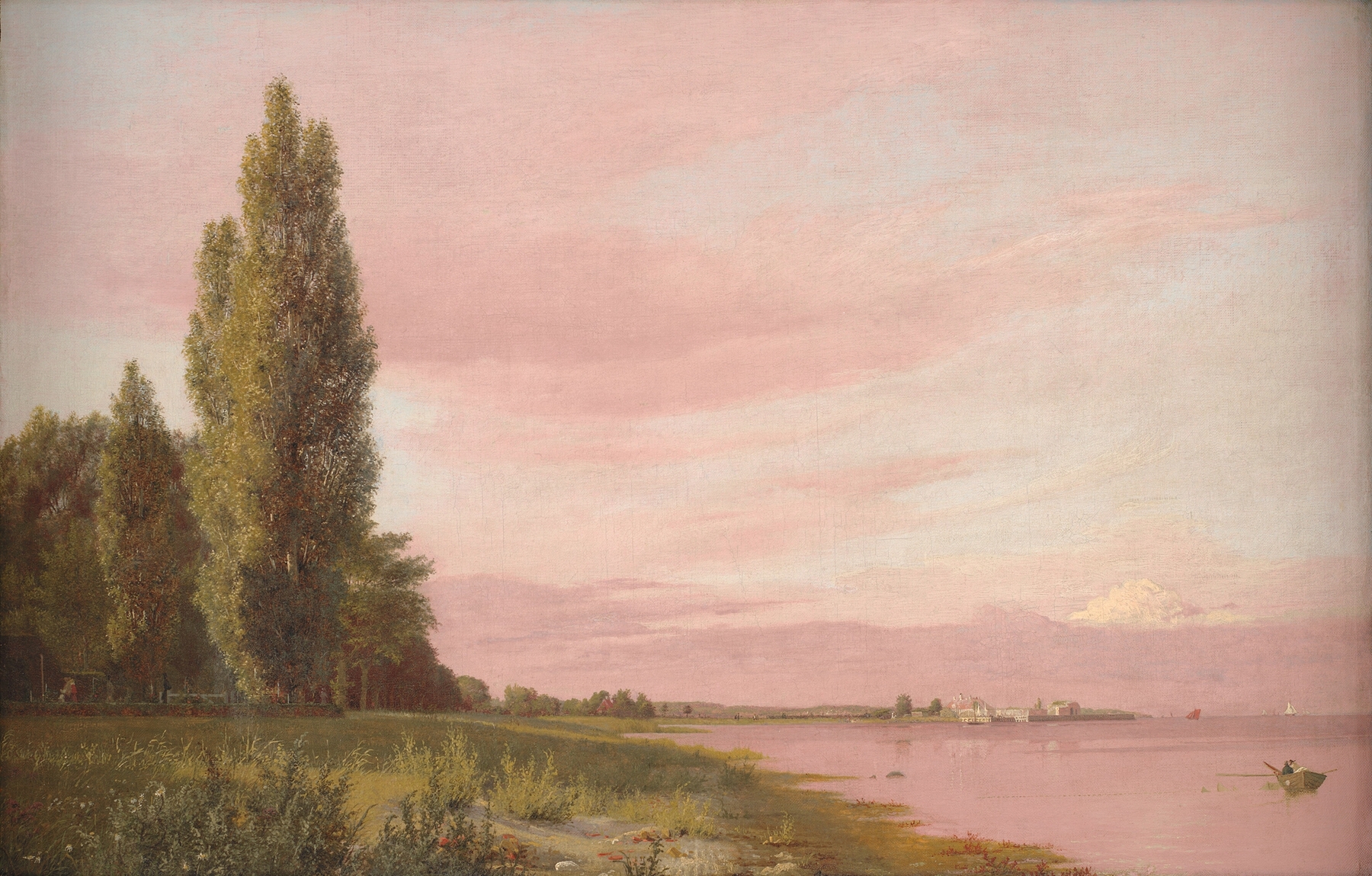
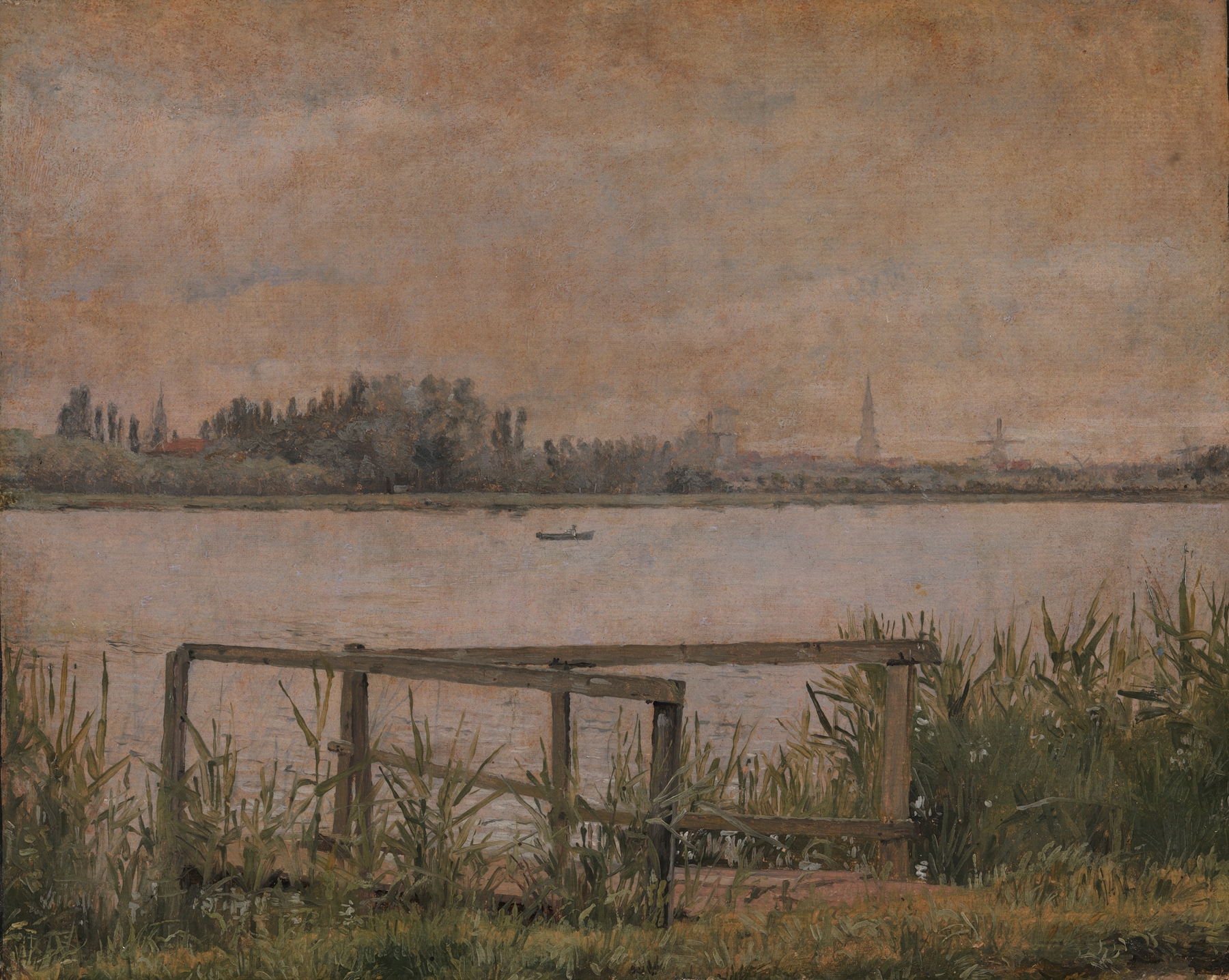
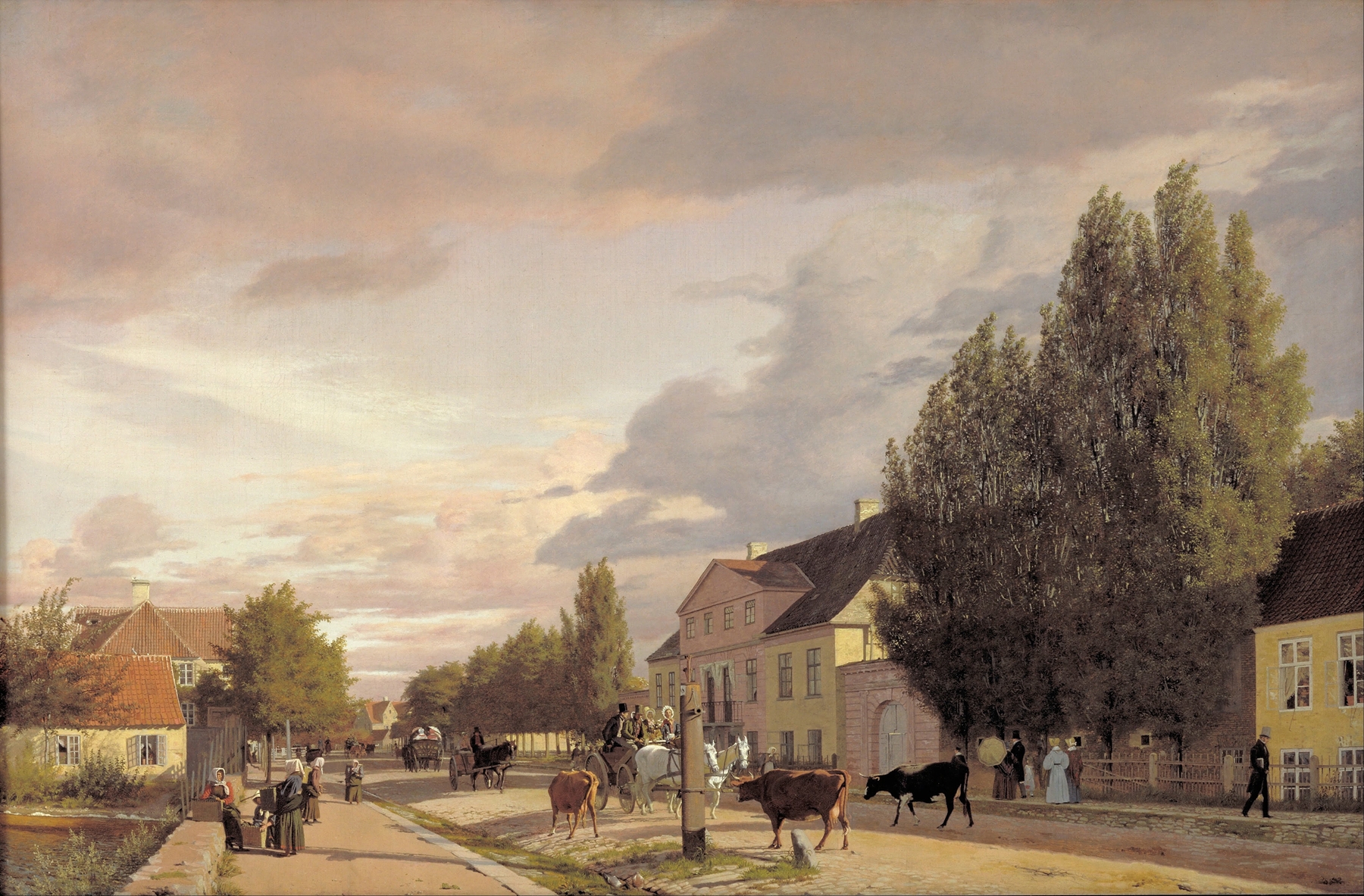
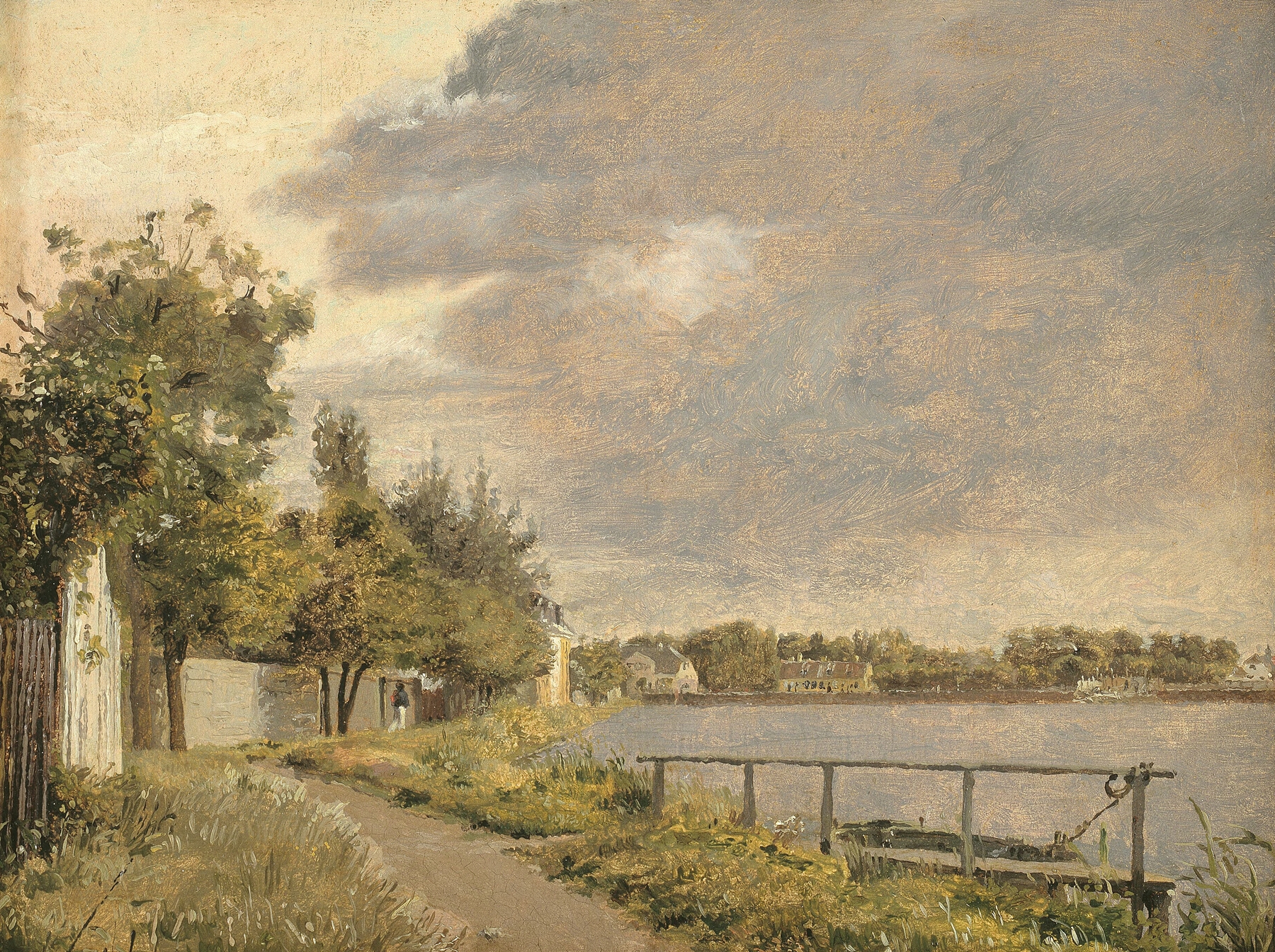
Can beauty exist without sorrow? In the quietude of Section near the Lime Kiln with a View towards Copenhagen, the blurred lines between the pastoral and the profound echo this poignant question. Look to the left where the soft span of the landscape unfolds, revealing gentle hills rolling towards the horizon. The cool greens and muted browns invite the eye to wander toward the distant skyline of Copenhagen, where the buildings stand as silent witnesses to history.
Notice how the light dances across the surface of the lime kiln, illuminating its rough texture and hinting at the labor that shaped the scene, creating a contrast with the serene atmosphere that surrounds it. Amidst this tranquil vista lies an undercurrent of conflict. The lime kiln, a symbol of industry and revolution, juxtaposes the idyllic setting, suggesting a tension between progress and nature. The distant city, partially obscured by haze, reflects the looming changes of the era—an impending transformation in both society and art.
The painting captures the delicate balance of beauty and disruption, reminding us that even the most serene landscapes carry the weight of history. In 1836, Christen Købke painted this work during a time of significant change in Denmark, marked by social upheaval and a growing national consciousness. The artist was rooted in the Romantic tradition, yet he embraced realism, capturing the world around him with precision and sentiment. His personal reflections on the landscape mirrored the broader artistic movements of his time, as Europe grappled with ideas of identity and progress.