The Garden Gate of the Artist’s Home at Blegdammen — History & Analysis
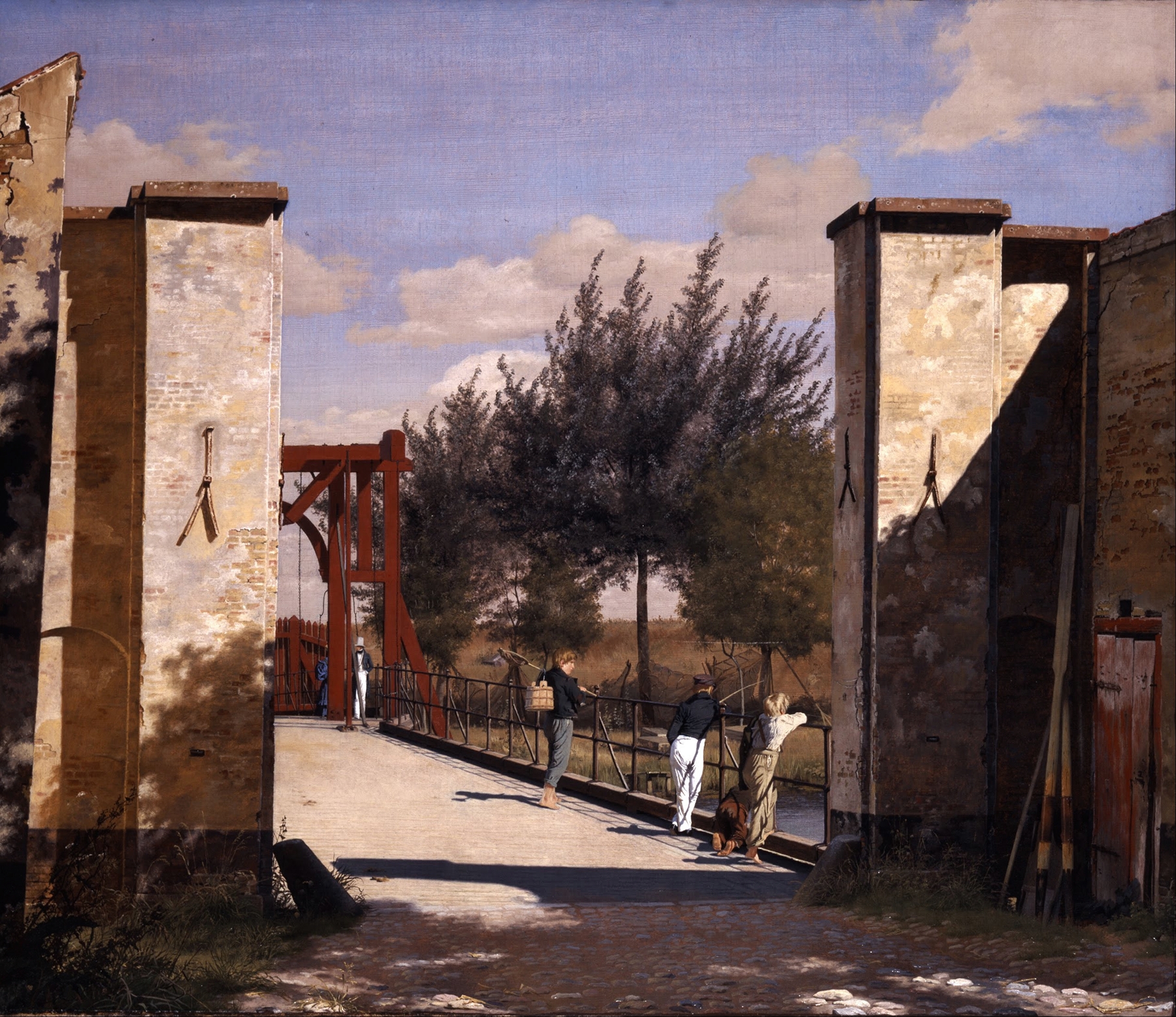
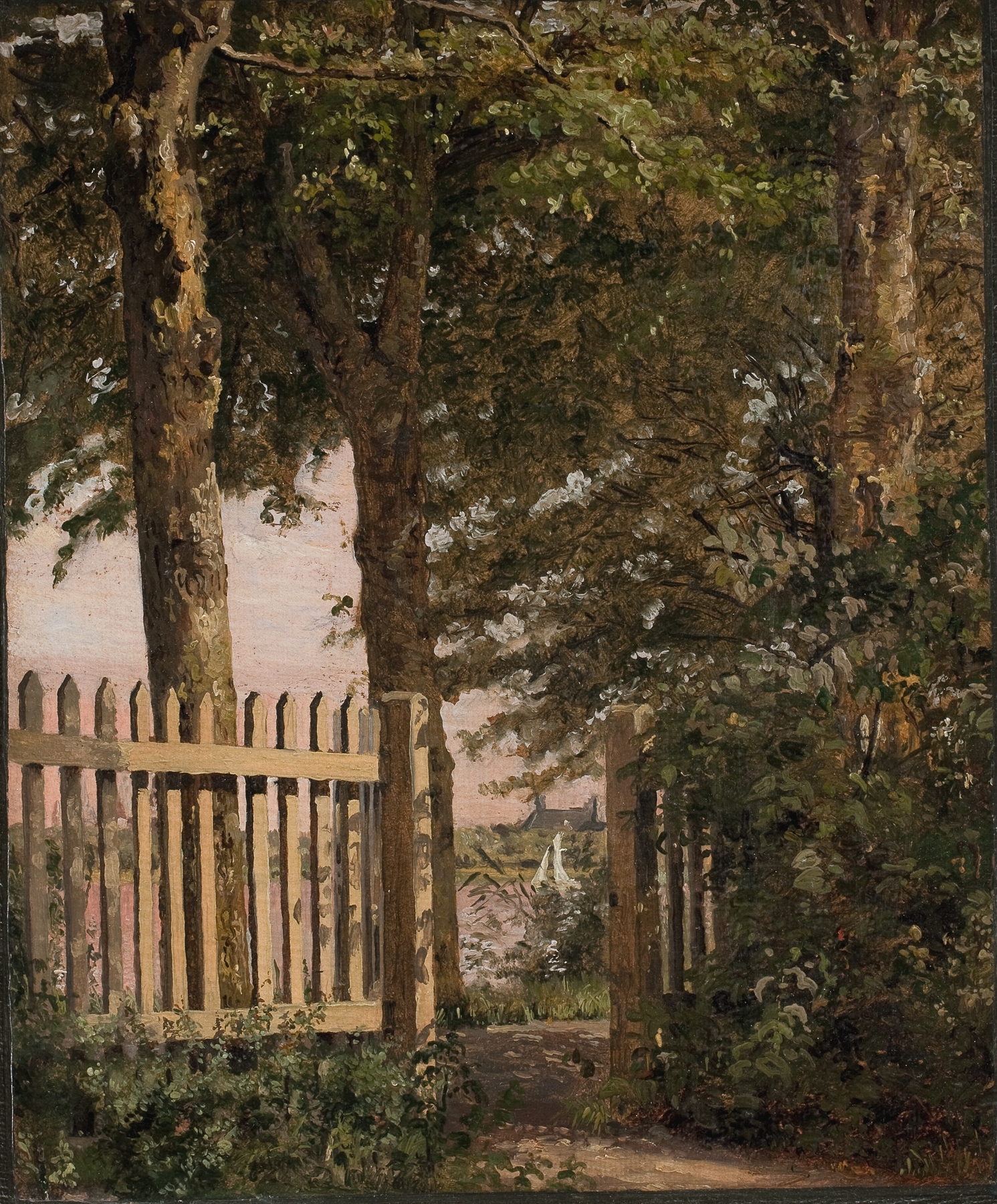
A gentle breeze stirs the leaves of an old garden, where a solitary figure stands framed in the archway of a wrought-iron gate. Sunlight filters through the foliage, casting dappled shadows on the cobblestone path, while the scent of blooming flowers carries an air of nostalgia. The artist, poised in quiet contemplation, seems caught between the vibrancy of life outside and a deeper longing that lingers within. Look to the left at the vibrant greens of the garden, where meticulous brushstrokes bring every leaf and petal to life.
Notice how the light falls upon the weathered gate, highlighting its ornate details, which echo the artist's own personal journey. The muted palette of soft earth tones juxtaposes the lively colors of the garden, evoking a sense of tranquility intertwined with introspection. Within this serene moment lies a poignant tension, as the gate symbolizes both an entrance into the beauty of the world and a barrier to the artist’s own emotions. The delicate play of light and shadow enhances this duality, suggesting that the joy of the garden exists side by side with the artist's melancholy.
Each stroke hints at the fleeting nature of happiness, capturing a bittersweet sentiment that resonates universally. Created between 1843 and 1844, this work reflects Christen Købke's life during a period of personal introspection and artistic exploration in Denmark. At the time, he was deeply engaged with the Romantic movement, channeling the era’s emphasis on emotion and nature into his paintings. The garden gate stands as a testament to both his outward journey as an artist and his inner emotional landscape, highlighting the coexistence of beauty and longing in the human experience.