View of a Street in Østerbro outside Copenhagen. Morning Light — History & Analysis
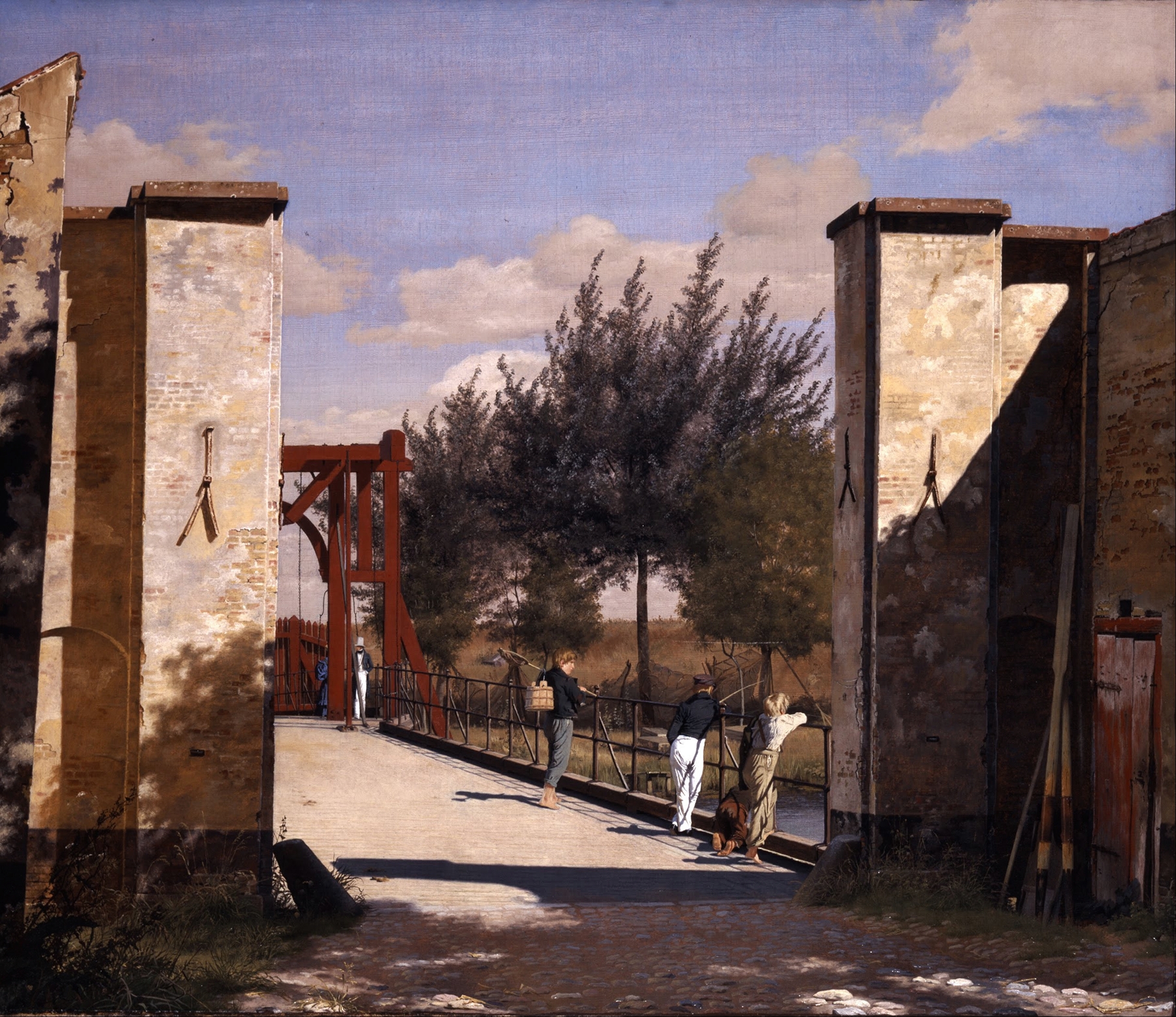
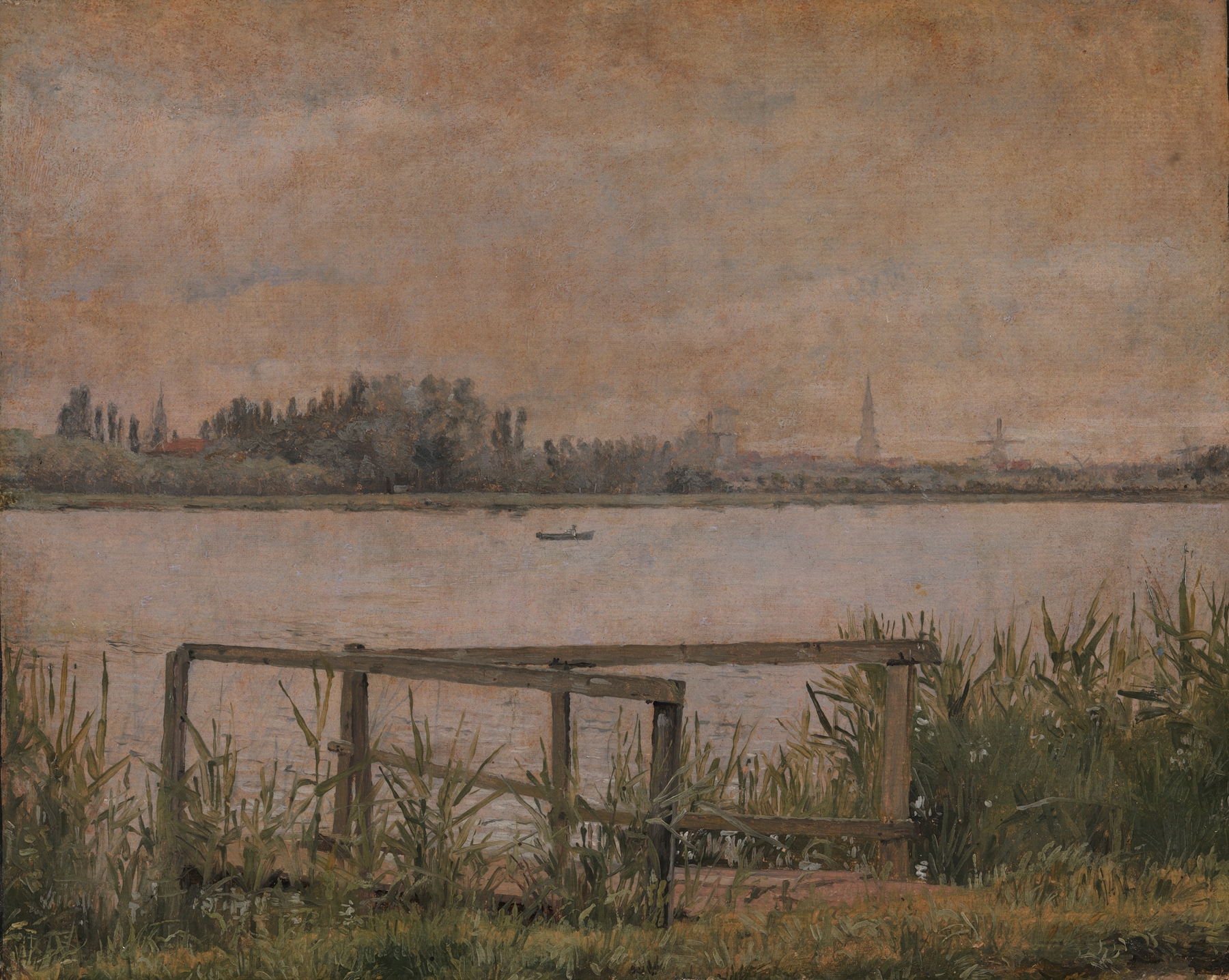
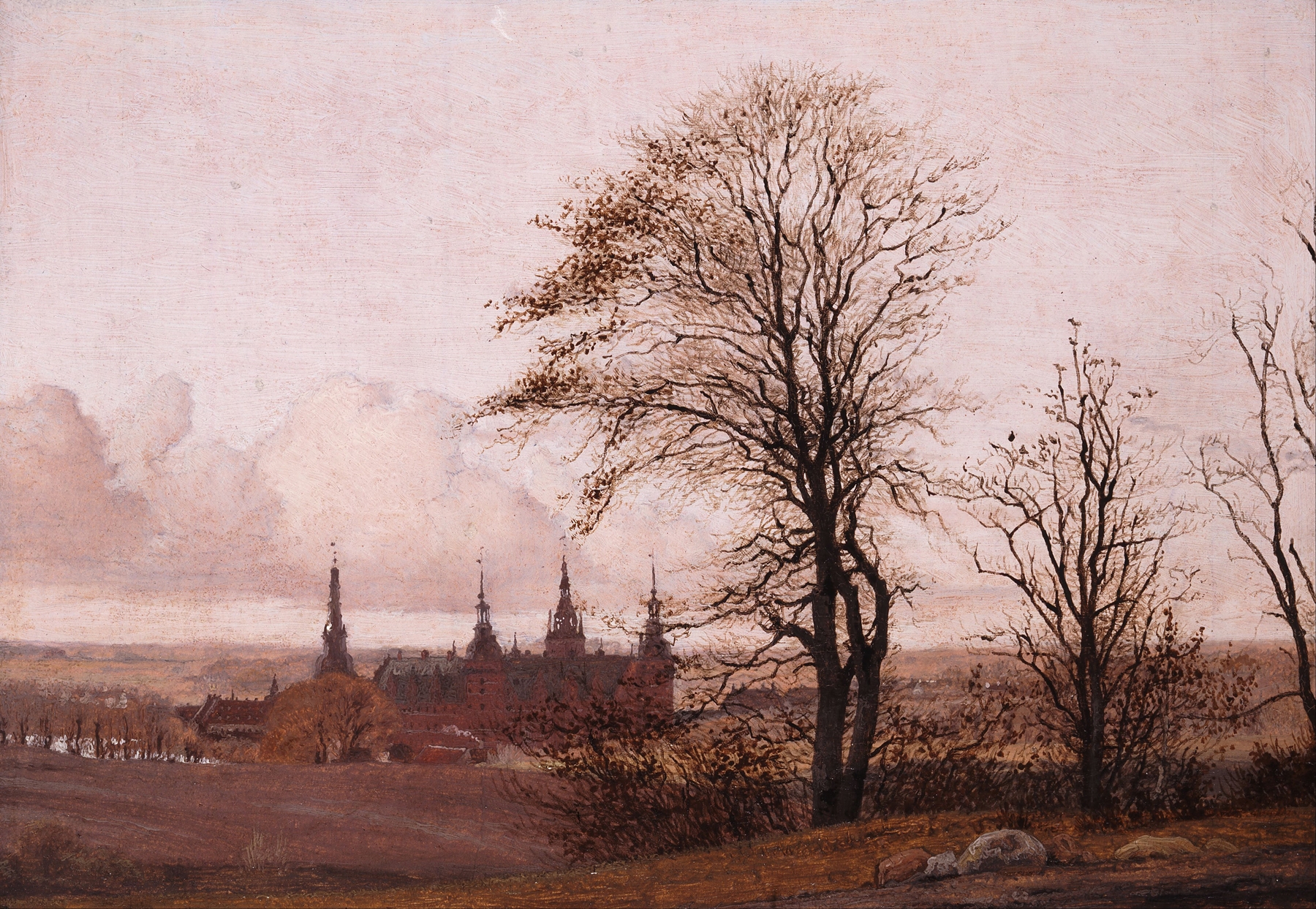
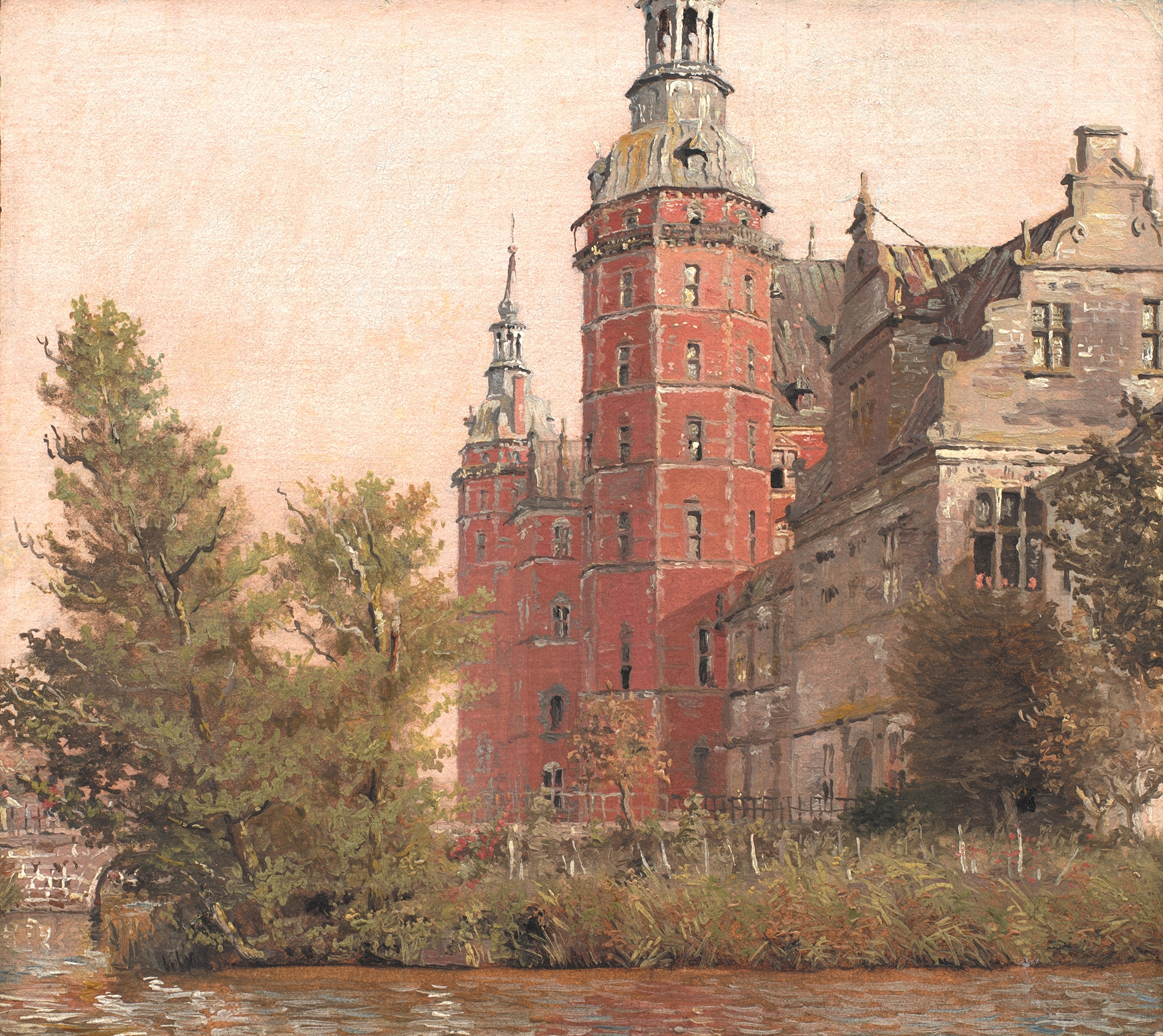
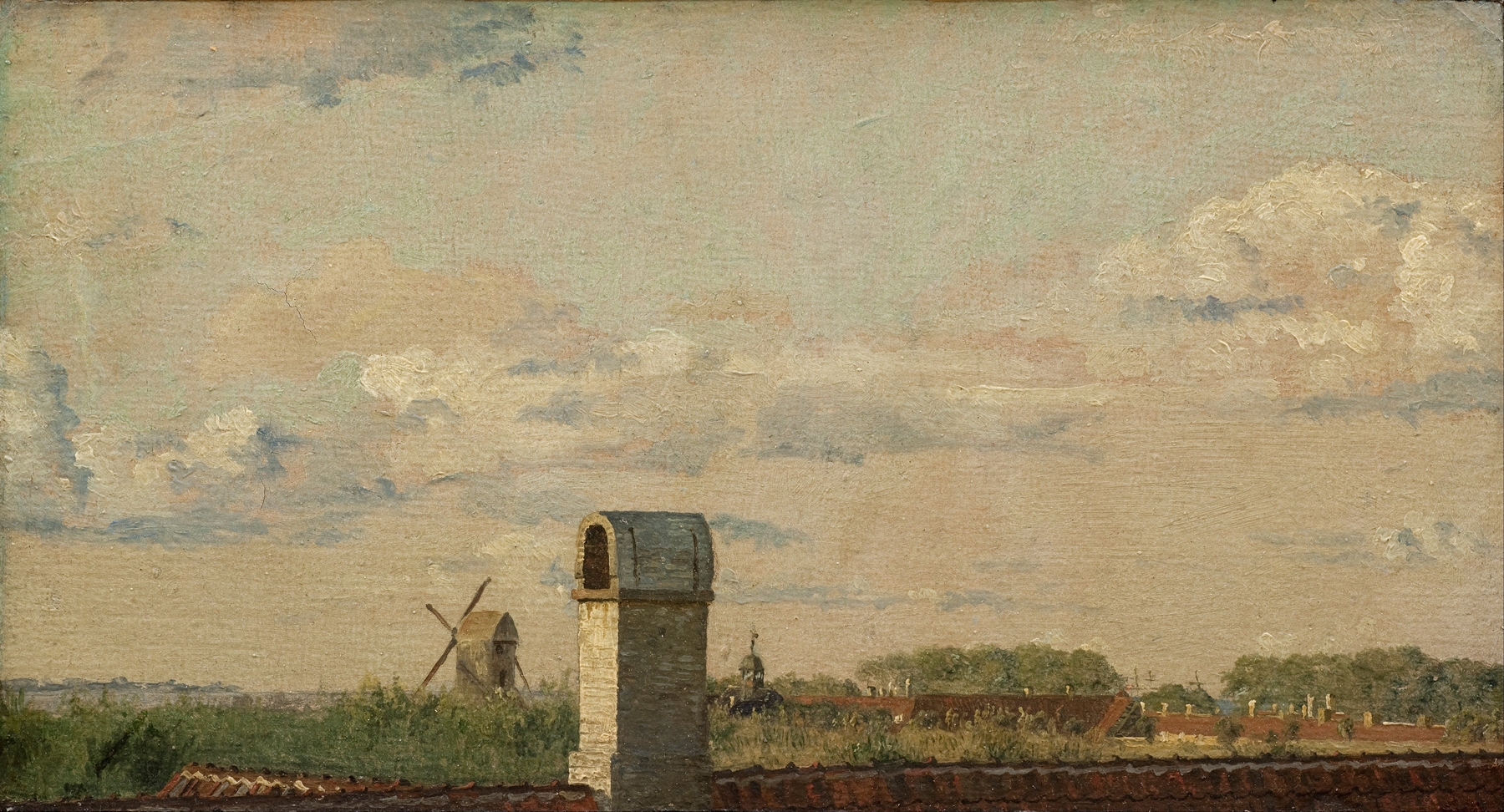
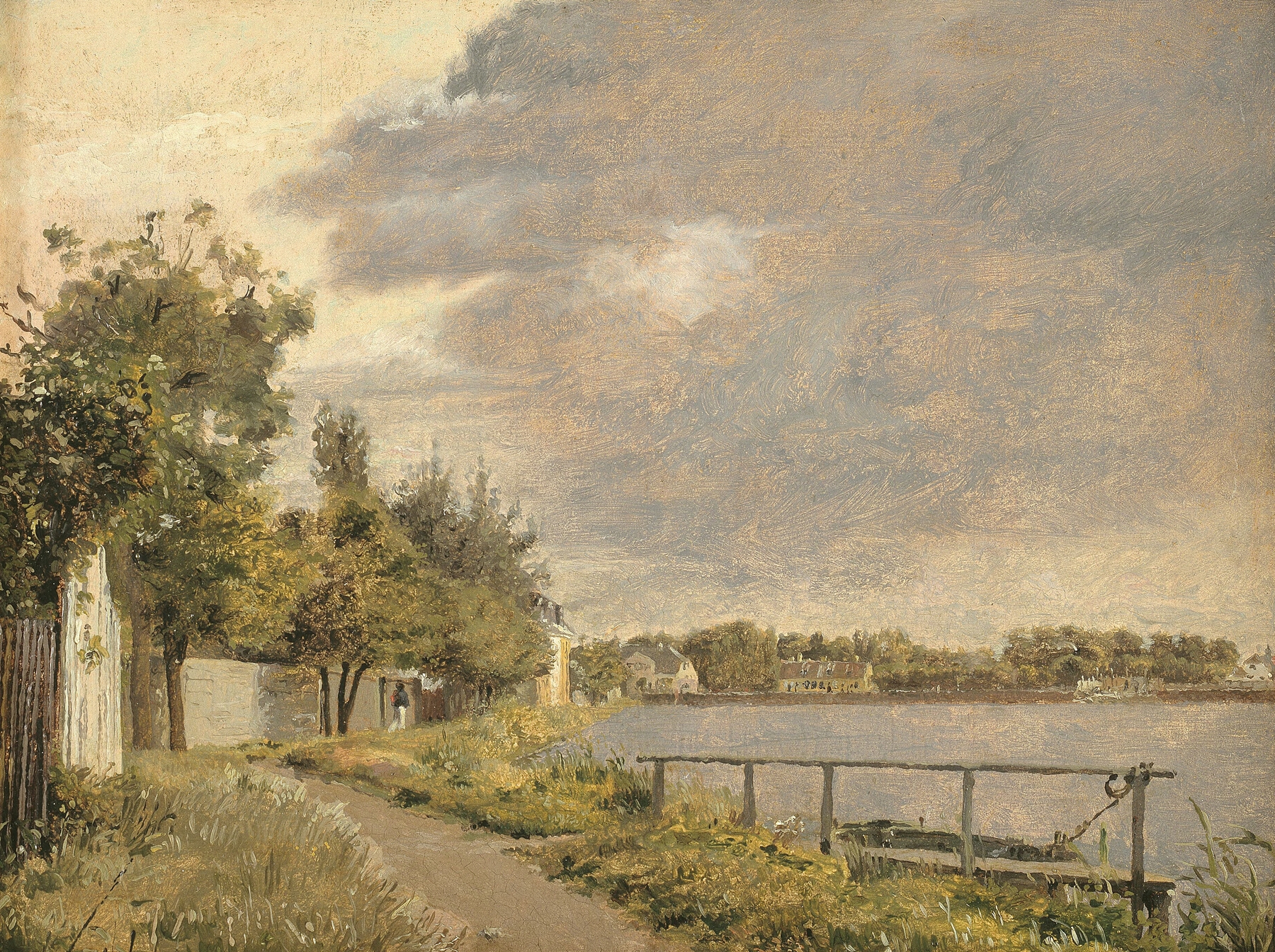
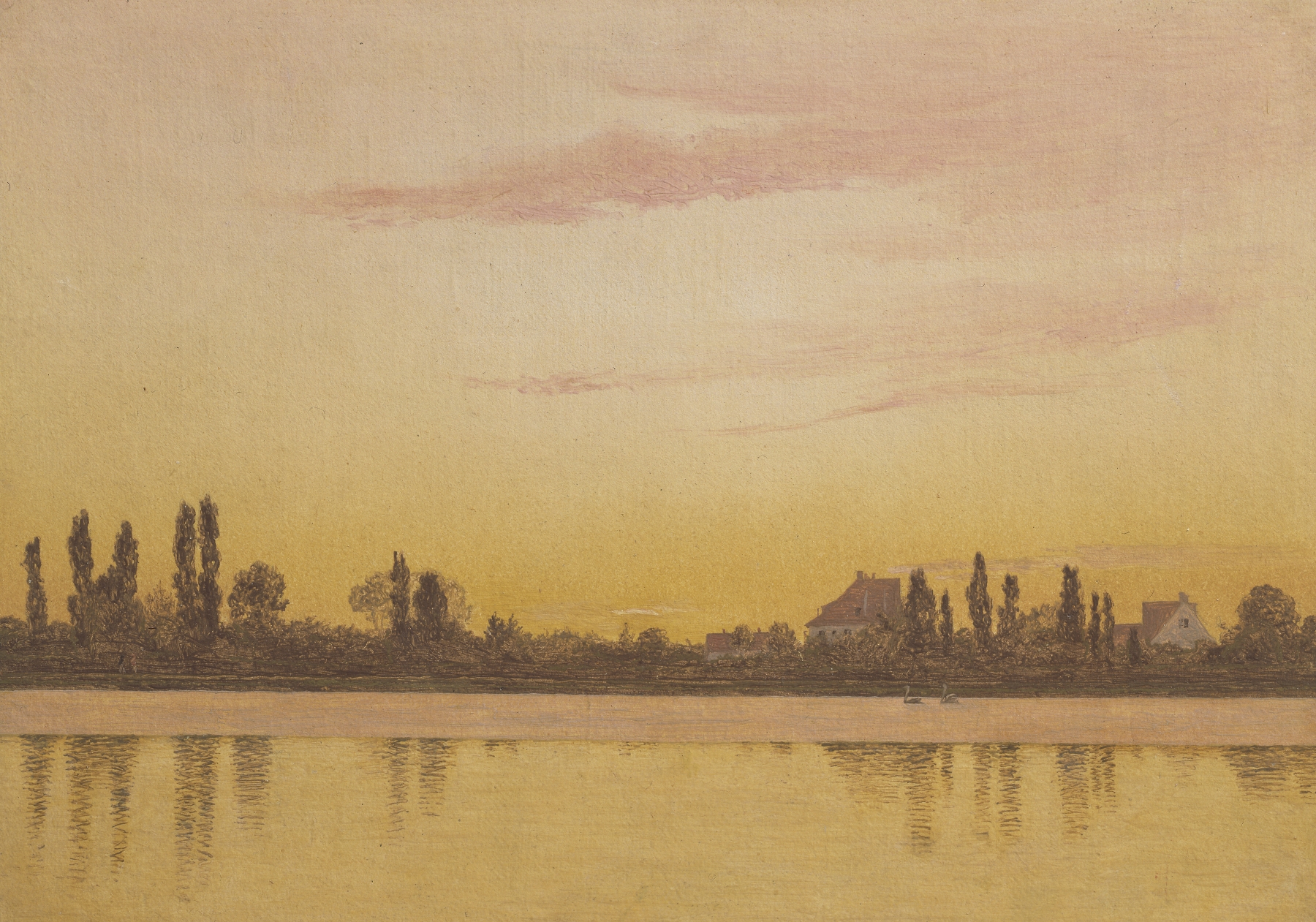
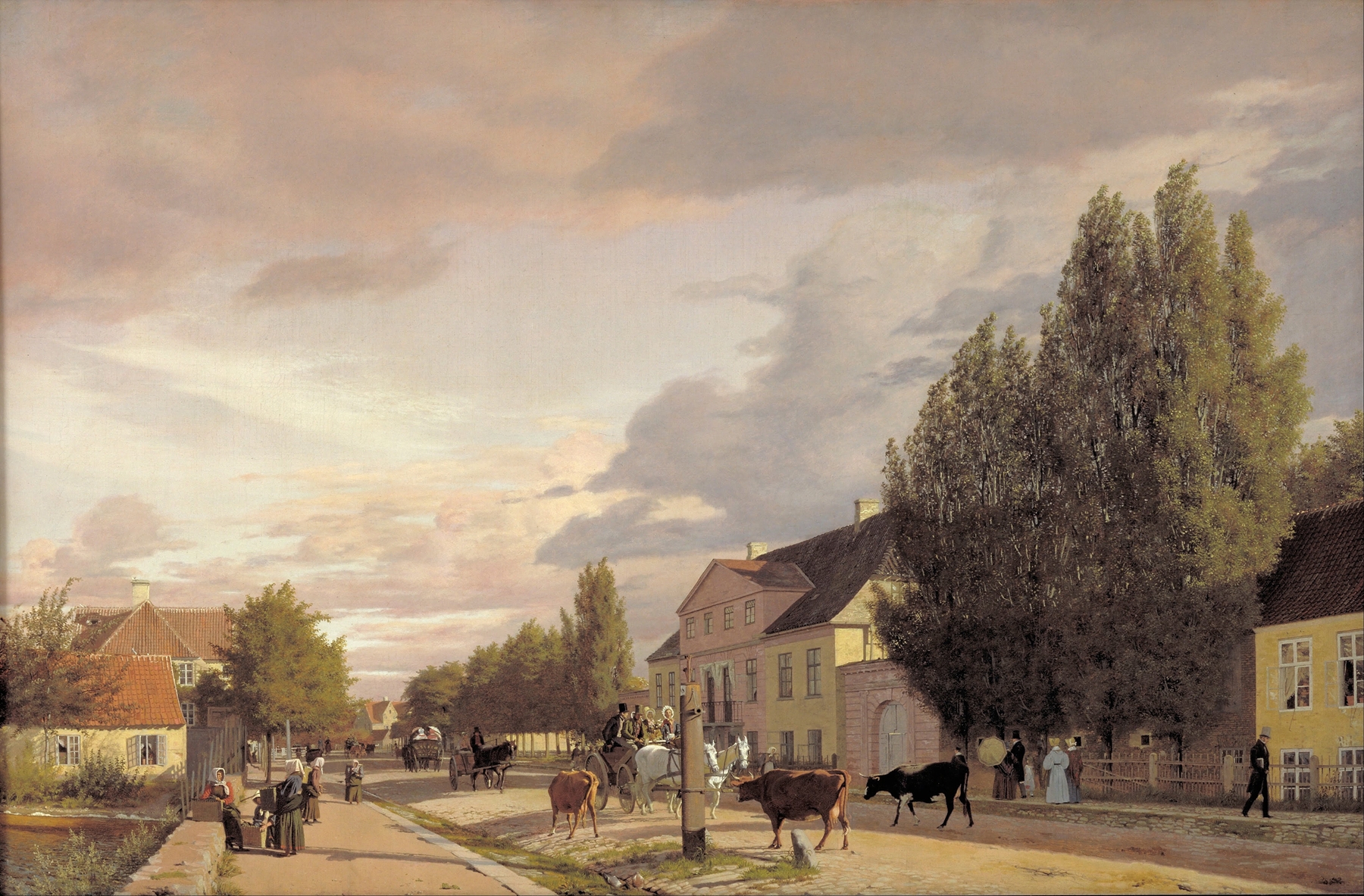
What secret hides in the quiet of the canvas? In a world teeming with clamor, silence can often echo the loudest truths. Look to the left at the gentle curve of the cobblestone street, where the soft morning light spills like liquid gold, illuminating the humble facades of the quaint houses. The artist captures a fleeting moment, each brushstroke deftly portraying the interplay of light and shadow, framing the scene in a tender embrace of color.
Notice how the pale blues and warm ochres create a harmonious balance, inviting us to linger in this serene street, evoking a sense of nostalgia that feels both personal and universal. Yet, beneath this idyllic façade lies a poignant tension. The elongated shadows hint at the passage of time, suggesting that the tranquil morning may soon yield to the noise of daily life, leaving behind a sense of loss that lingers in the air. The absence of figures invites contemplation; it’s as if the street itself mourns for the lives that have passed through, each brick bearing witness to stories untold.
This subtle conflict between beauty and melancholy resonates deeply, reminding us of the transitory nature of moments. Købke created this piece in the early 19th century in Copenhagen, a period characterized by artistic exploration and a burgeoning Romantic movement. The artist was known for his keen observation of everyday life and the interplay of light, which was greatly influenced by his surroundings. At a time when art was evolving, his work stood out for its intimate reflections on the ordinary, inviting viewers to appreciate the beauty in the mundane while grappling with the shadows of human experience.