Seelandschaft — History & Analysis
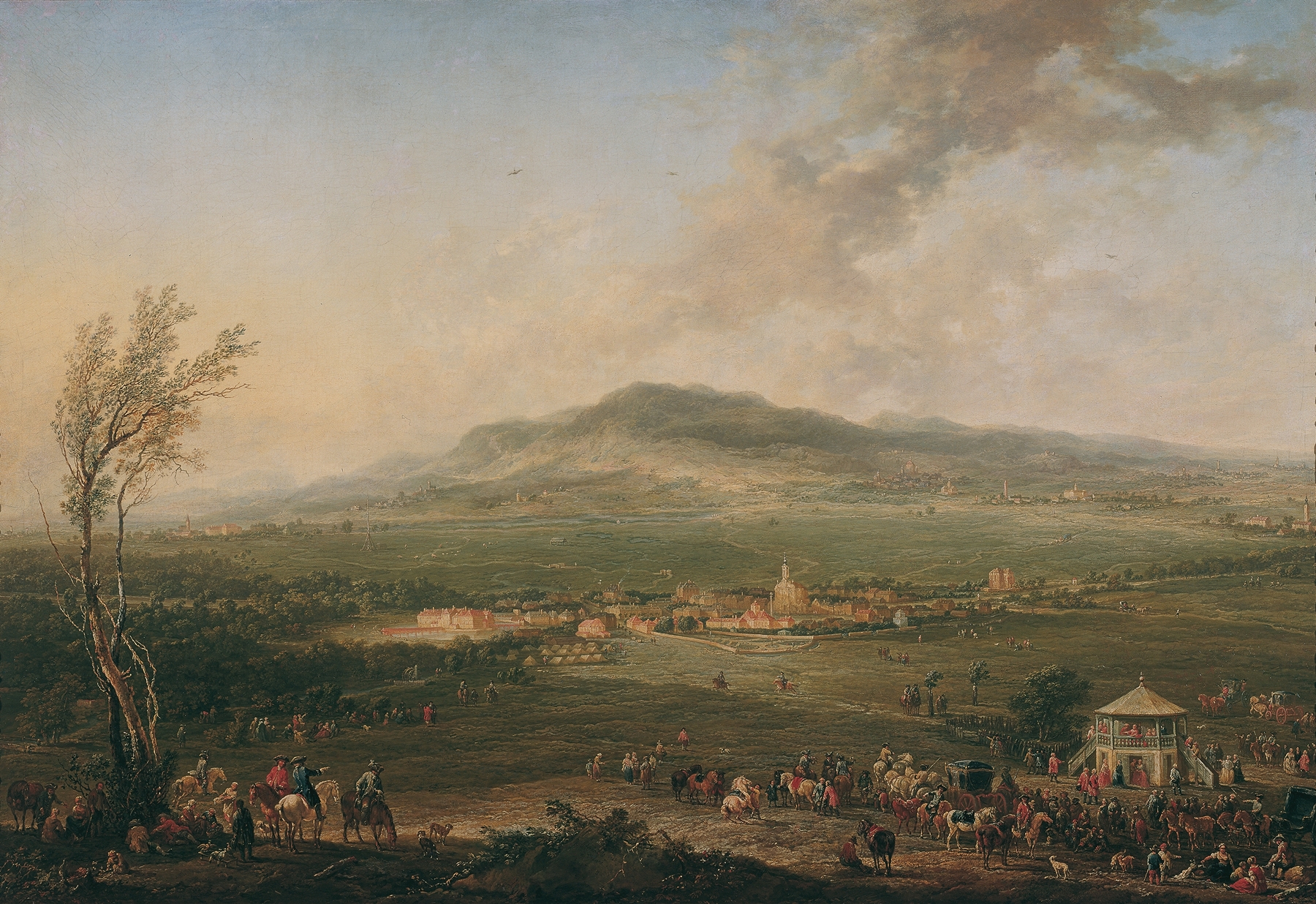
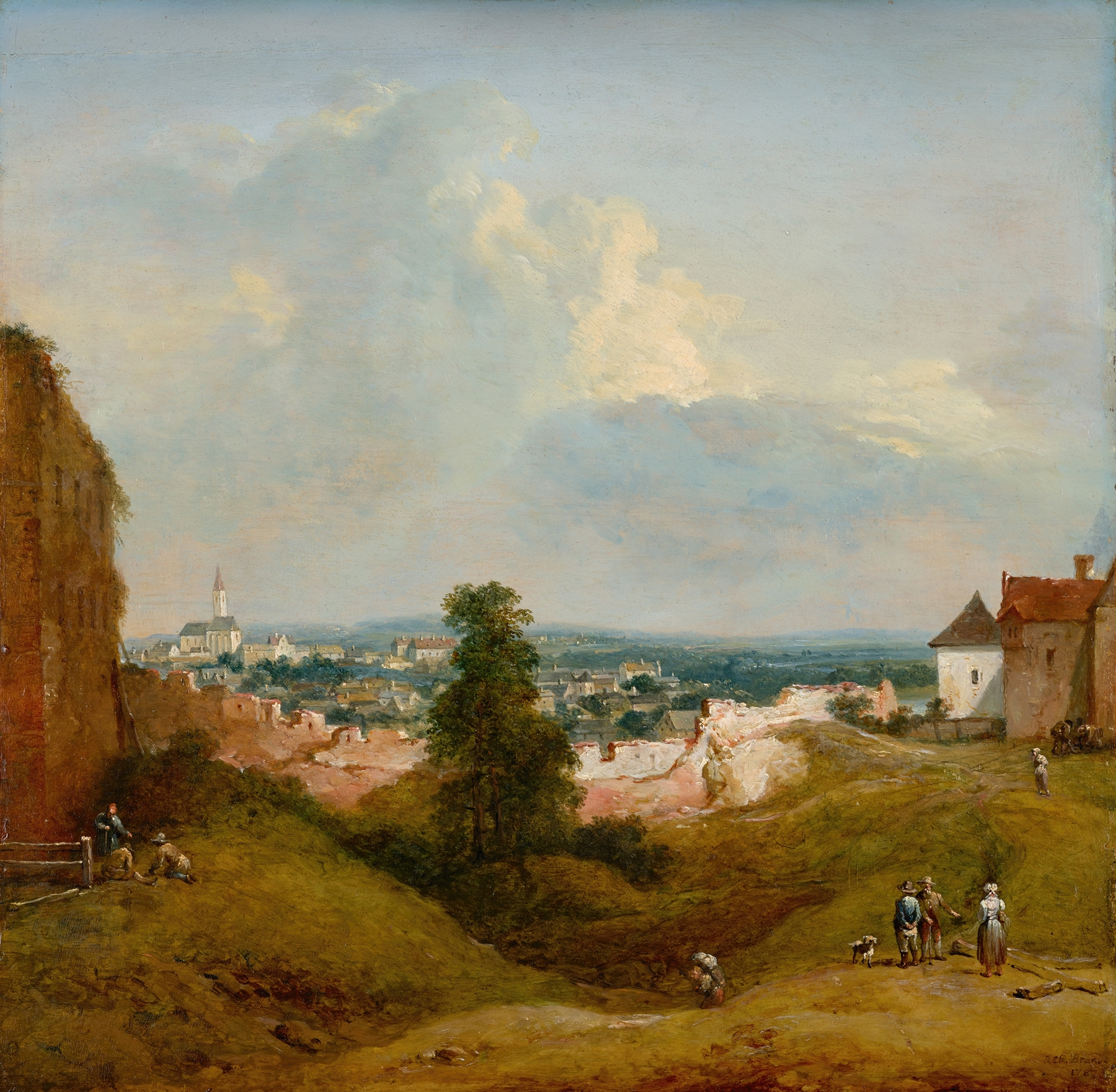
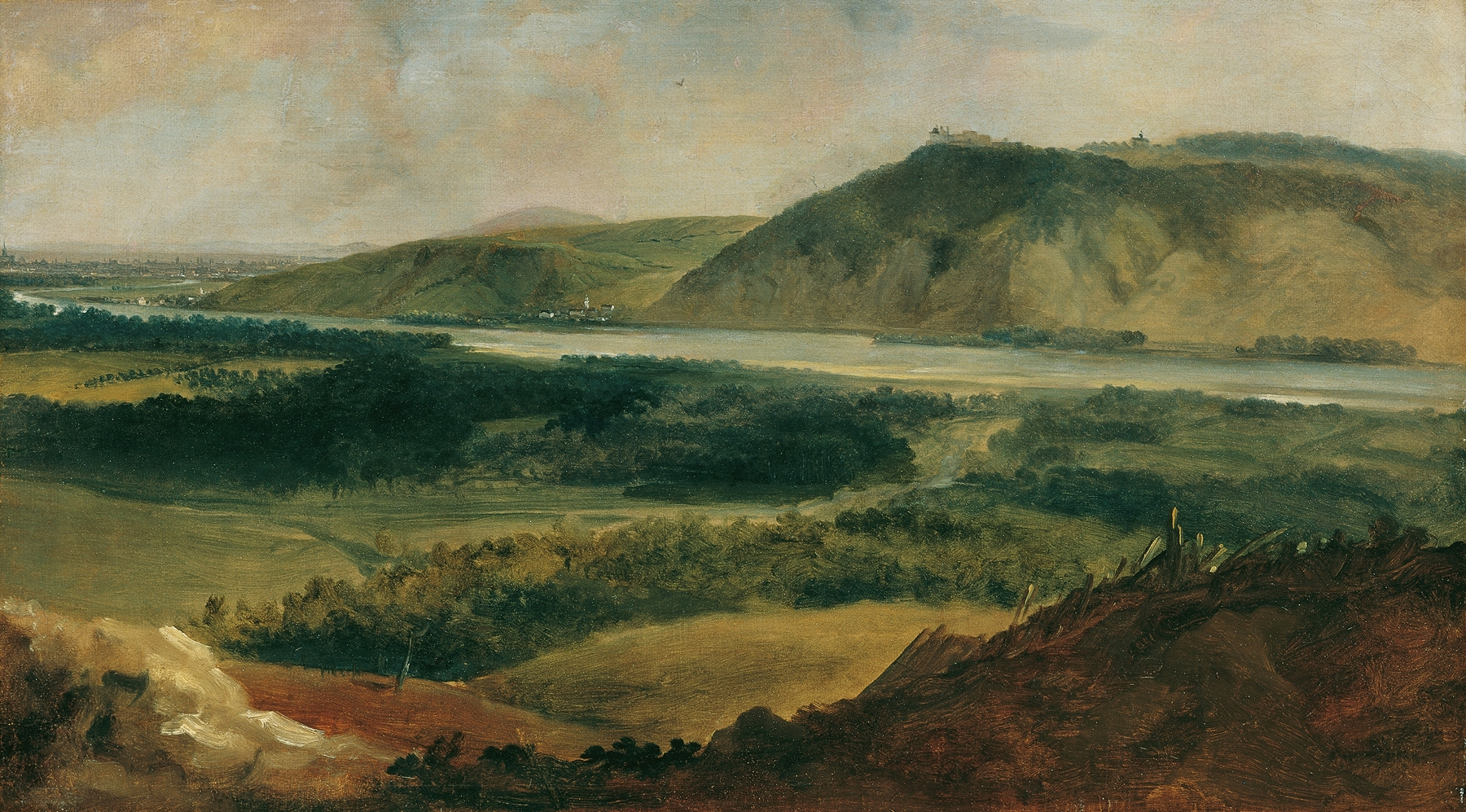
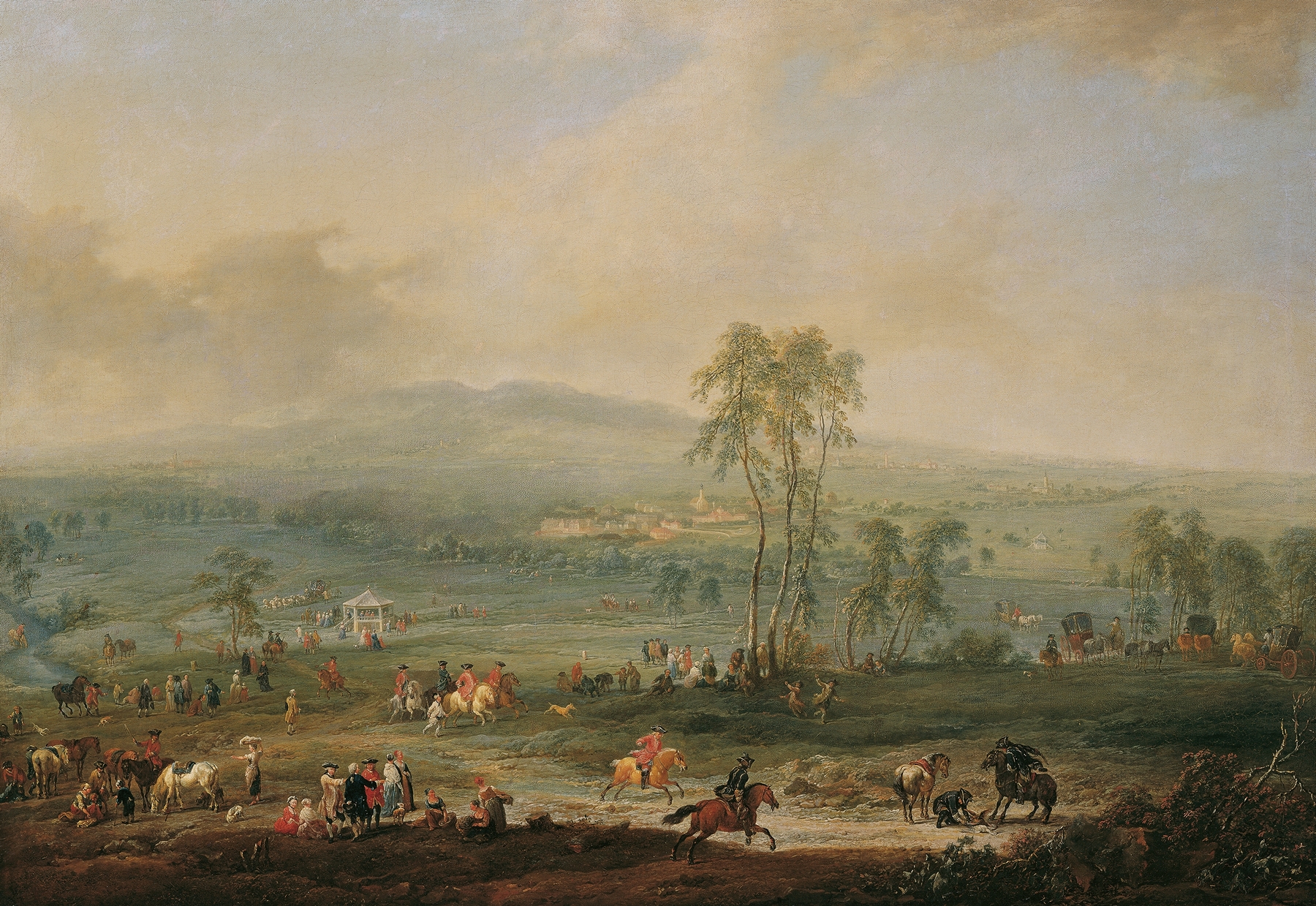
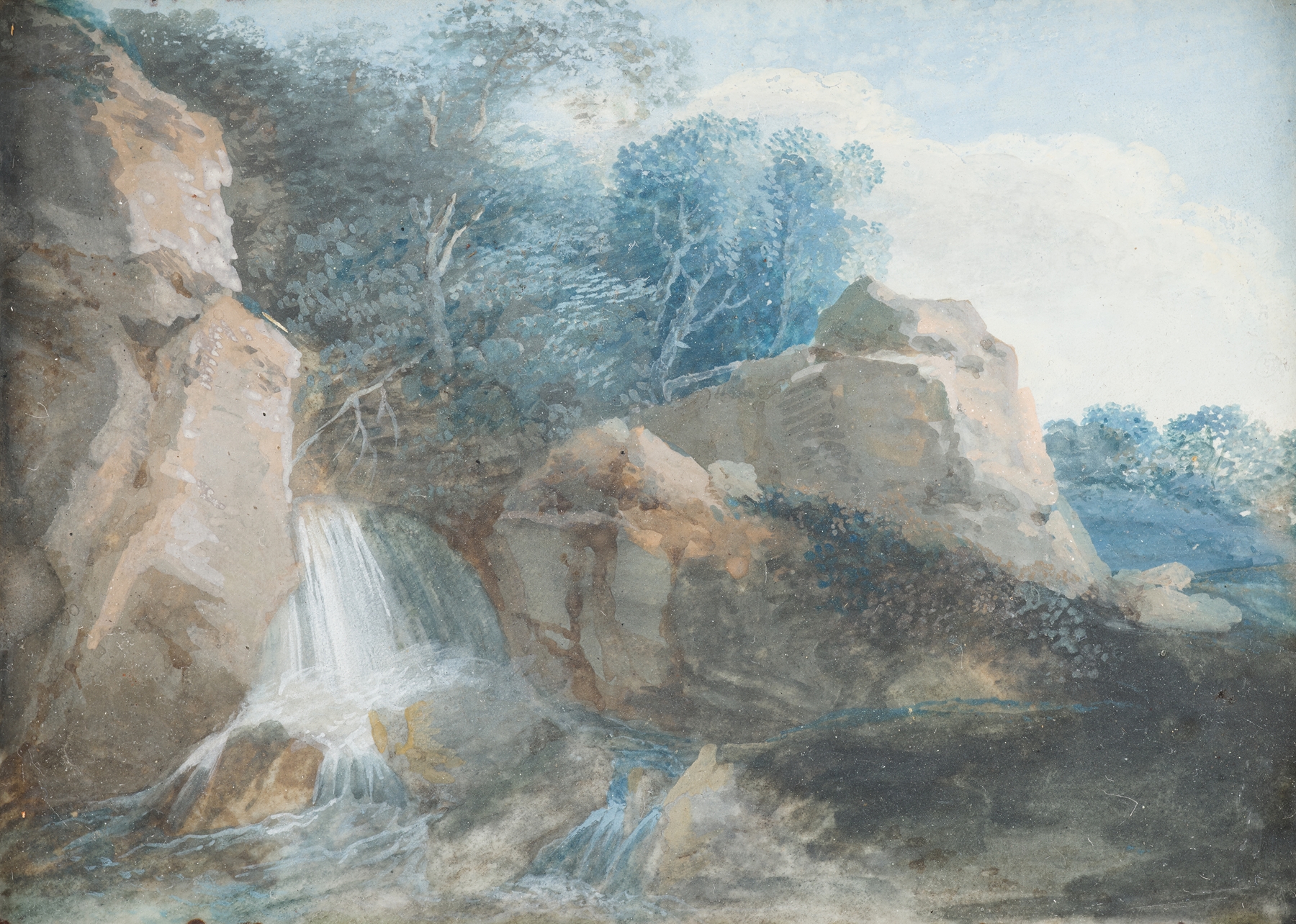
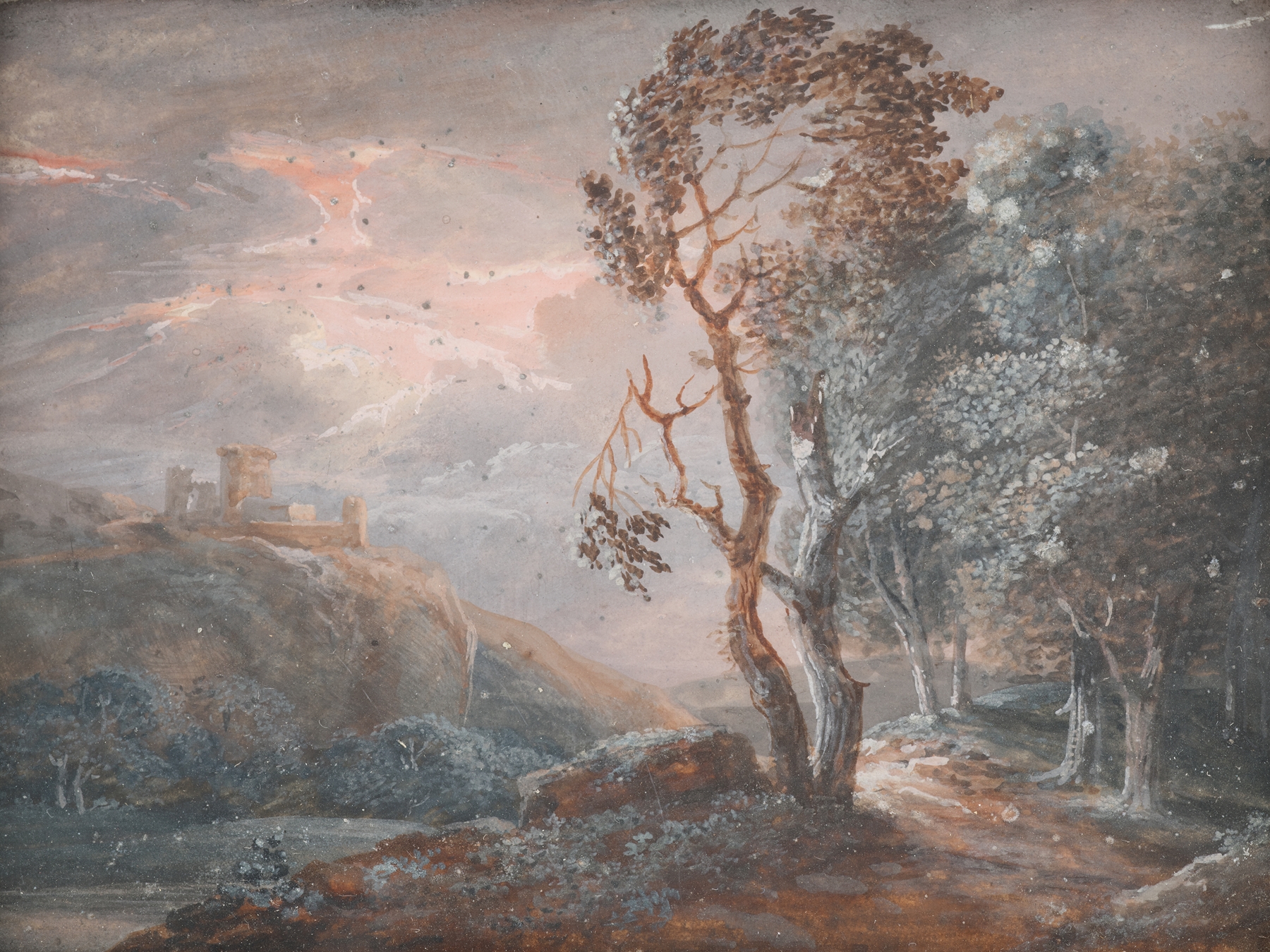
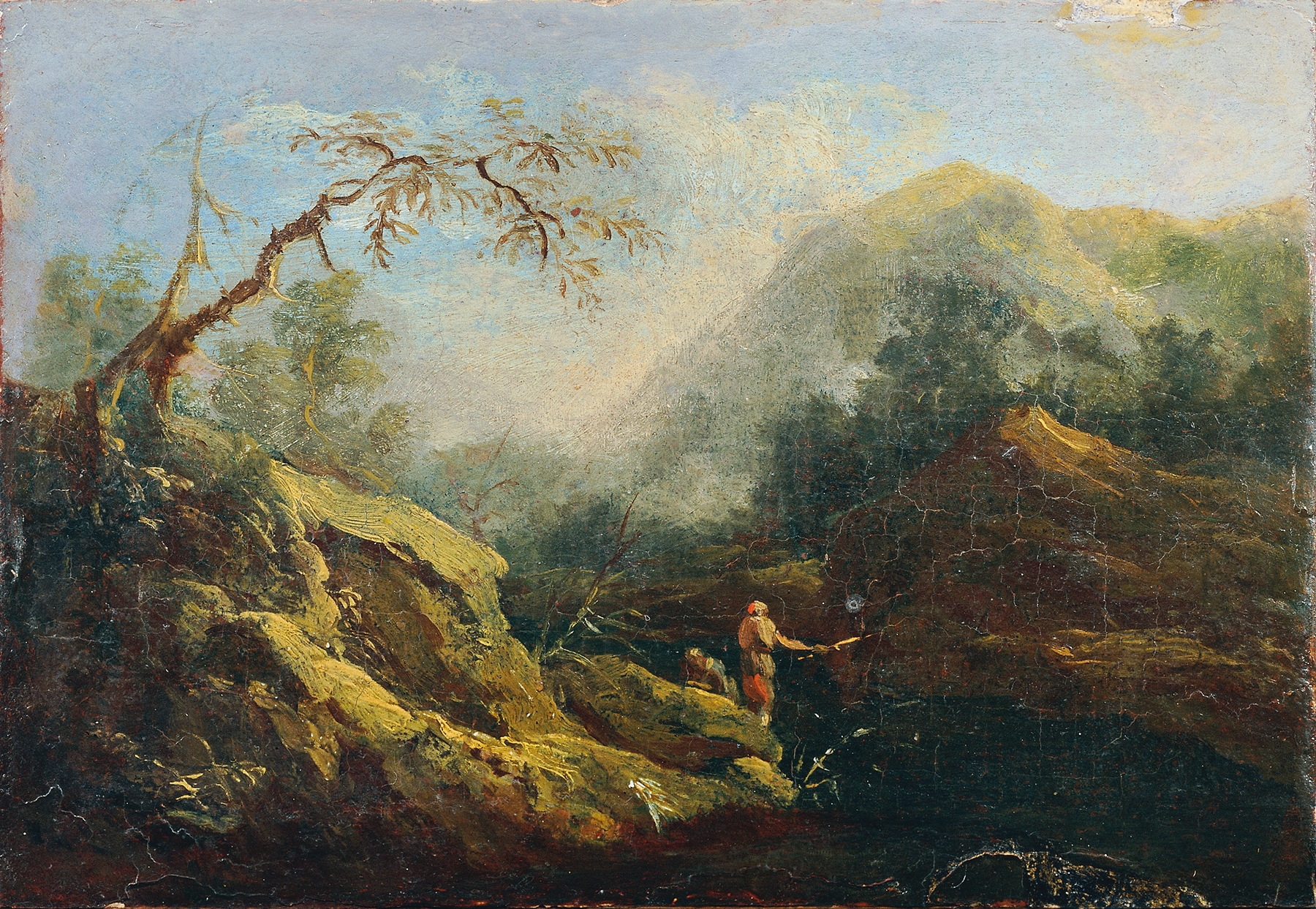
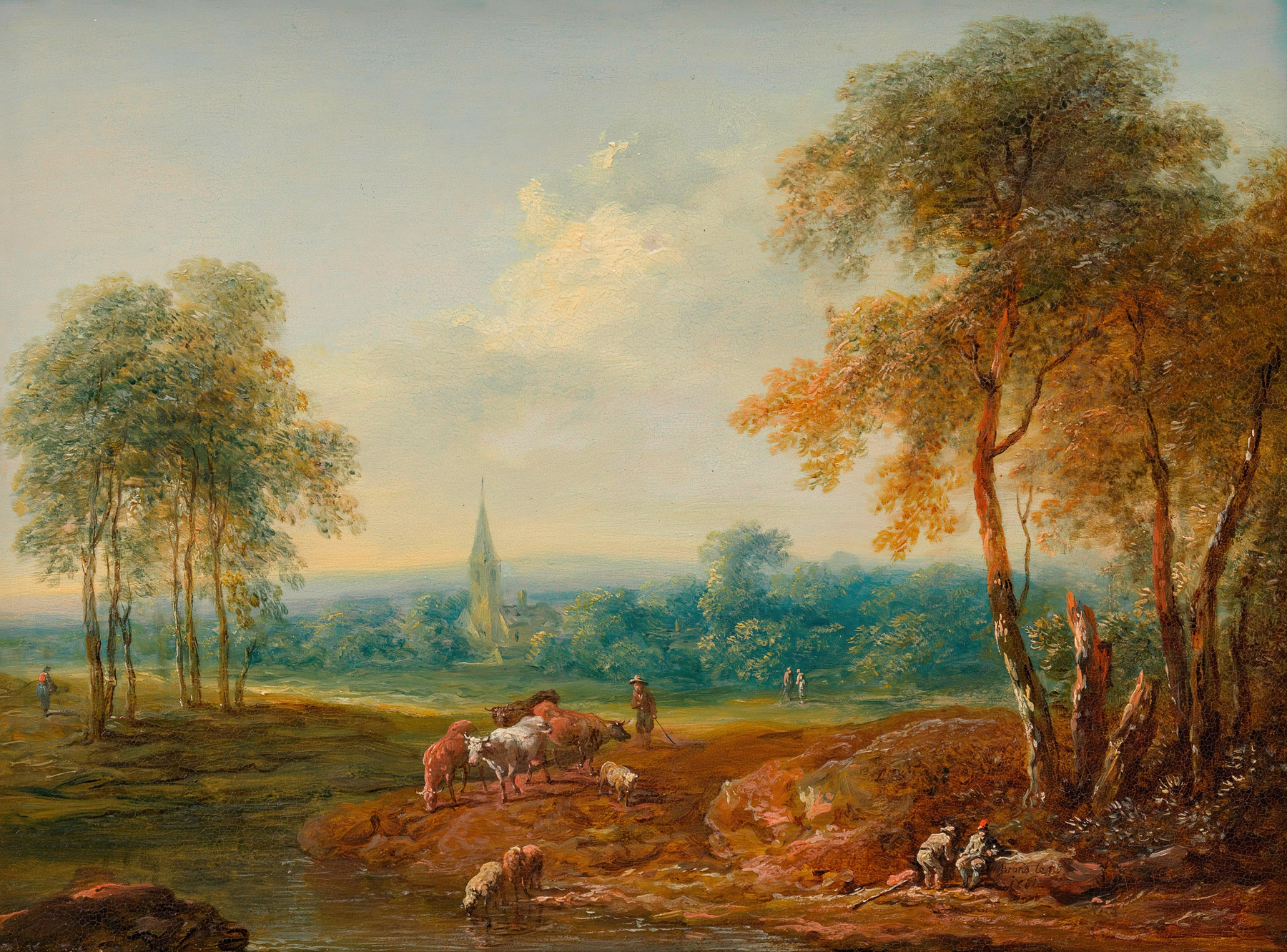
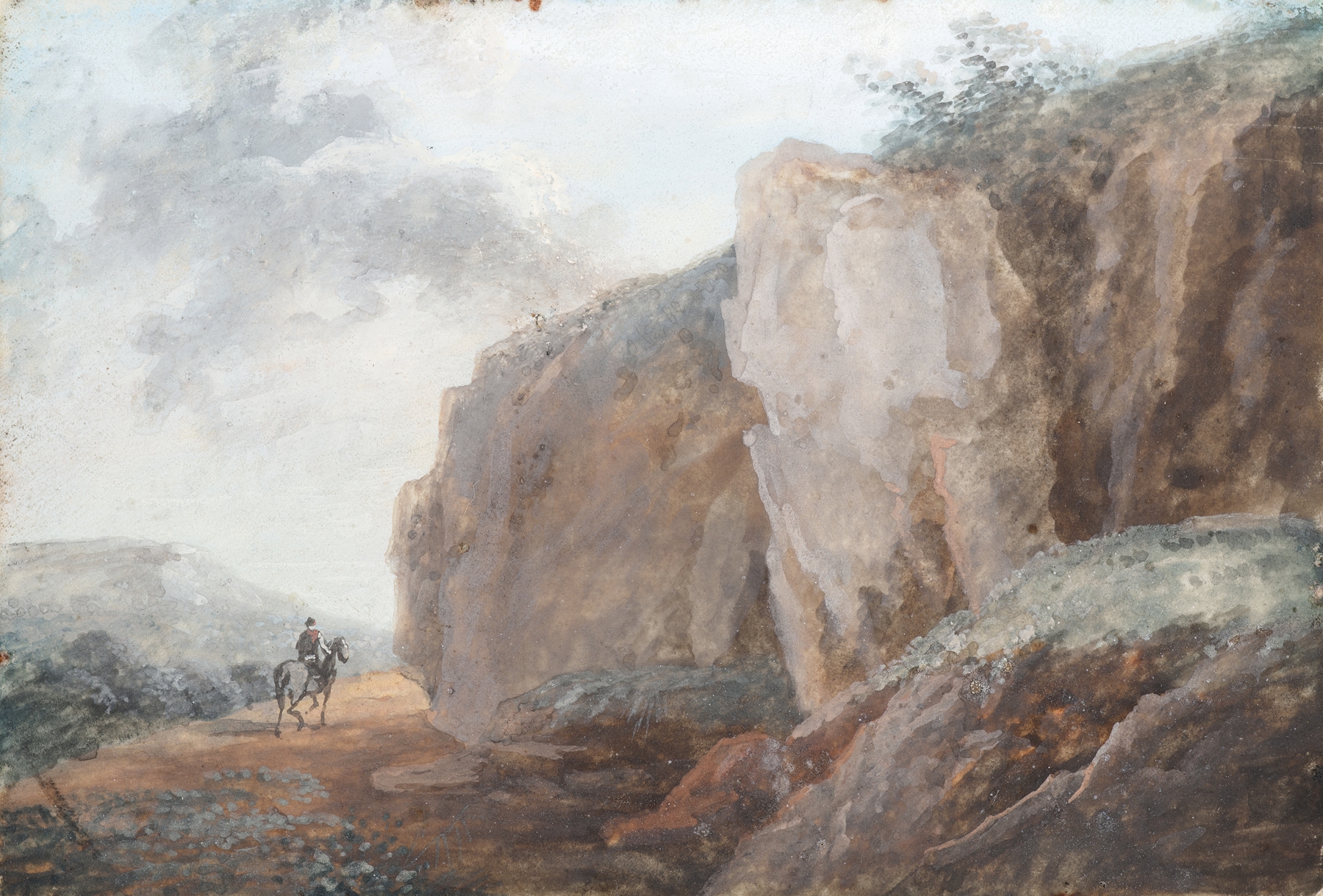
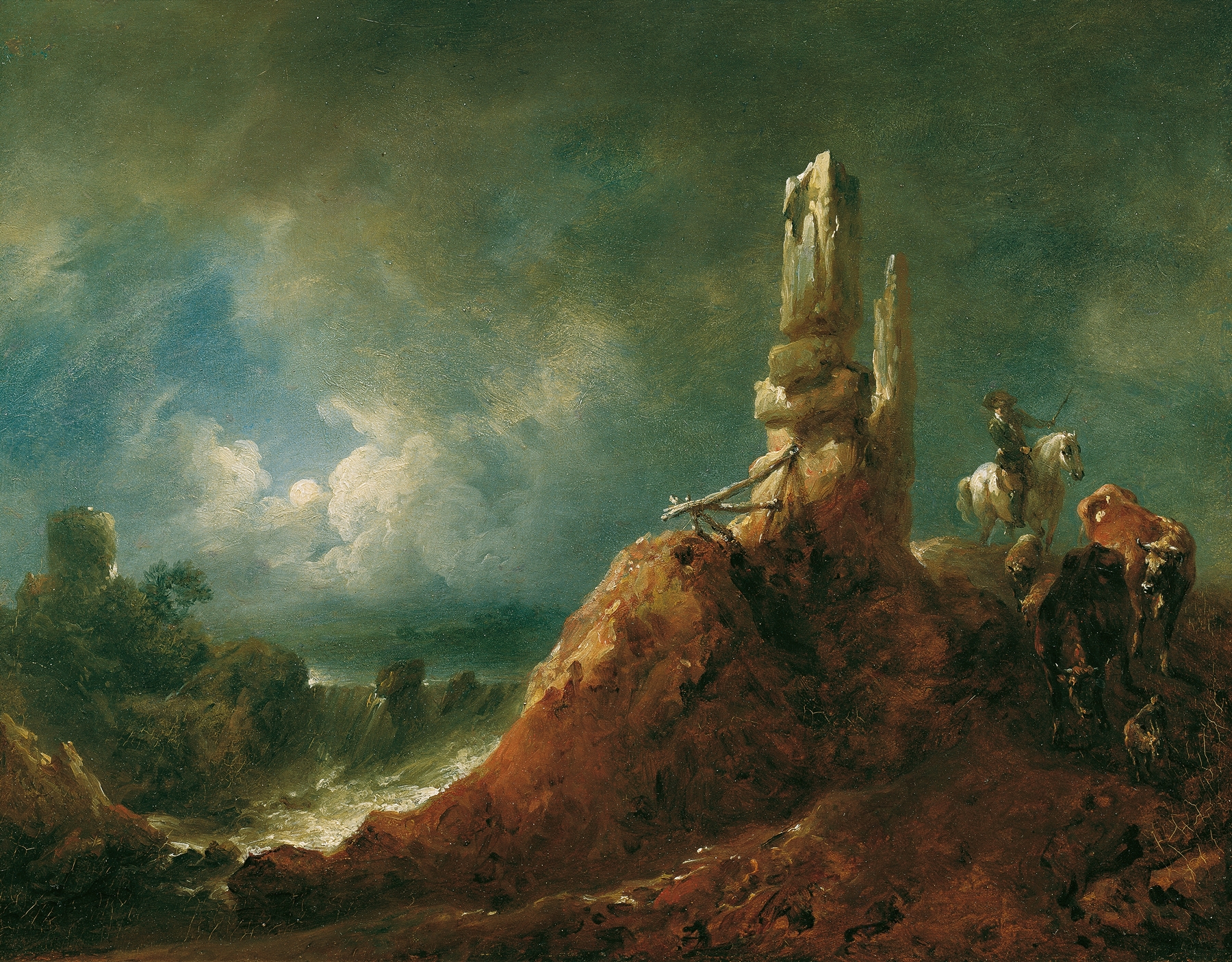
What if beauty was never meant to be finished? In the quiet embrace of nature, faith breathes life into the landscape, inviting contemplation and wonder. Look to the horizon where soft hues of blue and green coalesce, drawing your eye toward the tranquil waters of the lake. Notice how the gentle ripples reflect the warm light, creating a shimmering dance across the surface. The meticulously detailed foliage along the banks invites you to wander into the scene, its delicate brushwork illustrating the interplay between nature and the divine.
The subtle gradations of color, from the earthy browns of the land to the ethereal blues of the sky, evoke a sense of harmony that is both soothing and uplifting. The painting captures the complexity of peace and turmoil, as the stillness of the water contrasts with the turbulent sky above. This tension speaks to the artist's exploration of faith—not just in the beauty of the world but in the uncertainty of existence. The serene landscape holds a hidden vulnerability, suggesting that even in moments of beauty, doubt and turmoil linger beneath the surface.
It invites the viewer to contemplate the significance of their own journey, finding solace in the natural world while recognizing the fragility of life. Created between 1770 and 1800, this work reflects Brand's deep connection to the Romantic ideals gaining traction at the time. Living in the late 18th century—an era marked by shifting philosophies and the rise of individualism—he sought to capture the essence of nature as a reflection of the human spirit. This painting stands as a testament to his belief in the profound relationship between faith, nature, and the quest for understanding in a rapidly changing world.