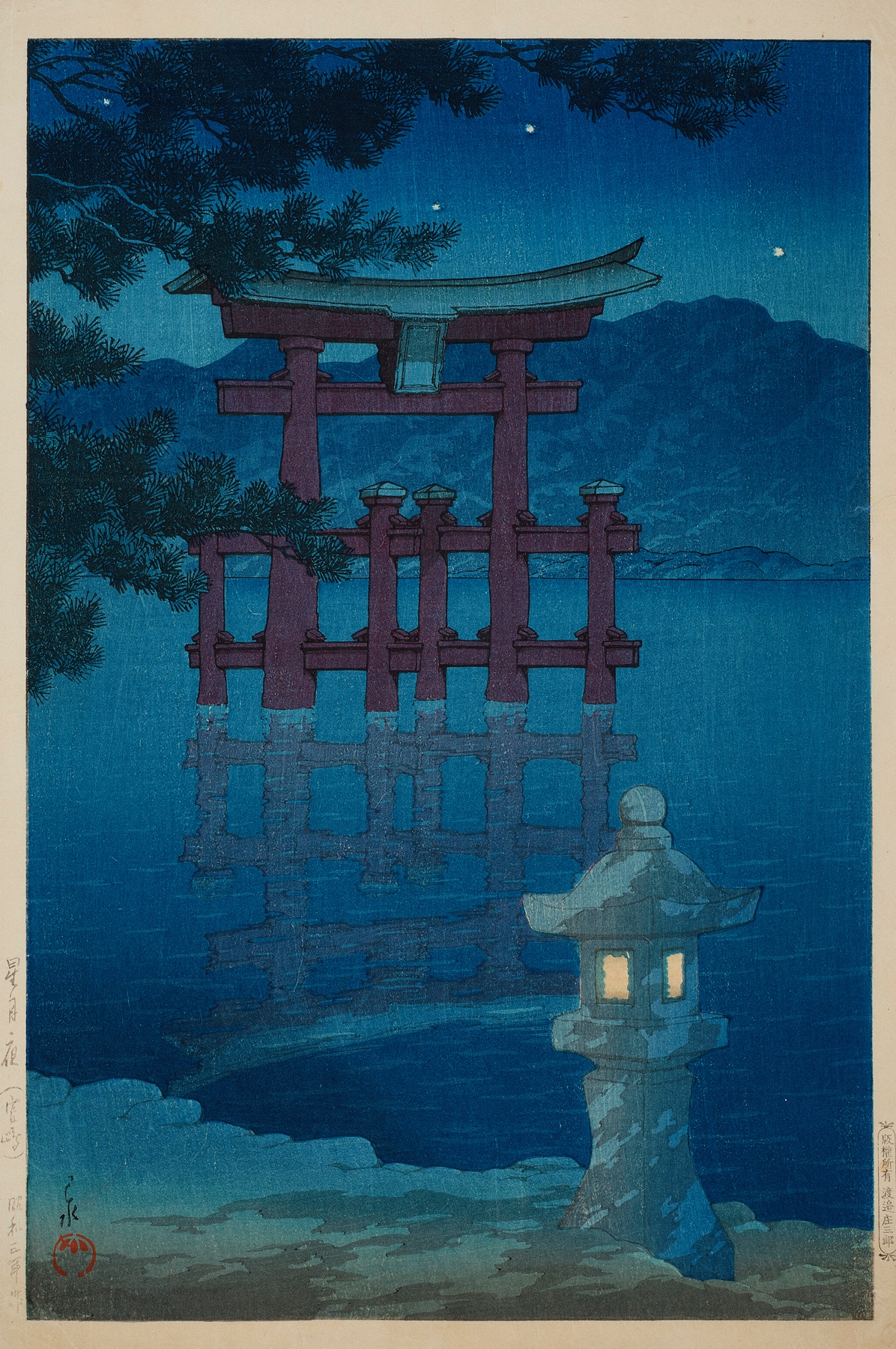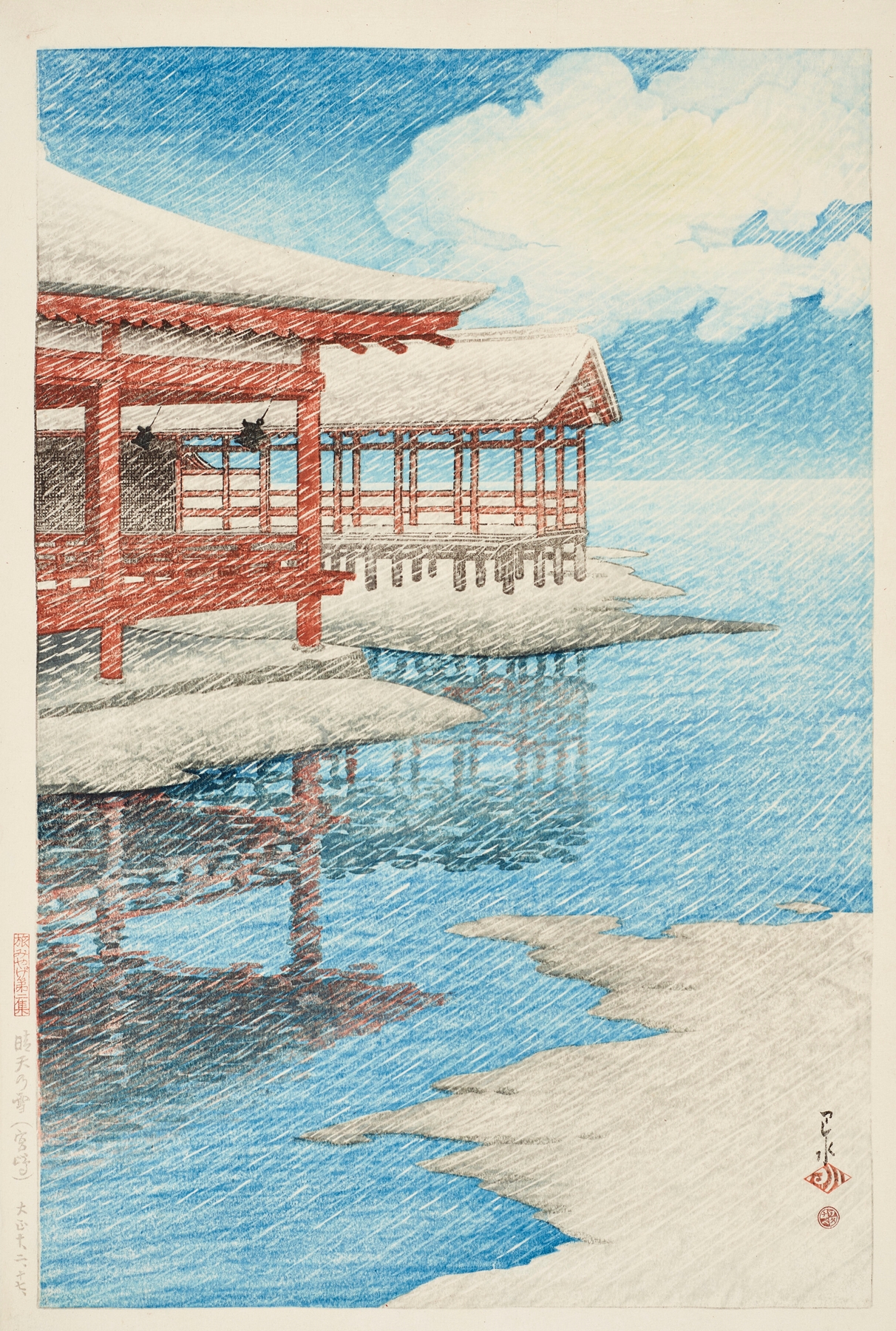
Seiten no yuki Miyajima (A fine winter’s sky at Miyajima) — History & Analysis
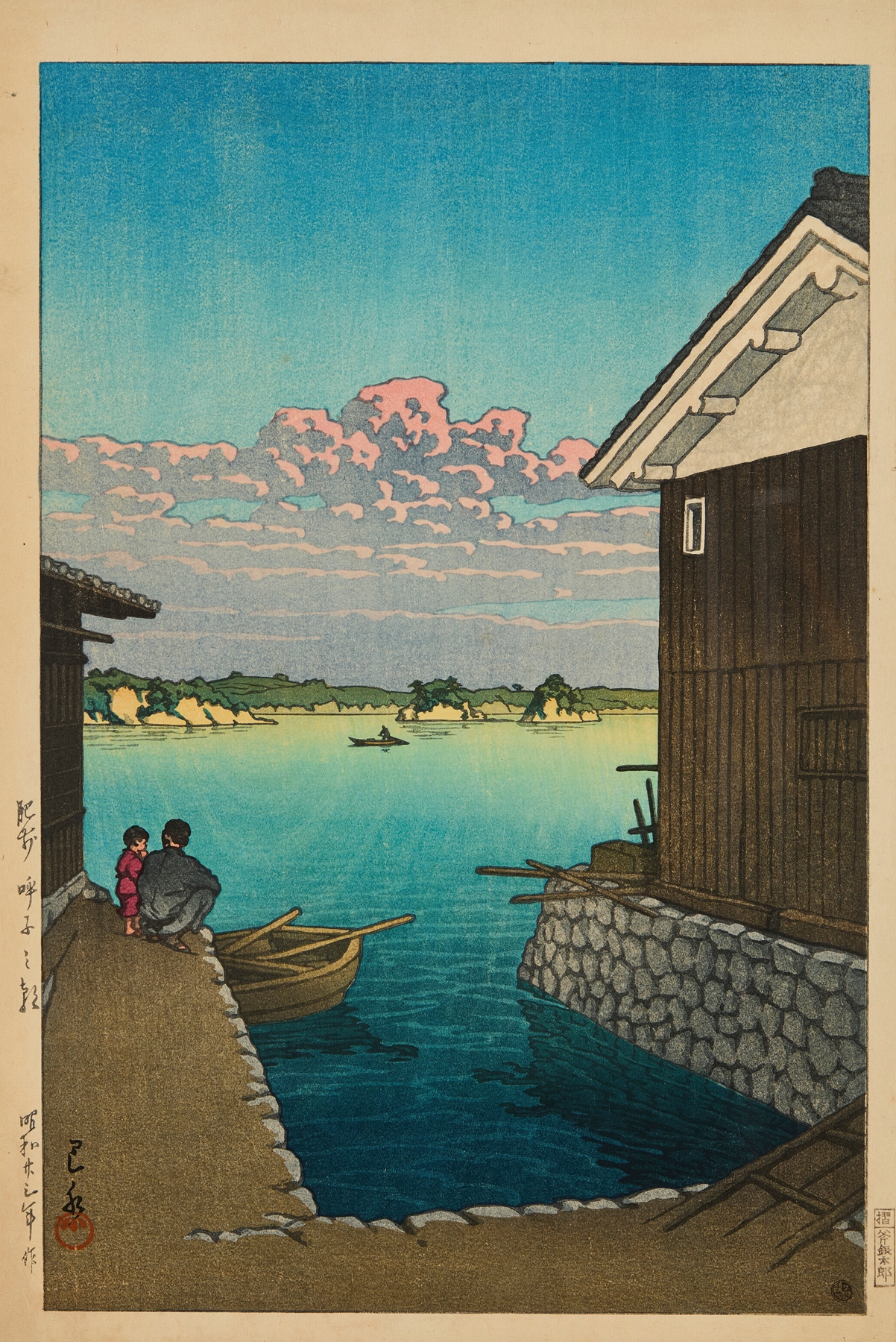
When did color learn to lie? In a world increasingly defined by its tumult, one can find solace in the delicate yet profound layers of hue and light that reveal truths beyond the visible. Direct your gaze towards the soft, pastel sky that hovers over the serene landscape, where gentle shades of blue and pink blend seamlessly into one another. The ethereal quality of the colors invokes a sense of calm, inviting you to explore the tranquil waters that reflect the sky’s splendor.
Notice how the distant mountains, draped in a whisper of fog, stand in contrast to the gentle ripples in the foreground, capturing the fleeting essence of a winter’s day. Within this painting lies a delicate tension between nature's beauty and the weight of sorrow that history often carries. The serene scene belies the political turmoil of early 20th-century Japan, as traditional values clashed with modernity. Each brushstroke weaves a narrative of resilience, as the quiet majesty of the landscape challenges the viewer to confront their own emotions amidst the backdrop of change.
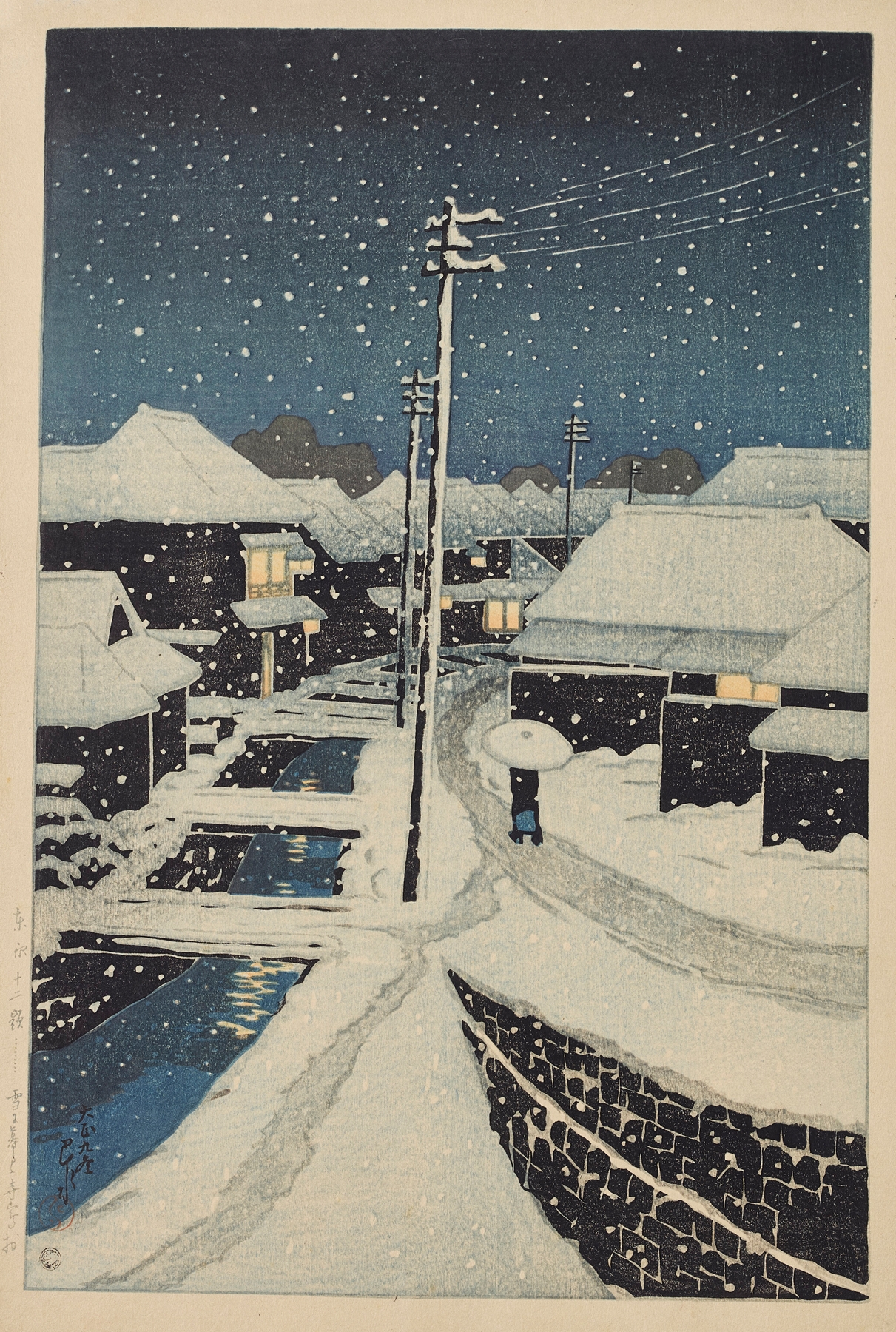
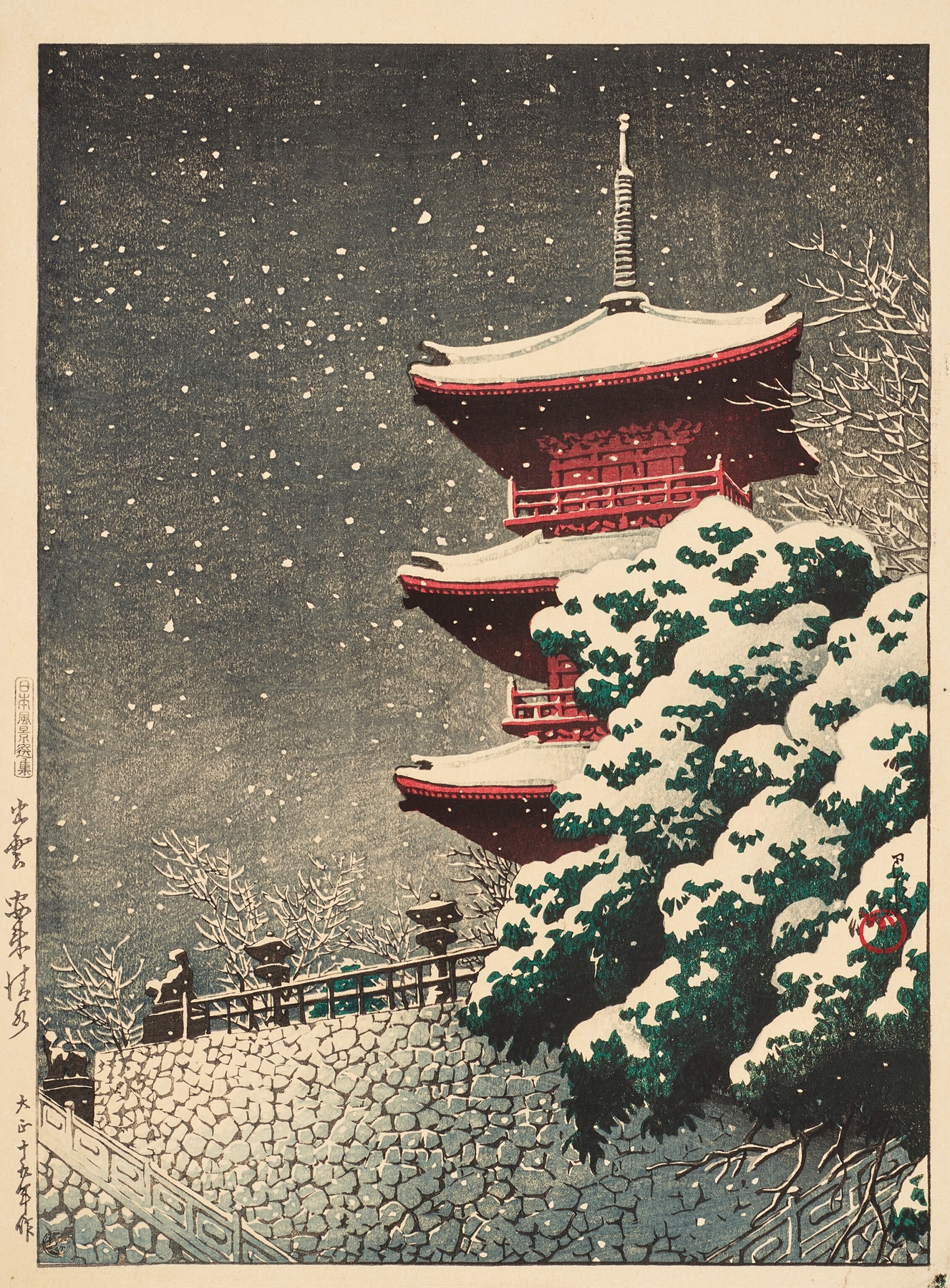
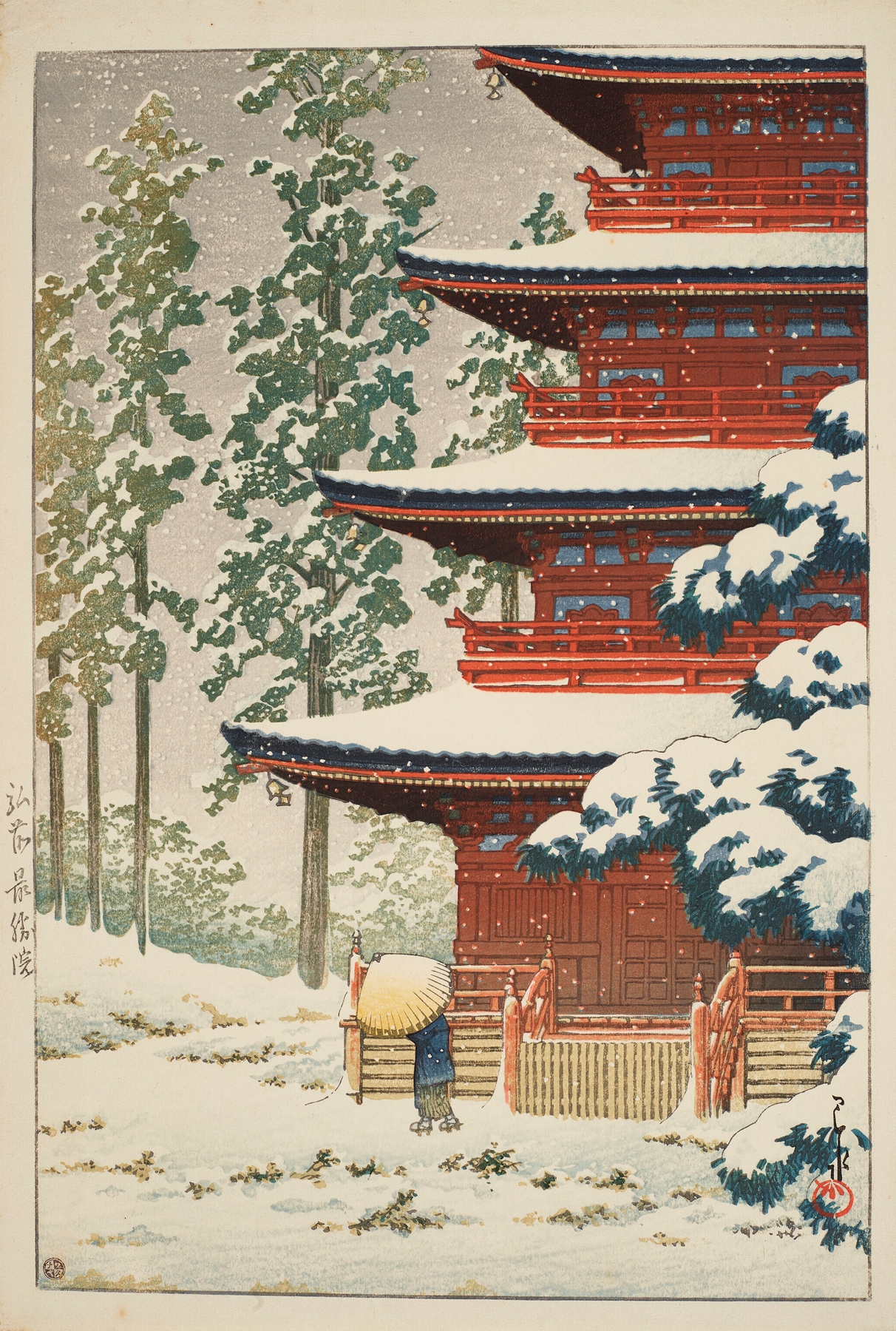
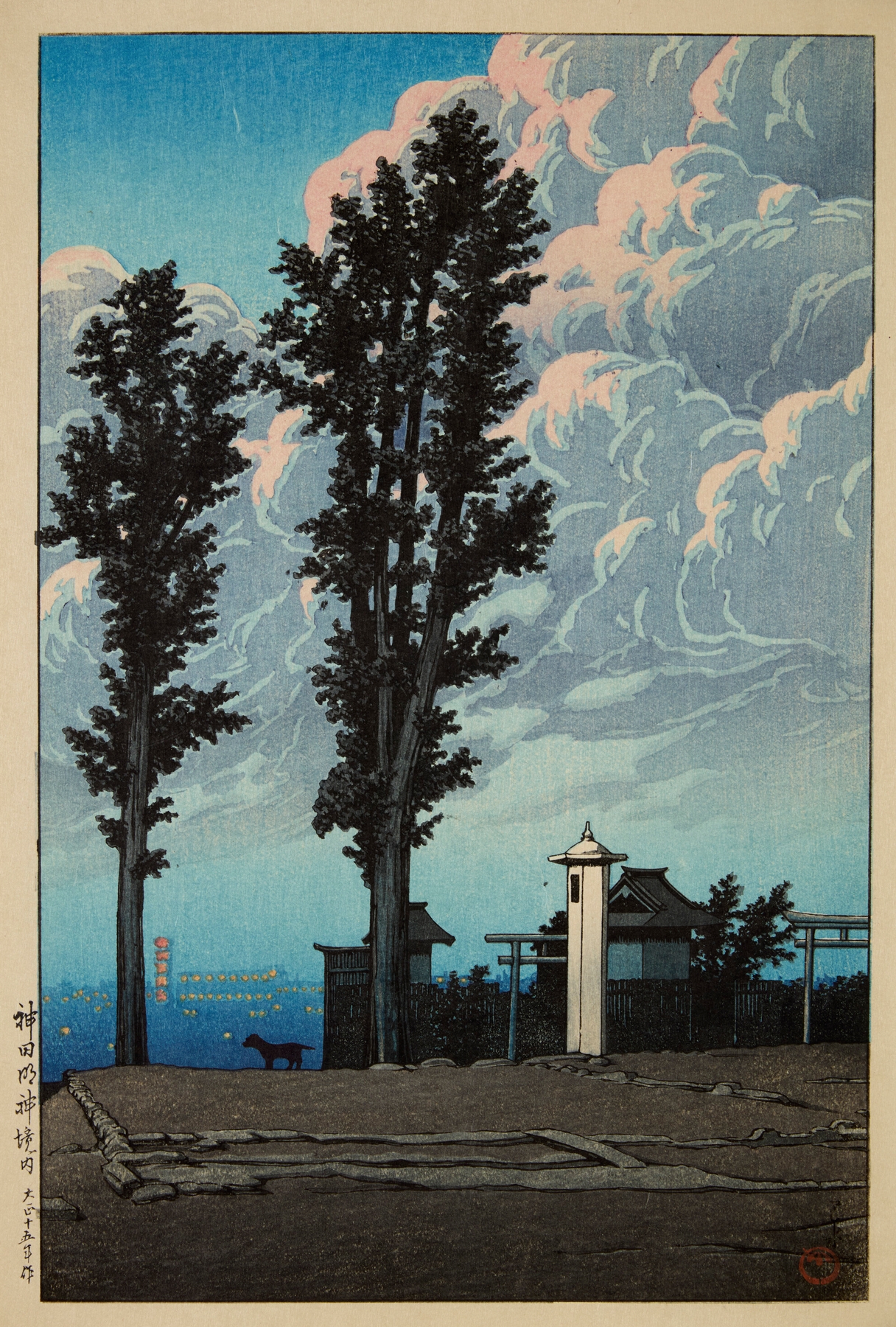
Kawase Hasui created this work in 1921, during a time when Japan was navigating the complexities of the Taisho era, marked by cultural shifts and an increasing embrace of Western influences. As a leading figure of the Shin-hanga movement, Hasui sought to reinterpret traditional Japanese woodblock print aesthetics, blending them with contemporary sensibilities. This artwork reflects not just a moment captured in time but a pivotal juncture in the evolution of art.