Self-portrait open mouthed, as if shouting: bust — History & Analysis
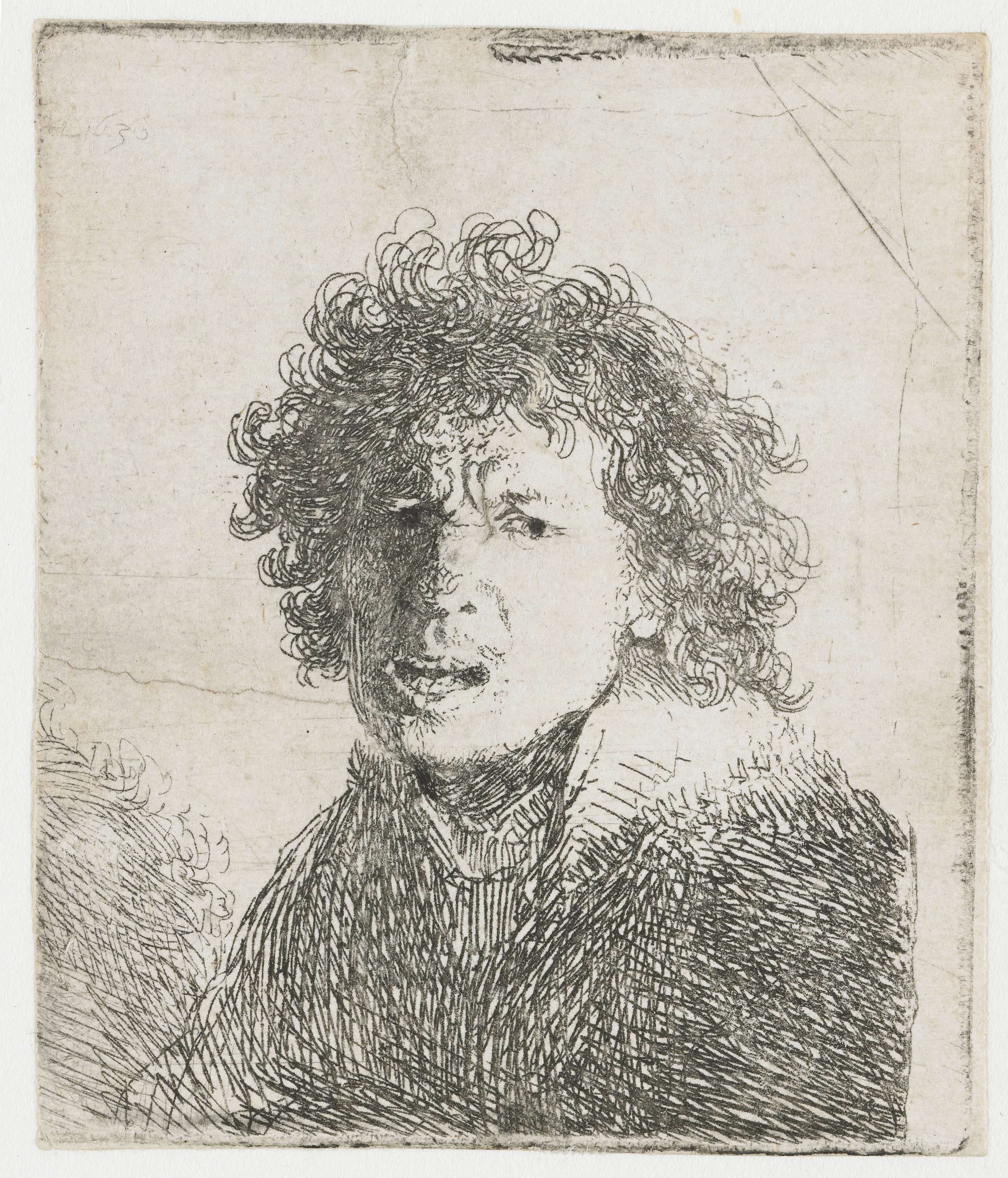
“Under the brush, chaos becomes grace.” In the tumult of life, where raw emotion meets artistry, we find a truth that transcends mere representation. Focus first on the intensity of the subject’s expression, as if a tempest of thoughts and feelings has burst forth. The open mouth, caught mid-shout, draws you in like a magnet, demanding attention. Notice how the chiaroscuro technique dances across his features, highlighting the rugged contours of his face, the deep shadows mingling with light, revealing both vulnerability and strength.
This play of light not only defines his physical form but also enhances the emotional turmoil encapsulated within. As you explore further, consider the implications of the chaos suggested by his expression. The open mouth is not only a gesture of sound; it signifies the struggle for understanding, the universal human experience of feeling unheard. Each brushstroke conveys an intimate moment, suggesting an underlying tension between the inner self and external world.
The muted palette evokes a somber atmosphere, adding depth to the chaotic energy swirling within the confines of the canvas. In 1630, Rembrandt was navigating his early career in Amsterdam, where the art world was burgeoning with new ideas and challenges. This period marked a time of experimentation for him, as he honed his techniques and sought to capture the complexities of human emotion. The painting, a self-portrait, reflects not just the artist’s personal trials but also the broader currents of the Baroque era, revealing a profound relationship between chaos and creativity.