Self-portrait with Saskia — History & Analysis
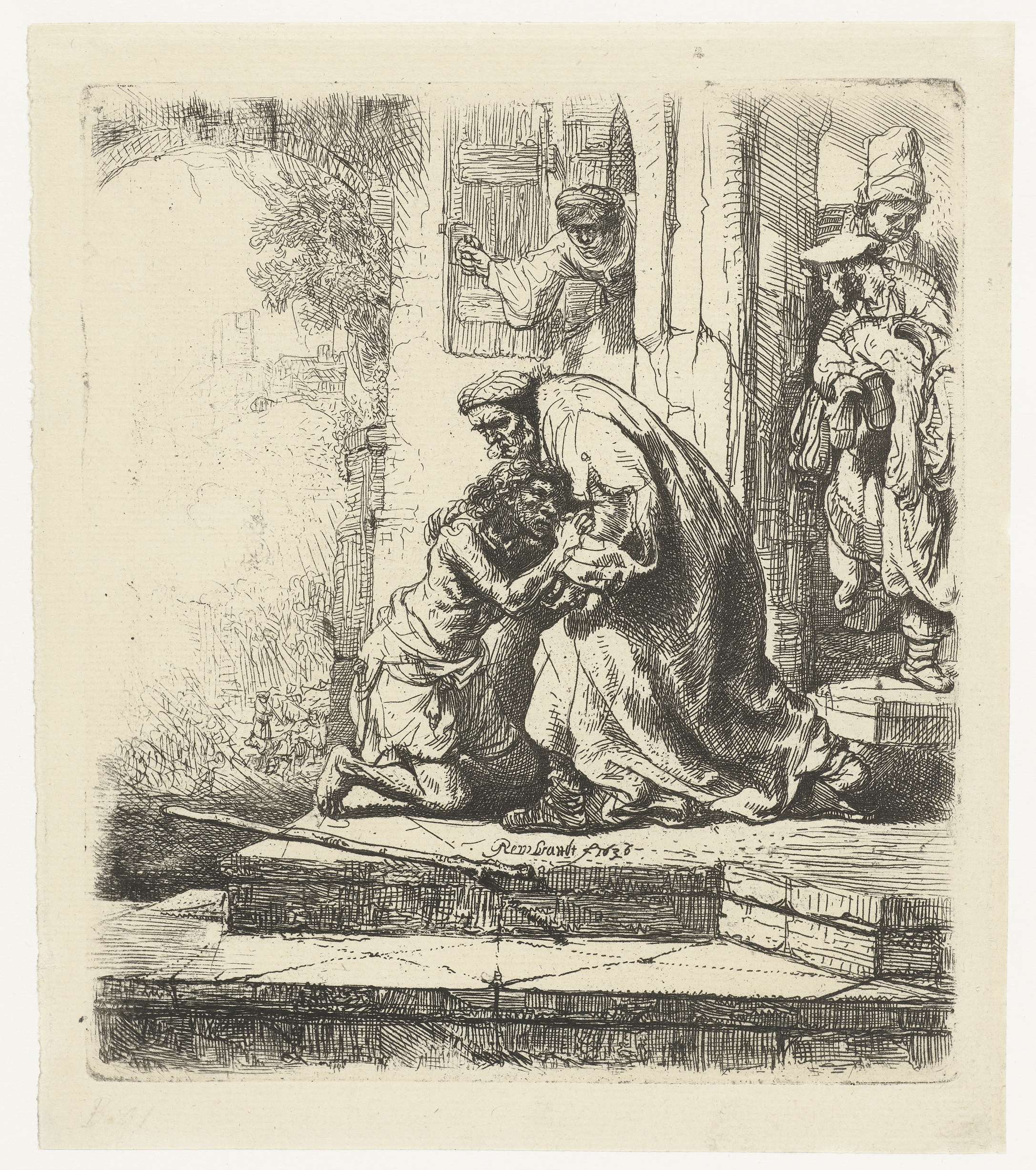
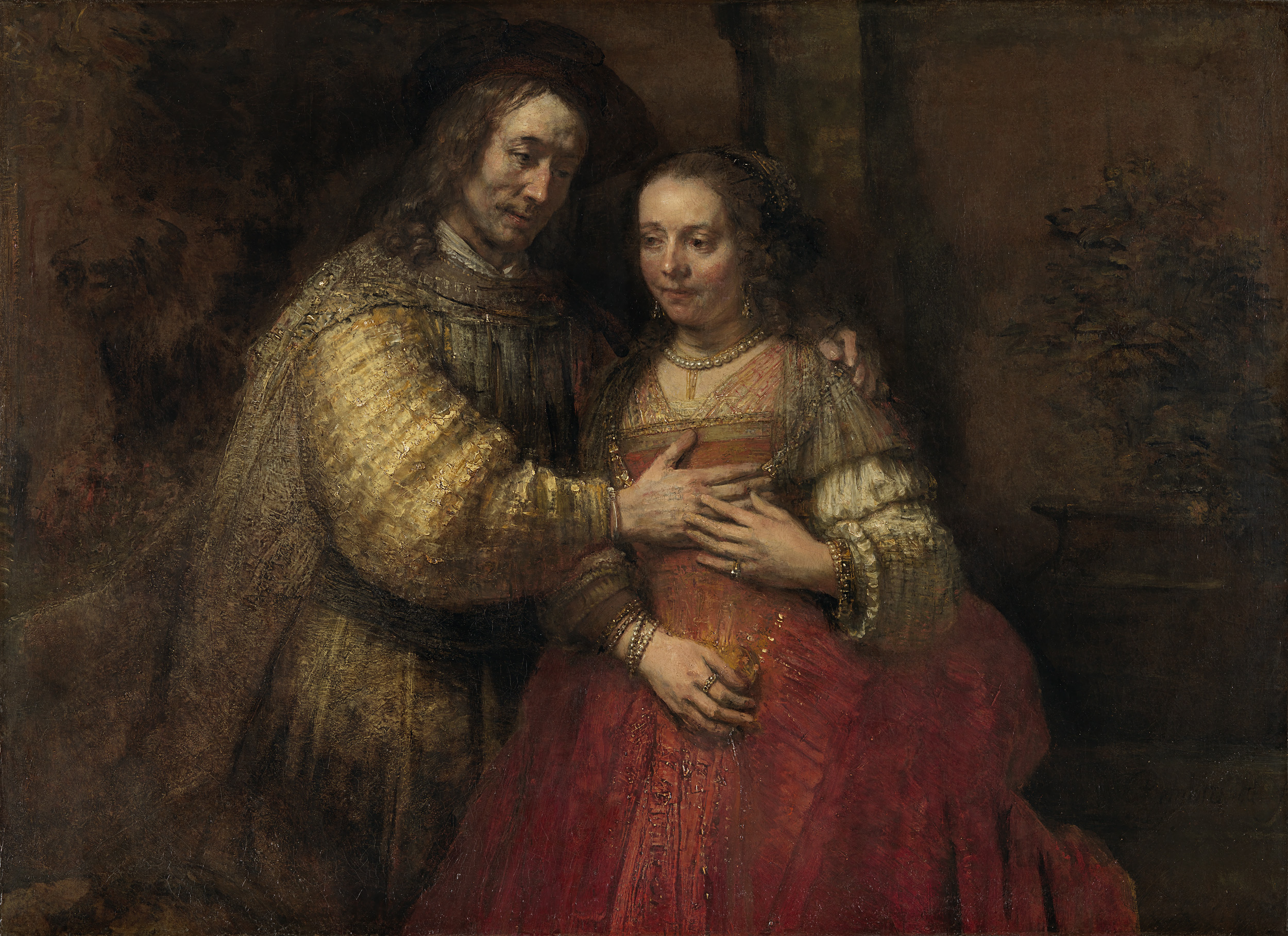
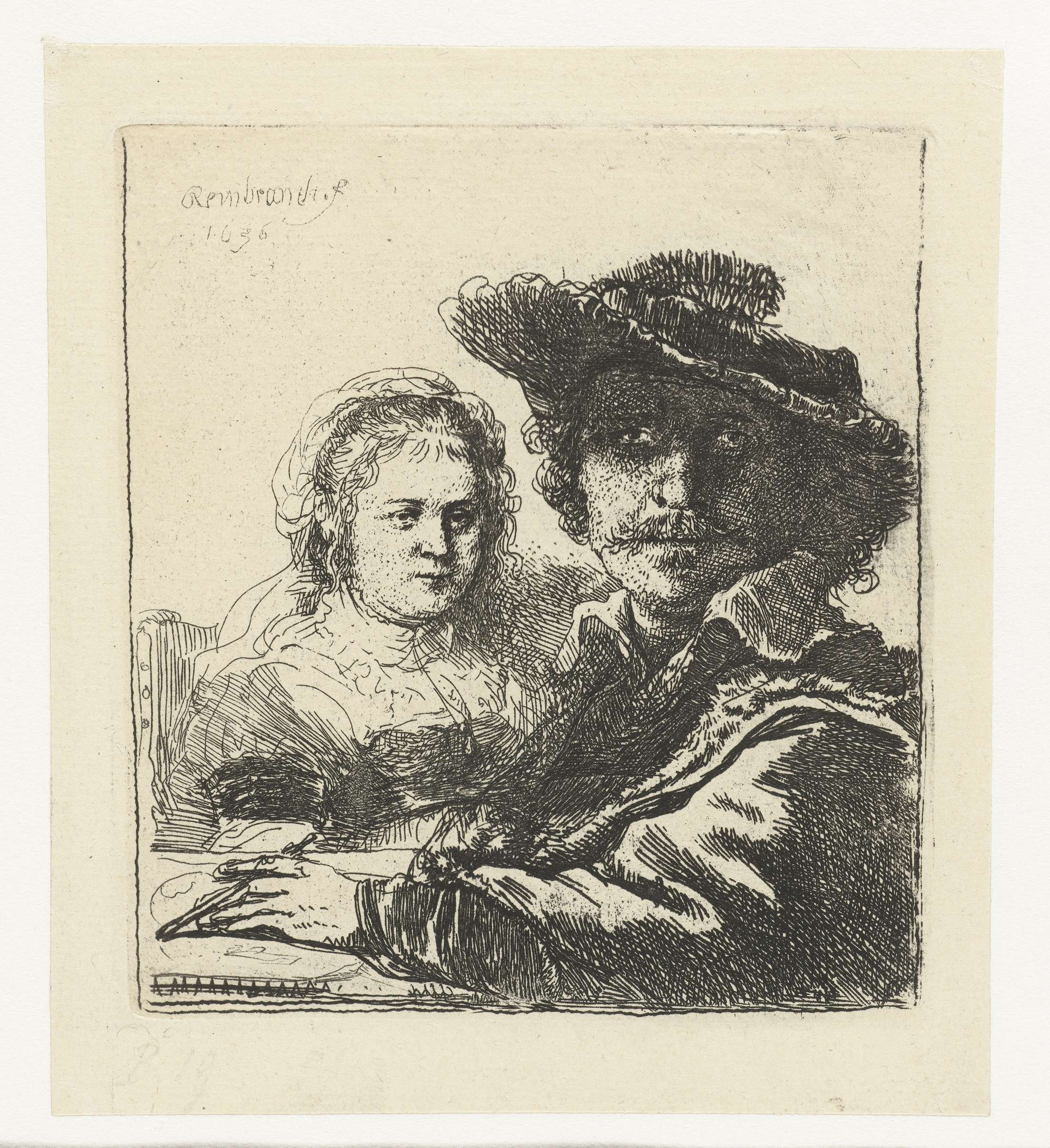
Did the painter know this moment would outlive them? In Self-portrait with Saskia, a bold interplay of rich colors and delicate light captures a tender intimacy between artist and muse, a snapshot of their shared existence that transcends time. Look to the left at the softly illuminated figures, where Rembrandt’s hand masterfully shapes the contours of his face, contrasting with Saskia's vibrant and delicate gown. The warm earth tones envelop the viewer, while dabs of luminous highlights breathe life into their expressions, inviting a closer examination of their connection.
Notice how the light falls upon their faces, accentuating the warmth in their gazes and hinting at a deeper story woven into the fabric of their lives. Within this intimate portrayal lie layers of emotional complexity. The slight tilt of Saskia's head signifies trust and affection, while the artist's contemplative expression holds a quiet introspection. Their juxtaposition—her vivacity against his reflective demeanor—reveals the duality of love and artistic duty, suggesting a profound bond that both inspires and burdens.
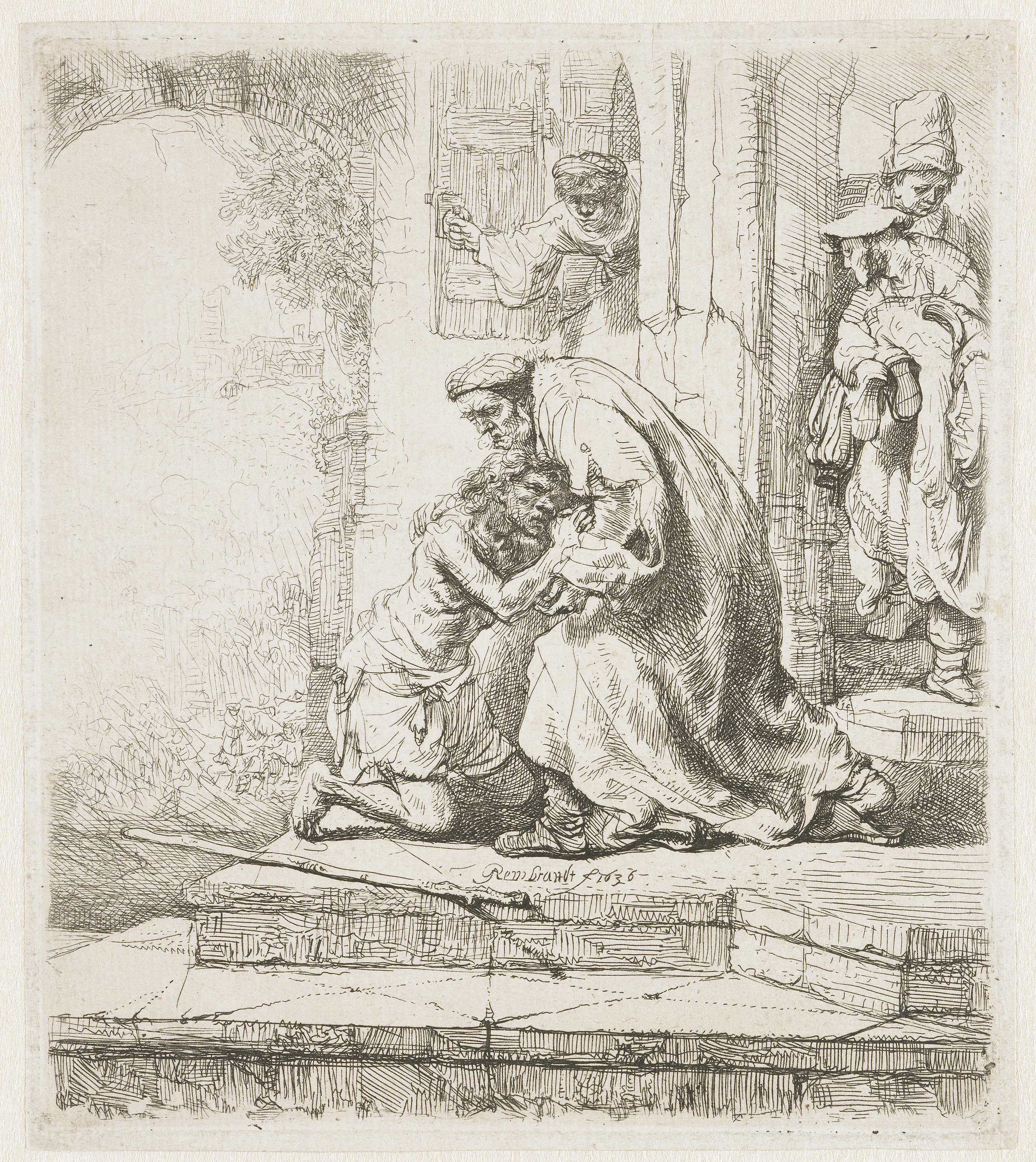
Each brushstroke becomes a testament to the artist's struggle with identity, memory, and legacy, underscoring the ephemeral nature of life captured in paint. Created in 1636, during a period of artistic innovation, Rembrandt was navigating both personal and professional tumult. His marriage to Saskia was filled with joy but also marked by loss, as they faced the challenges of financial instability and the death of their children. This self-portrait reflects not just an intimate moment but also the existential questions that plagued the artist, embodying the spirit of an era that blurred the boundaries between art and life.