Semur, le chemin d’église — History & Analysis
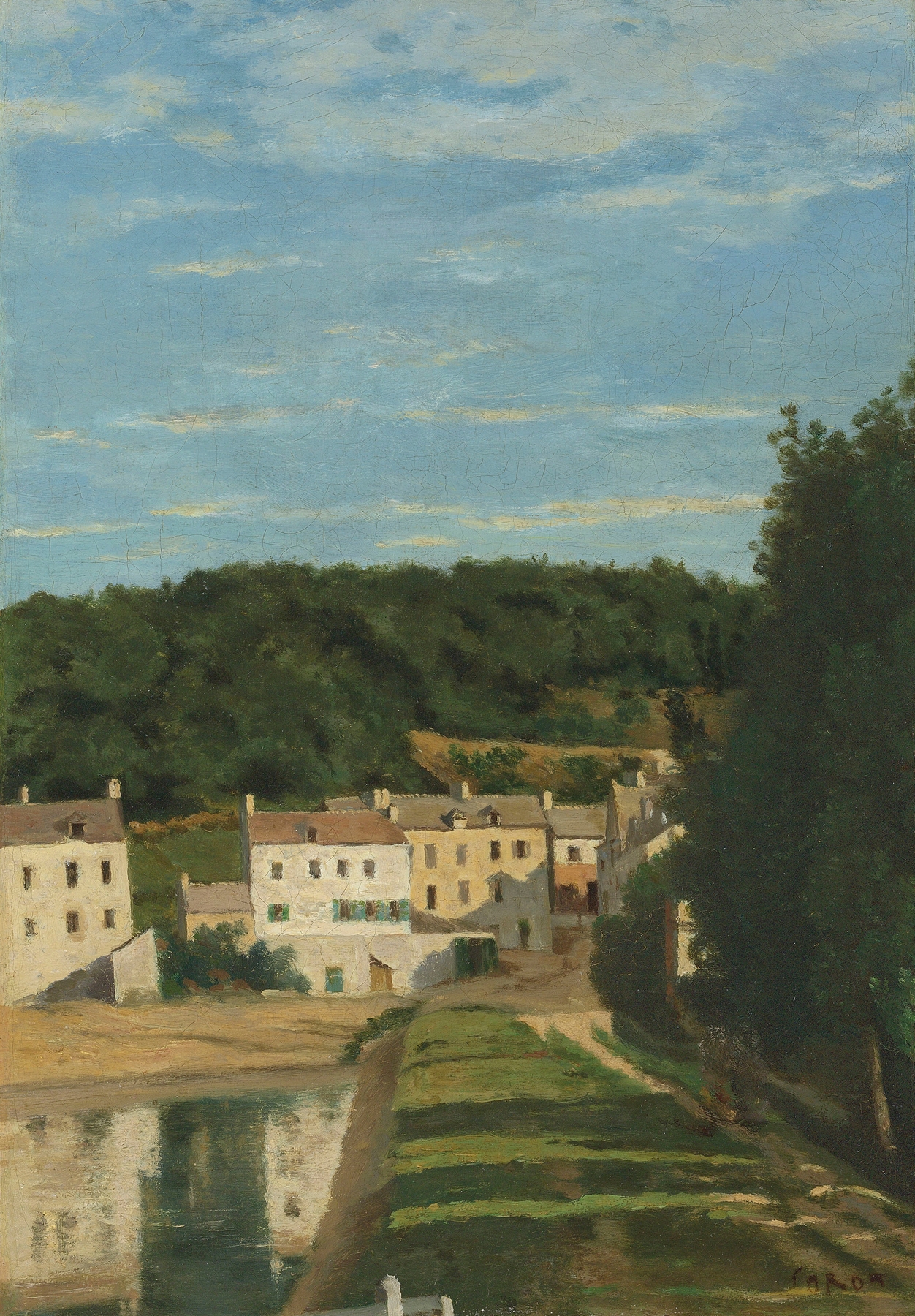
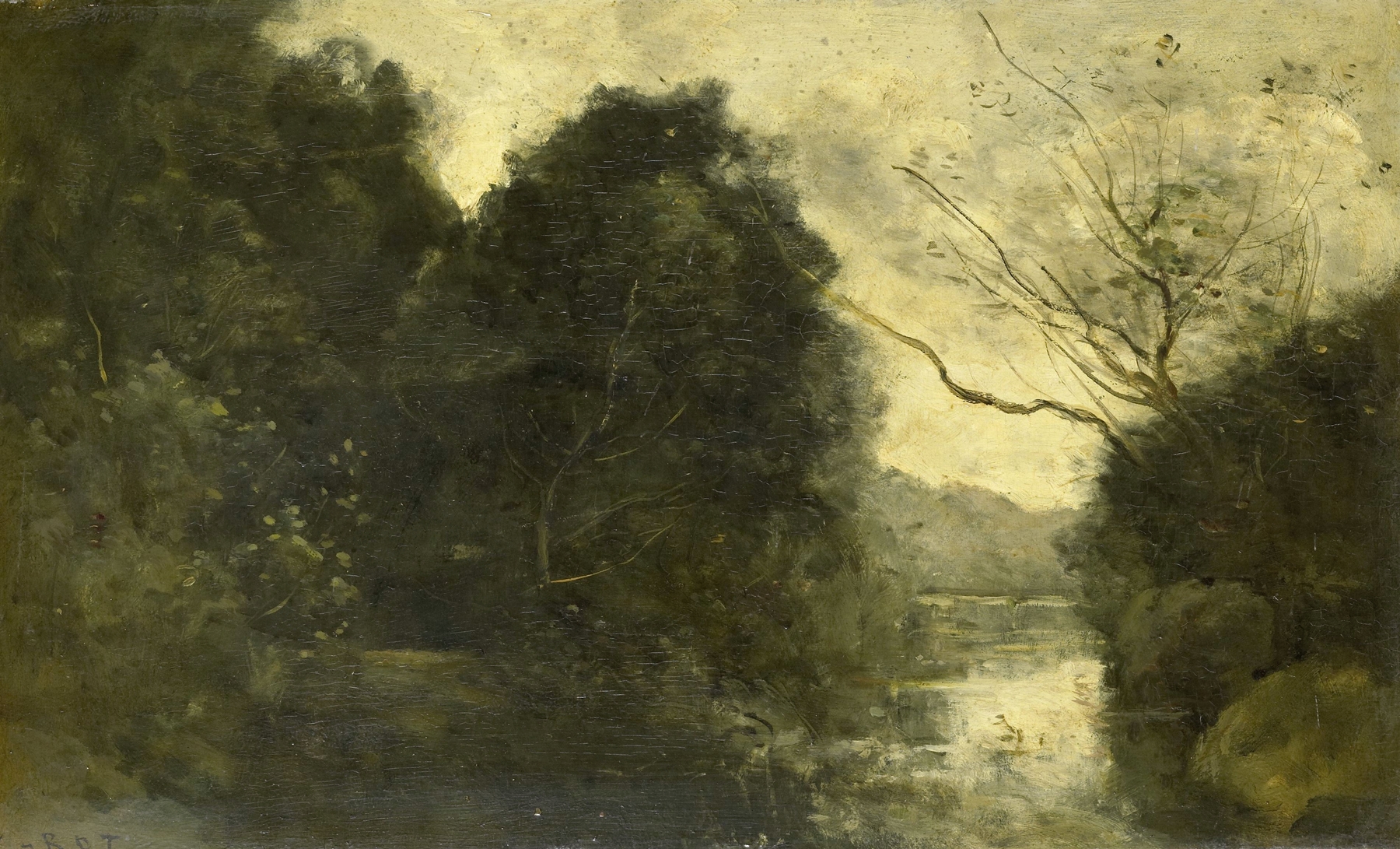
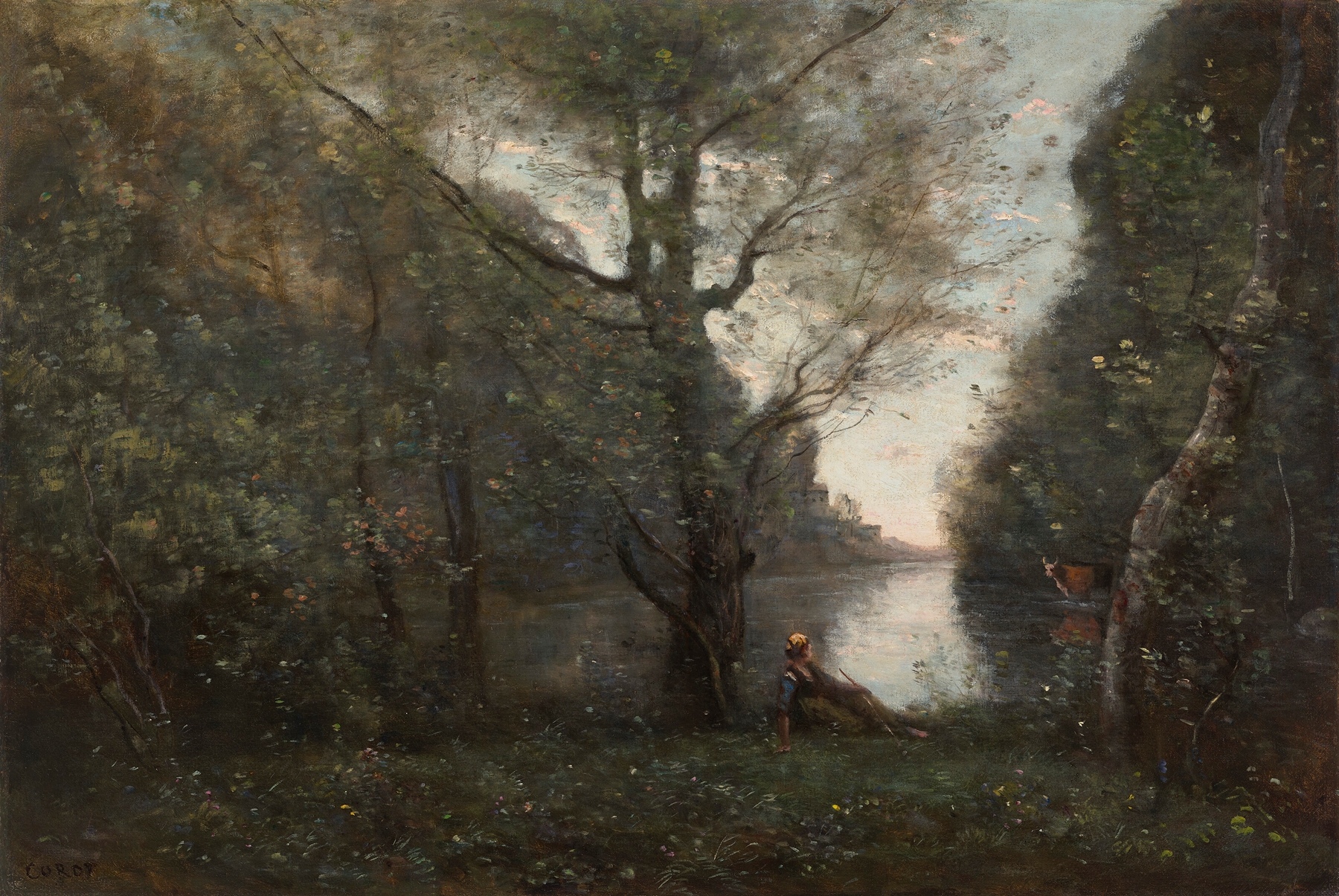
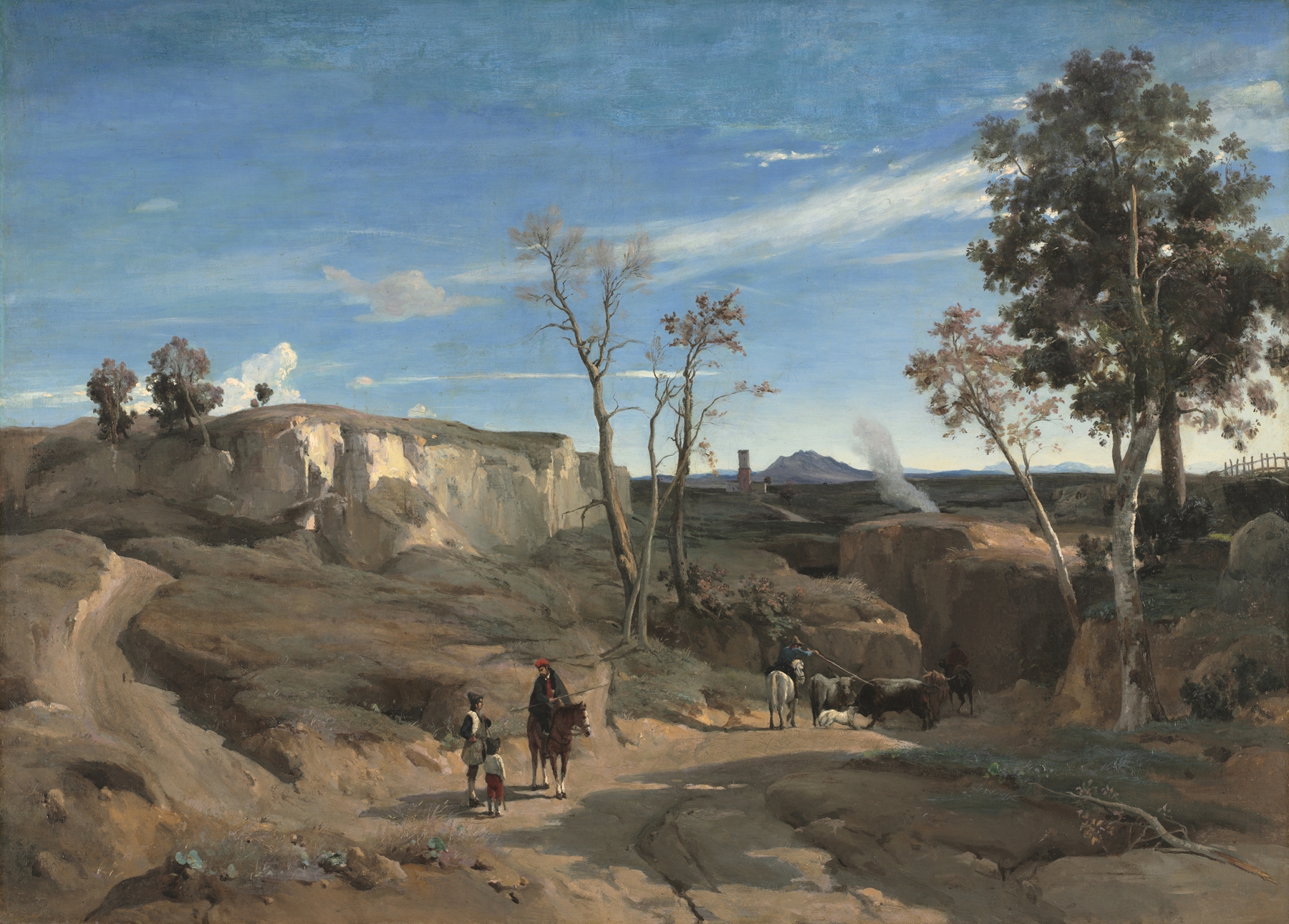
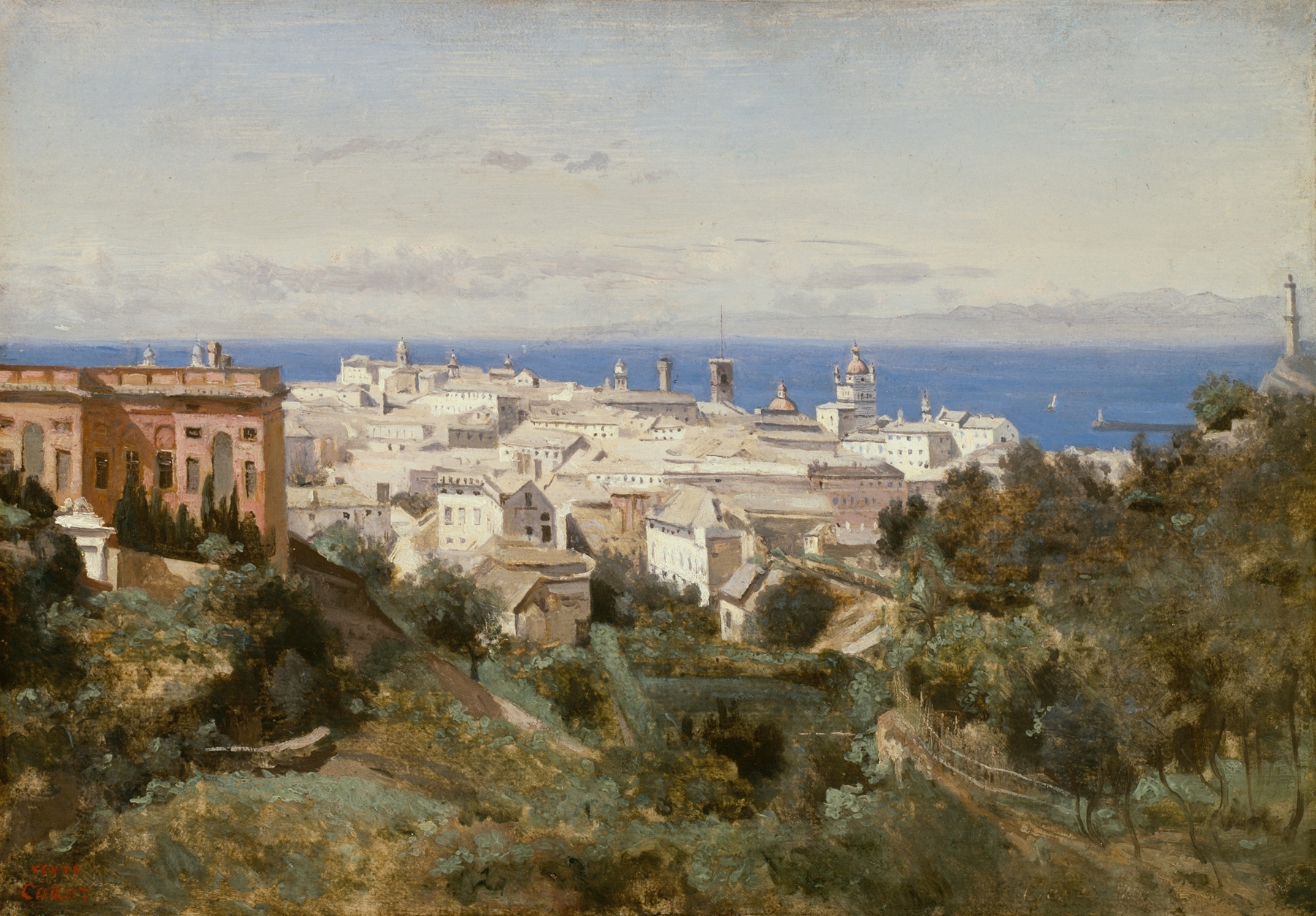
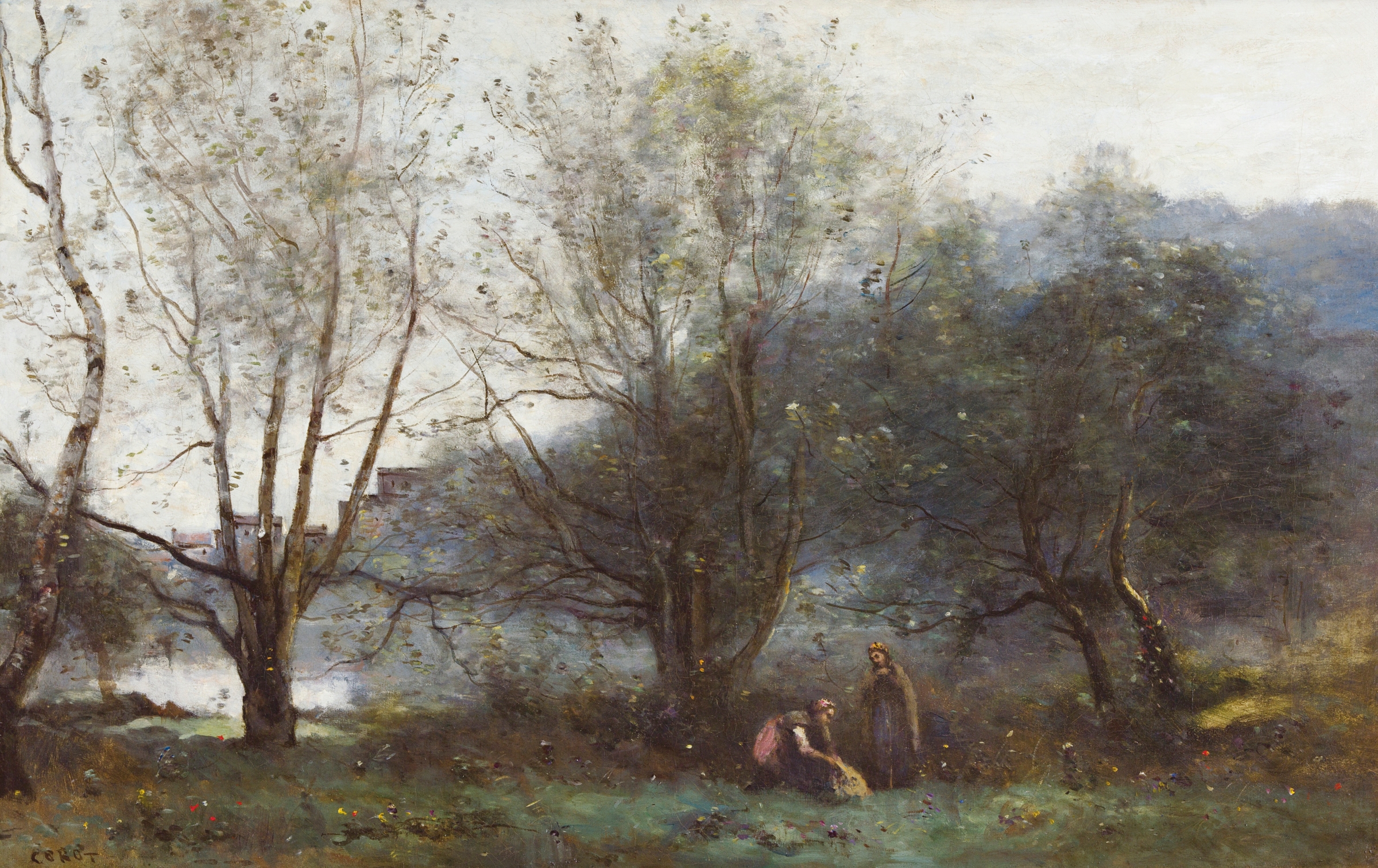
Did the painter know this moment would outlive them? In the quietude of Semur, le chemin d’église, a path meanders through a landscape that feels simultaneously serene and suffocating, inviting contemplation on the passage of time and the weight of unspoken betrayals. Look to the horizon, where soft greens and muted browns blend seamlessly, drawing your gaze toward the distant church. The pale sky hangs heavy with clouds, a subtle, almost oppressive backdrop that enhances the vibrancy of the earthy tones below.
Notice how the light filters through the trees, dappling the path with a warmth that contrasts the coolness of the surrounding shadows, illuminating the delicate brushwork that suggests both immediacy and introspection. As you immerse yourself in this scene, consider the tension between the tranquility of the landscape and the potential undercurrents of betrayal. The winding path hints at a journey, perhaps one laden with secrets, while the church stands as an emblem of a guiding force, a place of refuge and yet, a source of hidden judgment. The harmony of nature juxtaposed with the architectural presence evokes a sense of inevitable conflict, each brushstroke revealing layers of emotional complexity.
During the years 1855-60, while residing in France, the artist captured this essence amid a time of shifting artistic paradigms. Romanticism was giving way to Realism, reflecting broader societal changes. In this transitional period, Corot's work speaks volumes about the individual’s relationship with both nature and the complexities of human emotion, allowing viewers to witness his intimate connection to the world he portrayed.