September Moonrise — History & Analysis
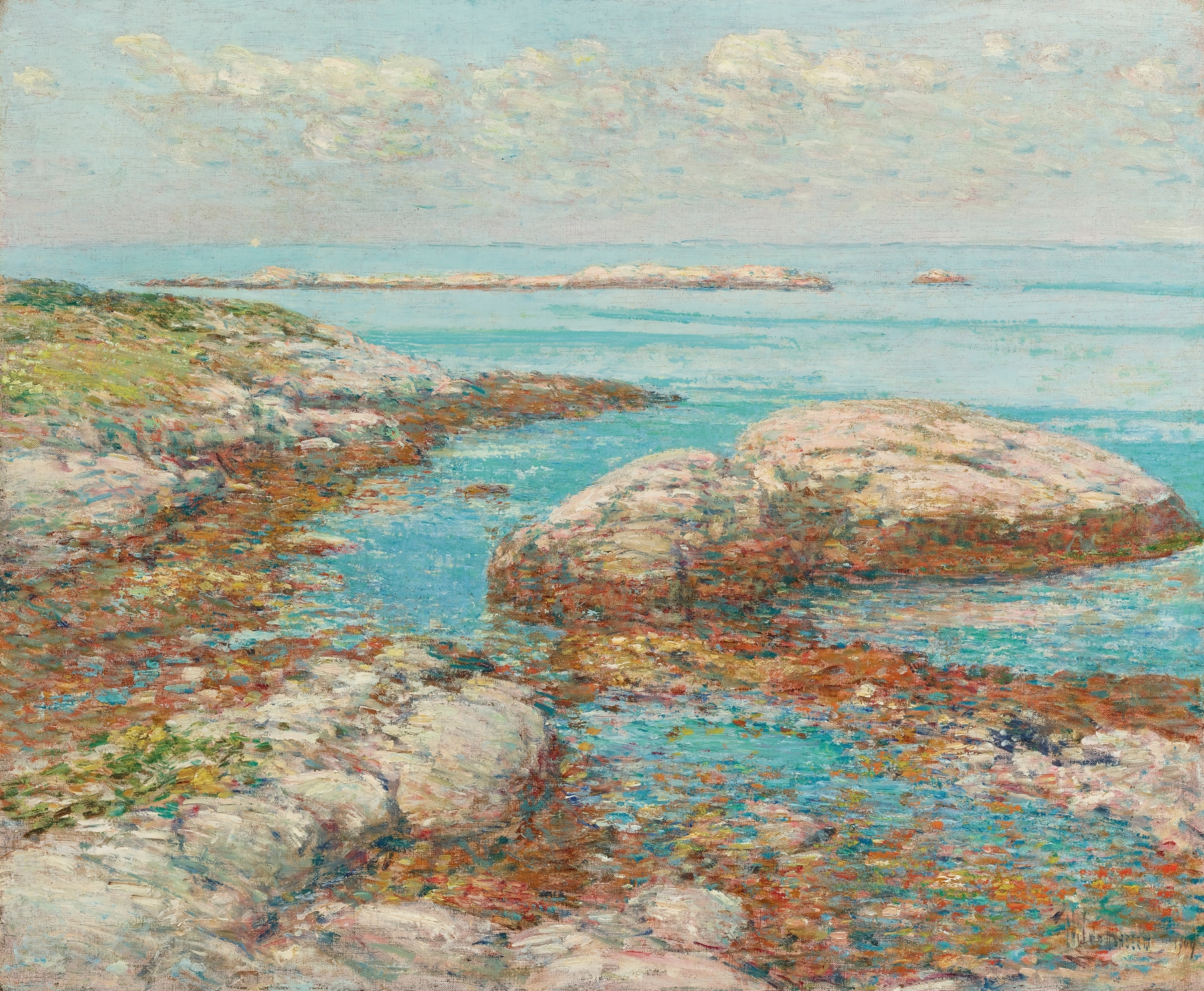
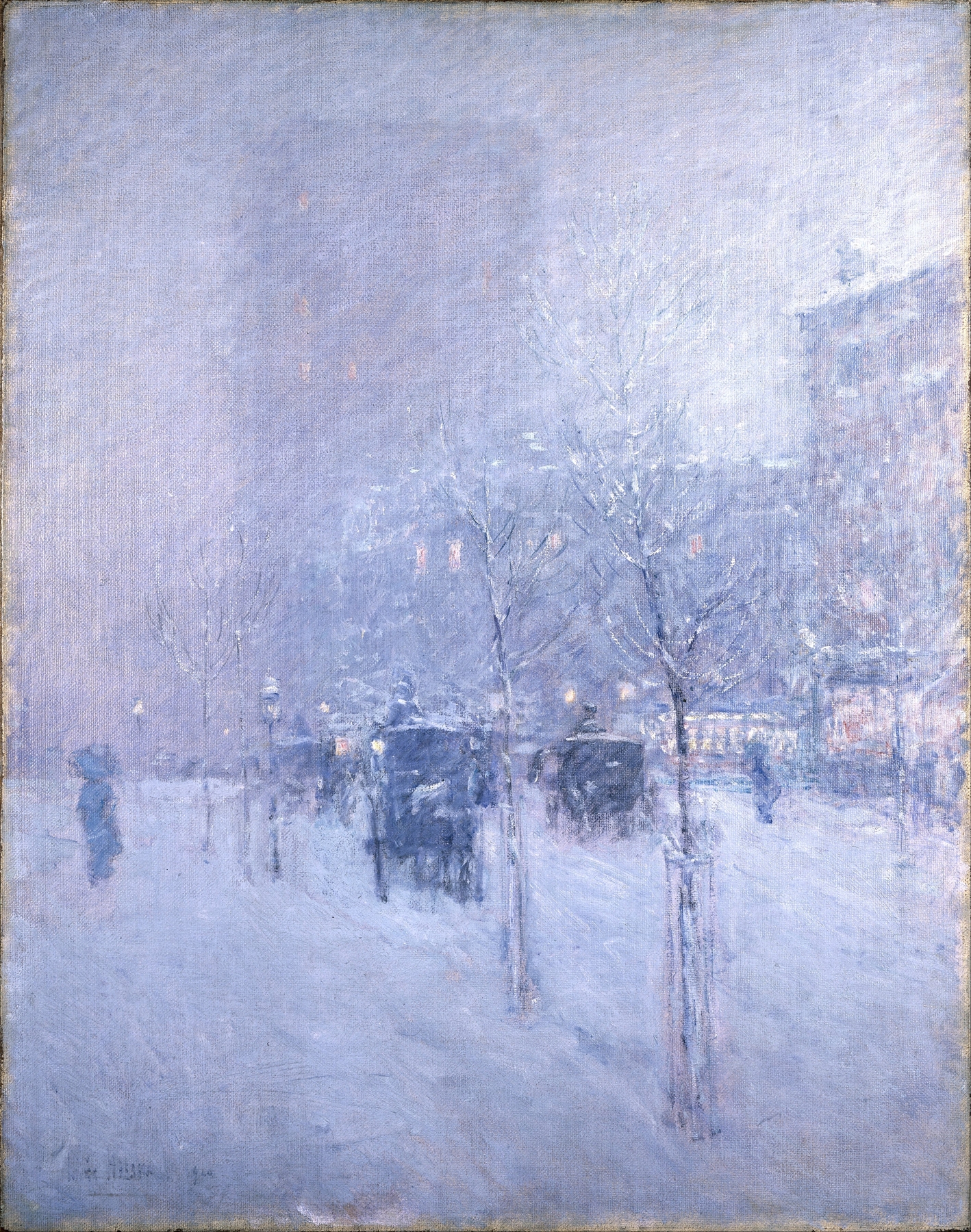
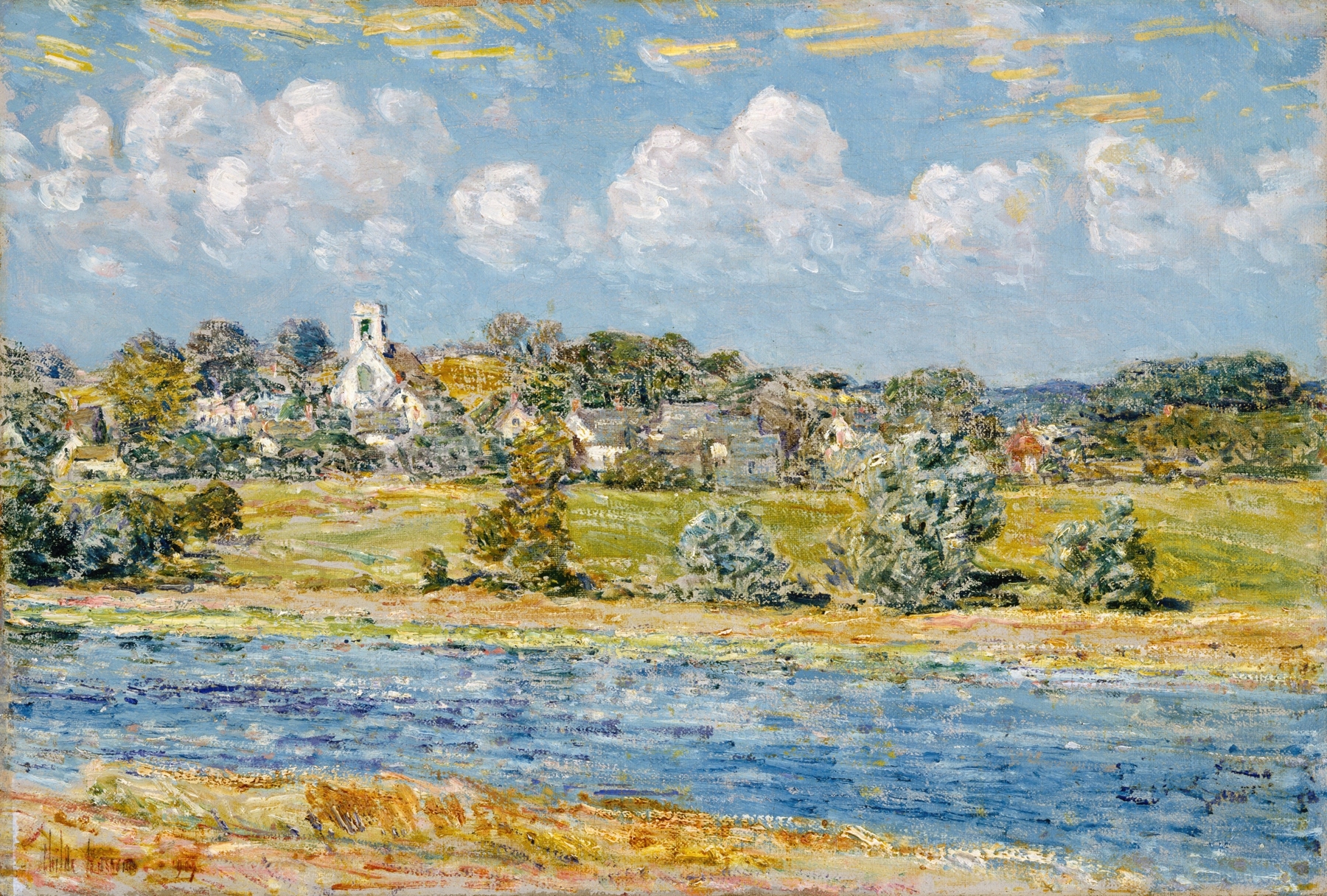
Did the painter know this moment would outlive them? In September Moonrise, the observer is invited to linger in the stillness of twilight, where the canvas breathes with the whispers of time spent in reverie under a luminous sky. Focus on the delicate interplay of colors that dance across the canvas, where soft blues blend seamlessly into muted pinks and warm golds. Notice how the moon, luminous and full, dominates the upper right corner, spilling its light across the serene village below.
The gentle strokes create a sense of tranquility, drawing your gaze toward the silhouettes of trees and rooftops that hint at life, while the subtle brushwork evokes a dreamlike quality, suggesting a world suspended in perfect harmony. Yet beneath the surface beauty lies a deeper tension: the void between day and night, the fleeting nature of moments, and the silent presence of the unknown. The contrast between the vibrant moonlight and the darkening landscape evokes an emotional resonance, a reminder of the passage of time, both comforting and unsettling. The stillness of the scene speaks to a longing that quietly permeates the air, an unfulfilled yearning that lingers like the soft glow of dusk.
Created in 1900, this piece emerged during a transformative period for the artist, who was deeply influenced by the Impressionist movement. Living in Massachusetts, he sought to capture the fleeting effects of light and atmospheric conditions in his work. At the dawn of the 20th century, as America grappled with rapid industrialization and change, September Moonrise stands as a poignant testament to the beauty of nature, encapsulating the artist’s desire to immortalize transient moments against the backdrop of a shifting world.