Shadows on the Dunes — History & Analysis
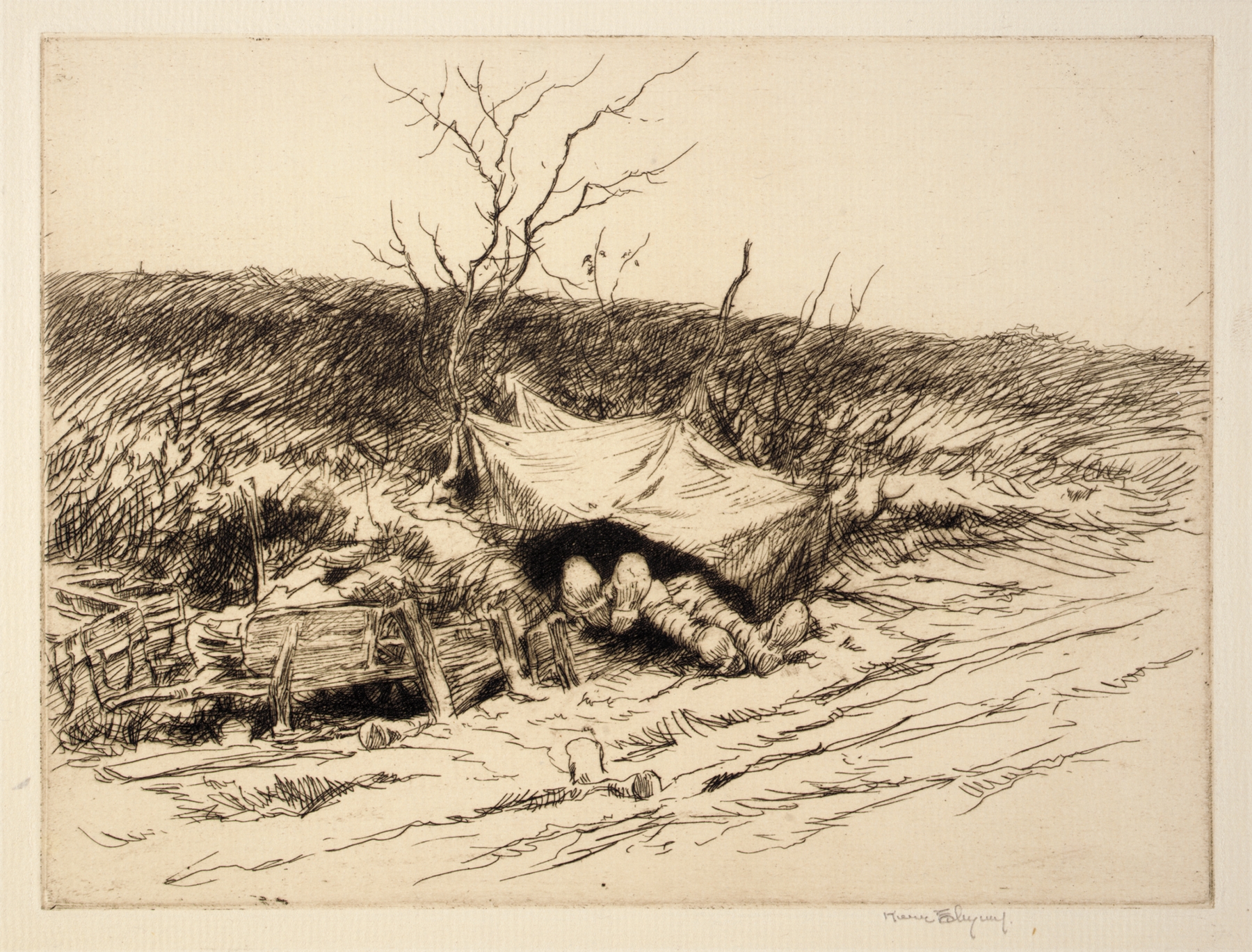
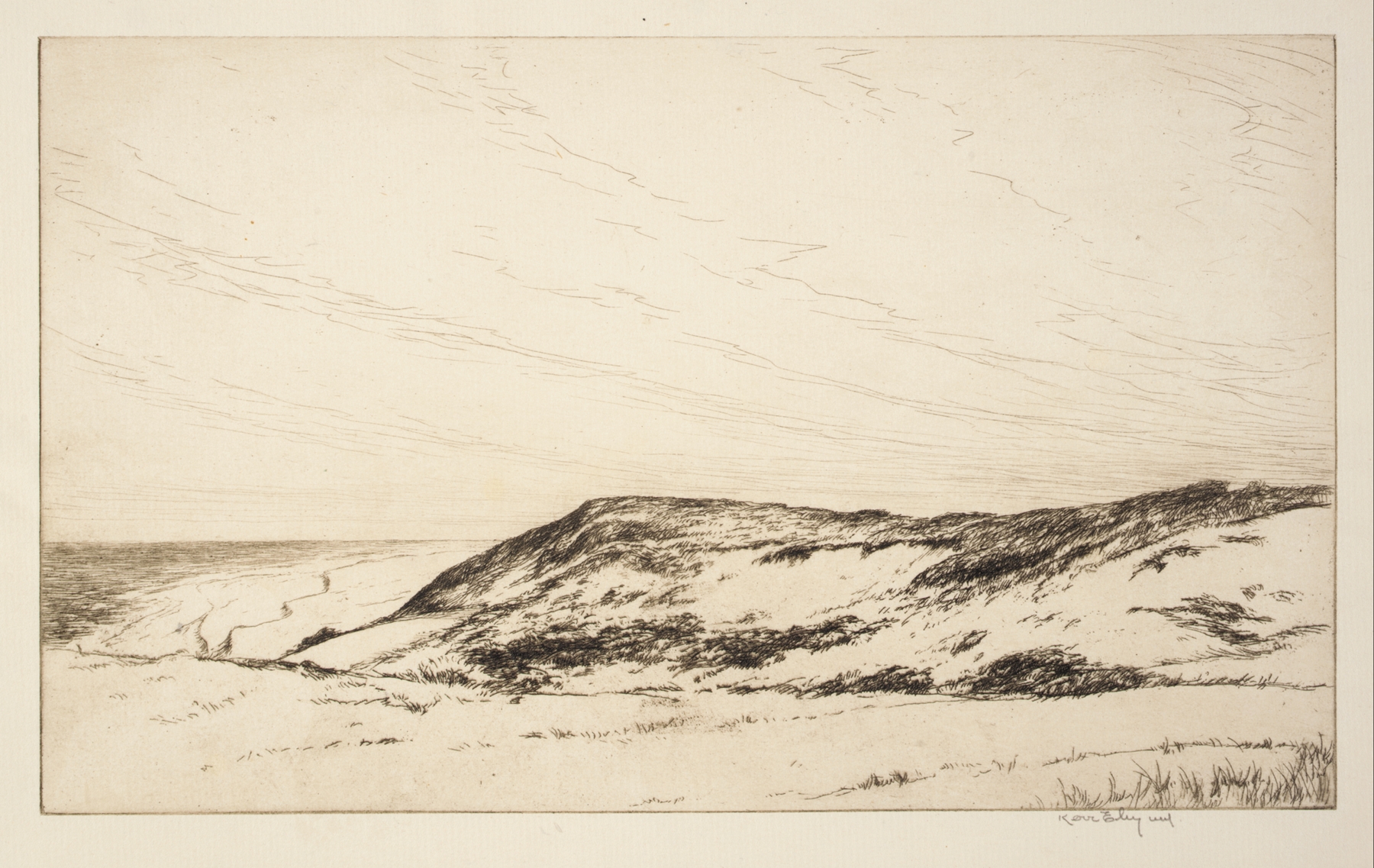
Is this a mirror — or a memory? Shadows drift across the dunes, evoking a fleeting sense of time that intertwines with the essence of decay. Look closely at the undulating lines of sand, where shades of ochre and soft browns blend seamlessly, each whispering stories etched by the passage of time. The interplay of light and shadow creates depth, inviting you to wander through the landscape as if navigating the labyrinth of memory.
Notice how the sparse vegetation, almost skeletal in form, stands in stark contrast to the rich earthiness of the dunes, hinting at life’s tenacity amid inevitable decline. As you explore further, subtle hints of emotional tension emerge. The elongated shadows cast by the low sun symbolize both absence and presence—remnants of what once was, now merely echoes in the landscape. The choice of muted colors speaks not only to the natural world but also to a collective sense of nostalgia, as if the dunes themselves are repositories of forgotten stories and abandoned dreams.
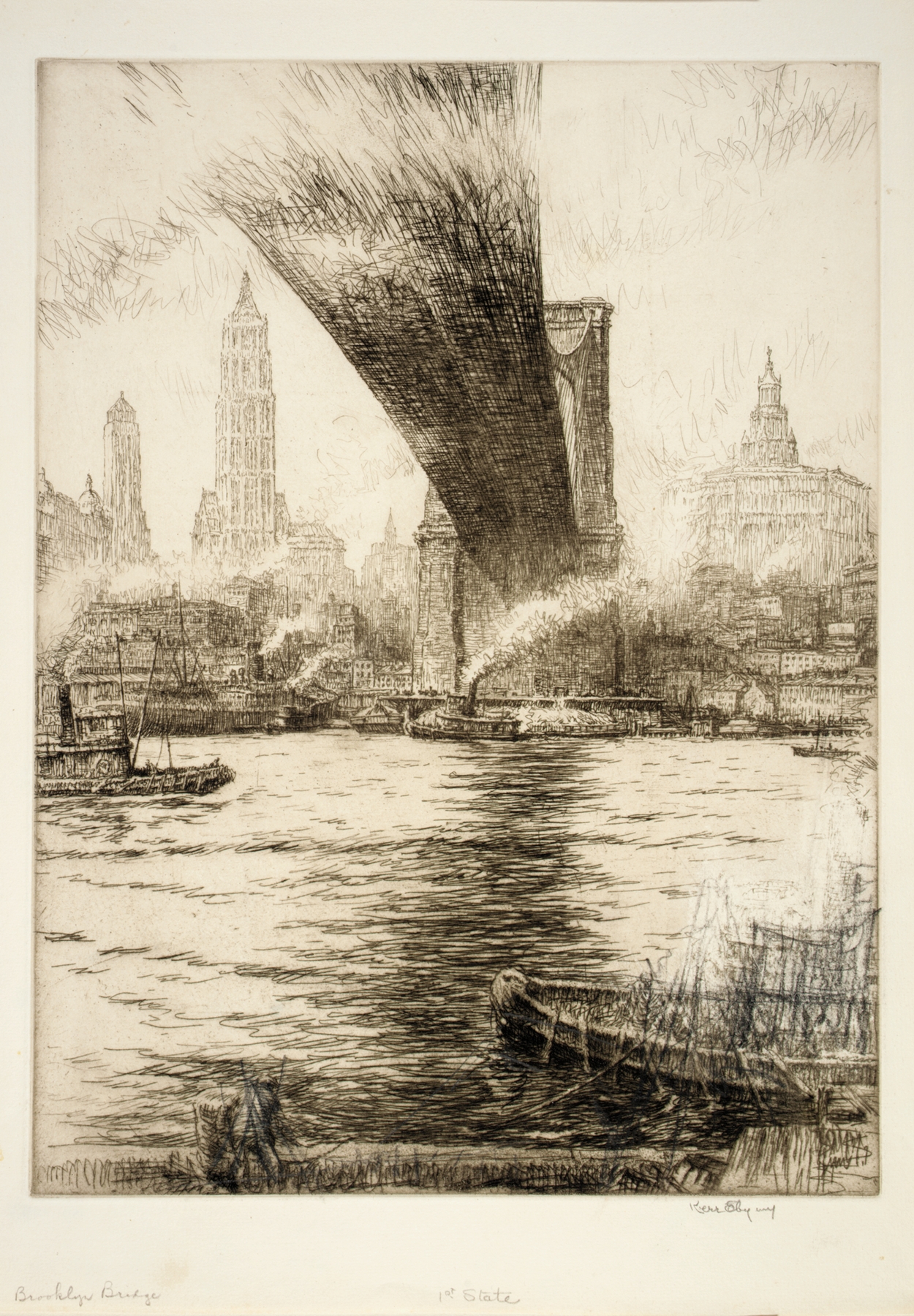
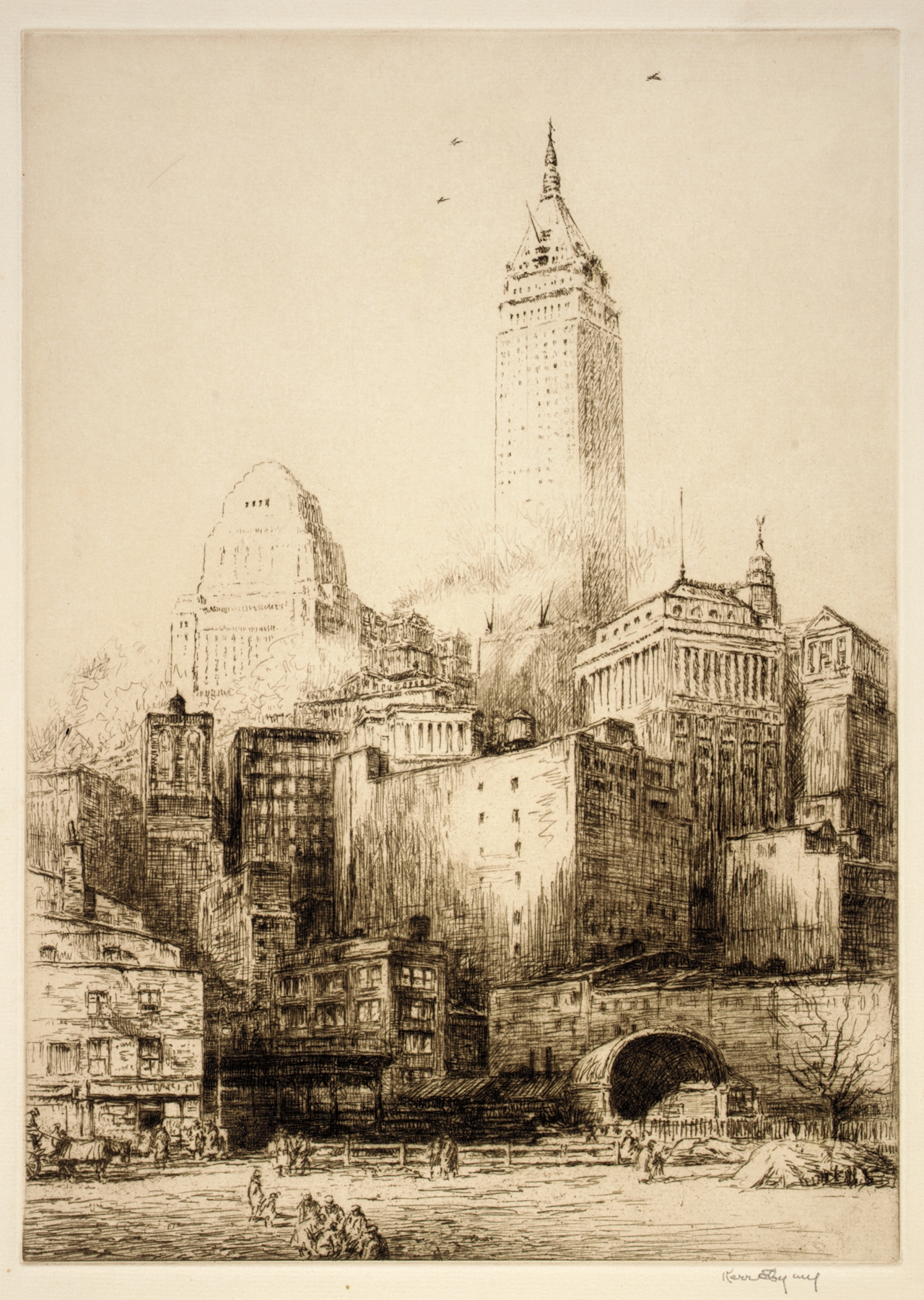
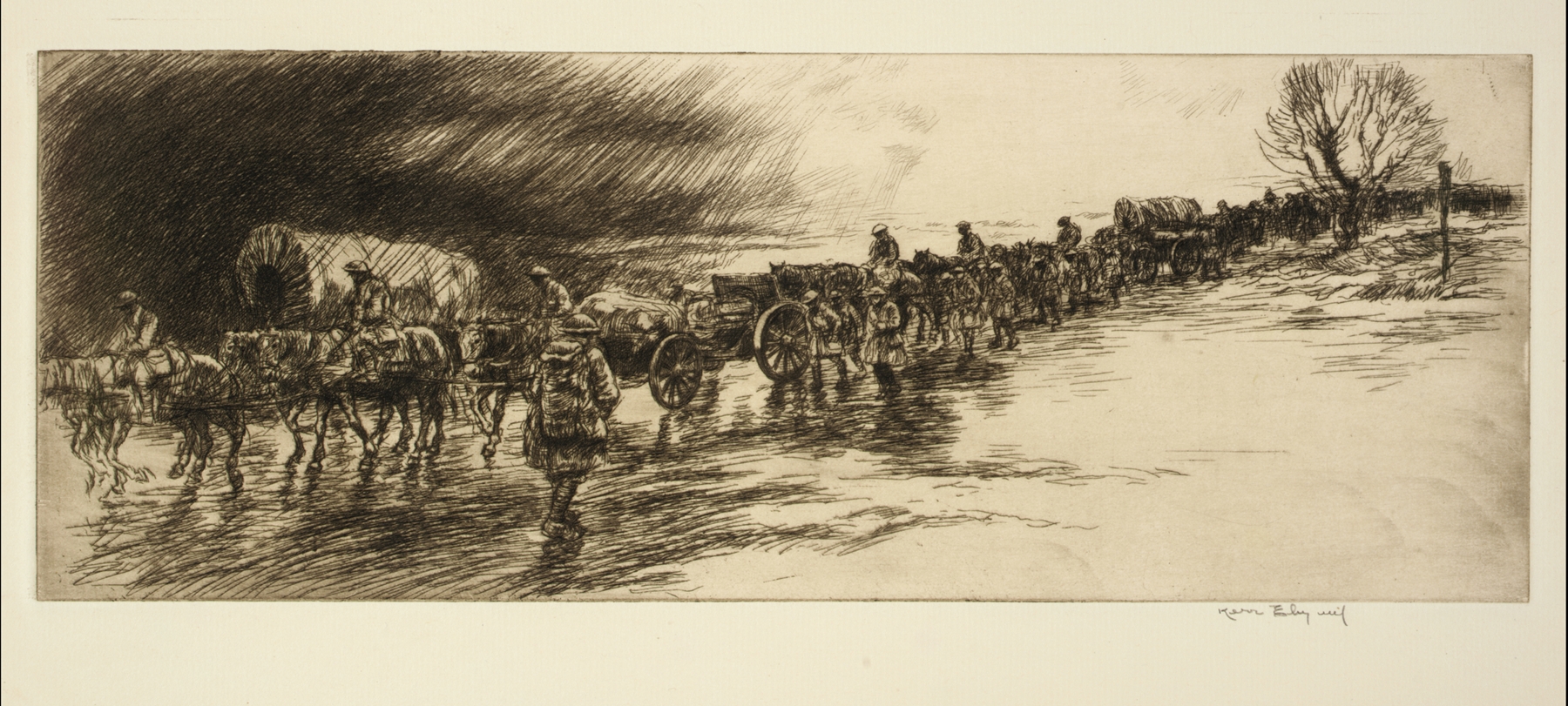
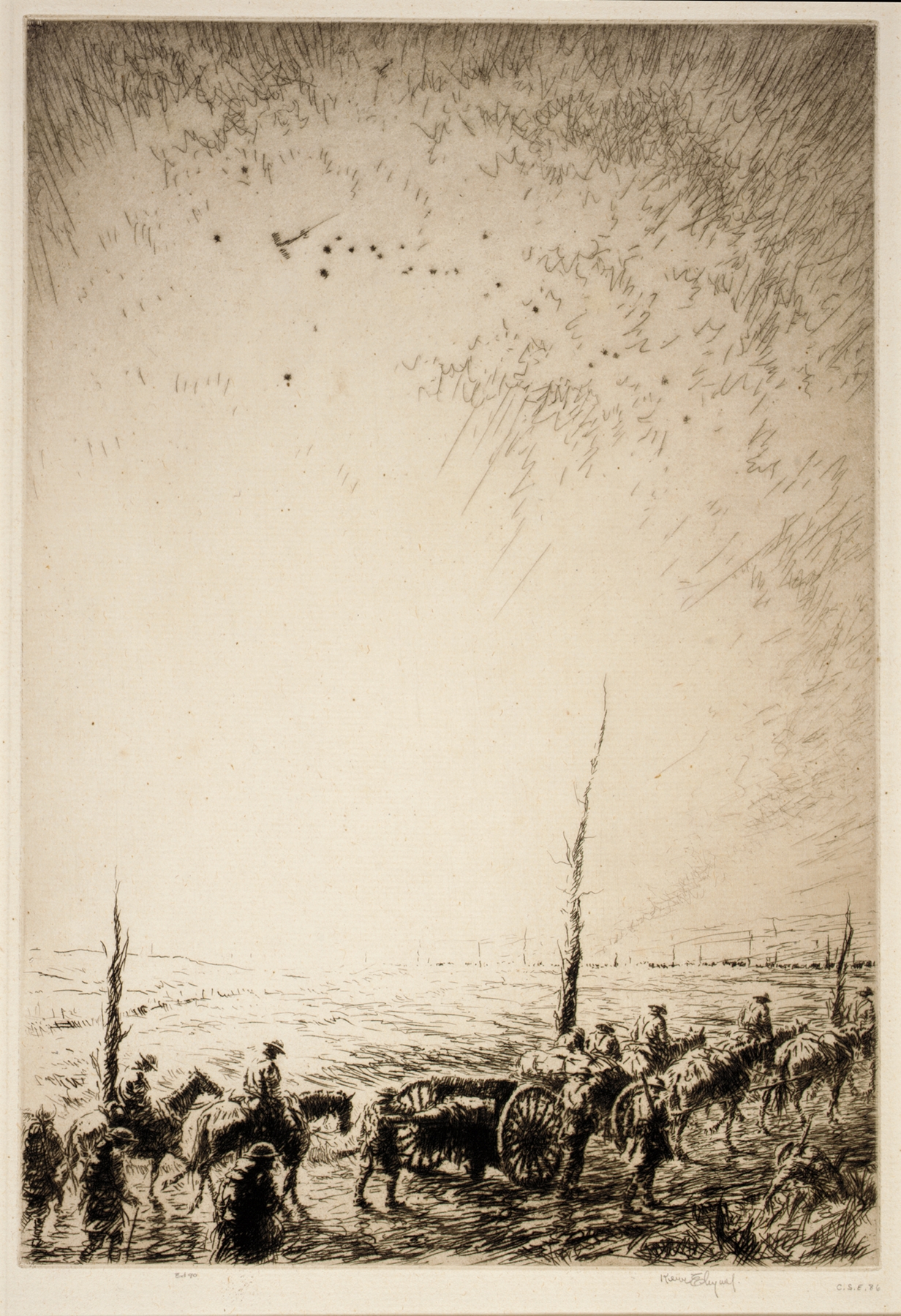
Each grain of sand appears to carry the weight of time, suggesting a cycle of decay inherent in nature. In 1921, Kerr Eby painted this piece during a time when American artists were exploring modernism and capturing the psychological depth of the landscape. Living in New York, he was influenced by his experiences in the natural world and his observations of societal change following World War I. This work reflects a moment of introspection, blending the physical and emotional landscapes in a poignant exploration of transience.