Shipping in the English Channel — History & Analysis
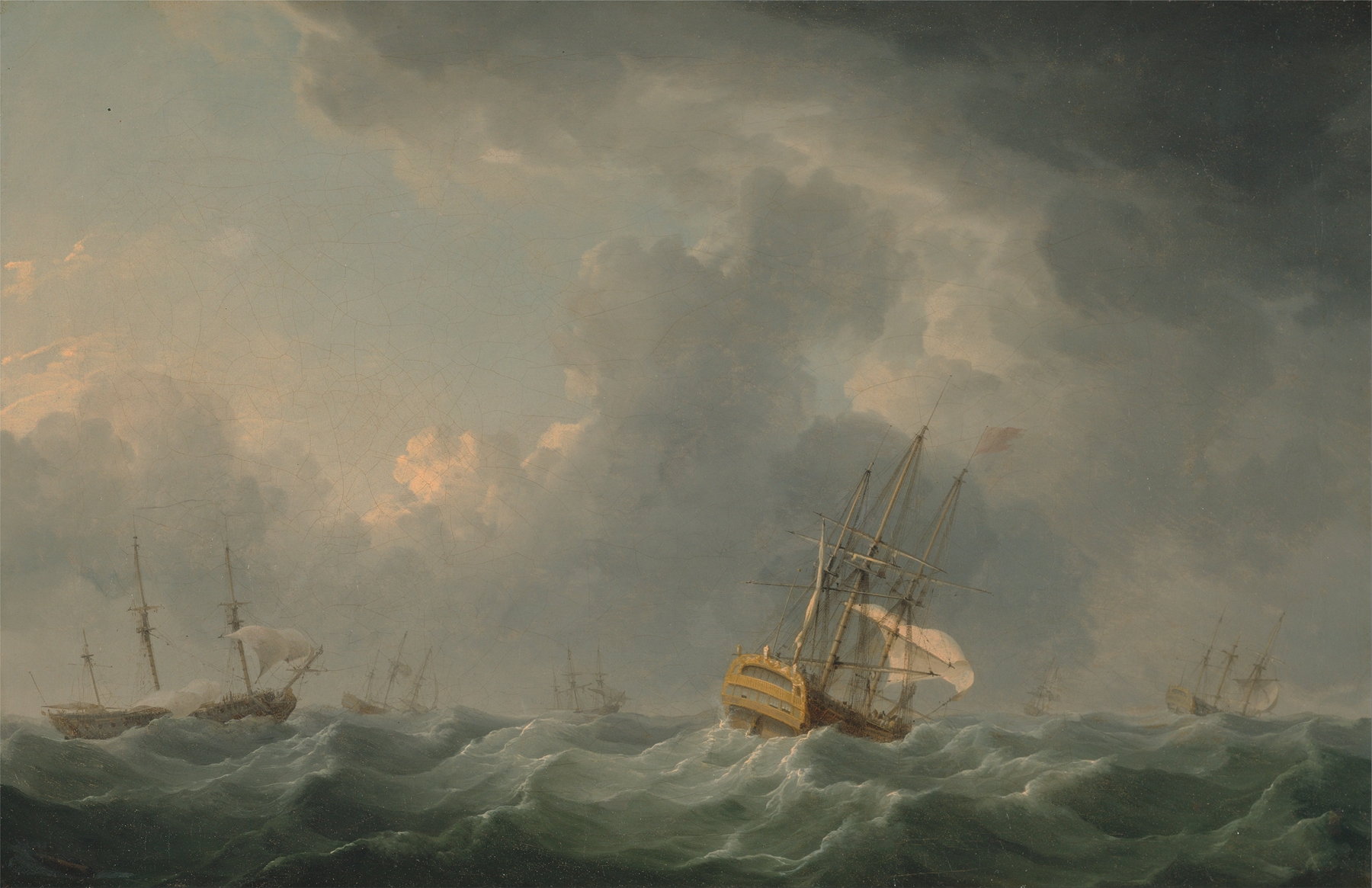
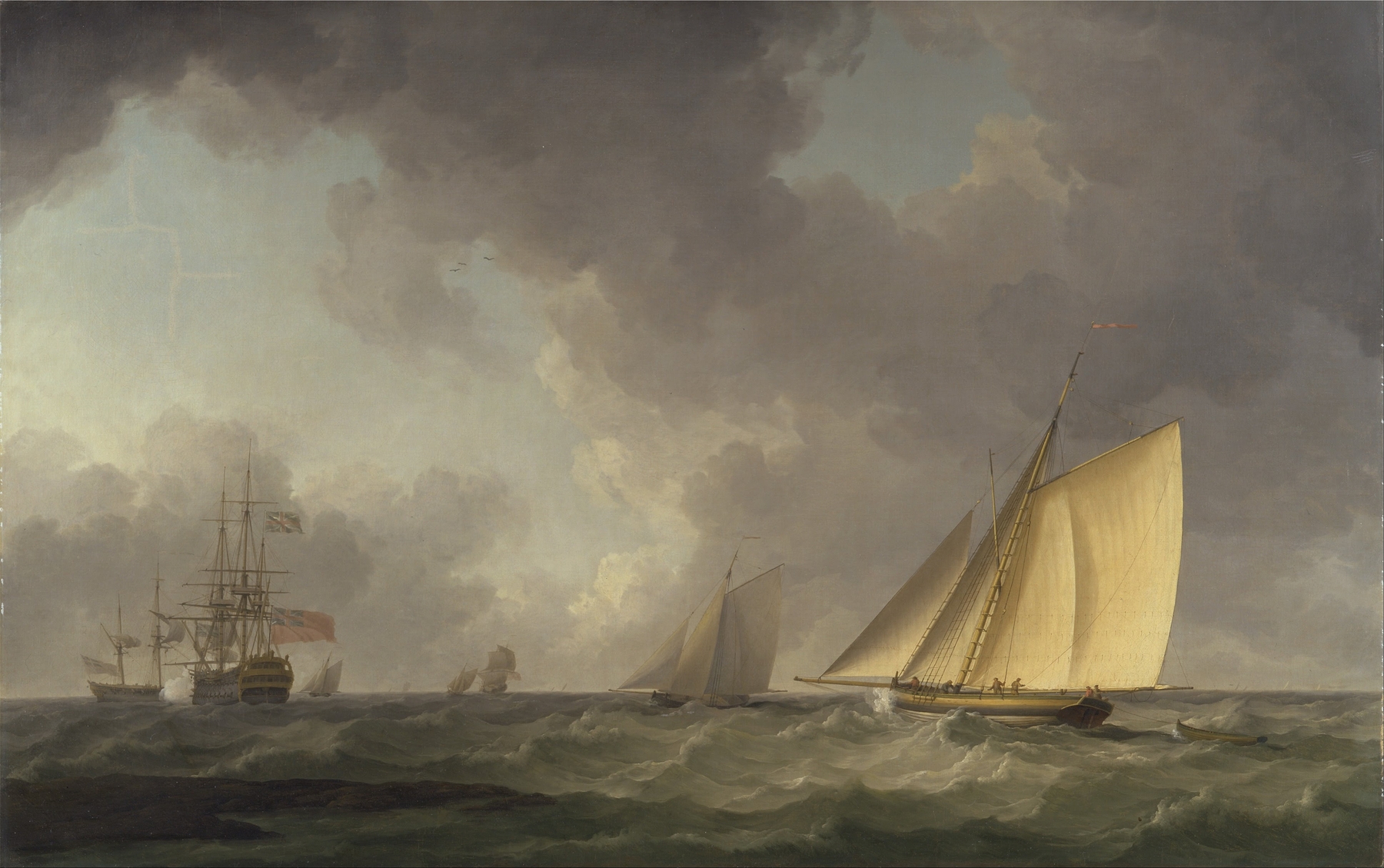
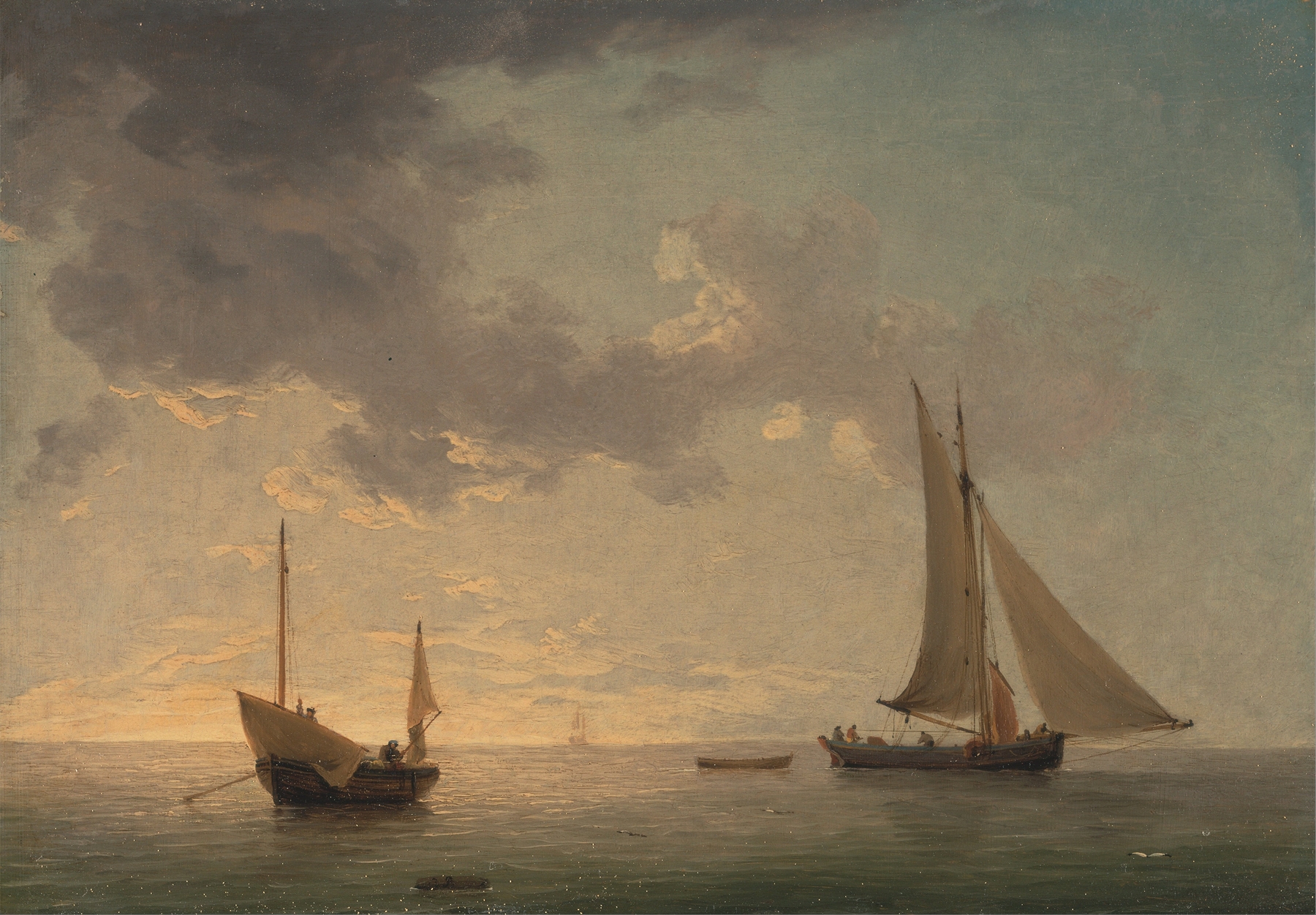
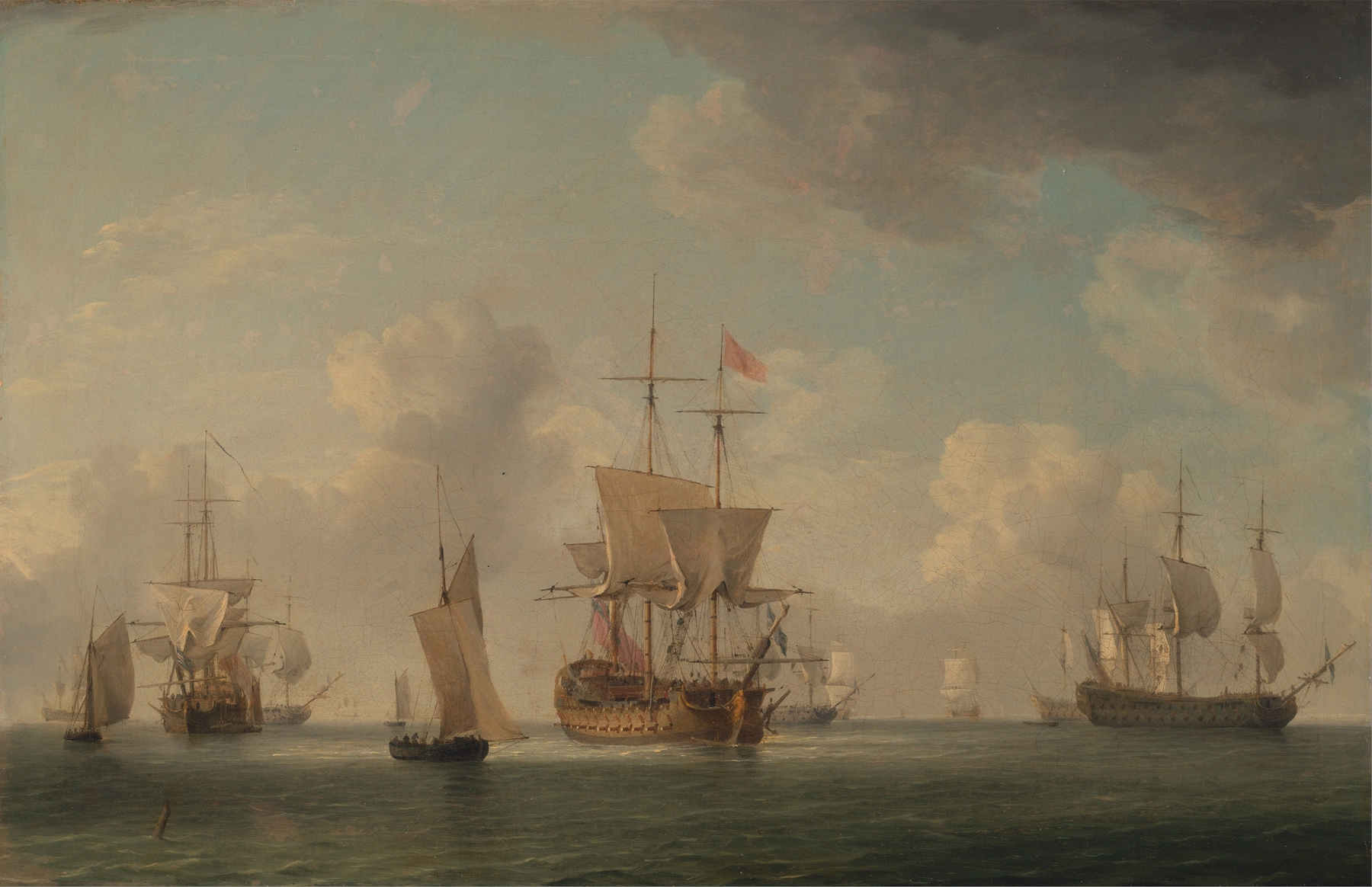
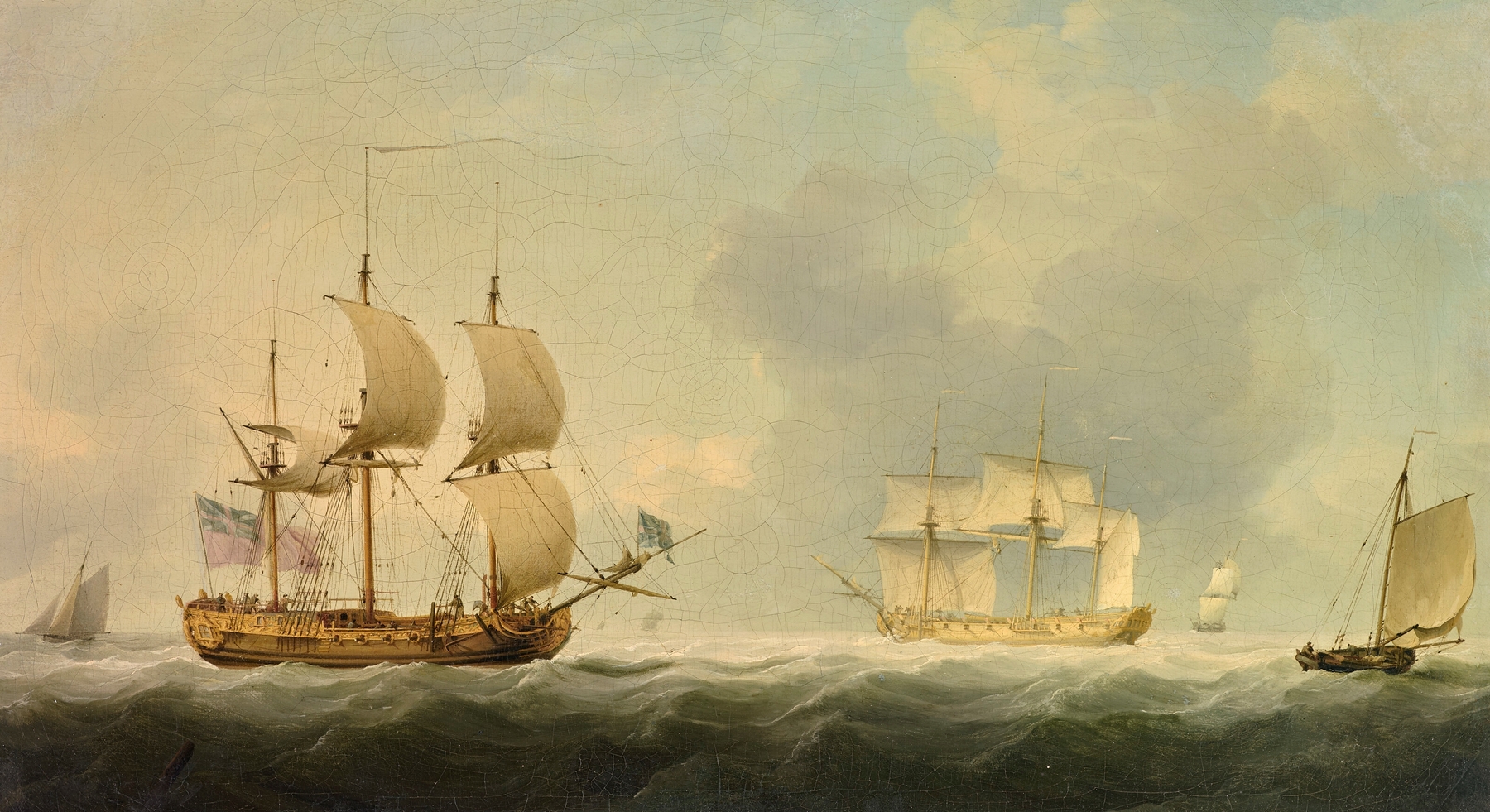
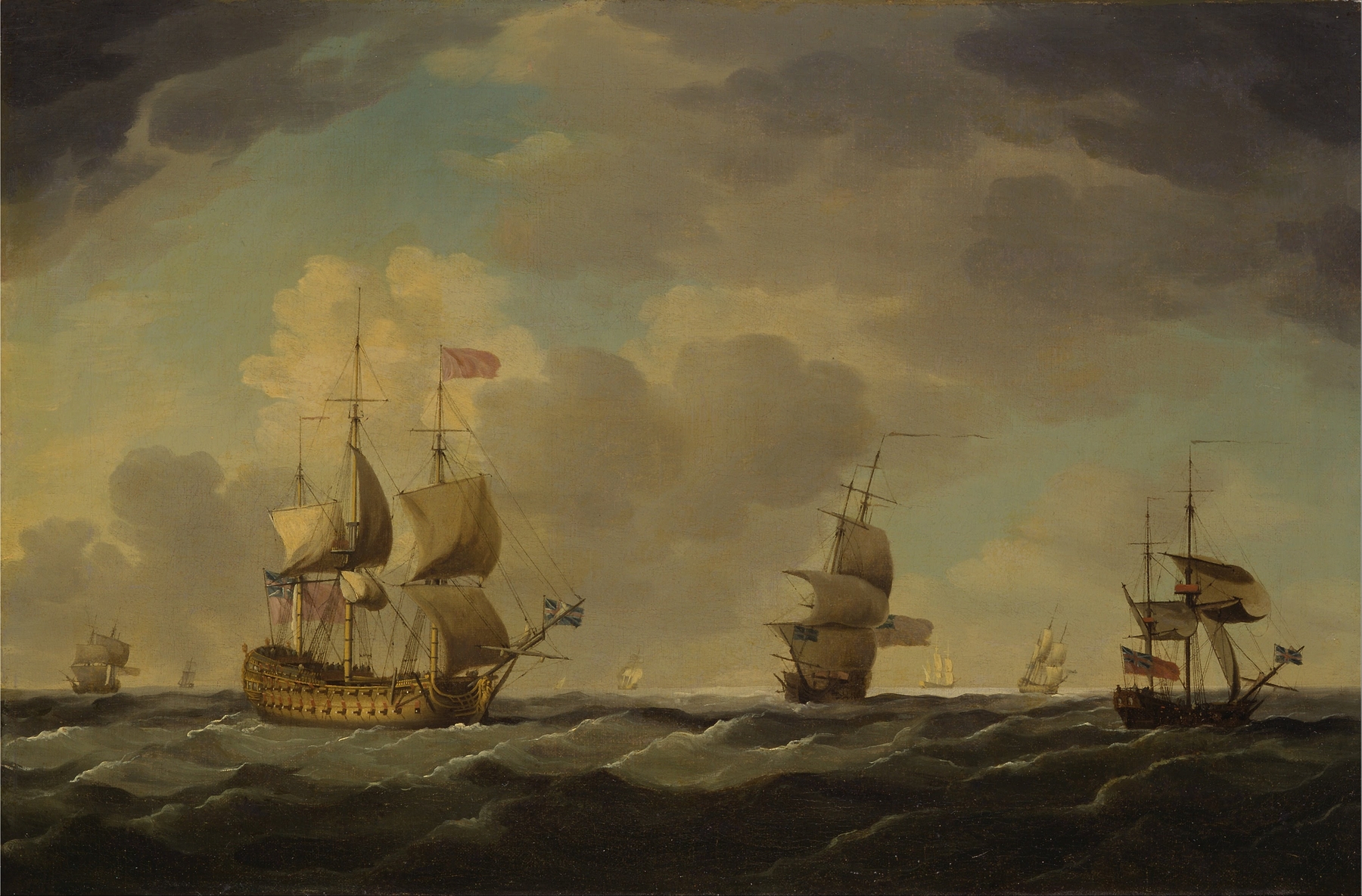
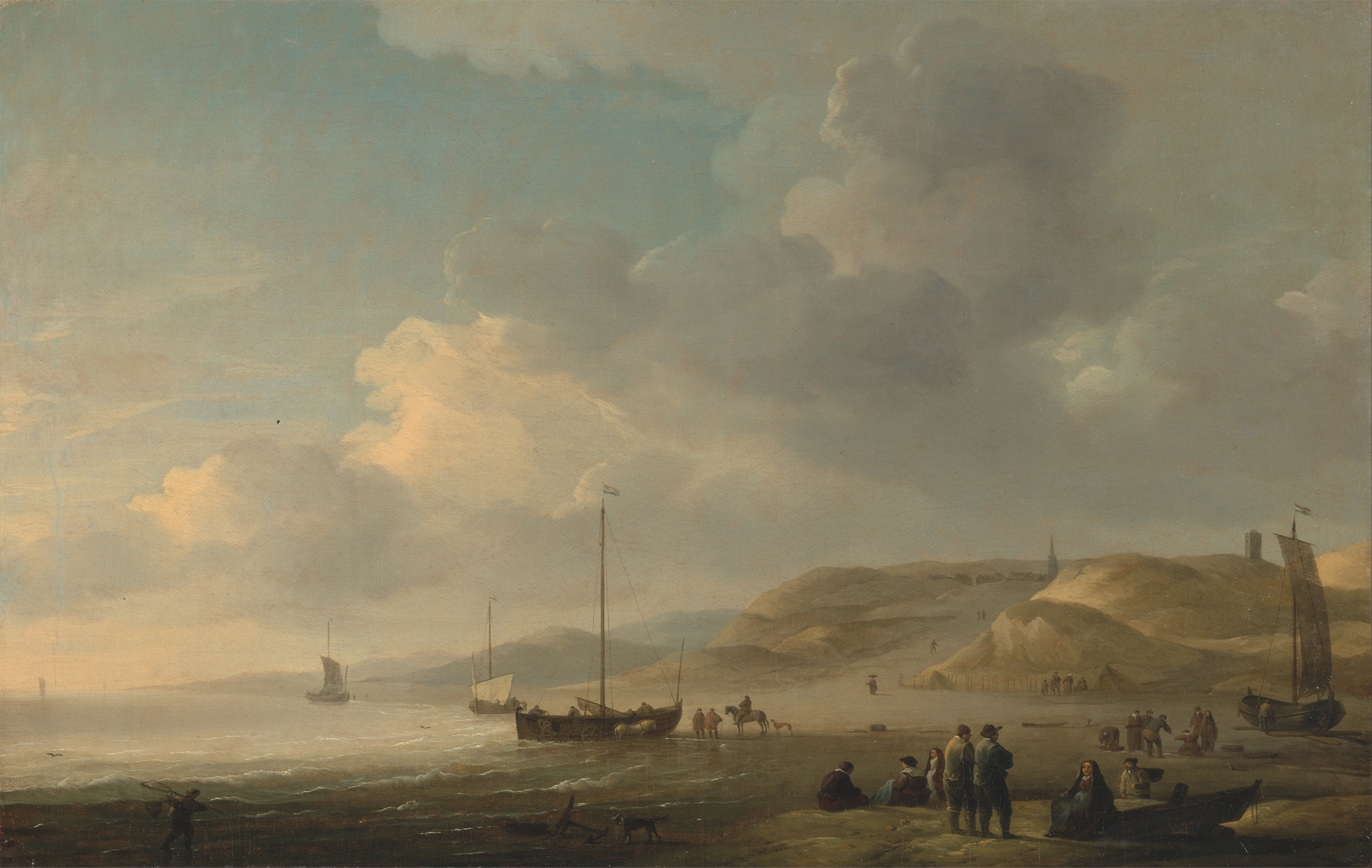
“Sometimes beauty is just pain, disguised in gold.” The gaze upon a body of water often brings solace, yet beneath its shimmering surface lies a tale of struggle and ambition. In Shipping in the English Channel, movement transforms from mere activity into a profound exploration of human endeavor. Focus on the left side of the painting where a cluster of ships, their sails taut against the brisk wind, race across the undulating waves. Bright blues and whites swirl together, evoking both the energy of the sea and the urgency of the moment. The artist’s delicate brushwork captures the texture of the water, while warm sunlight glints off the vessels, contrasting with the cooler tones of the distant horizon.
The composition draws the eye from the stormy sky above to the vibrant life below, creating a dynamic tension that anchors the viewer's attention. Yet, beneath this vibrant canvas lies a deeper narrative. The juxtaposition of the bustling ships against the ominous clouds signals the constant dance between nature’s beauty and its peril. Each vessel represents not only commerce but the relentless pursuit of progress amid looming storms.
The lively surface of the painting belies the risks faced by those who navigate these waters, hinting at the invisible weight of unseen struggles. Charles Brooking painted this work in 1755 amidst the bustling maritime culture of England during the height of the Age of Sail. His focus on maritime themes reflected both the economic vitality and the inherent dangers of the time. This piece stands as a testament to an era where sea trade flourished, even as it beckoned disaster, revealing the complexities of beauty intertwined with hardship.