Ships at Sea — History & Analysis
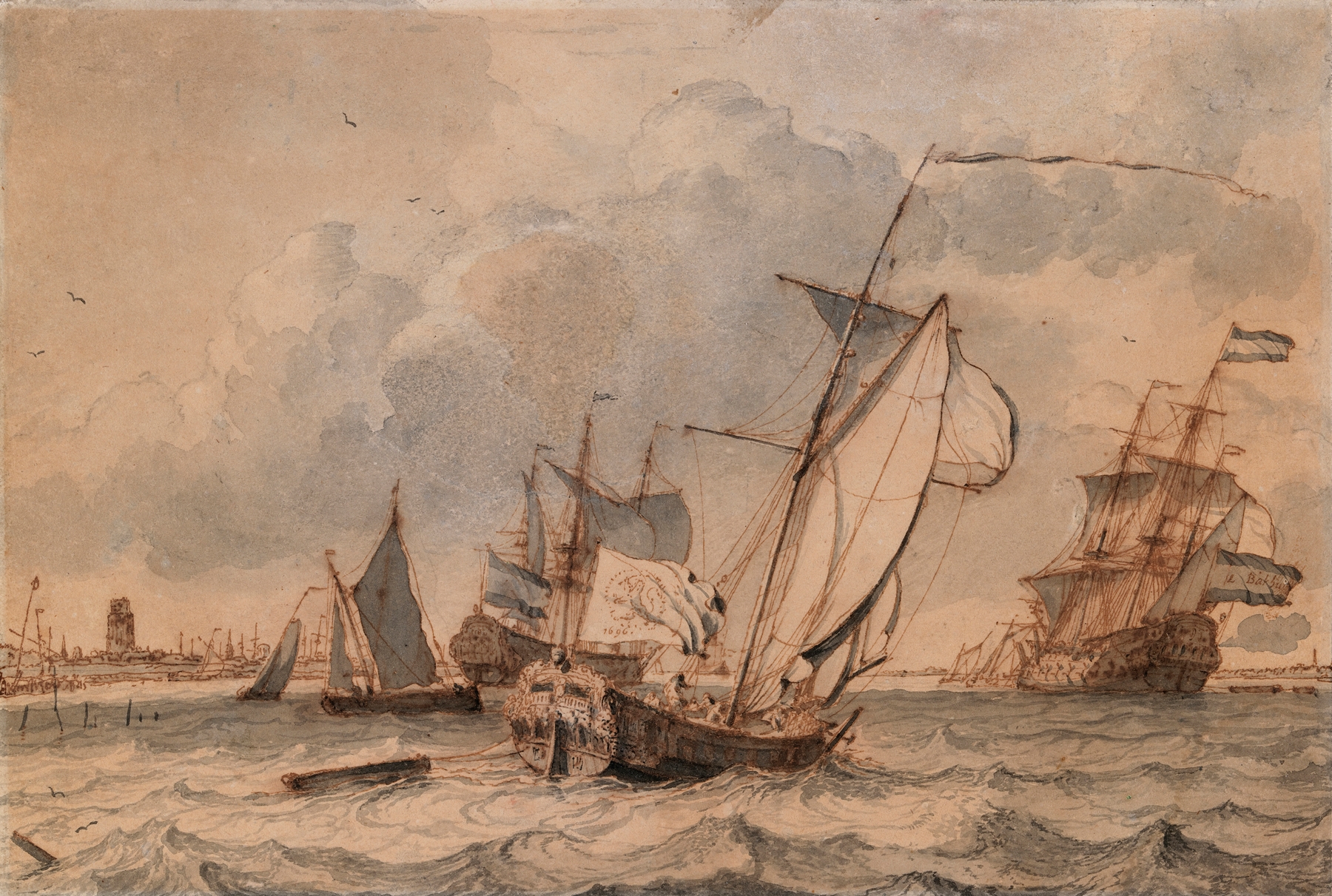
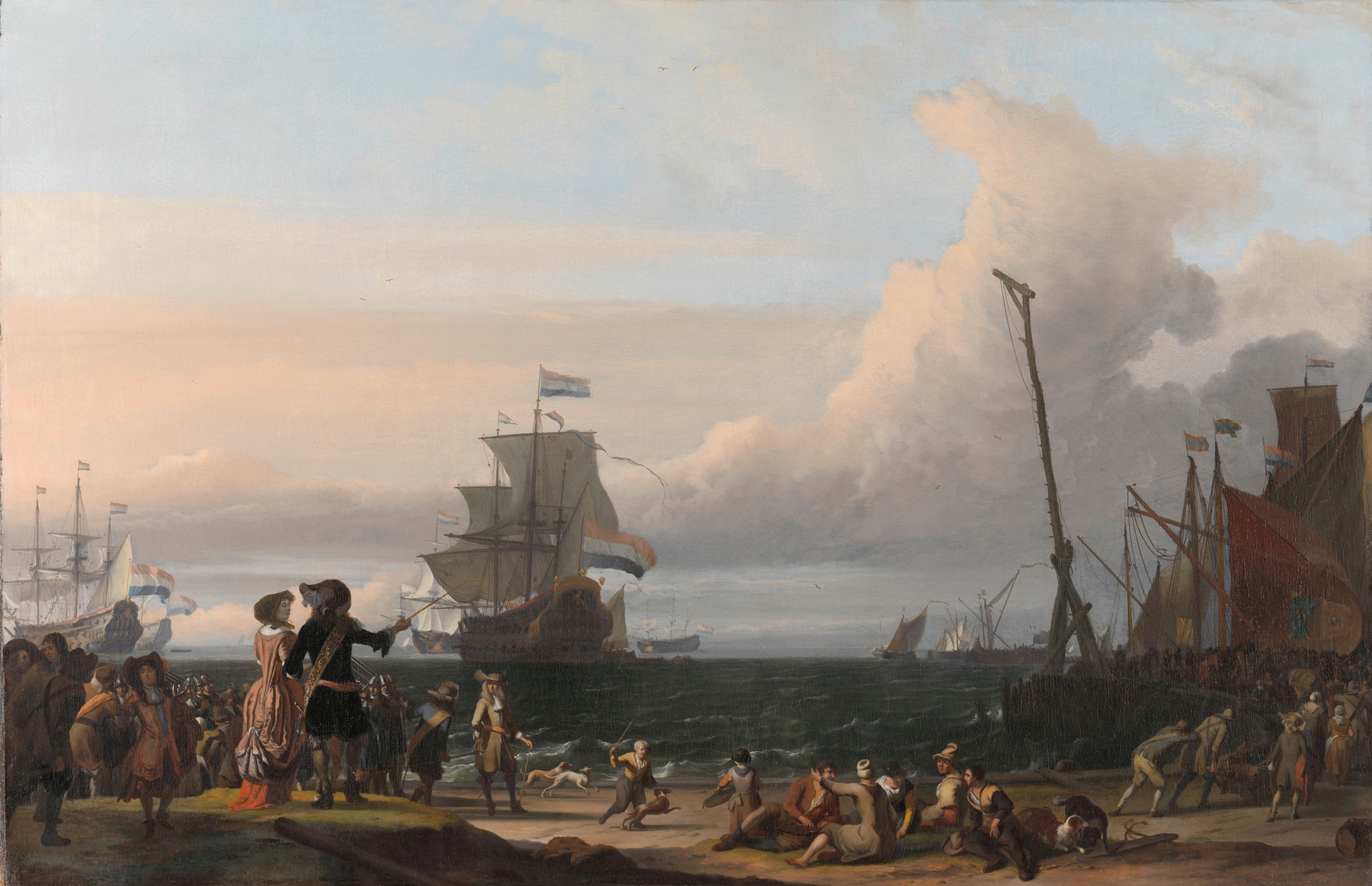
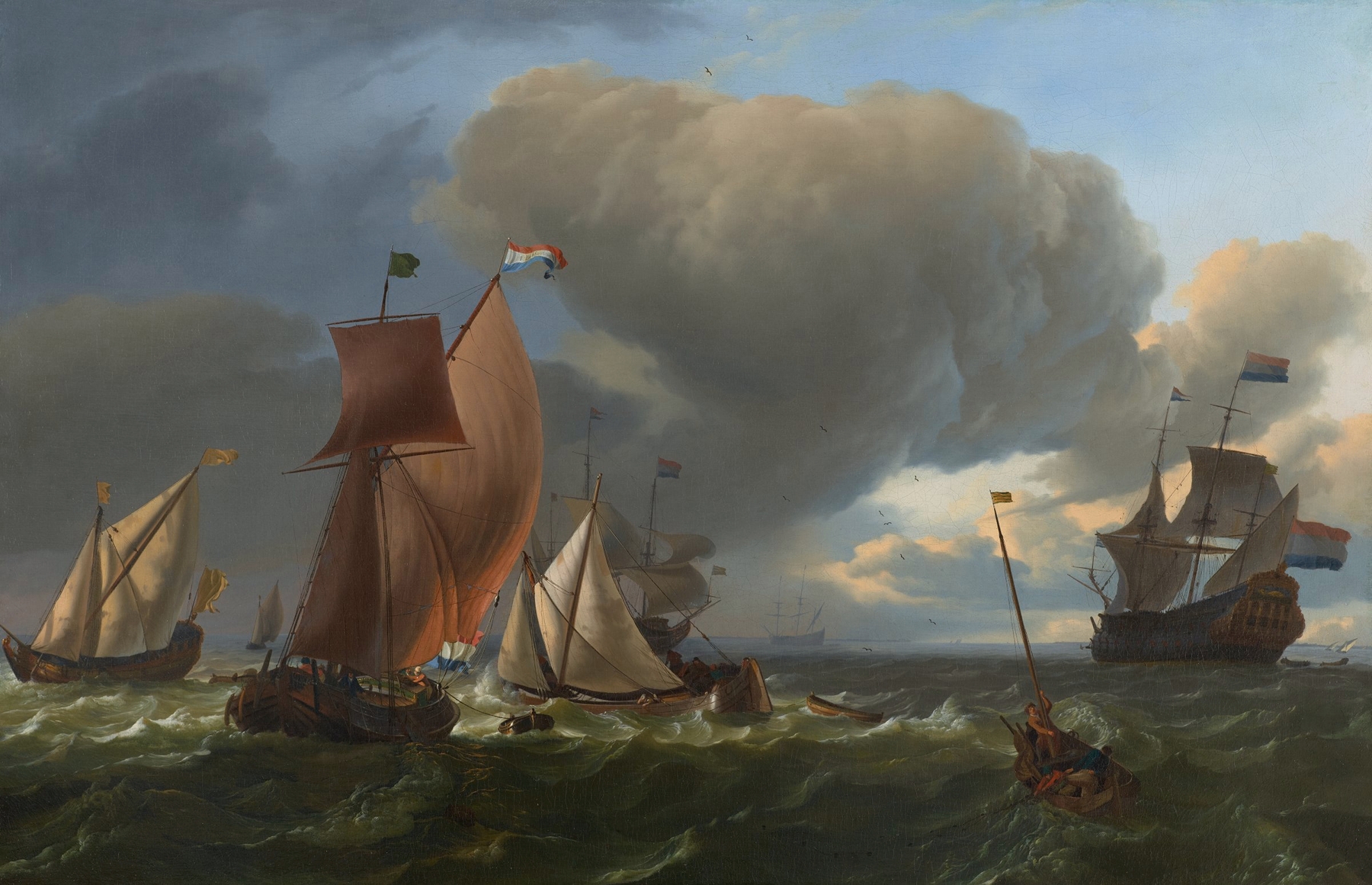
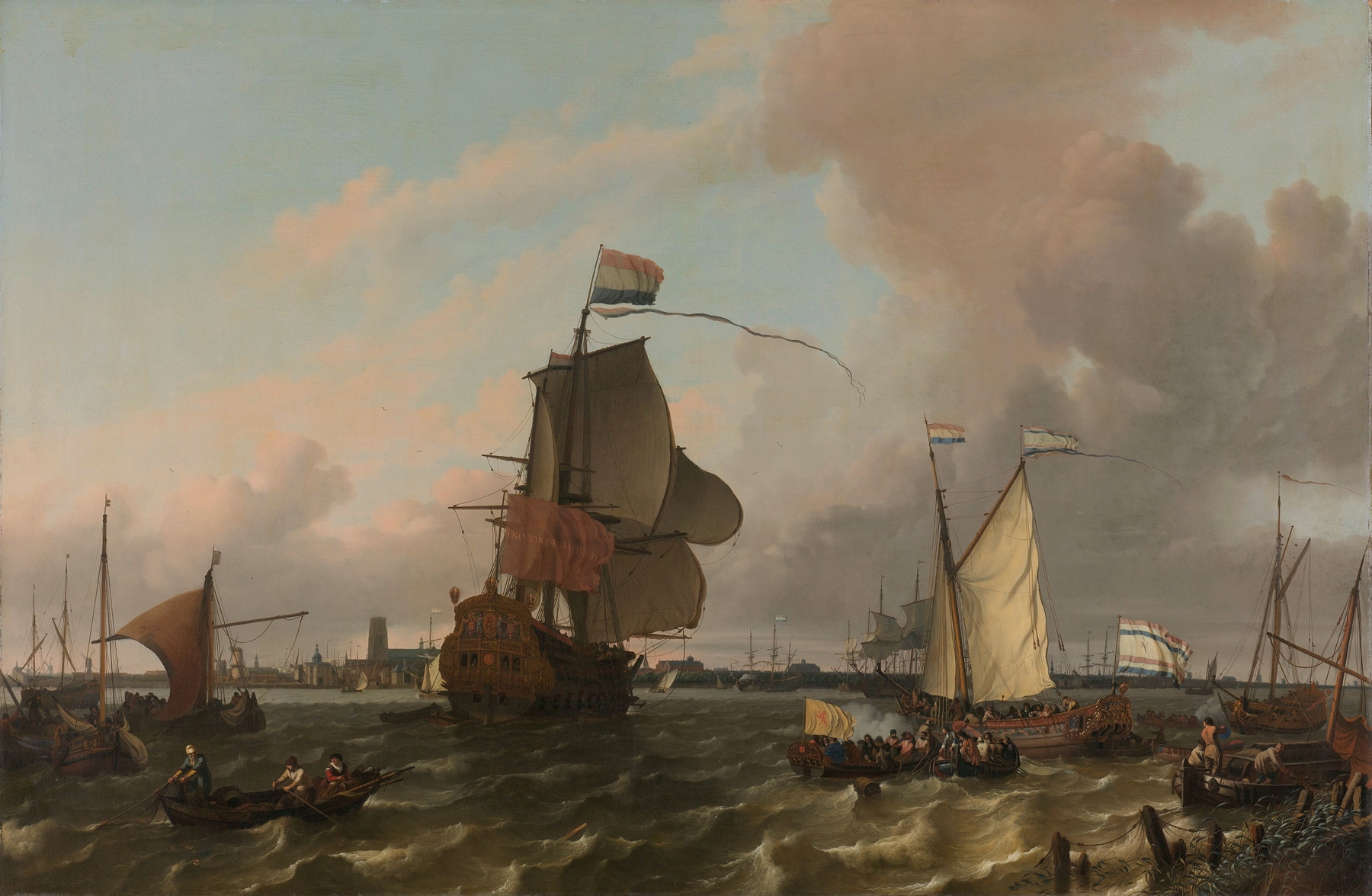
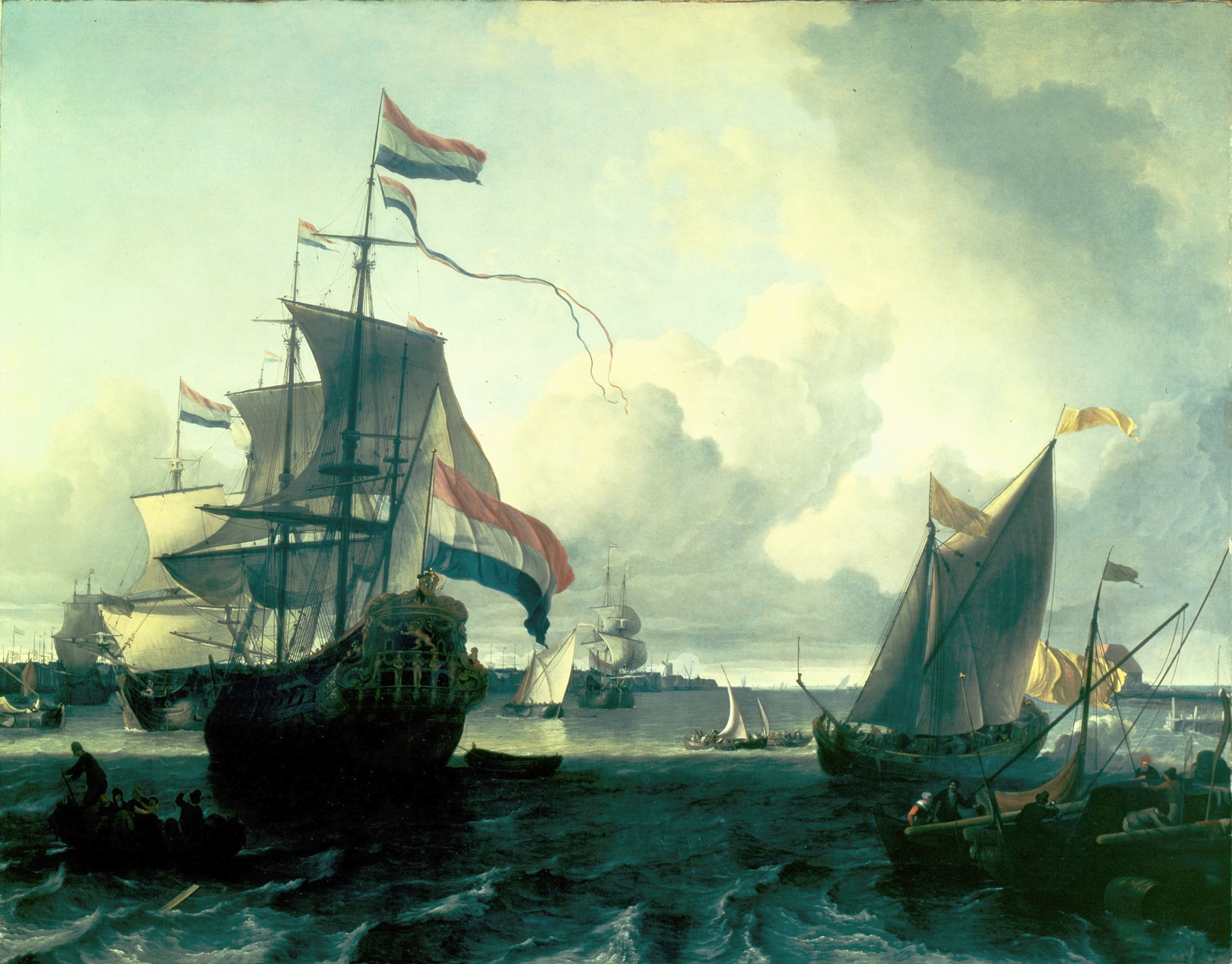
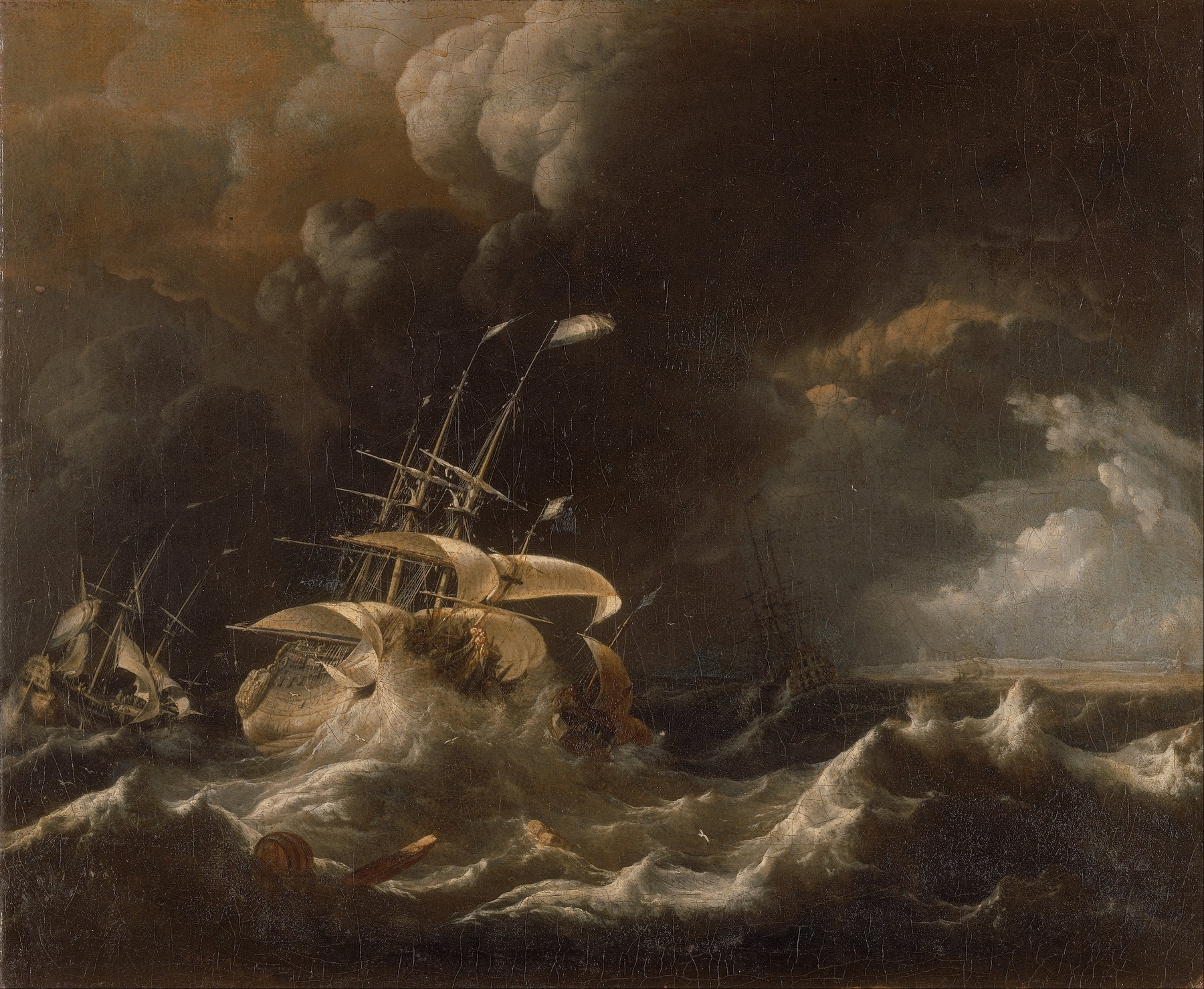
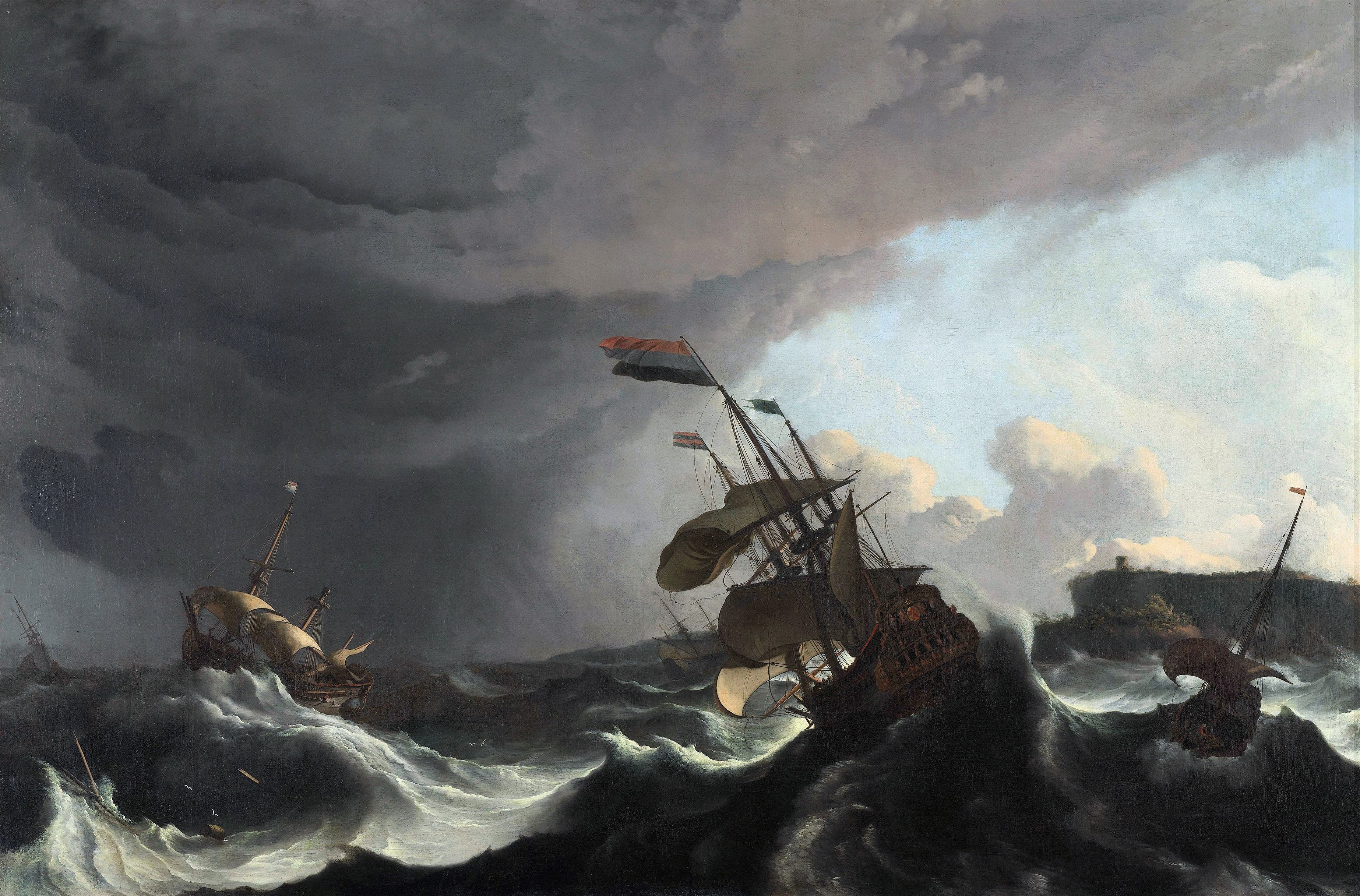
Who listens when art speaks of silence? In the vast expanse of the sea, whispers of longing echo beneath the waves, inviting contemplation. Focus on the horizon where the deep, rich blues merge seamlessly with lighter cerulean, suggesting the endless stretch of water. Notice how the brushstrokes convey the swell of the waves, their rhythmic dance contrasting with the stillness of the sky.
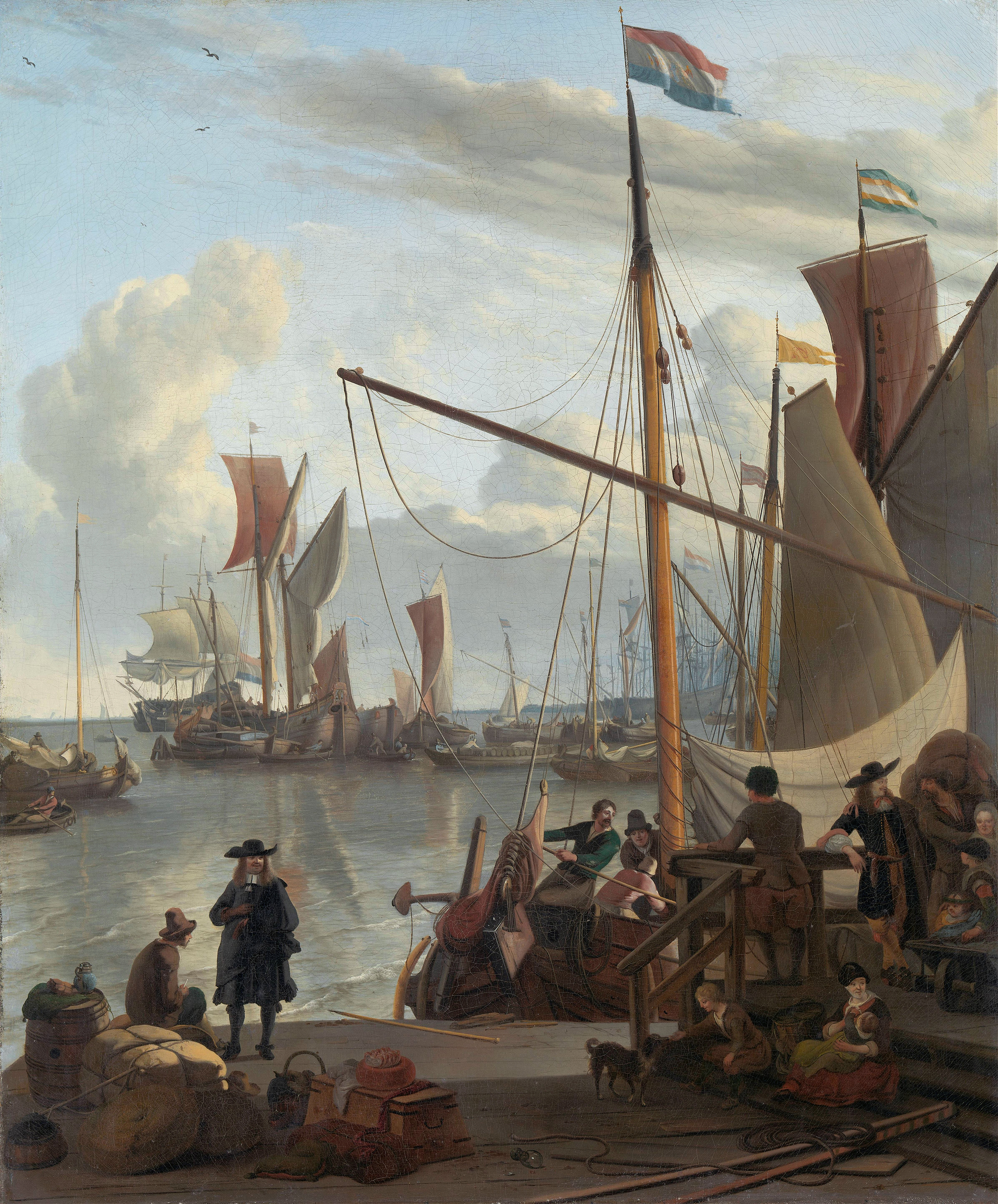
The ships, rendered with intricate detail, sit poised on the water, their sails catching the subtle play of light, hinting at journeys yet taken or dreams left unfulfilled. Delve deeper into the composition, and you’ll find an interplay of serenity and tension. The ships, though appearing calm, are vessels of human aspiration, their sails laden with hopes. Each ripple in the water reflects not just light but the weight of longing, creating a dialogue between the viewer and the vastness of the sea.
The contrast between the powerful movement of the waves and the stationary vessels evokes the eternal struggle between movement and stasis—a desire to venture forth tempered by the comfort of what is known. Ludolf Backhuysen painted this work during the Golden Age of Dutch painting, a period marked by maritime exploration and trade. While the exact date remains unknown, this era found artists like him capturing the majesty of the sea, a reflection of contemporary life and commerce. Backhuysen, deeply inspired by the power of nature and his own experiences as a sailor, sought to immortalize the beauty and dynamic energy of the ocean, bridging the gap between reality and the emotional depths of human desire.