Shipwreck on the Coast — History & Analysis
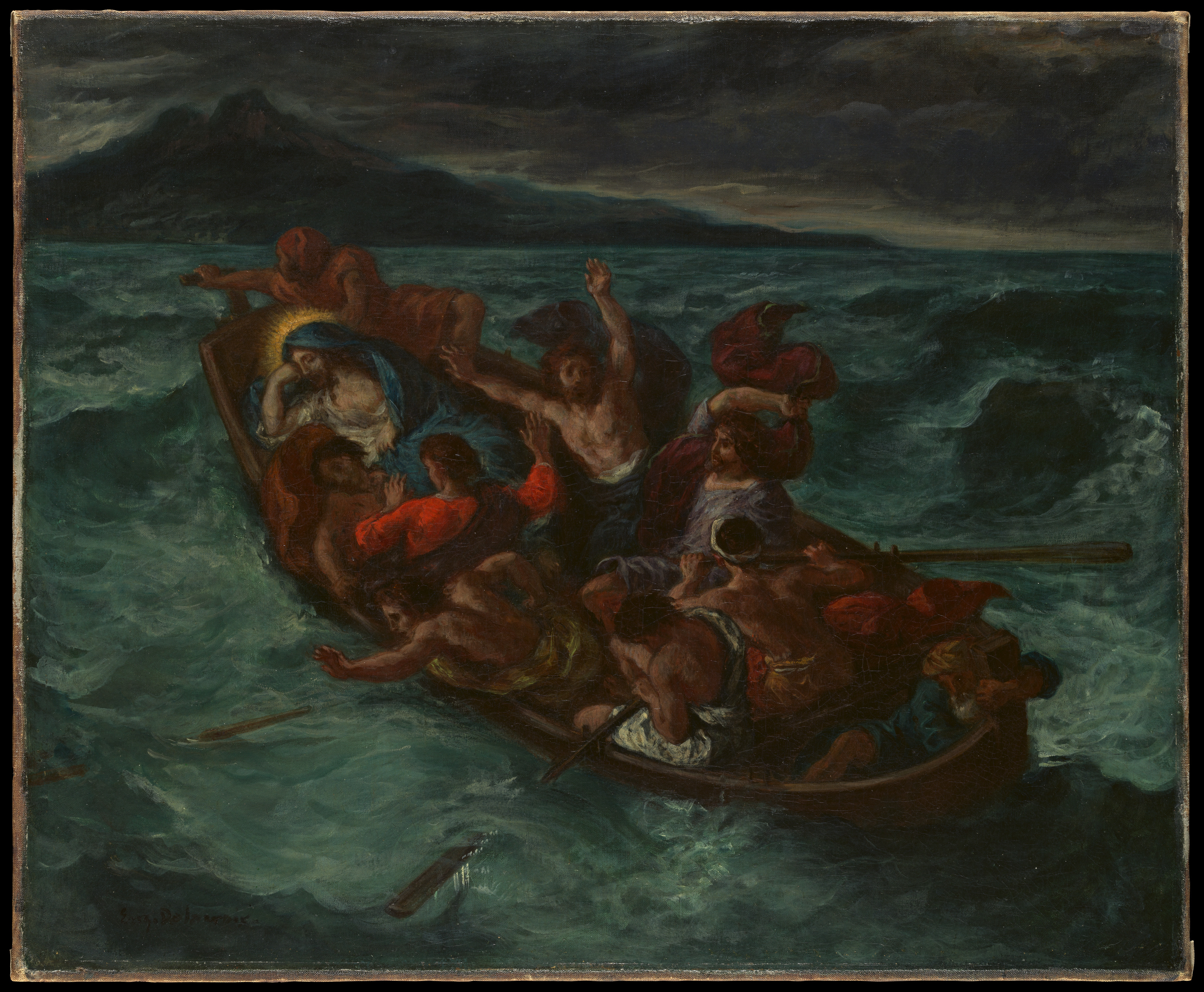
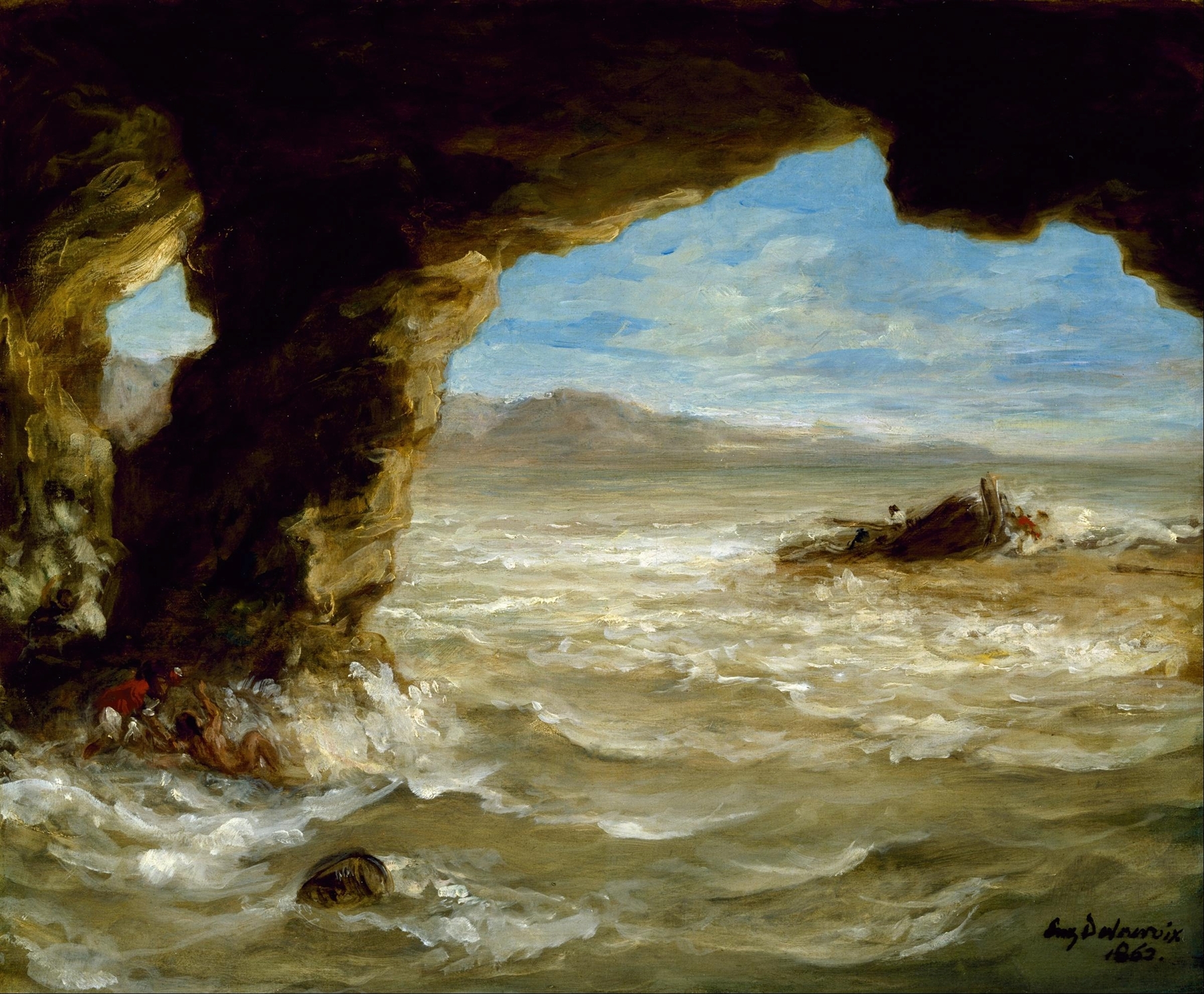
Did the painter know this moment would outlive them? Shipwreck on the Coast captures a fleeting revelation, echoing the fragility of human existence against the vastness of nature. This vivid tableau speaks not just to a singular event but to the universal experience of struggle and survival. Focus on the tumultuous waves crashing against the rocks, their frothy edges whipping into a frenzy.
The warm hues of sunset cast a golden light over the scene, illuminating the desperate figures who cling to remnants of their shattered vessel. Notice how Delacroix’s brushwork conveys both the chaos of the storm and the poignancy of the human condition, as colors meld to create a sense of urgency and despair. Amid the violent clash of nature and humanity, the contrast between the dark, brooding clouds and the warm glow of the horizon signifies hope amidst turmoil. The scattered wreckage symbolizes not only loss but also resilience—the figures in the foreground strive to save what they can, embodying the eternal struggle against fate.
This tension speaks volumes, inviting viewers to reflect on their own battles against insurmountable odds. In 1862, Delacroix painted this work during a time when Romanticism was giving way to Impressionism, marking a pivotal transition in the art world. Living in Paris, he was influenced by the tumultuous political climate of France, as well as the exploration of emotion and individualism that defined his career. In this masterpiece, he immortalizes a moment of chaos, instilling it with an emotional weight that continues to resonate today.